Global waste production has reached a critical threshold, with food packaging and organic waste serving as primary contributors to the degradation of natural ecosystems. Recent data indicates that plastic food packaging accounts for approximately 40% of all plastic waste generated globally, with the United States, Europe, and China identified as the largest producers of this specific waste stream. As consumers and policymakers grapple with the environmental consequences of a linear "take-make-waste" economy, the concept of zero waste grocery shopping has emerged as a vital strategy for mitigating ecological impact while addressing rising economic pressures.
According to the United States Department of Agriculture (USDA), the economic landscape of food consumption is shifting. In its 2026 Food Price Outlook, the agency predicts that prices for all food categories will increase by approximately 3.6 percent. This inflationary trend, coupled with the fact that Americans currently waste an estimated 40% of their total food supply, suggests that zero waste practices are no longer merely an ethical choice but a financial necessity.
The Dual Crisis of Plastic and Organic Waste
The modern grocery experience is characterized by an abundance of single-use plastics. From pre-cut produce housed in polyethylene terephthalate (PET) clamshells to cucumbers encased in shrink-wrap, plastic has become the default medium for food preservation and transport. However, the environmental cost of this convenience is high. Packaging waste often bypasses recycling streams, ending up in landfills or oceans, where it takes centuries to decompose.
Simultaneously, the retail sector and individual households contribute to a massive food waste crisis. Retailers frequently discard produce that fails to meet aesthetic "beauty standards"—items that are perfectly edible but possess minor blemishes or irregular shapes. On the consumer side, improper storage and over-purchasing result in significant volumes of organic material being sent to landfills. When food rots in an anaerobic landfill environment, it produces methane, a greenhouse gas significantly more potent than carbon dioxide, further accelerating climate change.
Strategic Planning and Economic Management
The transition to a zero waste lifestyle begins well before a consumer enters a store. Journalistic analysis of successful zero waste habits reveals that planning is the most effective deterrent to both waste and overspending.
Budgetary Controls and Market Research
Effective zero waste shopping requires a structured financial approach. Financial experts suggest that consumers should map out their spending by category—allocating specific funds for farmers markets, bulk refill stores, and traditional grocers. Utilizing cash instead of credit cards can prevent "impulse inflation," as the physical exchange of currency provides a more immediate psychological barrier to overspending.
Furthermore, digital tools have made it easier to locate specialized retailers. Resources such as the Refill Collective directory allow users to find local refilleries by zip code. For those residing in "refill deserts" where bulk bins are not available, the focus shifts toward choosing products packaged in infinitely recyclable materials such as glass, metal, or high-grade cardboard.
The Inventory and Meal Planning System
A primary driver of food waste is the lack of a household inventory. Professional organizers recommend a "fridge-first" approach, where shoppers assess current stocks before creating a list. Rather than planning rigid daily menus, experts suggest planning around ingredients. This flexibility allows households to adapt to what is fresh or on sale, reducing the likelihood of ingredients being forgotten and eventually discarded.
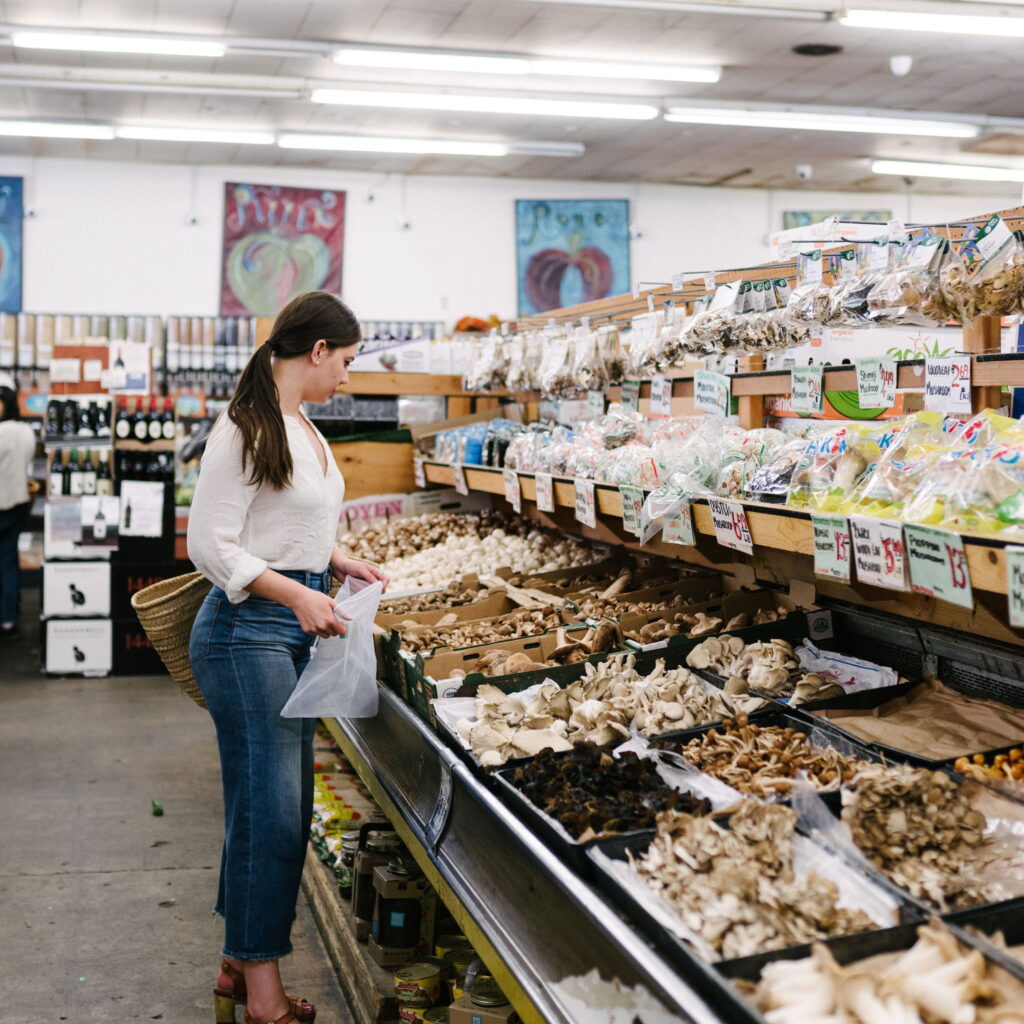
Infrastructure and Essential Tools for Waste Reduction
To effectively execute a zero waste shopping trip, consumers must equip themselves with reusable infrastructure. This shift in behavior requires a move away from the "disposable culture" that has dominated retail since the mid-20th century.
Reusable Containers and Produce Bags
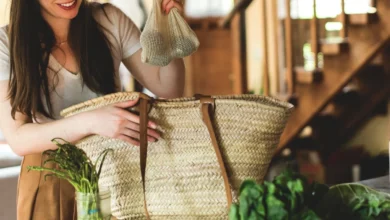
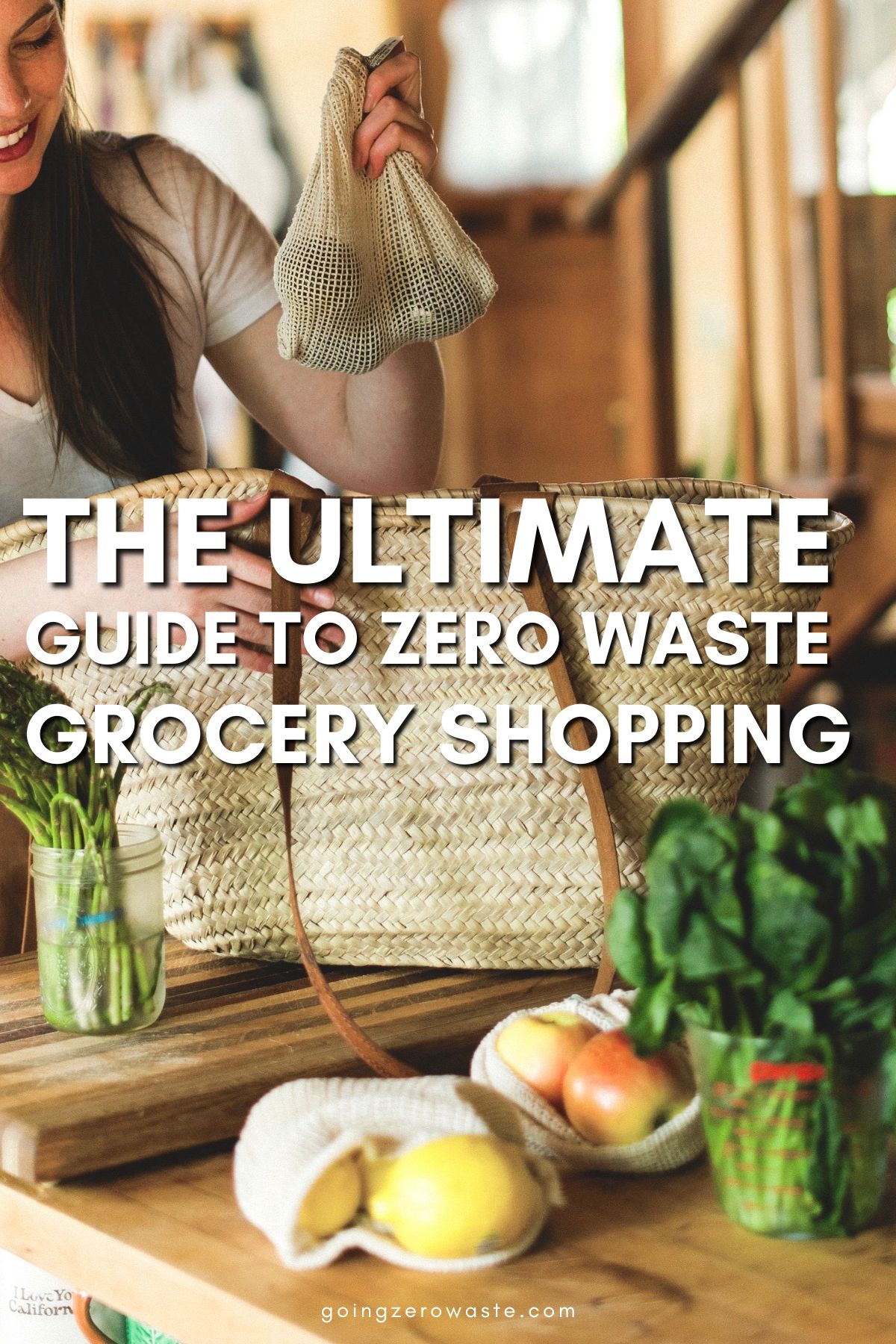
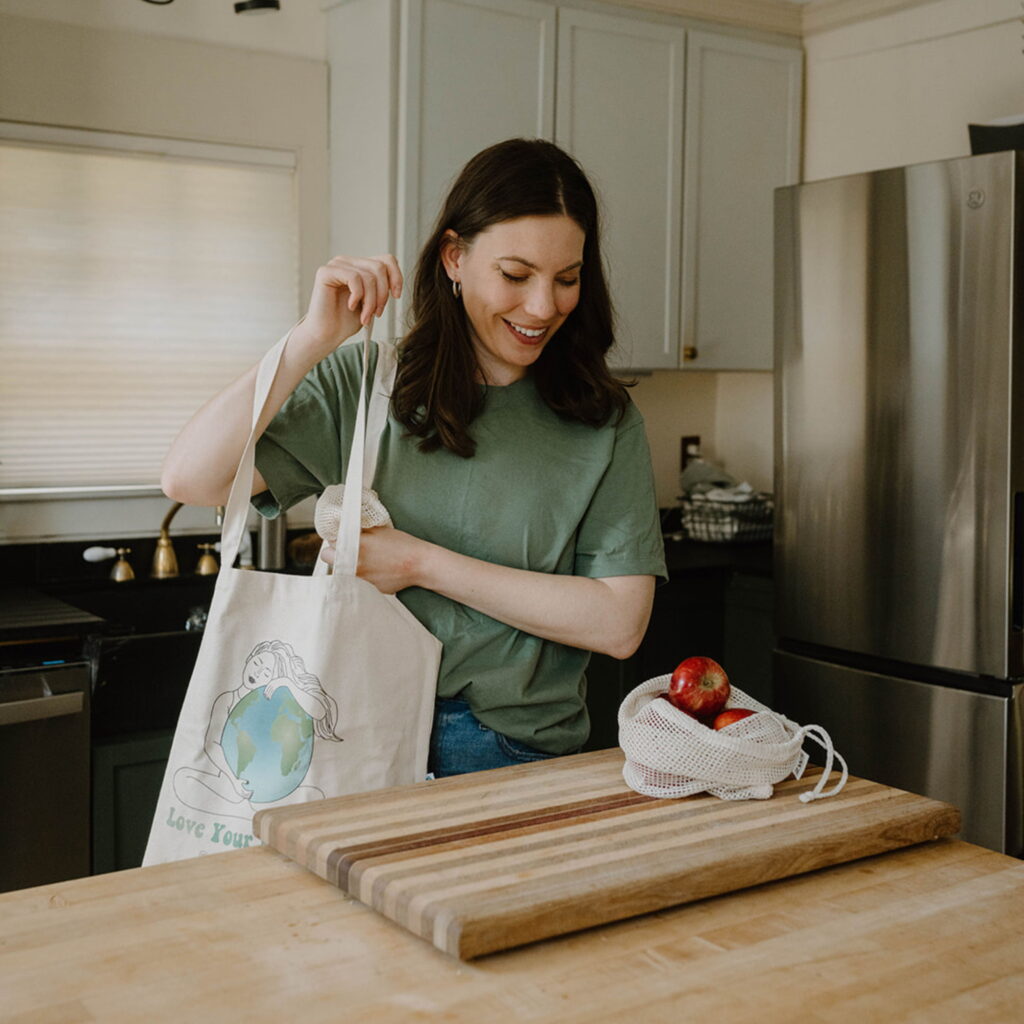
The standard thin-film plastic produce bags provided in grocery stores are rarely recycled. Alternatives include mesh cotton bags for hearty greens and solid cloth bags for grains and legumes. When shopping at bulk bins, mason jars or upcycled glass containers are the gold standard. To manage the weight and fragility of glass, many practitioners utilize wine bags with built-in dividers to prevent breakage during transport.
Navigating the Bulk Section
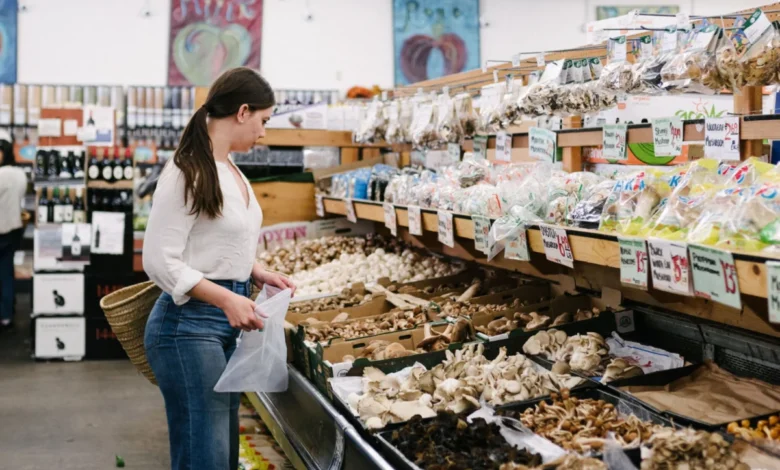
Refilleries and bulk sections allow consumers to purchase exactly the amount they need, which is particularly beneficial for spices, flours, and specialty grains that might otherwise sit in a pantry until they expire. The process involves "taring" the container—weighing the empty jar before filling it so the weight of the glass is subtracted from the final price. This ensures the consumer pays only for the product, often at a lower unit price than pre-packaged alternatives.
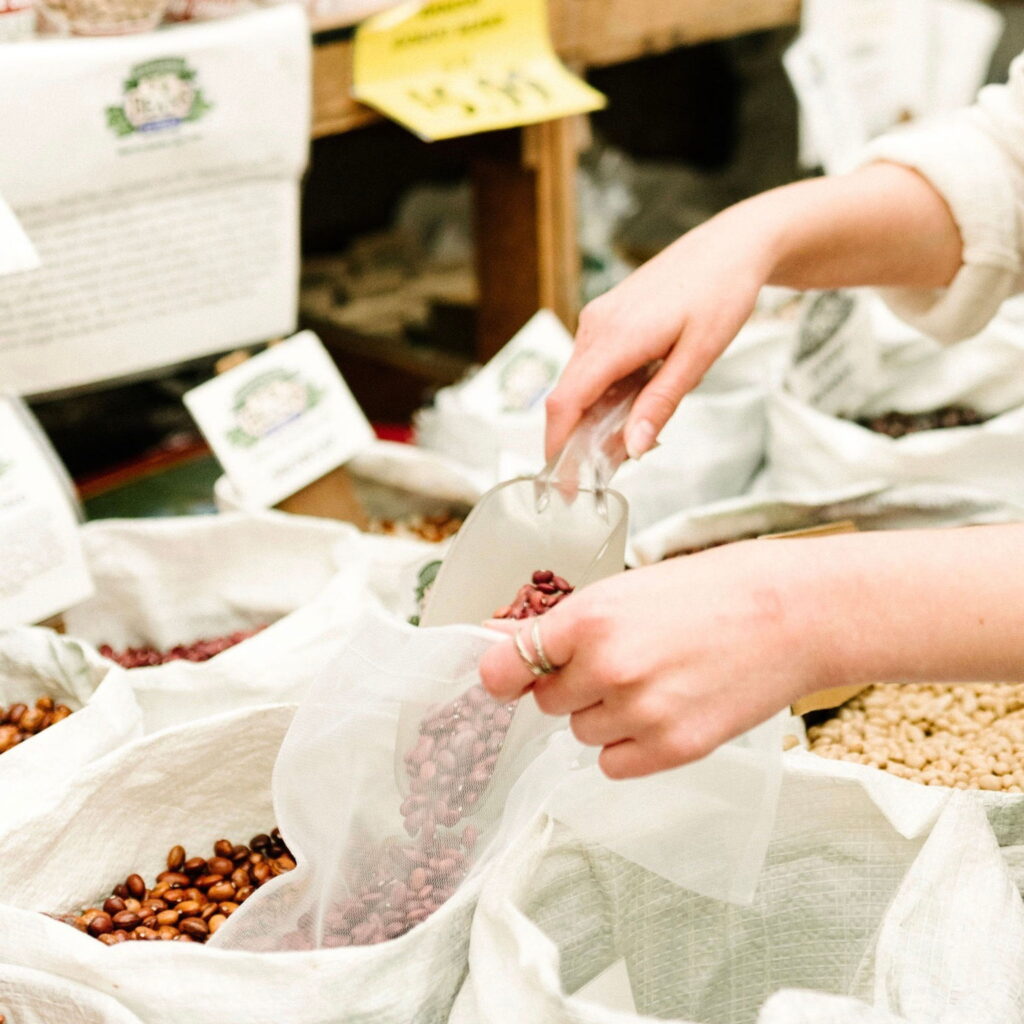
Scientific Storage and Preservation Techniques
Once groceries are brought home, the "zero waste" objective shifts to preservation. Extending the shelf life of produce is a matter of understanding plant biology and environmental conditions.
Humidity and Temperature Regulation
Modern refrigerators are designed with zones that accommodate different produce needs. The door is the warmest part of the appliance and should be reserved for stable condiments rather than perishables like milk or berries. Crisper drawers should be utilized to separate high-humidity items, such as leafy greens, from low-humidity items, such as ethylene-emitting fruits (apples, pears, and stone fruits).
Specific Preservation Hacks
- Carrots and Celery: Storing these vegetables submerged in a glass of water in the refrigerator can keep them crisp for weeks, preventing the limpness caused by dehydration.
- Berries: Berries should not be washed until immediately before consumption, as moisture encourages mold growth. Storing them in airtight glass containers can significantly extend their viability.
- Leafy Greens: Wrapping greens in a damp cloth or placing them in a sealed container with a reusable "towel" to absorb excess moisture prevents premature rot.
The Culinary Shift: Utilizing "Odds and Ends"
A professional journalistic look at zero waste must also address the culinary habits that lead to waste. Many parts of vegetables traditionally considered "scraps" are both nutritious and flavorful.
Scraptastic Cooking
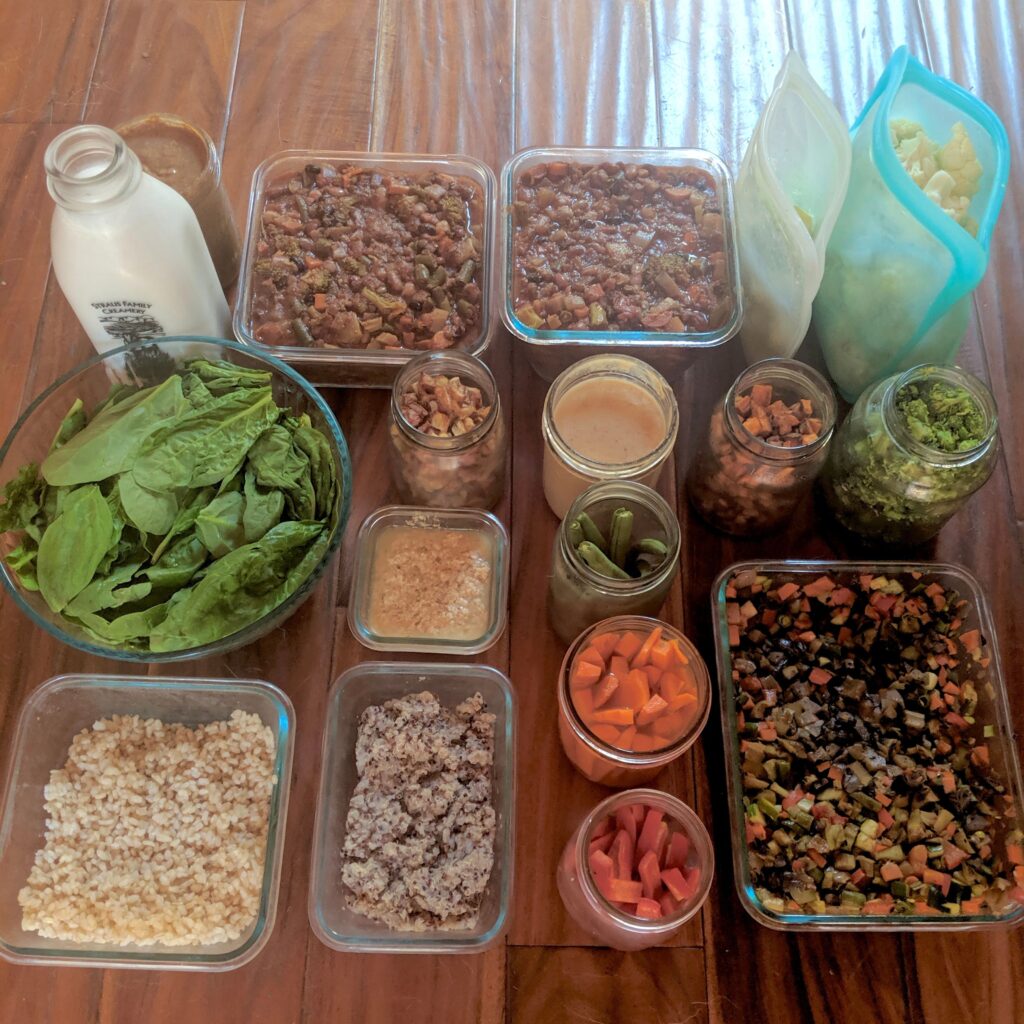
The leaves of beets, radishes, and carrots are entirely edible and can be used in pestos, salads, or sautés. Strawberry tops can be infused into water or blended into smoothies to capture residual vitamins. Furthermore, vegetable peels and ends can be collected in a freezer bag and boiled into a nutrient-rich vegetable stock, eliminating the need for store-bought cartons packaged in multi-layer plastics.
By reframing "waste" as "ingredients," households can reduce their grocery bills while diversifying their diets. This approach aligns with the "Circular Economy" model, which emphasizes keeping resources in use for as long as possible.
Composting: The Last Resort in the Waste Hierarchy
Within the zero waste framework, composting is viewed as a final option rather than a primary solution. It is the process of returning nutrients to the soil when an item is no longer fit for human or animal consumption.

Urban and Suburban Solutions
For those with backyard access, compost tumblers or DIY bins offer a way to manage organic waste on-site. However, urban dwellers are increasingly turning to curbside compost pickup or community garden drop-offs. In some jurisdictions, municipal laws now mandate organic waste separation to prevent the environmental hazards of food-filled landfills.
Technological advancements have also introduced "Bokashi" systems—an anaerobic fermentation process that can handle meat and dairy scraps, which are typically excluded from traditional backyard compost piles. For those with limited space, freezer-stored compost prevents odors and pests until the scraps can be transported to a proper facility.
Broader Impact and Global Implications
The move toward zero waste grocery shopping is part of a larger global movement to redefine consumption. As the United Nations continues to negotiate a global treaty to end plastic pollution, individual and community-level actions provide the necessary pressure for corporate change.
Retailers are beginning to respond to these consumer shifts. Some major chains have launched "ugly produce" lines, selling misshapen fruits at a 20-30% discount. Others are testing "refill stations" for liquid detergents and dry goods. However, the pace of corporate adoption remains slow compared to the rate of environmental degradation.
In conclusion, zero waste grocery shopping is a multifaceted discipline that integrates economic planning, biological understanding, and environmental advocacy. While the systemic challenges of plastic production and retail waste persist, the adoption of these practices at the household level offers a viable pathway toward a more sustainable and resilient food system. As food prices continue to climb toward the 2026 projections, the ability to minimize waste will become an increasingly essential skill for the modern consumer.
Related posts: