Sustainable Skincare Innovation The Rise of Konjac Sponges as a Biodegradable Alternative to Synthetic Shower Accessories

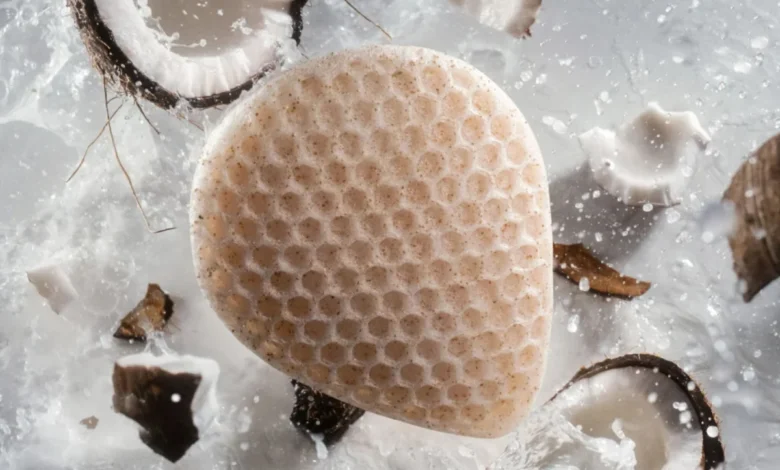
The global personal care industry is undergoing a significant transformation as consumer awareness regarding environmental sustainability and ingredient transparency reaches an all-time high. Central to this shift is the re-evaluation of everyday bathroom essentials, particularly the synthetic mesh shower pouf. Historically a staple in many households, these plastic-based tools are increasingly being scrutinized for their environmental footprint and potential hygiene risks. In response, a surge of interest has focused on natural alternatives, most notably the konjac sponge. This plant-based exfoliant, derived from an ancient Asian root vegetable, is being positioned by sustainable brands like Casamera as the definitive successor to the traditional plastic pouf, offering a biodegradable, antimicrobial, and skin-friendly solution to modern hygiene needs.
The Environmental Crisis of Synthetic Bathing Accessories
To understand the rise of the konjac sponge, one must first examine the environmental impact of the product it seeks to replace. The standard shower pouf is typically manufactured from polyethylene (PE), a non-biodegradable plastic. While these items are inexpensive and effective at creating a lather, their lifecycle is remarkably short. Dermatologists and manufacturers generally recommend replacing synthetic poufs every two months to prevent the buildup of bacteria, mold, and mildew within the mesh folds. This creates a cycle of constant disposal, where millions of plastic sponges are sent to landfills annually, where they can take hundreds of years to decompose.
Furthermore, synthetic poufs contribute to the growing crisis of microplastics. As the plastic fibers degrade through friction and exposure to hot water, microscopic particles are shed and washed down the drain. Because these particles are too small to be captured by standard wastewater treatment facilities, they eventually enter the marine ecosystem, where they are ingested by aquatic life and move up the food chain. The shift toward natural fibers like those found in the konjac plant represents a critical move toward "blue beauty"—a movement focused on protecting the ocean from chemical and plastic pollution.
Botanical Background: The Science of the Konjac Plant
The konjac sponge is derived from the Amorphophallus konjac, a perennial plant native to various parts of East and Southeast Asia, including Japan, Korea, and China. Known colloquially as the "elephant yam" or "voodoo lily," the plant is prized for its large corm (tuber), which is rich in glucomannan, a water-soluble dietary fiber.
The process of converting the konjac root into a functional bathing accessory is rooted in traditional craftsmanship. Once the tubers are harvested, the glucomannan fiber is extracted and refined into a fine powder. This powder is then mixed with water and, in many cases, natural mineral or plant infusions. The resulting gel-like substance is poured into molds, where it undergoes a specialized steaming process to stabilize its structure. The final product is a porous, soft-textured sponge that is naturally alkaline, which helps to balance the pH of human skin.
Product Innovation and the Casamera Model
While konjac sponges have been used for centuries—originally popularized in Japan during the 6th century as a medicinal food and later as a gentle cleansing tool for infants—modern innovation has expanded their utility. Casamera has introduced a dual-sided design that addresses the diverse needs of the contemporary "everything shower," a social media-driven trend where consumers engage in intensive, multi-step hygiene routines.
Unlike conventional konjac sponges, which are often small and intended solely for facial use, newer iterations are designed for full-body application. Casamera’s scrubbers feature a honeycomb side for gentle daily cleansing and an exfoliating side powered by crushed walnut shells. This dual-functionality allows users to replace both their facial cleansers and their body loofahs with a single, ergonomic tool.
To cater to specific skin types, these sponges are often infused with active natural ingredients:

- Charcoal: Known for its ability to draw out impurities and excess oil, making it ideal for acne-prone skin.
- Matcha: Rich in antioxidants, aimed at reducing inflammation and protecting the skin from environmental stressors.
- Volcanic Mud: Utilized for its mineral content to detoxify and rejuvenate dull skin.
- Walnut Shells: Provided as a mechanical exfoliant to remove dead skin cells and promote circulation.
A Comparative Analysis: Konjac vs. Single-Use Alternatives
The push for konjac sponges also serves as a direct challenge to the prevalence of single-use face wipes. Despite their convenience, makeup removal wipes are frequently saturated with preservatives and harsh chemicals, including certain per- and polyfluoroalkyl substances (PFAS), which can cause skin irritation. From an infrastructure perspective, wipes—even those marketed as "flushable"—are a primary contributor to "fatbergs." These are massive, solidified masses in sewer systems composed of non-biodegradable items, fats, and oils.
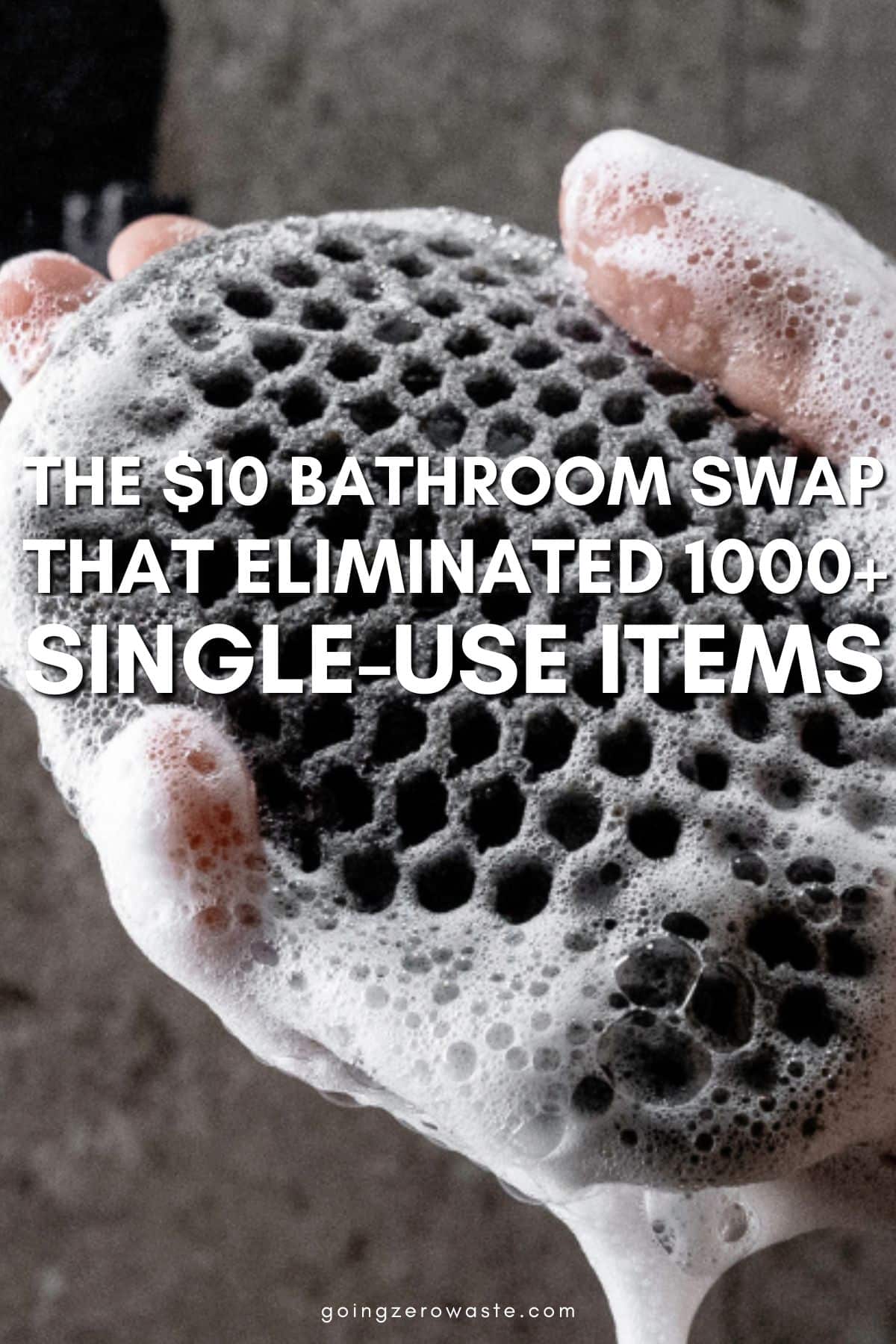
In contrast, a konjac sponge is reusable for approximately two to three months and requires only water or a mild cleanser to remove cosmetics and grime. When the sponge reaches the end of its functional life, its organic composition allows it to be composted. This creates a circular lifecycle that stands in stark contrast to the "extract-manufacture-discard" model of the synthetic hygiene industry.
Chronology of the Sustainable Hygiene Movement
The adoption of the konjac sponge in Western markets can be traced through a clear timeline of shifting consumer values:

- Early 2000s: The rise of K-Beauty (Korean Beauty) introduces Western consumers to unique botanical ingredients and gentle exfoliation techniques.
- 2015-2018: The "Zero Waste" movement gains traction on digital platforms, prompting a search for plastic-free bathroom alternatives.
- 2020: The global pandemic leads to a surge in "self-care" and home spa routines, increasing the demand for high-quality, sustainable bathing tools.
- 2023-Present: Brands like Casamera refine the konjac sponge into an ergonomic, multi-size product (Mini, OG, and XL), effectively scaling the technology for the mass market.
Supporting Data and Economic Implications
Market research indicates that the global sustainable personal care market is projected to grow at a compound annual growth rate (CAGR) of over 9% through 2030. Consumers are increasingly willing to pay a premium for products that offer "antimicrobial" properties without the use of synthetic chemicals. Konjac sponges are naturally resistant to bacteria, provided they are allowed to dry properly between uses.
From a cost-perspective, while a single konjac sponge may have a higher upfront cost than a $2 plastic pouf, its durability and multi-functional nature provide long-term value. Furthermore, companies in this space are often integrating broader ESG (Environmental, Social, and Governance) goals. For instance, Casamera utilizes plastic-free shipping materials and participates in reforestation programs to offset the carbon footprint associated with manufacturing and logistics.
Maintenance and Best Practices for Longevity
To maximize the lifespan of a natural sponge, industry experts suggest a specific maintenance routine. Because the sponges are made of organic matter, they are susceptible to degradation if left in standing water.

- Hydration: The sponge must be fully submerged in water until soft before every use.
- Rinsing: After use, it should be rinsed thoroughly to remove soap residue.
- Drying: It must be hung in a well-ventilated area. Many modern designs include a built-in string for this purpose.
- Sanitization: A weekly two-minute soak in boiling water is recommended to ensure the sponge remains sterile.
Broader Impact and Industry Outlook
The transition from plastic poufs to konjac sponges is more than a trend; it is a reflection of a broader systemic shift in the consumer goods sector. As municipal waste systems struggle to manage the volume of non-recyclable plastics, the responsibility is shifting toward manufacturers to provide products that do not leave a permanent mark on the planet.
The success of the konjac sponge suggests that the future of personal care lies in "biomimicry"—using natural structures and materials to solve modern problems. By leveraging the unique properties of the Amorphophallus konjac plant, the industry has found a way to deliver a superior exfoliation experience that aligns with the global imperative for sustainability. As more households ditch the plastic pouf, the collective reduction in microplastic shedding and landfill waste represents a significant victory for the environmental movement.
In conclusion, the konjac sponge stands as a testament to the efficacy of traditional botanical solutions in a modern context. Through the efforts of sustainable brands and the informed choices of consumers, the "everything shower" is becoming not just a routine of self-improvement, but an act of environmental stewardship.
Related posts: