Freezer Friendly Postpartum White Bean Vegetable Soup and the Critical Role of Nutritional Support in Early Motherhood Recovery

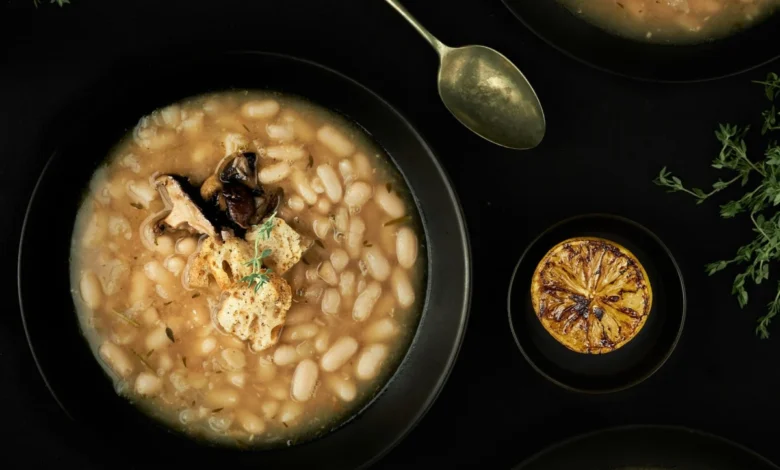
The transitional period following childbirth, frequently categorized by medical professionals as the "fourth trimester," presents a unique set of physiological and psychological challenges that necessitate targeted nutritional interventions. As the maternal body undergoes significant hormonal shifts and physical healing, the availability of nutrient-dense, easily digestible meals becomes a cornerstone of effective recovery. Among the most recommended dietary staples for this period is the freezer-friendly white bean vegetable soup, a dish designed specifically to balance ease of preparation with the complex nutritional requirements of a postpartum individual. This culinary approach addresses the dual needs of physical restoration and the logistical realities of caring for a newborn, where "decision fatigue" often hinders proper self-care.
The Nutritional Architecture of Postpartum Recovery
Postpartum nutrition is not merely about caloric intake; it is about providing the specific building blocks required for tissue repair, hormonal stabilization, and, for many, the demands of lactation. The ingredients within the white bean vegetable soup serve specific biological functions. White beans, for instance, are an excellent source of plant-based protein and iron. According to clinical data, iron deficiency is a common concern post-delivery due to blood loss during childbirth, and replenishing these stores is vital for preventing postpartum fatigue and anemia.
Furthermore, white beans are high in soluble fiber. This is a critical component for postpartum health, as many new mothers experience gastrointestinal transit delays or constipation due to fluctuating progesterone levels and the use of certain pain medications. Carrots and celery provide essential antioxidants and vitamins, such as Vitamin A (beta-carotene), which supports immune function and cellular repair. The use of a high-quality broth—whether vegetable, bone, or chicken-based—ensures hydration and provides electrolytes, which are paramount for maintaining milk supply and overall energy levels.
Chronology of Preparation: A Workflow for the Fourth Trimester
To maximize the utility of this recipe, the preparation process is structured to accommodate the limited time windows available to expectant or new parents. The following chronology outlines the most efficient method for producing and storing this recovery staple:
- The Mise en Place (15 Minutes): The process begins with the dicing of the "holy trinity" of aromatics: onions, carrots, and celery. This stage is crucial for building a flavor base without relying on excessive sodium or artificial enhancers.
- The Sauté and Softening (10 Minutes): Aromatics are sweated in a large pot until translucent. This step releases the sugars in the vegetables, creating a mild, comforting flavor profile that is gentle on a sensitive postpartum stomach.
- Simmering and Integration (30 Minutes): The broth, white beans, and tomatoes are added. The soup is brought to a boil and then reduced to a simmer, allowing the flavors to meld and the beans to reach a tender consistency. This is the stage where optional proteins, such as shredded chicken or sausage, can be integrated.
- Cooling and Portioning: Crucial to food safety and freezer longevity, the soup must be cooled to room temperature before being moved to the freezer. It is then divided into individual or two-serving containers to prevent the need for reheating large batches multiple times.
- Labeling and Storage: Each container is marked with the date and contents. In a freezer environment, this soup maintains its nutritional integrity and flavor for up to three months.
The Role of Community and the "Meal Train" Phenomenon
The white bean vegetable soup is frequently cited as a preferred dish for "meal trains"—organized community efforts where friends and family provide meals to a new household. Sociological studies on maternal health suggest that social support systems significantly reduce the risk of postpartum depression (PPD). By providing a meal that is "ready to exist" in the freezer, visitors offer a form of practical support that extends beyond the initial social visit.
Experts in postpartum care emphasize that the way help is delivered is as important as the help itself. When community members provide freezer-friendly meals, they remove the immediate pressure on the parents to host or entertain. The instruction to "bring toppings separately"—such as fresh herbs, lemon wedges, or grated cheese—allows the new mother to customize her meal based on her immediate appetite and sensory preferences, which can fluctuate wildly during hormonal rebalancing.
Psychological Implications of Preparedness and "Future-Proofing"
From a psychological perspective, the act of "future-proofing" dinner through freezer-friendly recipes serves as a powerful tool against the stressors of early parenthood. Clinical psychologists specializing in perinatal health note that the "mental load" of motherhood—the constant invisible labor of planning and organizing—is a primary contributor to burnout.
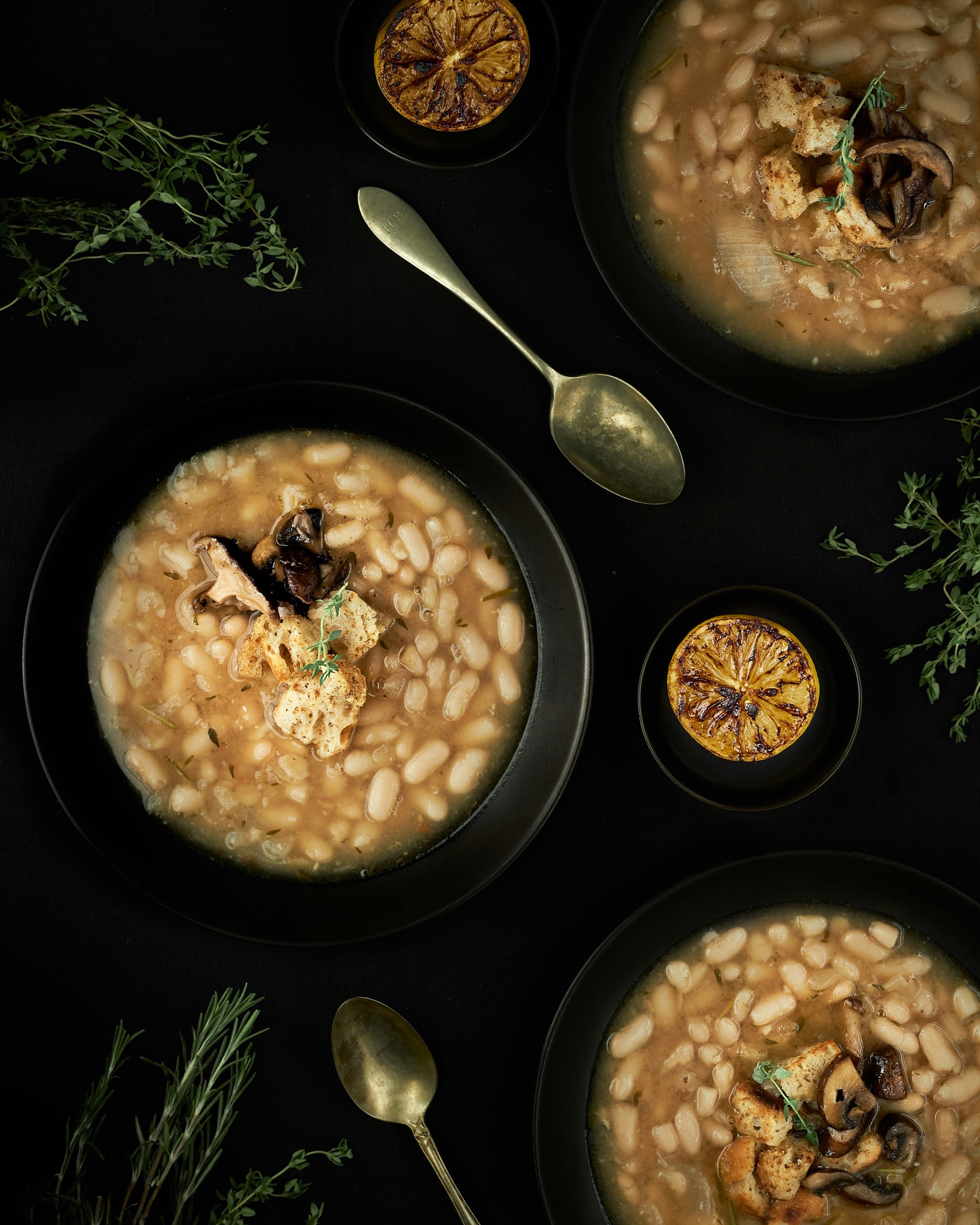
When a meal is already prepared and stored, it eliminates a significant daily stressor. This white bean soup serves as a "mild and easy" option, which is particularly important because high-stress periods can often lead to a loss of appetite or a sensitivity to strong smells and flavors. Having a reliable, bland-yet-nutritious option ensures that the mother continues to fuel her body even when she lacks the desire to eat complex or heavy foods.
Expert Perspectives on Postpartum Dietary Guidelines
Dietitians specializing in maternal health often advocate for the "warm and wet" theory of postpartum nutrition, which is prevalent in traditional Chinese medicine and Ayurvedic practices. These traditions suggest that the postpartum body is in a "cold" state and requires warm, liquid-based foods like soups and stews to aid digestion and promote internal healing.
"The digestive system is often sluggish after birth," notes a consensus of holistic health practitioners. "A soup like this, which breaks down complex carbohydrates and fibers through long simmering, is much easier for the body to process than a raw salad or a heavy, dry meal. It allows the body to divert its energy away from digestion and toward tissue repair."
Broader Implications for Maternal Healthcare Policy
The emphasis on postpartum nutrition highlights a broader shift in the healthcare landscape. Traditionally, medical attention has been heavily concentrated on the prenatal period and the event of birth itself, often leaving a "care gap" once the mother returns home. The rise of resources such as the Fourth Trimester Podcast and specialized nutritional guides indicates a growing recognition that the three months following birth are a critical window for long-term health.
The provision of simple, scalable, and nutritious recipes like the white bean vegetable soup is a grassroots response to a systemic need for better postpartum support. It reflects a move toward "slow recovery," where the focus is on rest and replenishment rather than a quick "bounce back" to pre-pregnancy activities.
Customization and Flexibility for Diverse Dietary Needs
Recognizing that every household has different economic and dietary constraints, the recipe for white bean vegetable soup is designed for maximum flexibility. For families adhering to a vegan or vegetarian diet, the bean base provides a complete protein profile when paired with a side of toast or rice. For those requiring higher caloric density to support a robust milk supply, the addition of healthy fats—such as a swirl of olive oil or a scoop of Greek yogurt—is recommended.
The recipe also serves as a canvas for seasonal adjustments. In colder months, the addition of hearty greens like kale or Swiss chard can increase the intake of Vitamin K and calcium. In warmer months, a burst of fresh lemon juice added after reheating can brighten the flavor and aid in the absorption of plant-based iron.
Conclusion: The Lasting Impact of Simple Interventions
In conclusion, the freezer-friendly white bean vegetable soup represents more than a simple meal; it is a strategic intervention in the postpartum recovery process. By addressing the physiological needs for protein, iron, and fiber, and the psychological need for reduced decision-making, such recipes play a vital role in the health of the modern family. As the medical community continues to refine its understanding of the fourth trimester, the integration of practical, community-based nutritional support will likely remain a cornerstone of comprehensive maternal care. The simplicity of a mild, bean-based soup ensures that even on the most challenging days of early parenthood, high-quality nutrition remains accessible, sustainable, and comforting.
Related posts: