Navigating the Evolving Landscape of Modern Parenting A Comprehensive Analysis of Health Finance and Identity in 2025

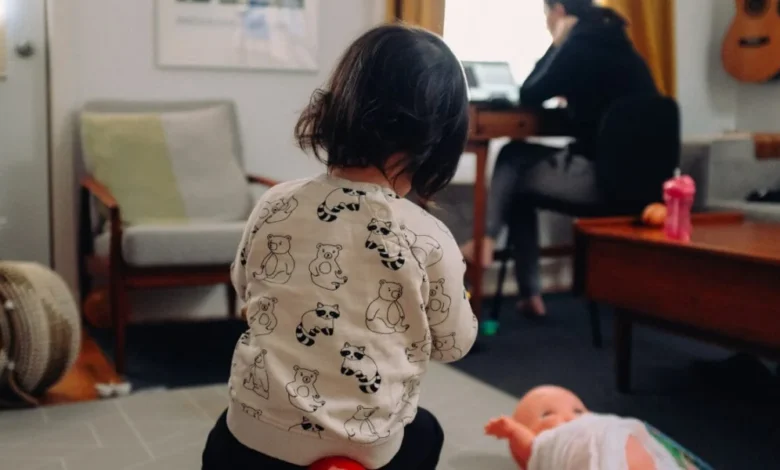
The contemporary landscape of parenting is currently undergoing a significant transformation, driven by emerging pediatric research, shifting socio-economic pressures, and a profound re-evaluation of maternal identity. As families navigate the complexities of the mid-2020s, the intersection of health, technology, and financial stability has become the primary focus for parents and policymakers alike. Recent data suggests that the "traditional" models of child-rearing are being replaced by evidence-based approaches that prioritize mental health, long-term resilience, and systemic support over individual perfection. From the introduction of allergenic foods in infancy to the navigating of digital boundaries with adolescents, the modern parental experience is defined by a continuous cycle of adaptation and advocacy.

Pediatric Health and the Science of Early Intervention
One of the most critical shifts in early childhood development involves the management of food allergies. New clinical studies, such as those discussed by Dr. Jaspreet Dhami, have revolutionized the timeline for introducing potential allergens to infants. For decades, parents were advised to delay the introduction of foods like eggs and peanuts; however, current research indicates that early introduction—typically between four and six months—can significantly reduce the risk of developing lifelong allergies. This shift has moved the conversation from one of avoidance and anxiety to one of proactive exposure, though it requires parents to balance clinical data with the practical realities of infant feeding schedules.

Parallel to nutritional health is the growing concern regarding the "digital childhood." Research into the impact of smartphones on children, particularly young girls, reveals a burgeoning sense of nostalgia for a pre-digital era. Studies indicate that many children feel a sense of loss regarding the era of unstructured, offline play—a sentiment echoed by data showing a correlation between high screen time and increased rates of anxiety and social isolation in tweens. The challenge for 2025 is not merely limiting screen time, but addressing the systemic nature of digital integration in social and educational spheres.

The Maternal Identity Rebirth and Postpartum Medical Care
The transition into motherhood, often referred to as "matrescence," is increasingly recognized as a profound identity rebirth rather than a mere lifestyle change. This shift is most acute during the "fourth trimester," the 12-week period following childbirth. Experts now argue that postpartum rest should be classified as essential medical care rather than a luxury. The physical toll of labor, whether through vaginal delivery or a C-section, requires a structured recovery period to safeguard long-term mental and physical well-being.

Data regarding postpartum depression (PPD) remains a significant concern, with approximately one in seven new mothers experiencing some form of perinatal mood disorder. The release of the first children’s picture books addressing PPD marks a cultural milestone in destigmatizing maternal mental health. Furthermore, the "identity shift" of becoming a working mother is being reframed as a transition that requires organizational support. Returning to the workforce is no longer viewed simply as a scheduling adjustment but as a complex navigation of values, professional identity, and the "mental load" of household management.

The Economic Realities of the Motherhood Tax
Financial stress remains a primary driver of maternal anxiety in 2025. The "motherhood tax"—a phenomenon where women face lower earnings, higher costs for child-related goods, and a disproportionate amount of unpaid labor—continues to impact family stability. Economic reports indicate that mothers often experience a significant "pay gap" compared to both men and childless women, a disparity that is compounded by the rising costs of childcare and family travel.

To combat these pressures, financial experts are advocating for "small money shifts" to reduce stress. These include automating family savings, seeking clarity on maternity leave benefits, and understanding parental leave rights. As inflation continues to affect family vacations and daily expenditures, parents are increasingly looking to experts like Brian Kelly, founder of The Points Guy, to maximize limited resources. The integration of financial literacy into the parenting narrative is a direct response to an economy that often penalizes caregivers.

The Role of the "Invisible Scaffolding" in Modern Families
The structure of the modern family is increasingly dependent on "invisible scaffolding"—the support provided by grandparents and extended community networks. Research into the impact of grandparental involvement shows that they provide a critical safety net, offering emotional stability and practical childcare that allows parents to maintain workforce participation. However, this relationship requires clear boundaries and communication to ensure that the "village" supports rather than oversteps.

This need for a village is also evident in alternative paths to parenthood, such as surrogacy and adoption. Gestational surrogacy, in particular, is being recognized as a complex legal and emotional journey that requires a dedicated support system for both the intended parents and the surrogate. Similarly, the nuances of adoption are being handled with greater sensitivity, with a focus on honoring the child’s origin story and marking adoption anniversaries as significant milestones in family identity.

Developmental Transitions: From Toddlers to Teens
As children grow, the parental role shifts from constant caregiving to coaching and resilience-building. For toddlers, the focus is on nutritional goals and the gentle transition to solid foods, ensuring that snacks fuel growth rather than just filling time. For school-aged children, the emphasis is on fostering resilience through low-lift, playful activities that allow for stumbling and problem-solving within a safe environment.

The transition into adolescence presents a unique set of challenges, as teens begin to pull away to establish independence. Experts suggest that distance is a healthy part of development and that parents can stay close by asking "better questions" rather than demanding information. Understanding the "time warp" of parenting—where days feel endless but years flash by—is essential for maintaining perspective during the high-stress periods of teen autonomy and sibling rivalry.

Political Advocacy and Systemic Change
The individual efforts of parents are increasingly being supported by a push for systemic change. Political figures like Iowa’s Lindsay James and Minnesota’s Peggy Flanagan are at the forefront of this movement, advocating for paid leave, affordable childcare, and a higher minimum wage. These leaders represent a growing demographic of "mother-politicians" who view policy through the lens of family stability.

The move toward federal support for parental leave is no longer viewed as a partisan issue but as a public health necessity. Advocates argue that when the burden of childcare is placed solely on the individual without fixing the systems that shape those choices, the problem is merely transferred rather than solved. The goal for the coming years is to create a legislative environment where "core memory summers" and family vacations are accessible to all, not just those with high levels of disposable income.

Analysis of Implications for the Future
The data and trends observed in 2025 suggest that the future of parenting will be defined by a "reverence over repair" mindset. This is particularly true for the postpartum body and the maternal psyche. Instead of focusing on "bouncing back" to a pre-child version of oneself, the emphasis is moving toward "moving forward" into a new, integrated identity.

The implications of this shift are twofold:

- Institutional Accountability: Employers and healthcare systems will face increasing pressure to provide "protective health time" for new parents, recognizing that parental leave is a safeguard for recovery and bonding.
- Digital Literacy as a Basic Skill: As research continues to highlight the risks of early smartphone use, digital wellness will become a core component of pediatric care, much like vaccinations or nutrition.
In conclusion, the state of modern parenting in 2025 is a testament to the resilience of families in a rapidly changing world. By combining evidence-based health practices with financial pragmatism and a focus on community support, parents are redefining what it means to raise a child in the 21st century. The focus has shifted from the pursuit of a "perfect" childhood to the cultivation of a sustainable, supported, and authentic family life.