Cultivating Resilience: A Deep Dive into the Modern Parenting Dilemma of Intervention Versus Autonomy

A recent online discussion, ignited by poignant artwork from artist Ruth and unfolding between June 26 and June 30, 2026, has brought into sharp focus a critical challenge facing parents, caregivers, and educators today: the delicate balance between offering support and allowing individuals, particularly children, to navigate and overcome struggles independently. The discourse, characterized by deeply personal anecdotes and shared wisdom, underscores a growing societal recognition of the profound importance of fostering resilience, self-efficacy, and problem-solving skills through the deliberate act of stepping back.
The Genesis of a Crucial Conversation
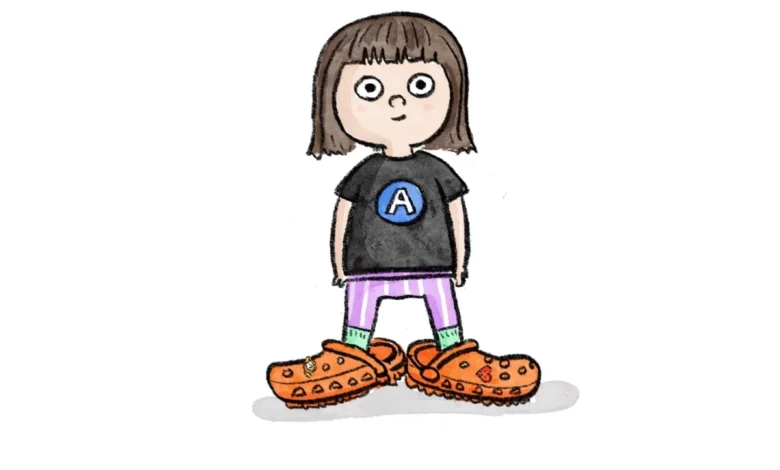
The catalyst for this widespread engagement appears to be artwork by Ruth, described by one commenter as "adorable, funny, and poignant," capable of evoking "all the feels in a good way." While the specific art piece is not detailed, its themes evidently resonated with a diverse audience, prompting an outpouring of reflections on the virtues of patience, relinquishing control, and the long-term benefits of allowing individuals to "do it" themselves. The timing of the comments, clustered at the end of June 2026, indicates a fresh and active engagement with these ideas, suggesting a contemporary relevance that transcends individual experiences.
The core of the conversation revolves around the inherent tension between a caregiver’s natural instinct to alleviate immediate discomfort or inefficiency and the developmental imperative for individuals to grapple with challenges. This tension, it was noted, applies not only to young children mastering basic tasks but also extends to navigating complex social interactions, academic hurdles, and even the challenges faced by adults in various life stages, including elder care.
Empathy as a Cornerstone of Non-Intervention
Several contributors highlighted the transformative power of empathy in guiding their approach. One parent shared a "pro tip" gleaned from years of experience: performing everyday tasks like brushing teeth or whisking eggs with their non-dominant hand. This simple exercise served as a powerful reminder of how difficult seemingly simple actions can be for a developing child, fostering a deeper understanding and patience. Another echoed this sentiment, recounting how learning to play the ukulele gave them "so much empathy" for their children struggling with piano practice, realizing the immense coordination required for new skills.
This experiential empathy forms a critical psychological bridge, allowing caregivers to reframe a child’s "slowness" or "ineptitude" not as defiance or failure, but as an authentic developmental process. It underscores the principle that true assistance often comes not from doing for someone, but from creating an environment where they can learn to do for themselves.
Developmental Psychology: The Science Behind the Struggle
The insights shared within the online forum are strongly supported by principles of developmental psychology and educational theory. Experts in these fields consistently emphasize the critical role of "productive struggle" in cognitive and emotional growth. Jean Piaget’s theories on cognitive development, for instance, highlight how children actively construct their understanding of the world through interaction with their environment. When adults constantly intervene, they inadvertently deprive children of these crucial opportunities for active construction and problem-solving.
Similarly, Lev Vygotsky’s concept of the "Zone of Proximal Development" (ZPD) posits that children learn best when they are challenged with tasks slightly beyond their current independent capabilities, but achievable with guidance. However, Vygotsky’s "scaffolding" is about providing just enough support to enable the learner to complete the task, not to complete the task for them. The comments reflect a collective striving to find this optimal level of scaffolding.
A pediatric occupational therapist, participating in the discussion, quoted Jean Ayres, the developer of sensory integration therapy: "If you can solve a problem with your body, you can solve a problem with your mind." This statement powerfully encapsulates the interconnectedness of physical and cognitive development. Mastering physical tasks, from tying shoes to learning to ride a bike, builds neural pathways and problem-solving strategies that transfer to intellectual and emotional challenges. The pride evident on a child’s face upon finally achieving a goal independently, as noted by one participant, is not merely emotional satisfaction; it is a critical reinforcement of self-efficacy and internal motivation.
The "Do For" Culture and Its Implications
Several commenters lamented what they perceived as a prevalent "do for" culture, driven by a societal increasing need for "quick fixes and frictionless existence." A professional working in child behavior pointed out that this culture contributes to low frustration tolerance and poor problem-solving skills in young people. This observation is corroborated by contemporary research. Studies on "helicopter parenting" and "lawnmower parenting" (where parents actively remove obstacles from a child’s path) have linked these styles to increased anxiety, depression, and reduced resilience in adolescents and young adults. For example, a 2019 study published in the Journal of Child and Family Studies found that excessive parental over-involvement was associated with lower levels of self-efficacy and higher levels of anxiety in college students.
The immediate gratification sought by both children and parents in a fast-paced world often comes at the expense of developing crucial coping mechanisms. When children are consistently shielded from the discomfort of struggle, they fail to develop the internal resources needed to navigate future adversities. This manifests not only in academic settings but also in social interactions and the ability to adapt to new environments.
A Lifelong Exercise in Relinquishing Control
The discussion emphasized that the challenge of non-intervention is not confined to early childhood. One participant humorously noted that training oneself to allow a toddler to tie their own shoes serves as "a great proving ground for future driving lessons! [gulp.]" This progression from basic motor skills to complex decision-making highlights the continuous nature of this parenting paradox. Parents of older children (10, 14, and even 16-year-olds) affirmed that the "urge to jump in and facilitate the challenges persists," even as their children become more capable. The lesson, they stressed, is that "growth is what happens when we work through the discomfort of a challenge and stay persistent."
The wisdom extended even further, reaching into the realm of adult relationships and elder care. One poignant comment related the principles of allowing struggle to the experience of helping a mother navigate dementia. The commenter observed that "Children and folks with poor health certainly deserve their dignity, but it can feel tough to slow down and let them have it." This parallel underscores a universal human need for autonomy and dignity, irrespective of age or cognitive ability. It highlights that the instinct to "help" can sometimes inadvertently strip individuals of their agency, even when well-intentioned. The sentiment, "What I wouldn’t give to have more moments to be patient with my mom," speaks volumes about the emotional toll of these caregiving dilemmas.
The Sweet Fruit of Bitter Roots
The overarching sentiment conveyed through the collective comments is that while the process of stepping back can be "incredibly humbling" and requires immense patience, the rewards are profound. As one thoughtful contributor articulated, "The roots are bitter but the fruit is sweet." By tolerating discomfort and allowing children (or others) to find their own solutions, caregivers indirectly foster essential traits like patience, problem-solving, and a clearer understanding of what is within one’s control.
The ultimate goal, as many implicitly or explicitly stated, is to cultivate independent, capable individuals. The "I do it!" cry of a triumphant child is not merely an expression of will but a declaration of burgeoning self-reliance. From the achievement of potty training – a milestone one parent hoped would warrant a commemorative plaque after "a rough few months" – to the complex coordination of learning an instrument, each self-directed accomplishment builds a foundation of confidence and competence.
Broader Implications and Practical Approaches
The widespread resonance of this discussion suggests a societal yearning for more mindful approaches to nurturing growth. It implies a recognition that an over-reliance on immediate intervention, while seemingly efficient in the short term, can have detrimental long-term consequences for individual development and societal well-being.
Educators and psychologists increasingly advocate for strategies that encourage independence:
- Creating "Practice Zones": As one commenter suggested, designate times when children can "practice" new skills without the pressure of a hurried schedule. This low-stakes environment reduces anxiety and allows for iterative learning.
- "Done is Better Than Perfect": This mantra, shared by a participant navigating challenges with grown family and coworkers, applies universally. Prioritizing completion and effort over flawless execution encourages initiative and reduces the fear of failure.
- Modeling Patience: Children learn by observing. When caregivers demonstrate patience in their own struggles and allow children to struggle, they implicitly teach the value of persistence.
- Strategic Questioning: Instead of providing solutions, asking questions like "What do you think you could try next?" or "How could you approach this differently?" empowers children to develop their own problem-solving strategies.
- Celebrating Effort, Not Just Outcome: Acknowledging the hard work and persistence, regardless of immediate success, reinforces a growth mindset.
The online forum, sparked by Ruth’s artwork, serves as a powerful testament to an evolving understanding of human development. It champions a philosophy where the most profound help often comes from the courage to allow struggle, trusting in the inherent capability of individuals to learn, adapt, and ultimately thrive through their own efforts. This collective wisdom, shared in 2026, reinforces a timeless truth: true strength is forged not in the absence of challenges, but in the unwavering commitment to overcome them.