Innovations in Fusion Gastronomy: The Rise of Smash Chicken Caesar Tacos in Contemporary Home Cooking

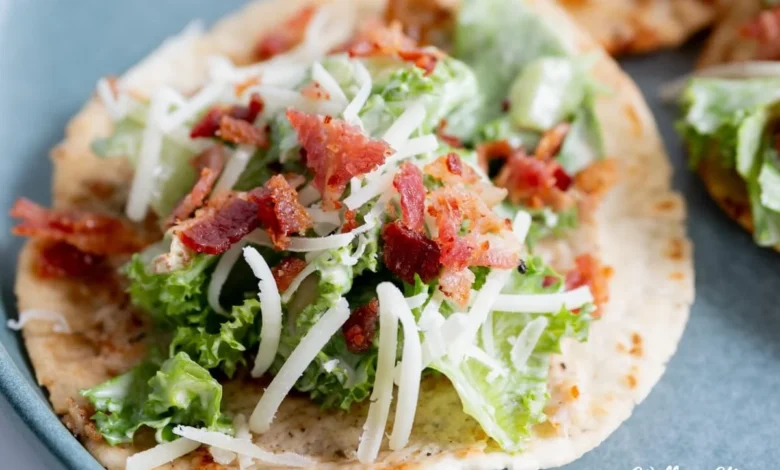
The culinary landscape of the early 21st century is increasingly defined by the intersection of traditional flavor profiles and innovative preparation techniques, a trend exemplified by the emergence of the Smash Chicken Caesar Taco. This dish represents a sophisticated synthesis of the classic Italian-American Caesar salad, originally attributed to restaurateur Cesare Cardini in 1924, and the modern "smash" cooking technique that has recently migrated from the burger industry to the taco format. By integrating high-protein poultry, nutrient-dense vegetables, and healthy lipid sources, this culinary development addresses a growing consumer demand for meals that are simultaneously time-efficient, nutritionally balanced, and sensorially complex.
The Historical Evolution of the Component Flavors
To understand the significance of the Smash Chicken Caesar Taco, one must first examine its genealogical roots in culinary history. The Caesar salad, the primary flavor inspiration for this dish, was born of necessity in Tijuana, Mexico. According to culinary historians, Cardini created the salad during a busy Fourth of July weekend when kitchen supplies were depleted. The original recipe—comprising romaine lettuce, garlic, croutons, Parmesan cheese, boiled eggs, olive oil, and Worcestershire sauce—was designed to be assembled tableside, emphasizing freshness and emulsion-based textures.
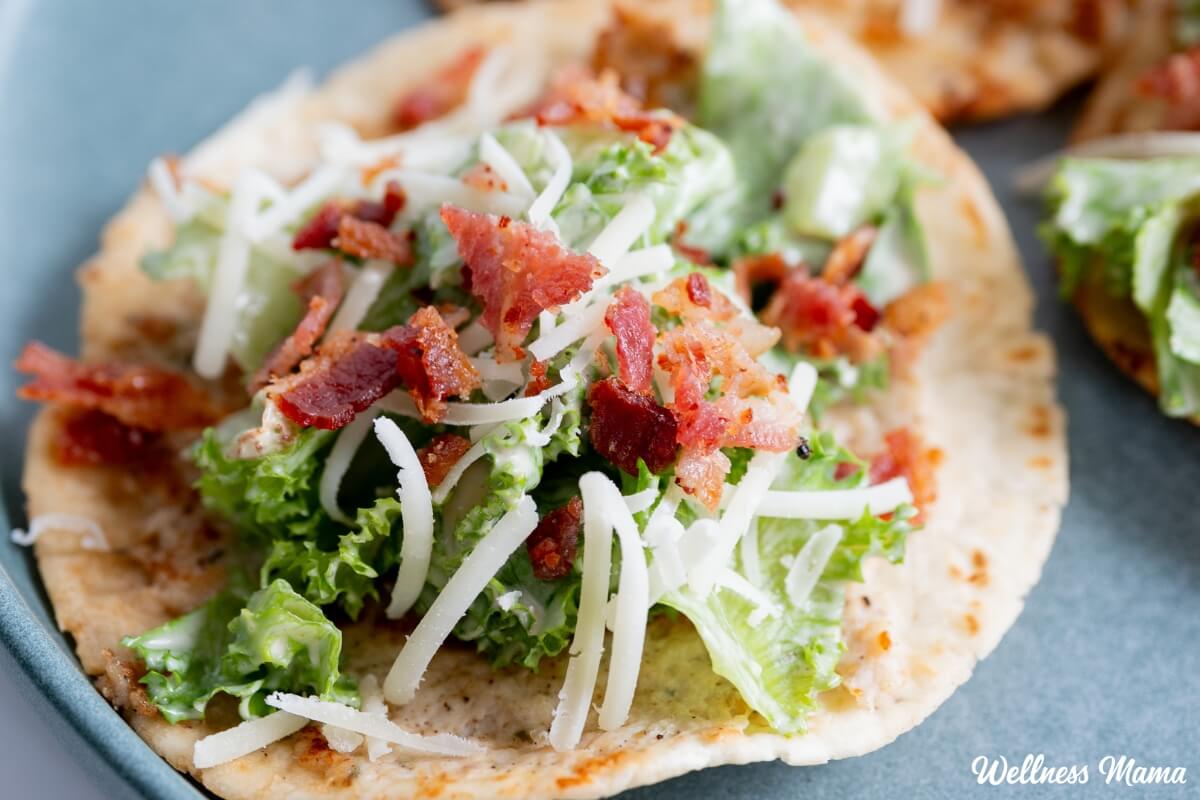
Over the subsequent century, the Caesar profile evolved. The introduction of anchovies, though disputed by the Cardini family, became a hallmark of the "modern" Caesar, providing a deep umami base that complements the acidity of lemon and the sharpness of garlic. In the contemporary iteration of the Smash Chicken Caesar Taco, this profile is adapted to a portable, handheld format, replacing the traditional crouton with a seared tortilla and the loose lettuce with a structured assembly that maintains integrity during consumption.
The "smash" technique, conversely, finds its origins in the American diners of the mid-20th century. Originally applied to ground beef to maximize the Maillard reaction—a chemical reaction between amino acids and reducing sugars that gives browned food its distinctive flavor—the technique involves pressing the protein firmly against a hot cooking surface. In the context of the chicken taco, this method ensures that the seasoned meat adheres to the tortilla, creating a unified structure that provides a textural contrast between the soft interior and the crispy, golden-brown exterior.
Nutritional Composition and Quantitative Data
From a dietary science perspective, the Smash Chicken Caesar Taco offers a robust nutritional profile tailored to modern health standards. A quantitative analysis of a standard serving (one taco) reveals a complex distribution of macronutrients and micronutrients:
- Caloric Density: 475 calories
- Protein Content: 19 grams (38% of the Daily Value)
- Lipid Profile: 36 grams of total fat, with a significant emphasis on monounsaturated and polyunsaturated fats (9g and 16g, respectively).
- Micronutrient Density: A notable 7,935 IU of Vitamin A (159% of the Daily Value) and 190mg of Calcium (19% of the Daily Value).
- Fiber and Carbohydrates: 20 grams of carbohydrates with 3 grams of dietary fiber.
The high Vitamin A content is primarily derived from the use of fresh romaine lettuce, while the protein efficiency is bolstered by the use of lean chicken breast or thigh meat. The lipid profile is largely influenced by the choice of emulsifiers in the dressing, such as avocado oil-based mayonnaise and Greek yogurt, which serve as functional alternatives to traditional high-saturated-fat ingredients.
The Technical Execution of the "Smash" Method
The preparation of the Smash Chicken Caesar Taco requires a specific sequence of technical steps to ensure structural success. The process begins with the preparation of a seasoned chicken mixture, typically enhanced with a blend of Italian seasoning, lemon pepper, dehydrated garlic, and onion. This mixture is not merely placed inside a shell but is "smashed" directly onto a flour or grain-free tortilla (such as almond or cassava flour).
The application of heat to the tortilla-chicken interface serves two purposes. First, it facilitates the aforementioned Maillard reaction on the surface of the meat. Second, it creates a physical bond between the protein and the starch, preventing the ingredients from separating during the assembly of the salad components. Culinary experts recommend the use of smaller tortillas to facilitate the flipping process, as the structural integrity of the "smash" is dependent on even heat distribution and manageable surface area.
Chemical Emulsification: The Caesar Dressing
The centerpiece of the dish’s flavor architecture is the Caesar dressing. Unlike mass-produced bottled dressings, the artisanal approach utilized in this recipe relies on a combination of mayonnaise—often sourced from avocado oil to avoid highly processed seed oils—and yogurt. The inclusion of anchovy paste and Worcestershire sauce provides the necessary fermented complexity, while lemon juice acts as a bright acidulant to cut through the richness of the fats.
The chemistry of the dressing is vital; the emulsion must be stable enough to coat the romaine lettuce without causing it to wilt prematurely. The addition of Parmesan cheese further stabilizes the mixture while contributing to the overall protein count and providing a salty, crystalline texture. Analysts in the food industry note that the trend toward "clean label" dressings—those free from artificial preservatives and thickeners—is a significant driver in the popularity of home-assembled fusion dishes like these tacos.
Market Trends and Consumer Behavior
The rise of the Smash Chicken Caesar Taco is reflective of broader shifts in the global food market. There is an increasing movement toward "meal prepping"—the practice of preparing components of meals in advance to ensure dietary compliance during busy work weeks. The chicken mixture and the dressing for this dish are particularly well-suited for this, as the flavors of the dressing tend to meld and deepen after a period of refrigeration.
Furthermore, the choice of ingredients highlights the growing influence of health-conscious retail platforms. The use of organic flour tortillas and specialized condiments from providers such as Primal Kitchen or Thrive Market indicates a consumer base that is willing to invest in higher-quality raw materials to avoid inflammatory ingredients. This "wellness-centric" approach to traditional comfort food is a hallmark of the modern home kitchen, particularly among families with multiple children where efficiency and nutrition are equally prioritized.
Social and Familial Implications
Beyond the nutritional and technical aspects, the Smash Chicken Caesar Taco serves as a case study in familial meal dynamics. The dish’s high "palatability score" among children and adolescents suggests that fusion cooking can be an effective tool for introducing diverse vegetables and proteins into the diets of younger demographics. By presenting familiar salad flavors in a "taco" format—a category of food often associated with high engagement and customization—caregivers can successfully navigate the challenges of picky eating.
The adaptability of the recipe also allows for dietary inclusivity. The substitution of traditional wheat tortillas with cassava or almond flour variants makes the dish accessible to those with gluten sensitivities or those following ketogenic and paleo-style diets. This flexibility is a critical component of its widespread adoption in the "wellness" community.
Conclusion and Broader Impact
The Smash Chicken Caesar Taco is more than a viral culinary trend; it is a manifestation of the evolution of the American palate. It represents a move away from compartmentalized eating—where a "protein," a "starch," and a "salad" occupy separate spaces on a plate—toward a more integrated, flavor-dense experience.
As home cooks continue to experiment with the "smash" technique and fusion profiles, we can expect to see further iterations of classic dishes. The success of this specific recipe, backed by its strong nutritional data and ease of preparation, underscores a permanent shift in how families approach weeknight dining. In an era where time is a premium commodity and health is a primary concern, the Smash Chicken Caesar Taco stands as a definitive example of functional, modern gastronomy. The synthesis of a 100-year-old salad recipe with a mid-century searing technique and 21st-century health standards provides a blueprint for the future of domestic culinary innovation.