Navigating Teen Piercing Requests: A Comprehensive Guide to Parental Response, Readiness, and Risk Assessment

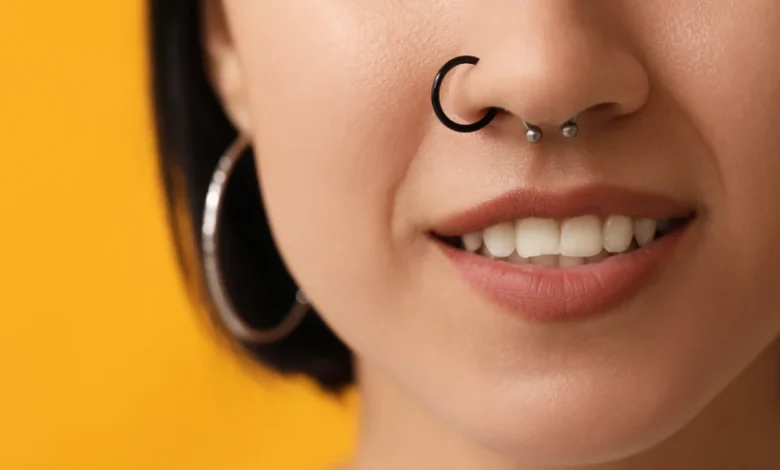
When a teenager approaches their parents with a request for a body piercing, the immediate parental reaction can significantly shape the subsequent dialogue and the overall outcome. Before evaluating the request itself, it is crucial for parents to consider how they respond in that initial moment, as this sets the tone for a discussion that aims not to win an argument, but to foster open communication and guide a young person toward thoughtful decision-making. The goal is to raise capable individuals who can increasingly make informed choices, and who feel comfortable continuing to engage with their parents throughout this learning process.
The landscape of body modification among adolescents has evolved considerably, moving from niche subcultures to a more mainstream form of self-expression. Piercings, once associated with rebellion, are now widely accepted in many social circles, yet they still carry implications for health, personal responsibility, and future prospects. For parents, this presents a complex challenge that requires a nuanced understanding of adolescent development, medical considerations, and effective communication strategies.
Understanding Adolescent Motivation and the Cultural Context
Teenagers often seek body piercings as a means of self-expression, identity formation, and to exert autonomy over their own bodies. In a period marked by significant physical and emotional changes, body modification can provide a sense of control and individuality. Peer influence also plays a considerable role, with trends in celebrity culture and social media frequently showcasing various types of piercings, making them appear desirable and fashionable. For some, it may also be a way to test boundaries, signal belonging to a certain group, or simply explore their aesthetic preferences.
Historically, body piercing has deep roots in various cultures worldwide, serving spiritual, ritualistic, and beautification purposes. In modern Western societies, its popularity surged in the late 20th century and has continued to diversify. Today, a wide array of piercing types exists, each carrying different levels of social acceptance and health implications, from the relatively common earlobe piercing to more intricate and high-risk dermal or oral piercings. This cultural shift necessitates that parents approach these requests with an understanding of both the teen’s personal drive and the broader societal context.
The Critical Initial Parental Response
The first reaction from a parent can either shut down communication or open the door for a productive conversation. An immediate, dismissive "no" can lead to feelings of invalidation, resentment, and potentially encourage the teen to seek the piercing secretly, often under unsafe conditions. Conversely, an immediate "yes" without due consideration can overlook important health and maturity factors.
A more effective initial response involves active listening and validation. Parents might say, "That’s an interesting idea. Tell me more about why you’re interested in that," or "I want to hear all about it and understand what you’re thinking." This approach signals respect for the teen’s feelings and thoughts, reinforcing the parent-child bond and creating a safe space for honest dialogue. It also provides an opportunity for the parent to gather information, understand the teen’s motivations, and begin assessing their level of readiness.
Readiness: Beyond Just Age
One of the most significant takeaways for parents is that readiness for a piercing depends more on the specific piercing’s risk level and a teenager’s demonstrated maturity than on a particular birthday. While age is part of the picture, it is not the whole picture. The American Academy of Pediatrics (AAP) broadly advises that the primary consideration for ear piercing should be whether the child is mature enough to care for the site, rather than naming a universal age. This guidance reflects a pragmatic approach that acknowledges individual differences in development.
For instance, a 13-year-old with a strong track record of personal hygiene, responsibility, and an understanding of potential consequences may be more ready for a simple earlobe piercing than a 16-year-old who still requires regular reminders for basic self-care, like showering or brushing their teeth. Maturity encompasses a teen’s ability to understand and commit to the rigorous aftercare necessary for a piercing to heal properly and avoid complications. It also involves their capacity to make informed decisions, weigh risks, and communicate openly about any issues that may arise.
Assessing Specific Piercing Types and Associated Risks
Not all piercings are created equal in terms of risk and aftercare requirements. Parents must educate themselves on the different types of piercings and their associated health implications.
-
Earlobe Piercings: Generally considered the safest and most common. They typically have simpler aftercare routines and lower complication rates compared to other body modifications. However, "safer" does not mean risk-free; infection remains a possibility, and allergic reactions to jewelry materials (e.g., nickel) can occur. Healing time is usually 6-8 weeks.
-
Cartilage Piercings (Helix, Tragus, Rook, Daith, Industrial): These piercings involve the cartilage of the ear, which has a less robust blood supply than the earlobe. Consequently, they carry a higher risk of infection, keloid scarring, and prolonged healing times (often 6-12 months, sometimes longer). Infections in cartilage can be more severe and difficult to treat, potentially leading to permanent disfigurement.
-
Facial Piercings (Nose, Eyebrow, Lip): These piercings are more visible and carry risks such as infection, nerve damage, scarring, and migration. Lip and labret piercings can also lead to dental problems, including gum recession, chipped teeth, and enamel erosion, due to constant friction with jewelry. Healing times vary but can range from 2-4 months.
-
Oral Piercings (Tongue, Frenum): These are among the highest-risk piercings. The mouth is home to numerous bacteria, making oral piercings highly susceptible to infection, including potentially life-threatening conditions like endocarditis. Other risks include nerve damage, prolonged bleeding, swelling that can obstruct airways, speech impediments, and significant dental damage. Healing is typically 4-6 weeks, but long-term oral health risks persist.
-
Dermal Piercings (Surface Anchors): Unlike traditional piercings that pass through a body part, dermal piercings involve a single point of entry and exit, with an anchor placed underneath the skin to hold the jewelry in place. Because they sit under the skin in areas that often get bumped or handled (like the hands, chest, or face), they carry a significantly higher risk of migration (the body pushing the jewelry out), rejection (the body completely expelling the jewelry), scarring, and tissue damage. They also tend to be more challenging to remove, often requiring a medical professional. Healing can take several months to a year.
-
Genital Piercings: These piercings are associated with very high risks of infection, nerve damage, bleeding, and potential interference with sexual function. Given the sensitive nature and the specific health implications, these are rarely considered appropriate for minors.
Hygiene and Aftercare: A Critical Factor
Regardless of the piercing type, stringent aftercare is paramount for proper healing and to prevent complications. This typically involves regular cleaning with a saline solution, avoiding touching the piercing with unwashed hands, refraining from swimming in public pools, and protecting the site from trauma. A teen’s proven ability to adhere to daily hygiene routines, manage minor wounds, and follow instructions diligently is a strong indicator of their readiness. Conversely, a history of neglecting personal care or struggling with medication adherence suggests they may not be prepared for the commitment required for a new piercing.
Medical and Professional Guidelines
Medical professionals, including pediatricians and dermatologists, often caution against piercings, especially those in cartilage or oral areas, due to the elevated risk of complications. The AAP emphasizes the importance of ensuring that any piercing is performed in a sterile environment by a trained professional using appropriate equipment and jewelry. They highlight that infections, allergic reactions (particularly to nickel), and scarring are significant concerns. Serious infections can lead to abscesses, cellulitis, or even systemic infections requiring hospitalization.
When considering a piercing, parents should insist on a licensed, reputable piercing studio that adheres to strict health and safety regulations. Key indicators of a safe studio include:
- Sterilization: Use of an autoclave for all reusable equipment, and single-use, pre-sterilized needles.
- Jewelry Quality: Use of hypoallergenic, implant-grade materials such as surgical stainless steel, titanium, or niobium.
- Professionalism: Knowledgeable piercers who can explain the procedure, aftercare, and potential risks clearly.
- Licensing: Display of all necessary permits and licenses from local health authorities.
Legal Considerations and Age Restrictions
Legal frameworks regarding body piercing for minors vary significantly by jurisdiction. Many states and countries have laws that require parental consent for minors to receive any piercing, and some impose age restrictions for specific types of piercings (e.g., oral or genital piercings might have higher age limits, even with parental consent). Parents should research local regulations thoroughly to ensure any decision is made within legal boundaries. These laws are often in place to protect minors from making irreversible decisions without mature consideration and to ensure their health and safety.
Navigating the Conversation: Building Trust and Autonomy
The ultimate goal for parents is to foster a relationship where their teen feels empowered to make increasingly thoughtful decisions while maintaining an open channel of communication. When a piercing request arises, parents can leverage it as an opportunity for guided decision-making.
- Research Together: Parents and teens can jointly research the desired piercing, including its risks, aftercare, and the reputation of local studios. This collaborative approach educates both parties and demonstrates a willingness to consider the teen’s perspective.
- Establish Conditions: If the teen is not immediately ready, parents can set clear conditions. For example, "If you can consistently manage your responsibilities and demonstrate strong hygiene habits for the next X months, we can revisit this conversation."
- Explore Alternatives: Suggesting a less risky piercing first, such as an additional earlobe piercing, can be a compromise that allows for self-expression while gauging the teen’s commitment to aftercare.
- Discuss Financial Responsibility: Involving the teen in the financial aspect of the piercing (cost of the piercing, jewelry, and any potential medical care for complications) can further underscore the responsibility involved.
- Address Long-Term Implications: Discussing the potential impact of a visible piercing on future employment opportunities or societal perceptions can help teens consider the broader consequences of their choices.
Societal Perceptions and Long-Term Implications
While body piercings are more accepted than in previous decades, visible piercings, particularly in professional environments, can still lead to unconscious bias. Teens should be aware that certain careers or industries may have dress codes or expectations that conflict with visible body modifications. Furthermore, personal tastes can change over time. A piercing that seems desirable at 16 might be regretted at 25 or 30. While some piercings can be removed, they may leave permanent scars or marks, highlighting the irreversible nature of some modifications.
Conclusion: Fostering Responsible Decision-Making
Ultimately, responding to a teen’s piercing request is not merely about granting or denying permission; it is a critical opportunity to guide them through a process of responsible decision-making. By prioritizing open communication, assessing readiness based on maturity and responsibility rather than just age, thoroughly understanding the health risks, and adhering to professional safety standards, parents can empower their teens to make choices that are both expressive and well-considered. The dialogue itself, focused on mutual respect and education, is often more valuable than the immediate outcome, as it strengthens the foundation for future discussions on autonomy and personal responsibility.