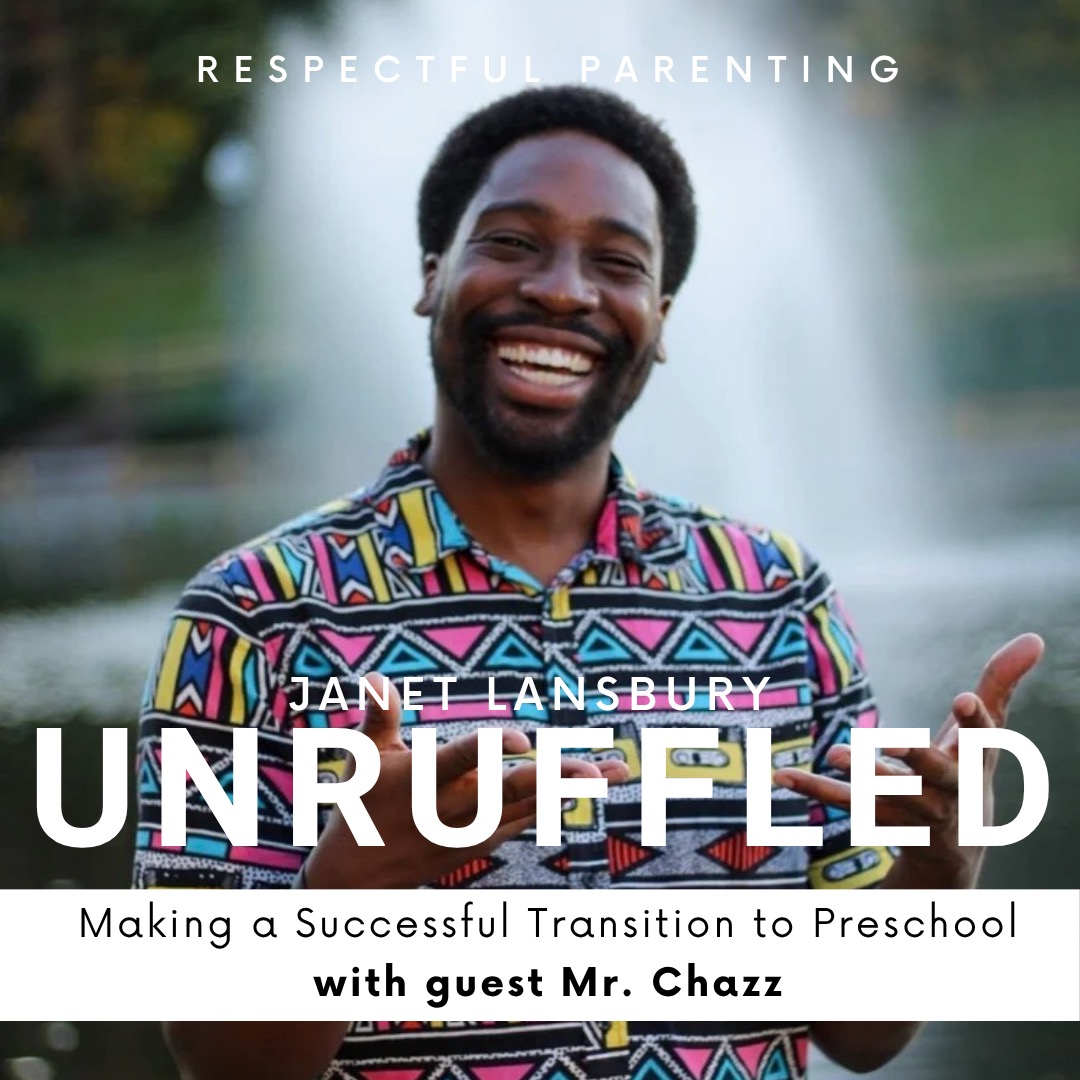
In a timely discussion published on October 5, 2025, renowned parenting expert Janet Lansbury hosted early childhood educator Mr. Chazz (Chazz Lewis) on her "Unruffled" podcast to delve into strategies for fostering successful transitions for children entering new preschool or childcare environments. The conversation underscored the critical role of trust, connection, and emotional understanding in ensuring both children and parents navigate these significant developmental milestones with confidence and security. Mr. Chazz, widely recognized as "America’s Favorite Teacher," shared insights from his extensive experience and his pioneering new childcare center, Birdhouse, located in Brooklyn, New York.
The Landscape of Early Childhood Transitions
The period of transitioning into preschool or a new childcare setting is a pivotal moment for many families, often fraught with emotional complexities for both children and caregivers. Millions of children across the globe enter formal childcare annually, with statistics consistently highlighting the profound impact of early experiences on long-term development. According to the National Association for the Education of Young Children (NAEYC), a smooth transition can significantly reduce anxiety, build self-esteem, and establish a positive foundation for a child’s educational journey. Conversely, poorly managed transitions can lead to increased stress, behavioral challenges, and difficulties in forming new attachments.
Janet Lansbury, known for her RIE® (Resources for Infant Educarers) approach emphasizing respect and trust in children’s innate abilities, set the stage by acknowledging the common anxieties surrounding these transitions. She highlighted Mr. Chazz’s unique ability to connect with both children and adults, a trait that has garnered him a massive following on social media platforms like TikTok and Instagram, and through his own podcast, "Learning Curve with Mr. Chazz." His philosophy, deeply rooted in understanding child psychology and motivation, makes him a sought-after voice in the early childhood education community.
Birdhouse: A Model for Child-Centered Care
At the heart of Mr. Chazz’s innovative approach is his newly established learning and childcare center, Birdhouse. This venture, described by Lansbury as a potential model for the future of early childhood education, was designed specifically to address the shortcomings Mr. Chazz observed in traditional childcare settings. He noted that approximately 99% of existing facilities prioritize adult convenience over the emotional and developmental needs of children, teachers, and families during transitions.
A cornerstone of the Birdhouse model is its radical approach to teacher well-being. Recognizing that caregivers cannot effectively nurture children if their own basic needs are unmet, Mr. Chazz implemented a unique living arrangement where the head teacher resides upstairs in the school building. This eliminates rent expenses, a significant financial burden for educators, and allows teachers to operate from a place of security rather than a "survival state." Lansbury commended this initiative, noting its potential to combat the high turnover rates prevalent in the early childhood education sector, which often disrupt consistency for children and families. Studies from organizations like the Center for the Study of Child Care Employment (CSCCE) frequently point to low wages and lack of benefits as primary drivers of teacher attrition, underscoring the innovative nature of Birdhouse’s commitment to its staff. By investing in teacher stability and well-being, Birdhouse aims to cultivate a dedicated, consistent, and emotionally available teaching staff, directly benefiting the children in their care.
Redefining Arrival and Reunion: Beyond "Drop-Off"
Mr. Chazz’s philosophy extends profoundly to the daily rituals of entering and leaving the childcare environment. He advocates for a fundamental shift in language and practice, replacing the transactional terms "drop-off" and "pick-up" with "arrival" and "reunion." This semantic change reflects a deeper commitment to honoring the emotional weight of separation and connection.
At Birdhouse, arrival is a deliberate, integrated process. Parents are encouraged to stay for a period, helping their children with tasks like handwashing and engaging in moments of genuine connection. This extended arrival time, though seemingly longer than a quick "dart out the door," is designed to facilitate a smoother transition into the classroom, allowing children to feel safe, connected, and ready to engage in play and learning. The process is supported by visual routine cards, featuring pictures of each step: greeting Mr. Chazz or a safekeeper, putting belongings in a cubby, removing shoes, and washing hands. These visual aids empower children by providing predictability and a sense of agency, reducing anxiety associated with the unknown.
Before a parent departs, a moment of individualized connection—be it a hug, a special game, or a fist bump—is actively encouraged. Parents are also invited to stay for "circle time," further integrating them into the school community and allowing children to gradually acclimate. The departure is then marked by a specific "goodbye song" for parents, creating a clear, comforting ritual.
Crucially, Birdhouse offers pre-enrollment opportunities for children and parents to visit the center one to two weeks in advance. During these visits, families can participate in arrival routines and circle time, allowing children to form initial connections with the "safekeepers" (teachers) and familiarize themselves with the space. This proactive approach builds a foundation of trust, ensuring that if a child experiences emotional distress upon separation, they have established relationships with safe adults who can provide comfort and support. This aligns with attachment theory, which posits that secure attachments with secondary caregivers can buffer the stress of separation from primary caregivers.
Navigating Challenges: Emotions as Learning Opportunities
The discussion also addressed the inevitable emotional challenges that arise during transitions, particularly when children cry upon a parent’s departure. Mr. Chazz and Lansbury emphasized that such moments, while difficult, are not failures but powerful learning opportunities. Mr. Chazz recounted a specific instance where a child cried throughout circle time after their parent left. Instead of ignoring or shaming the child, the safekeepers acknowledged his sadness, explaining to the other children that he was missing his mom. The class then collectively took deep breaths, sending "loving energy" to the upset child.
This approach demonstrates several key principles:
- Validation of Emotions: Acknowledging and naming a child’s feelings (e.g., "He’s feeling sad because he’s really wanting his mom") validates their experience without judgment.
- Co-Regulation: The presence of a calm, available safekeeper, even without immediate physical comfort if unwanted, helps the child to eventually co-regulate their emotions.
- Peer Learning: Other children learn empathy and self-regulation skills by witnessing and participating in a supportive response to a peer’s distress.
- Parental Guidance: The episode implicitly educates parents on how to respond to strong emotions, encouraging them to view crying not as a problem to be fixed but as a natural process of emotional release and healing.
Lansbury further elaborated on the tendency of adults to "fix" children’s emotions, often underestimating children’s capacity to process feelings. She highlighted the profound peace a child experiences after being allowed to fully express their sadness, emphasizing that it’s a "healing" process rather than a sign of weakness. Both experts stressed that a child’s distress is not the parent’s fault but often a necessary release of accumulated feelings or fatigue.
Practical Advice for All Settings
While Birdhouse offers an idealized model, Mr. Chazz provided actionable advice for parents navigating more traditional childcare settings:
- Visual Routines at Home: Create simple visual routine cards for the transition process, practicing each step through play. This provides predictability and reduces friction.
- Pre-Visits (If Possible): Inquire if the center allows pre-visits for the child to familiarize themselves with the space and teachers.
- Role-Playing: Engage in role-playing games at home, simulating the arrival, activities, and departure from school. This allows children to process potential anxieties and express feelings in a safe environment.
- Communicate with Teachers: Provide detailed information about your child’s preferences, routines (especially for naptime), and any comfort items. Teachers, particularly in the initial month, are actively learning each child’s unique "codes."
- Manage Expectations: Understand that teachers are managing multiple children and it takes time to become fully attuned to each one.
- Trust the Process: Maintain the belief that your child can handle the separation, knowing that supportive teachers are there to provide a "safe place to land."
Broader Impact and Implications
The conversation between Janet Lansbury and Mr. Chazz transcends individual advice, offering a compelling critique and potential roadmap for the early childhood education sector. By prioritizing teacher well-being and child-centered transitions, the Birdhouse model challenges conventional practices that often inadvertently create stress for children and educators alike.
The implications of adopting such approaches are far-reaching:
- Improved Child Outcomes: Children who experience secure and emotionally supported transitions are more likely to develop a positive attitude toward school, build strong peer relationships, and develop effective emotional regulation skills.
- Enhanced Teacher Retention and Quality: By valuing and supporting educators, centers can reduce turnover, leading to greater consistency for children and a more experienced, dedicated workforce. This is critical in a field often plagued by underfunding and high burnout rates.
- Empowered Parents: Parents who feel confident in the care their children receive and understand how to support their child’s emotional journey are better equipped to navigate the complexities of modern family life.
- A Shift in Educational Philosophy: The Birdhouse model advocates for a paradigm shift, moving from a focus on administrative convenience to one deeply rooted in respect for children’s emotional lives and the professional needs of their caregivers.
Mr. Chazz’s personal commitment to being in the classroom, despite his widespread speaking engagements, further underscores the profound importance he places on direct engagement with children. He describes it as "going a mile deep" and the most rewarding aspect of his work, a sentiment echoed by Janet Lansbury. This dedication serves as an inspiration for other educators and a powerful reminder of the vital role early childhood professionals play in shaping future generations. The principles discussed in this podcast episode offer invaluable guidance for creating nurturing, supportive, and emotionally intelligent environments for young children embarking on their educational journeys.
Related posts: