The Ultimate Guide to Making Creamy White Bean Soup at Home Without Heavy Cream

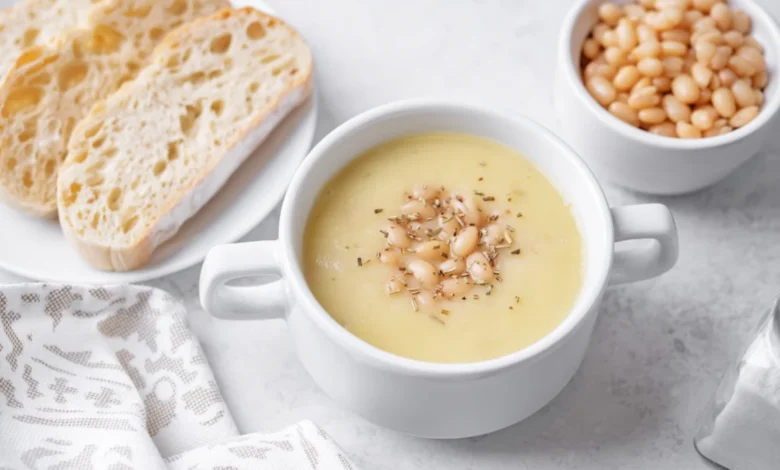
As the autumn and winter seasons bring lower temperatures and shorter days, culinary preferences naturally shift toward warm, comforting, and nutrient-dense meals. Among the most enduring staples of cold-weather cuisine is soup, a category historically celebrated for its versatility, economy, and ability to nourish large groups with minimal effort. In recent years, home cooks and professional nutritionists alike have placed a renewed focus on simple, one-pot dishes that utilize pantry staples without sacrificing flavor or texture. A prime example of this culinary trend is creamy white bean soup, a dish that achieves a velvety, luxurious consistency through a clever culinary technique rather than relying on excessive amounts of heavy dairy.
The growing popularity of plant-forward comfort foods reflects a broader shift in consumer behavior. Modern households increasingly seek out meals that are budget-friendly, easy to prepare on busy weeknights, and adaptable to various dietary restrictions, such as vegetarian, gluten-free, or dairy-free lifestyles. White bean soup satisfies all these criteria, transforming humble ingredients like canned beans, aromatic vegetables, garlic, and broth into a sophisticated and deeply satisfying main course.
Understanding the Culinary Mechanics of Naturally Creamy Soups
Achieving a rich mouthfeel in soup traditionally required heavy cream, butter, or roux-based slurries. However, modern culinary science and nutritional awareness have popularized alternative thickening methods that enhance both health profiles and flavor profiles. In the case of white bean soup, the secret lies in the inherent starch content of the legumes themselves.
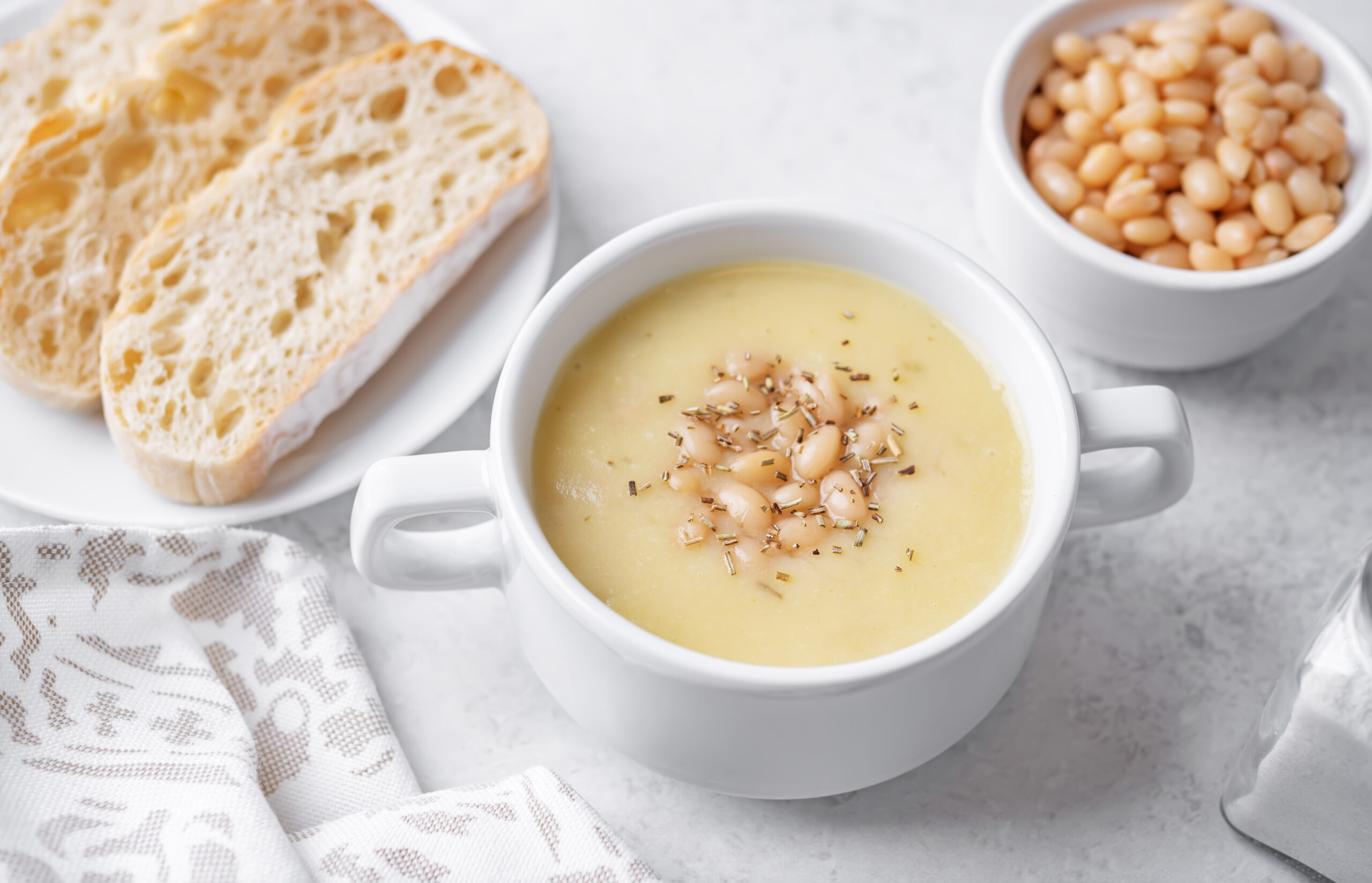
When a portion of the tender white beans is blended with broth and returned to the pot, it creates a naturally emulsified, thick base. This technique coats the palate in a manner similar to heavy cream but leaves the underlying ingredients lighter and more digestible. Furthermore, leaving the remaining beans and vegetables whole provides a contrasting texture that keeps the dish hearty and engaging. According to culinary experts, this method also allows the delicate flavors of garlic, herbs, and olive oil to shine through without being masked by heavy dairy fats.
Selecting the Ideal Legumes for Optimal Texture and Flavor
Not all white beans are created equal, and choosing the right variety can significantly impact the final outcome of the dish. Food historians and agricultural specialists note that white beans—including cannellini, navy, and Great Northern beans—have been cultivated for millennia, serving as vital sources of plant-based protein, dietary fiber, and essential minerals across Mediterranean and European diets.
Cannellini beans are widely regarded as the gold standard for white bean soups. Originating in Italy, these large, kidney-shaped beans feature a tender interior and a nutty, mild flavor profile. They maintain their structural integrity remarkably well during extended simmering periods while still offering a soft texture when pureed.
Alternatively, navy beans provide a smaller profile that breaks down rapidly, yielding an exceptionally smooth broth, whereas Great Northern beans offer a firmer bite that appeals to those who prefer a more robust texture. Regardless of the specific variety selected, utilizing canned beans significantly reduces preparation time, making the recipe accessible to cooks with demanding schedules.
Step-by-Step Methodology for Flavour Development
Creating a complex flavor profile in a soup that relies primarily on pantry staples requires careful attention to culinary fundamentals. Professional chefs emphasize the importance of building layers of flavor sequentially rather than adding all ingredients simultaneously.
The process begins with the foundational aromatic triad: onions, carrots, and celery, commonly known in French cuisine as a mirepoix. Sautéing these vegetables in high-quality extra virgin olive oil over medium heat allows their natural sugars to caramelize slightly, establishing a sweet and savory base. Garlic is subsequently introduced, though culinary protocol dictates a careful approach. Because minced garlic burns easily and turns bitter when exposed to high heat for too long, it is typically added only after the primary vegetables have softened, allowing it to release its aromatic compounds without scorching.
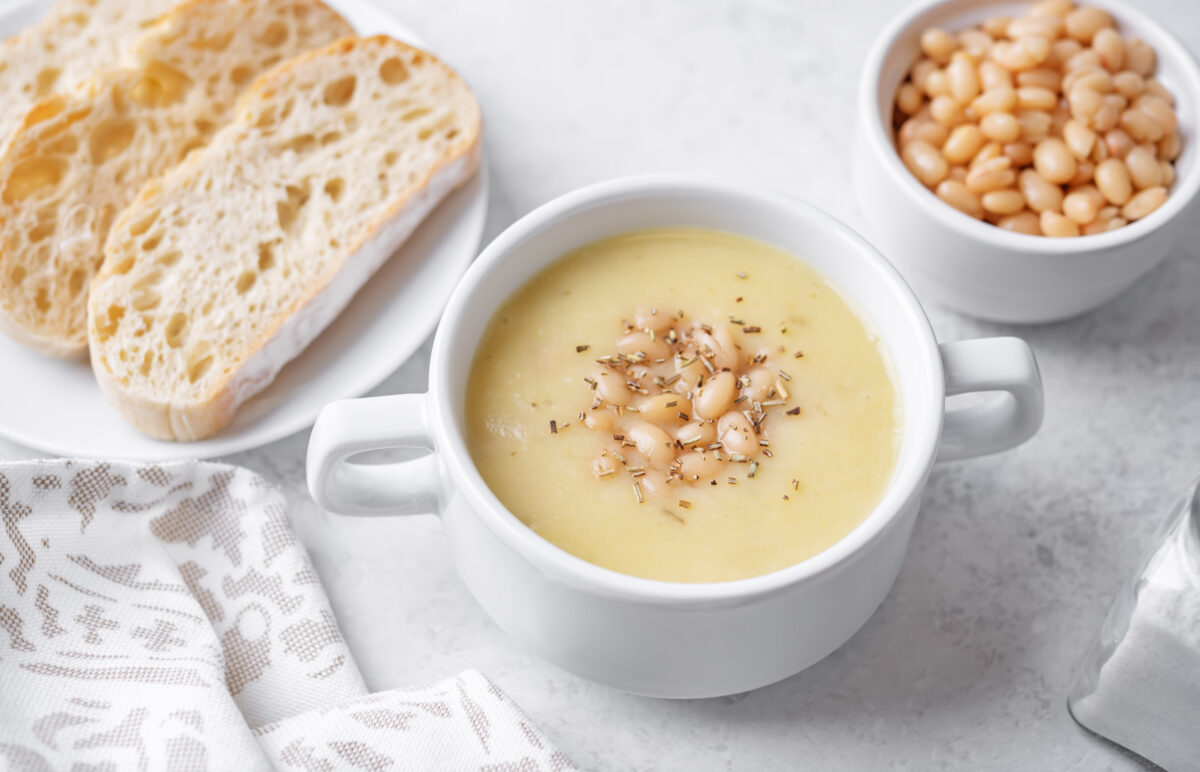
Once the aromatics are prepared, broth and drained, rinsed beans are added to the pot. Rinsing canned beans is an essential step endorsed by culinary dietitians, as it removes excess sodium and the viscous canning liquid, ensuring a clean, vibrant flavor in the final broth. After a thorough simmer to meld the ingredients, a measured portion of the soup is transferred to a blender, pureed until silky, and reintegrated into the pot. A final flourish of half-and-half, freshly grated Parmesan cheese, and a bright squeeze of lemon juice balances the richness with a necessary note of acidity.
Nutritional Implications and Dietary Adaptability
From a nutritional perspective, white bean soup offers substantial health benefits. Legumes are exceptionally rich in complex carbohydrates, soluble fiber, and plant-based protein, making them an excellent choice for cardiovascular health and blood sugar regulation. A single serving provides sustained energy, which explains why bean-based soups have long been recommended by nutritionists for weight management and meal-prep routines.
Moreover, the recipe’s inherent flexibility makes it easily customizable for various dietary needs. For individuals following a strictly dairy-free or vegan diet, the traditional half-and-half and Parmesan cheese can be omitted entirely or replaced with plant-based alternatives such as cashew cream, coconut milk, or nutritional yeast. The natural starch from the blended beans ensures that the soup remains impressively creamy even without animal products.
Protein enhancements represent another avenue of customization. While white beans already supply adequate protein for a vegetarian meal, omnivorous households frequently incorporate shredded rotisserie chicken, sliced turkey sausage, or diced pancetta during the final stages of cooking. Similarly, folding in nutrient-dense greens like baby spinach, lacinato kale, or chopped Swiss chard introduces vibrant color, vitamins A and C, and iron.
Meal Prep, Storage, and Commercial Reheating Guidelines
In the realm of home economics, soups are historically prized for their longevity and resistance to quality degradation over time. White bean soup is particularly well-suited for meal preparation, as the resting period allows the starches, herbs, and aromatics to fully coalesce, often resulting in an even more flavorful dish the following day.
When stored in airtight containers within refrigeration, the soup maintains optimal freshness for up to four days. Food safety authorities advise that cooked dishes should be cooled rapidly before refrigeration to prevent bacterial growth. Because starches continue to absorb liquid over time, reheated portions may require a splash of water, vegetable broth, or milk to restore their original consistency.
Freezing is also a viable option, though dairy products can occasionally separate or curdle when subjected to sub-zero temperatures. Culinary scientists recommend freezing the soup prior to the addition of dairy products. The base can be safely stored in freezer-safe containers for up to three months, then thawed overnight and reheated gently on the stovetop, with the half-and-half, cheese, and lemon juice stirred in just before serving.
Broader Cultural and Economic Impact of Pantry-Centric Cooking
The enduring appeal of dishes like creamy white bean soup highlights a broader cultural appreciation for resourceful, unpretentious cooking. In periods of economic uncertainty or fluctuating food prices, consumers increasingly turn to dried and canned goods as reliable, cost-effective sources of nutrition. This trend has spurred culinary educators and food journalists to promote recipes that maximize flavor through technique rather than expensive specialty ingredients.
Furthermore, the rise of one-pot cooking aligns with contemporary lifestyle demands. As modern families navigate increasingly busy schedules, the appeal of minimizing post-meal cleanup while maximizing nutritional output cannot be overstated. By requiring only a single Dutch oven or soup pot, recipes like this reduce water and energy consumption associated with washing multiple dishes, offering a modest yet meaningful contribution to sustainable household practices.
Conclusion and Future Outlook in Comfort Food Trends
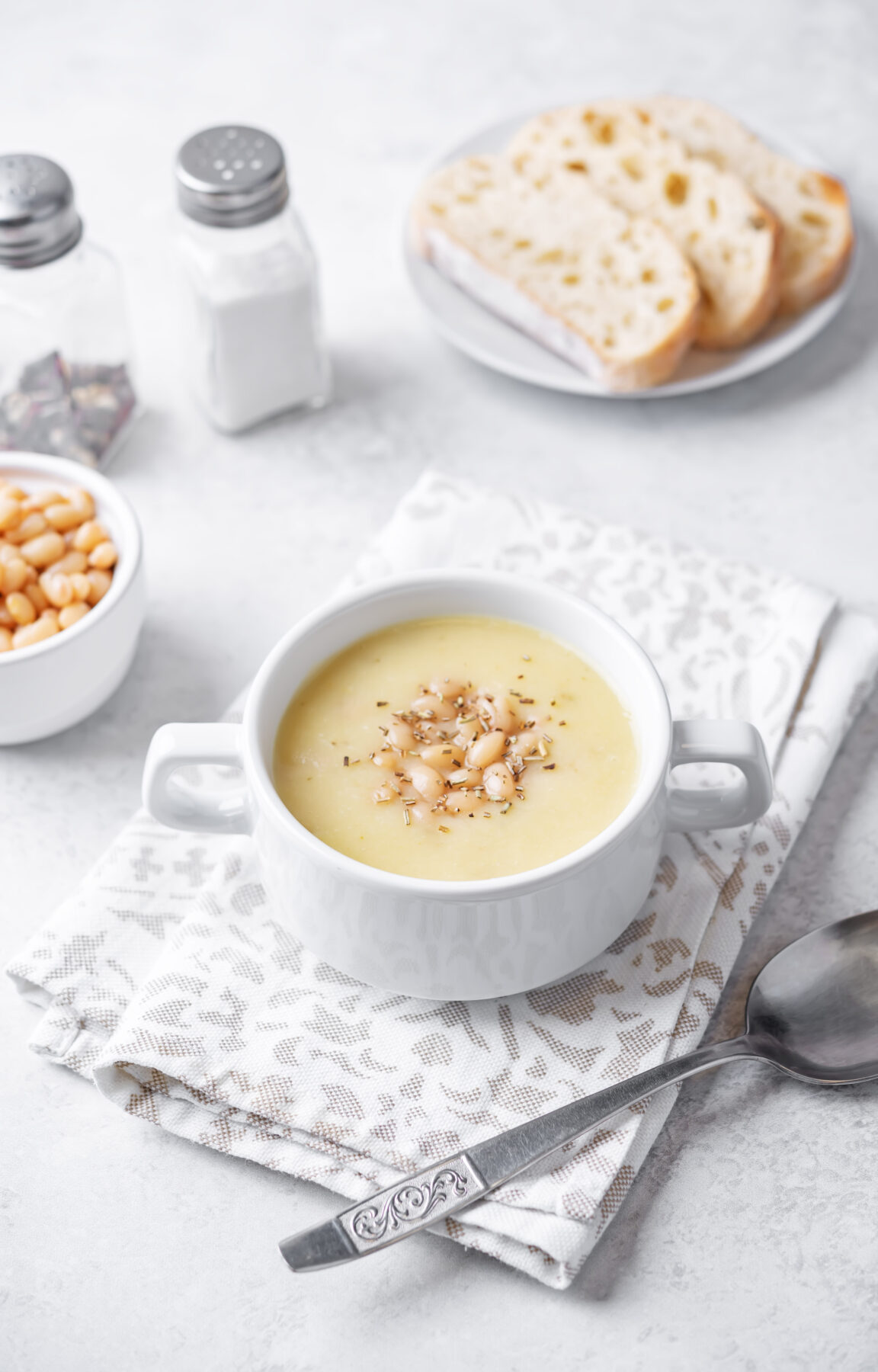
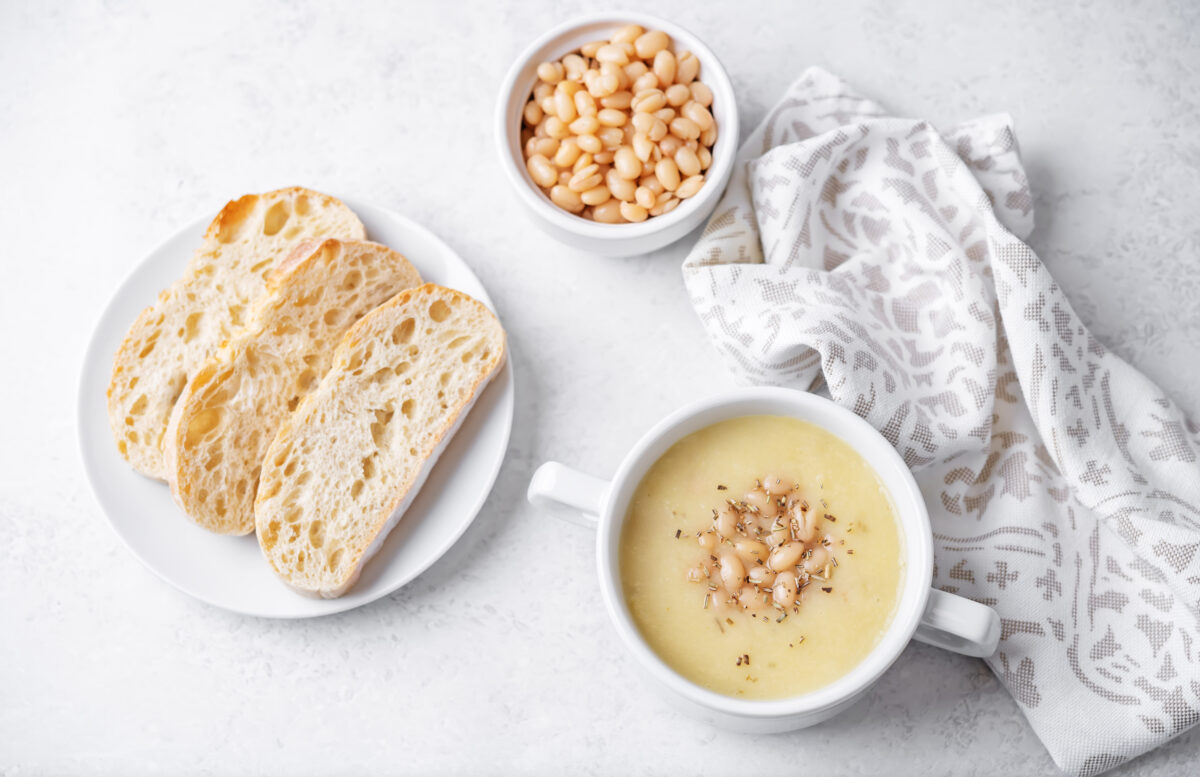
As culinary trends continue to evolve, the demand for comfort foods that balance indulgence with nutritional mindfulness remains remarkably steady. Creamy white bean soup exemplifies this balance, bridging the gap between wholesome ingredients and luxurious dining experiences. Whether prepared for a quiet weeknight family dinner, portioned out for weekly meal prep, or served alongside warm, crusty artisanal bread on a freezing evening, this versatile dish proves that exceptional flavor does not require complexity or excess. Through smart culinary techniques, humble pantry staples are elevated into something truly remarkable, securing the white bean soup’s place as a perennial favorite in modern kitchens worldwide.