The rise of the "snackification" of the American diet has driven a surge in demand for nutrient-dense, shelf-stable, and freezer-ready food options. Among these, frozen yogurt bark has emerged as a preferred alternative to traditional high-sugar frozen desserts. By leveraging the base properties of cultured dairy, consumers are increasingly transforming standard yogurt into a versatile, protein-rich snack that bridges the gap between culinary convenience and nutritional wellness.
The Nutritional Science of Frozen Dairy Snacks
The fundamental appeal of frozen yogurt bark lies in its structural composition. Unlike traditional ice cream, which relies on high concentrations of heavy cream and refined sugars to achieve a smooth mouthfeel, yogurt-based snacks utilize the protein and fat content of fermented milk. According to nutritional standards, the inclusion of fat—specifically in whole-milk or full-fat Greek yogurt—is essential to prevent the formation of large ice crystals.
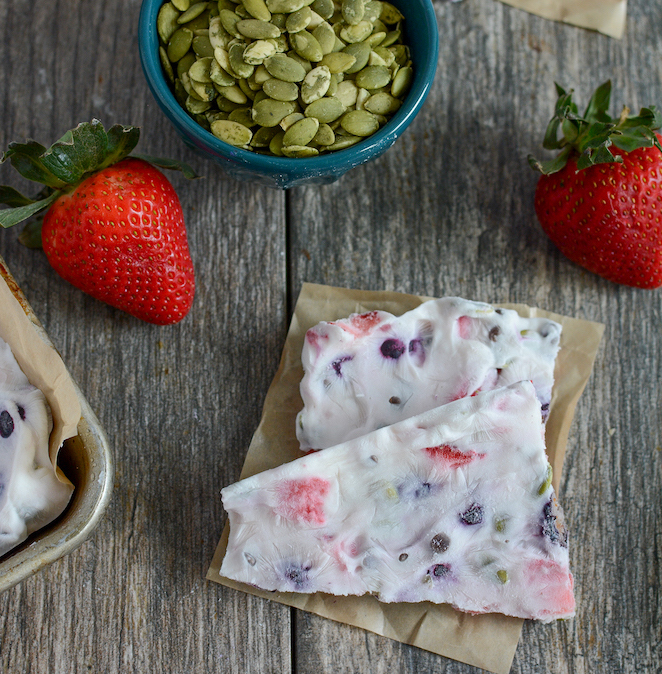
From a biochemical perspective, when yogurt is frozen, the water content naturally seeks to crystallize. The presence of milk fat acts as a stabilizing agent, inhibiting the growth of these crystals and maintaining a pliable, creamy texture. Research indicates that using fat-free yogurt often results in a rigid, brittle product that is susceptible to rapid freezer burn and physical fracturing, which explains the industry-standard recommendation to favor Greek-style varieties with at least 2% to 5% fat content.
Culinary Methodology and Texture Control
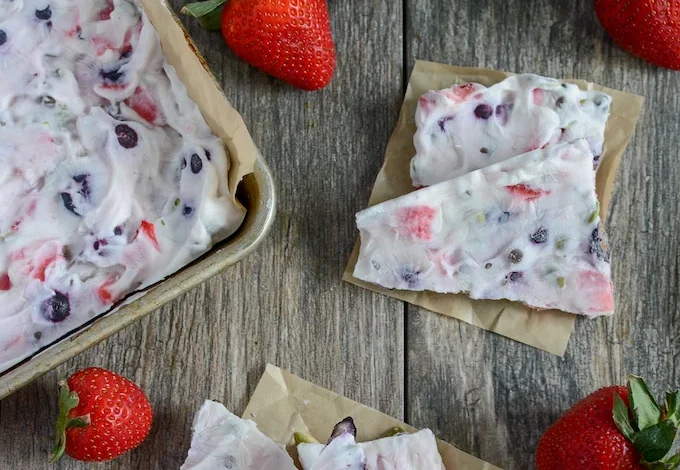
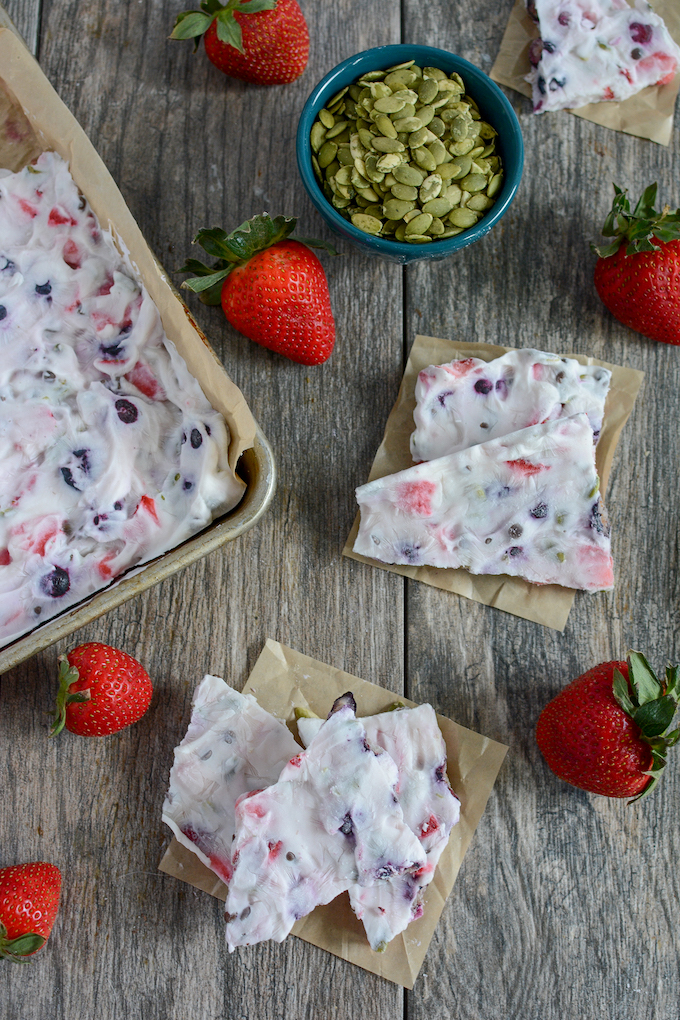
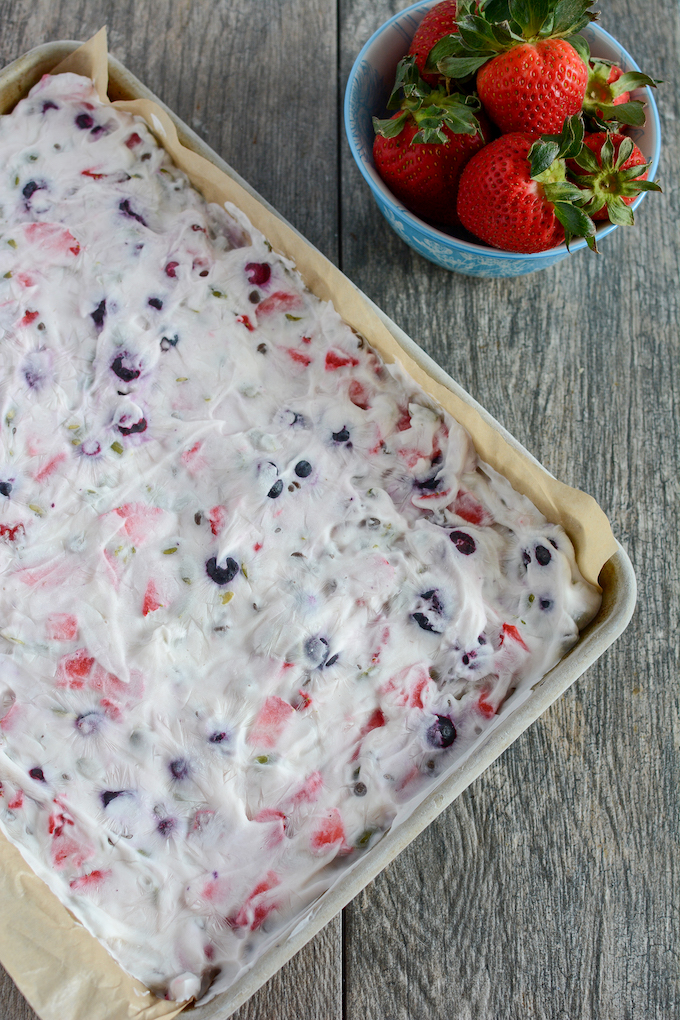
The production of yogurt bark follows a streamlined, repeatable process that requires minimal specialized equipment. The methodology involves spreading a base layer of yogurt, approximately one-half inch thick, onto a parchment-lined baking sheet. This thickness is considered the optimal balance for both structural integrity and ease of consumption.
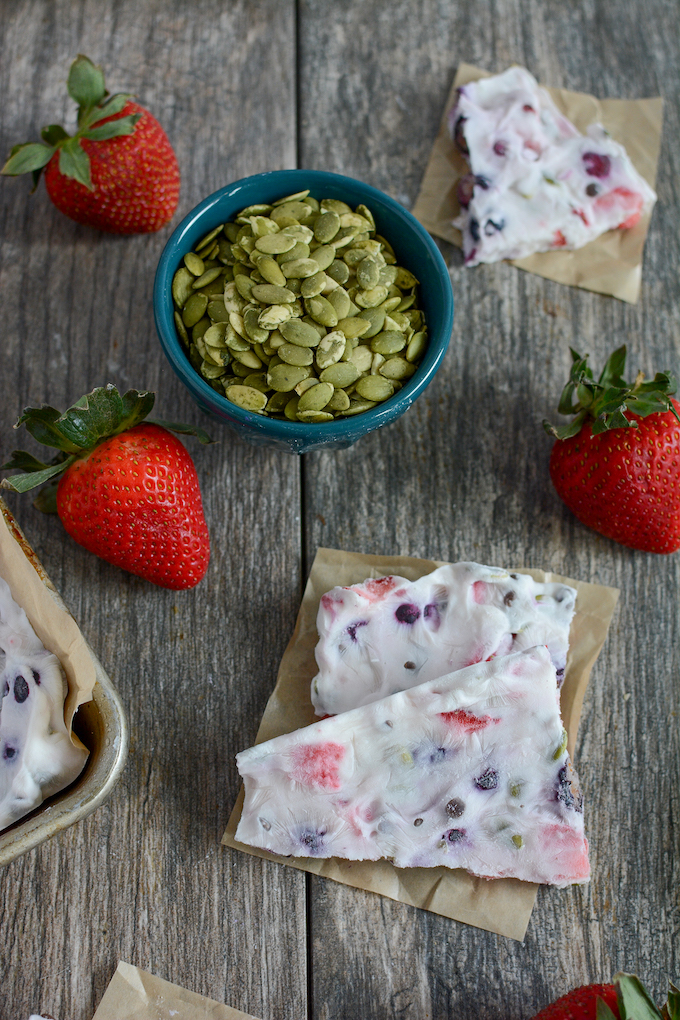
The integration of secondary ingredients—such as fresh berries, pepitas, chia seeds, and cacao nibs—allows for a customizable nutritional profile. For those seeking higher protein concentrations, the addition of seeds like hemp or pumpkin provides a plant-based boost, while nut butters can be swirled into the base to provide healthy monounsaturated fats. Experts in food preparation suggest that for a refined aesthetic, a swirl technique involving fruit purées and nut butters creates a stratified texture that mimics gourmet confections without the need for artificial sweeteners.
Market Context and Consumer Trends
The shift toward at-home, "meal-prepped" snacks gained significant momentum over the past five years, coinciding with a broader societal movement toward mindful eating. Data from the health and wellness sector suggests that consumers are increasingly prioritizing "functional snacks"—foods that provide a specific benefit, such as increased satiety through protein or gut health support via probiotics.
Frozen yogurt bark fits into this category by offering a controlled sugar environment. By opting for a base of plain, unsweetened Greek yogurt, a consumer can effectively manage their glycemic index. The natural fructose found in fresh fruit, such as strawberries or blueberries, provides a sufficient flavor profile, allowing the consumer to bypass the high-fructose corn syrup or refined cane sugar common in mass-produced, shelf-stable frozen treats.
Strategic Storage and Preservation
A critical aspect of the viability of frozen yogurt bark is its storage protocol. Unlike baked goods, which suffer from moisture loss, frozen dairy products are highly susceptible to oxidation and the migration of volatile flavors within a home freezer environment.
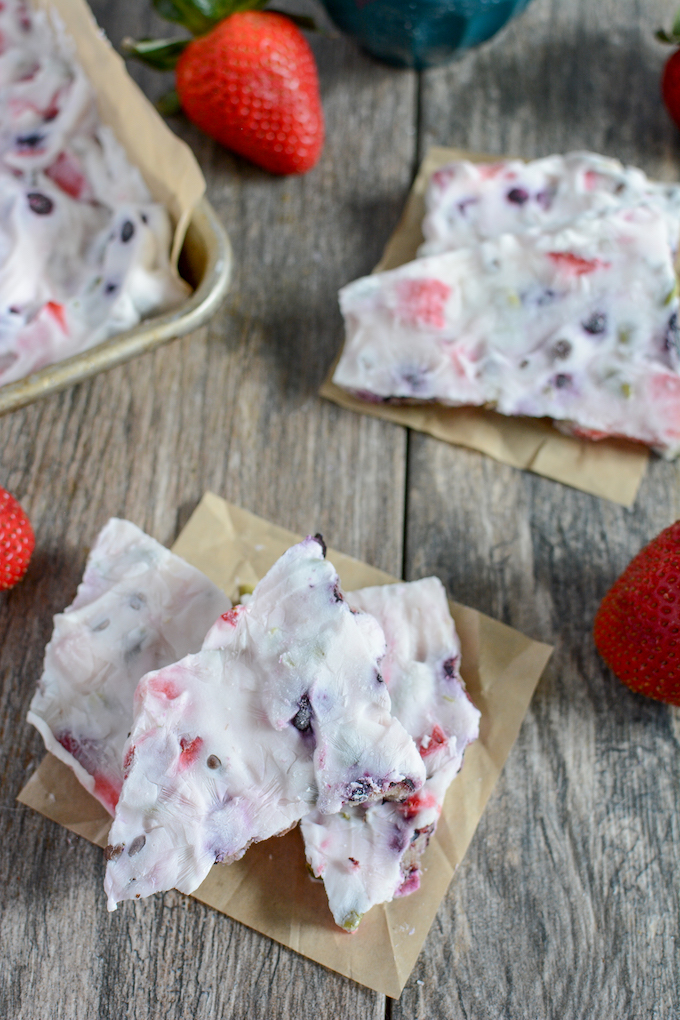
Journalistic analysis of kitchen best practices suggests that the "break-and-store" method is the most efficient. Once the bark has been frozen for a minimum of four hours, it is transferred to airtight, freezer-safe containers or vacuum-sealed bags. The removal of excess air is paramount; oxidation is the primary cause of freezer burn, which occurs when water molecules sublimate from the surface of the food. By maintaining an airtight seal, the bark can retain its structural and flavor integrity for up to three months.
Economic and Dietary Implications
For families and individuals, the economic impact of shifting toward homemade frozen yogurt bark is notable. When compared to the rising costs of pre-packaged, single-serve frozen snack bars, which often carry a premium for branding and processing, the raw ingredients for yogurt bark—bulk Greek yogurt and seasonal produce—are significantly more cost-effective.
Furthermore, the customization aspect addresses the growing concern regarding childhood nutrition. By providing a base that can be sweetened naturally with fruit rather than processed sugars, parents are able to curate a snack that aligns with pediatric nutritional guidelines. The flexibility of the recipe also accommodates various dietary restrictions, including potential adaptations for dairy-free diets through the use of coconut or almond-based cultured alternatives, though researchers note that the fat-to-water ratio must be carefully balanced in these cases to prevent excessive iciness.
Expert Perspectives on Nutrient Density
Nutritionists emphasize that the "snack window" between traditional meals is a critical opportunity to supplement dietary deficiencies. High-protein snacks, such as those incorporating Greek yogurt, are linked to improved post-prandial satiety, which can assist in weight management and the reduction of impulsive snacking on processed carbohydrates.
"The key to the longevity of this food trend is its simplicity," says one culinary consultant. "It does not require high-level kitchen skills, yet it provides a high-level nutritional return. The fact that it is prepared in the freezer essentially makes it a ‘set-and-forget’ item, which is a major advantage in a high-paced, modern household."
Comparative Analysis: Bark vs. Conventional Desserts
A comparative analysis of macronutrient profiles reveals that a standard serving of store-bought frozen yogurt or ice cream often contains high levels of saturated fats and added sugars. Conversely, a standard portion of homemade yogurt bark, particularly when fortified with seeds and nuts, provides a significantly higher density of micronutrients, including calcium, magnesium, and essential fatty acids.
While the convenience of purchasing a pre-made dessert is undeniable, the trade-off is often a lack of control over ingredients. The transition to a "prep-ahead" mindset for snacks allows the consumer to serve as their own quality-control manager.
Future Outlook and Innovations
As the food industry continues to explore plant-based proteins and alternative sweeteners, the future of yogurt-based snacks likely involves further experimentation with texture-enhancing additives. Innovations in food science are currently looking into natural emulsifiers that could potentially allow for the use of lower-fat yogurts without sacrificing the creamy texture that consumers demand.
For the present, the consensus remains that frozen yogurt bark is an efficient, healthy, and scalable solution for individuals looking to balance the desire for a frozen treat with the requirement for high-quality, protein-dense nutrition. Whether served as a post-workout recovery snack or a controlled dessert, the scalability of the recipe—from simple fruit-topped iterations to complex, layered, and swirled designs—ensures its continued relevance in the modern culinary landscape.
In conclusion, the practice of creating frozen yogurt bark serves as a microcosm of the broader shift in domestic food preparation: a return to foundational, high-quality ingredients processed with minimal interference, resulting in a product that is objectively superior in nutritional content and cost-effectiveness compared to its commercial counterparts. As the trend matures, it is expected that even more innovative flavor combinations and preparation techniques will emerge, further cementing its place as a staple of the home-prepared snack repertoire.