Baby Refusing Solids? A Pediatric Dietitian’s Guide to Stress-Free Mealtimes


The transition from a milk-exclusive diet to the introduction of solid foods is a monumental milestone in infant development, yet it remains one of the most significant sources of anxiety for new parents. While pediatric guidelines typically recommend introducing solids around the six-month mark, the reality of the high chair is often fraught with closed mouths, turned heads, and food scattered across the floor. Understanding that this behavior is frequently a normal developmental phase—rather than a reflection of parental failure—is the first step toward establishing a healthy, sustainable relationship with food for both the caregiver and the child.

The Developmental Mechanics of Feeding
Eating is not merely a biological necessity; it is a complex sensory and motor process that requires the sophisticated coordination of oral muscles. Infants are tasked with learning to move their tongues, control their jaws, and regulate their breath while simultaneously processing novel flavors and textures. From a physiological perspective, the refusal of solids is often a symptom of this steep learning curve.

A baby may reject a meal simply because they are over-stimulated, physically exhausted, or suffering from minor discomforts such as teething or a common cold. Research in pediatric nutrition indicates that the sensory experience of food—its temperature, texture, and taste—can be overwhelming for an infant who has only ever known the consistent, comforting nature of breast milk or formula. Consequently, when a baby turns their head away, they are not necessarily expressing a dislike for the specific food; they are often communicating that their capacity for sensory processing has reached its limit.
Decoding the Timeline: Readiness vs. Calendar Dates
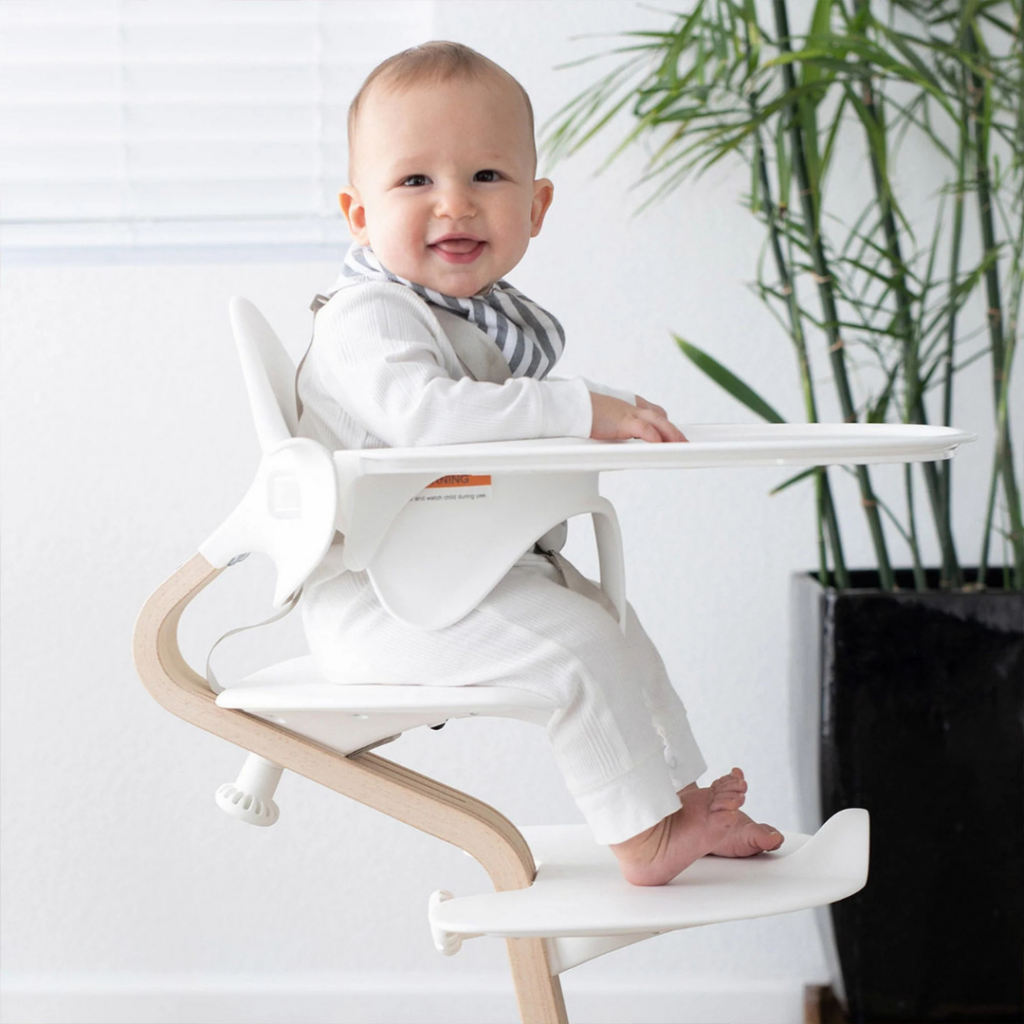
Health organizations, including the World Health Organization and the American Academy of Pediatrics, maintain the six-month guideline for the introduction of complementary foods. However, clinicians increasingly emphasize that this is a general marker rather than an immutable deadline. True developmental readiness is defined by a constellation of physical milestones, including the ability to sit upright with minimal support, the loss of the involuntary tongue-thrust reflex, and the ability to hold the head steady.
If a child is forced to transition to solids before they have achieved these markers, the likelihood of food refusal increases significantly. A child who is not physically prepared to chew and swallow safely will naturally resist, as the act of eating becomes a source of stress rather than nourishment. Pediatric dietitians advise that if a child is not showing active interest or developmental readiness, waiting an additional one to two weeks can often resolve the refusal, allowing the child’s oral-motor skills to catch up with their nutritional needs.

The Role of the Gag Reflex and Safety
A frequent point of friction during early feeding is the infant’s gag reflex. Many parents interpret gagging as a sign of choking or a fundamental rejection of the food being offered. In reality, the gag reflex is a protective, active safety mechanism. It is the body’s way of ensuring that food is moved forward rather than ingested in a way that could cause obstruction.
Distinguishing between gagging and choking is critical. Gagging is typically loud, accompanied by sputtering or coughing, and indicates that the infant is learning the boundaries of their oral cavity. Choking, conversely, is silent and necessitates immediate intervention. When caregivers react with alarm—by scooping the child out of the chair or showing visible distress—they risk conditioning the child to associate the high chair with anxiety. Experts suggest that maintaining a calm, neutral demeanor during these episodes reinforces the child’s sense of safety, encouraging them to continue exploring rather than retreating.
The Phenomenon of the Milk Trap
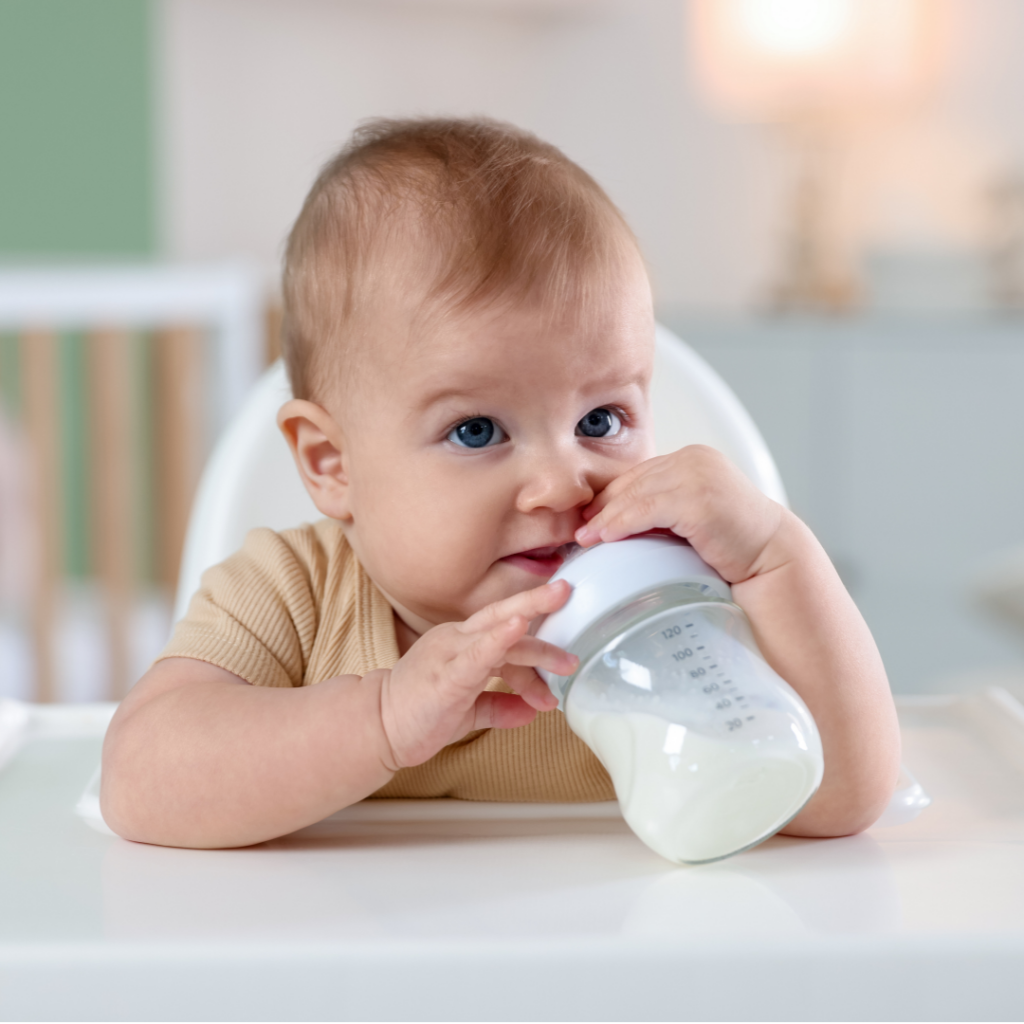
A common obstacle in the transition to solids is the "Milk Trap." Because milk—whether breast milk or formula—is a familiar, effortless, and nutritionally complete source of energy, infants will naturally prefer it over the labor-intensive process of chewing and swallowing solids. If a child’s stomach is consistently full of milk, they lack the biological imperative to engage with solids.
Clinical data suggests that for infants between nine and ten months, consuming in excess of 32 ounces of milk within a 24-hour period often creates a deficit in the appetite required for mealtime exploration. To mitigate this, nutritionists recommend a staggered feeding schedule, ideally offering solids approximately 60 to 90 minutes after a milk feed. This window ensures the infant is alert and has sufficient hunger to be curious about food, but not so ravenous that they become frustrated and default to the convenience of the bottle or breast.

Nutritional Priorities: The Iron Imperative
As an infant approaches the six-month mark, their natural iron stores—accumulated during gestation—begin to deplete. This makes the introduction of iron-rich foods a medical priority for brain development and energy regulation. When a baby is a "low-volume eater," the quality of every bite becomes paramount.

Integrating nutrient-dense options such as soft, ground meats, legumes, tofu, or iron-fortified cereals ensures that even if the child only consumes a few bites, they are receiving critical minerals. Pediatric dietitians caution against the "filler" approach, where low-nutrient snacks are offered to appease a hungry child, as this can exacerbate nutritional gaps and prolong the preference for bland, easy-to-consume foods.

Five Evidence-Based Strategies for Success
To foster a more productive mealtime environment, experts point to five foundational strategies that shift the focus from "getting the baby to eat" to "supporting the baby’s exploration."

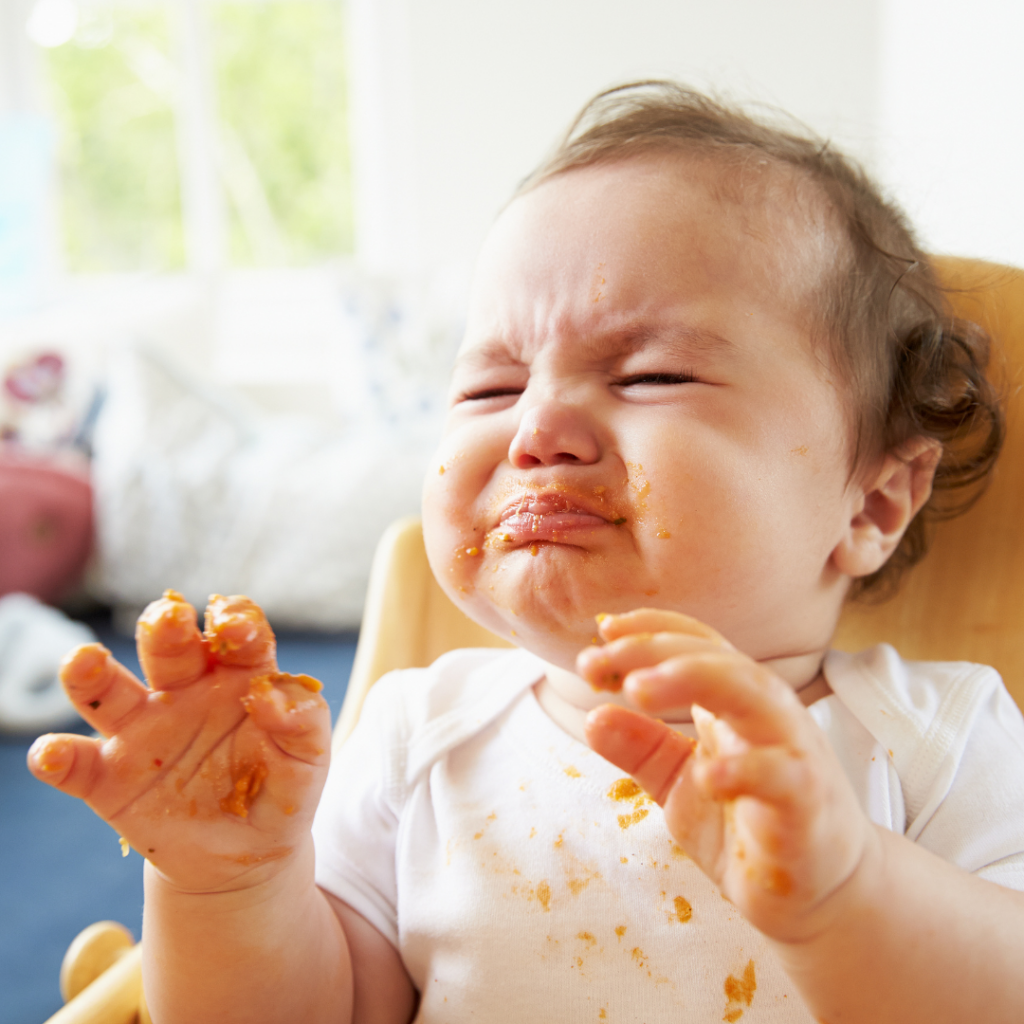
- Embrace the Mess: Sensory exposure is the precursor to consumption. Smearing, dropping, and touching food are vital data-gathering exercises for an infant. By allowing this mess, parents permit the child to process the physical properties of food without the pressure of having to swallow it.
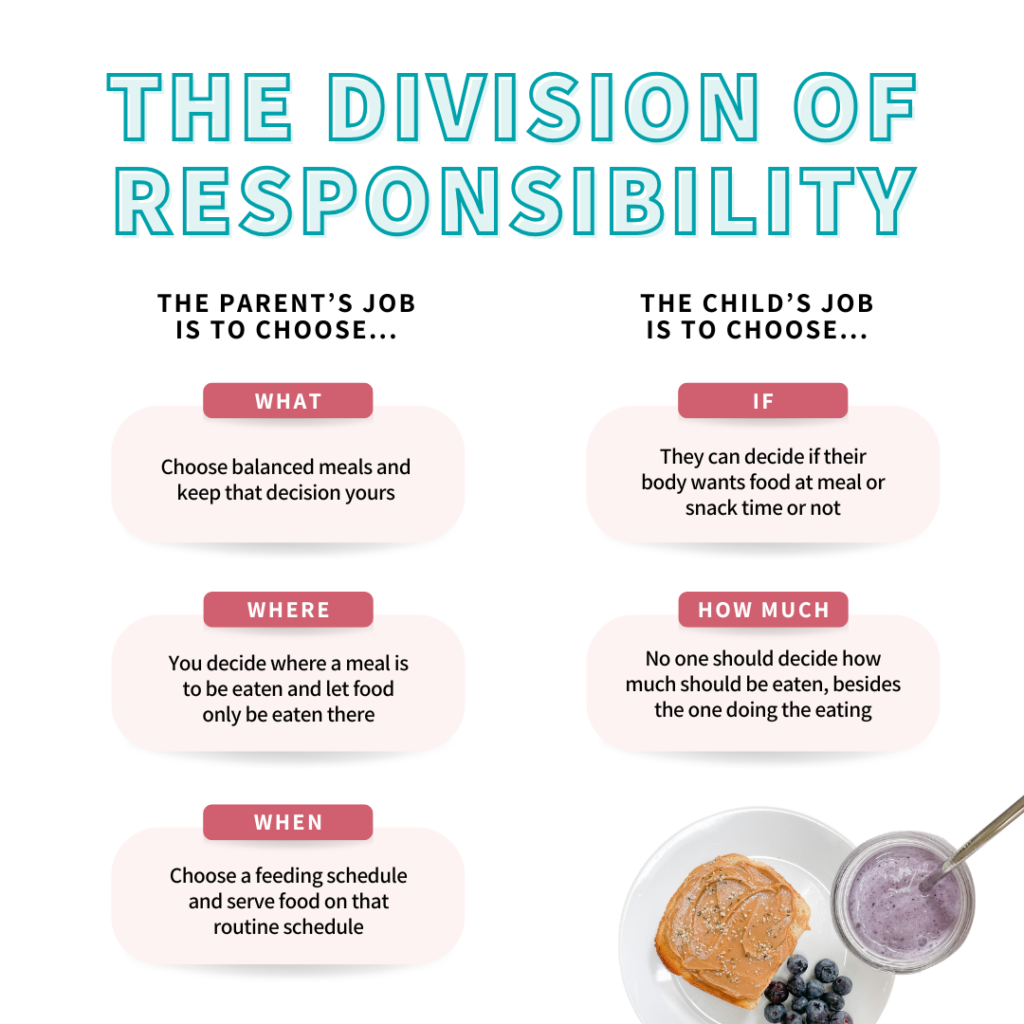
- The Division of Responsibility: Coined by child feeding expert Ellyn Satter, this model dictates that the caregiver is responsible for the what, when, and where of feeding, while the child is responsible for the if and how much. This removes the pressure to perform and preserves the child’s innate hunger and satiety cues.
- Family-Style Dining: Modeling is one of the most effective ways to encourage eating. When a child sees their caregivers enjoying the same foods they are offered, the food is normalized. This social aspect transforms the high chair from an isolated feeding station into a participant role at the family table.
- Sensory Play: Engaging with food away from the high chair—such as playing with textures during floor time—reduces the stakes. When a child can interact with a carrot or a piece of broccoli in a non-feeding context, they become familiar with it, which lowers the threshold for acceptance during mealtime.
- Eliminating Performance Pressure: Encouraging, bargaining, or "cheerleading" a child to take a bite can inadvertently trigger a stress response. A child who feels pressured to eat may develop a negative association with food, which can lead to long-term restrictive eating habits.
Moving Beyond the 9-Month Slump
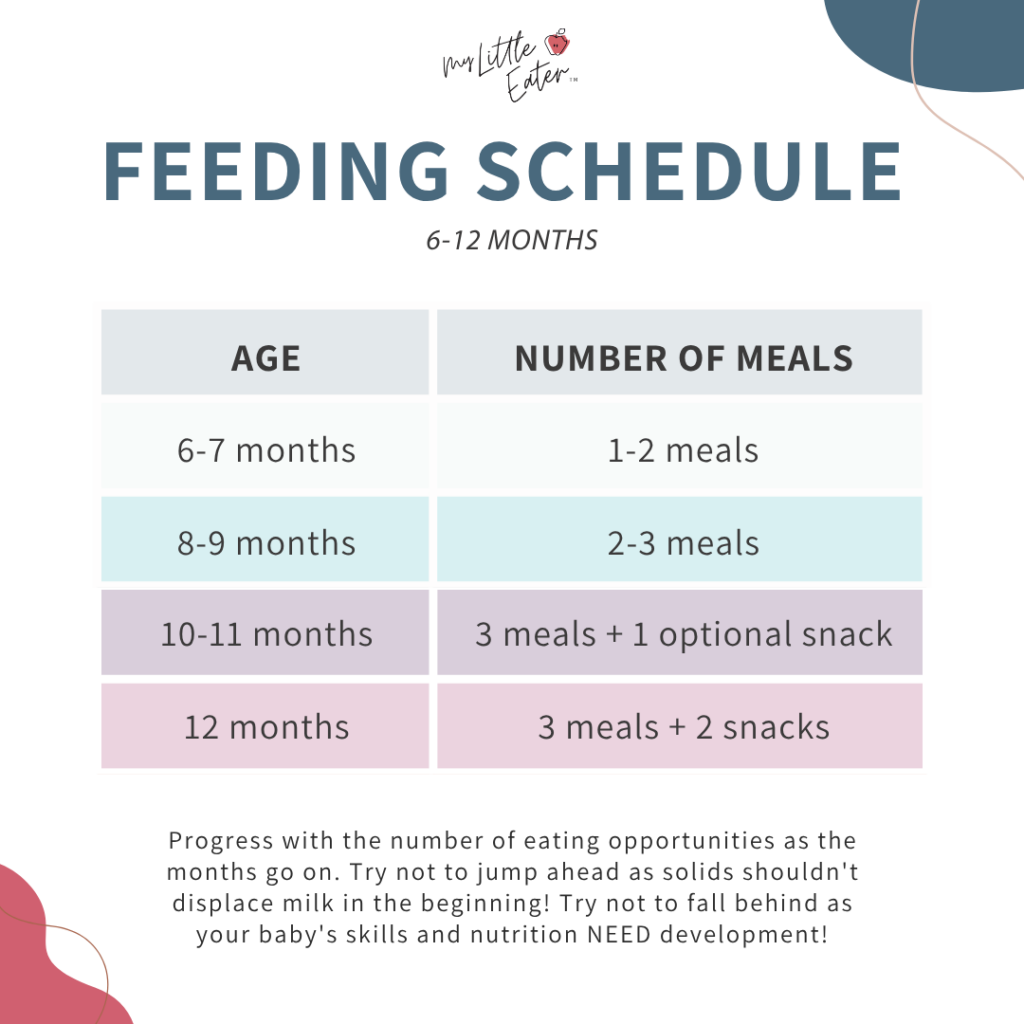
The nine-month mark often represents a plateau in interest as infants begin to master gross motor milestones such as crawling or pulling to stand. During this phase, the desire to move often supersedes the desire to sit. Maintaining a consistent routine is key. Even if the child shows minimal interest, continuing to offer three structured meals per day reinforces the pattern of eating, even if the primary goal is simply exposure rather than caloric intake.

When to Seek Professional Guidance
While the majority of feeding challenges are developmentally appropriate, certain "red flags" warrant professional intervention. Persistent vomiting or gagging on all textures, failure to gain weight, or extreme, persistent distress at the mere sight of food suggest that the issue may be rooted in sensory or oral-motor difficulties that exceed the scope of typical developmental phases. In these instances, a consultation with a pediatric feeding therapist or a registered dietitian is recommended to evaluate the child’s growth curve and ensure that any potential medical barriers are addressed.

Ultimately, the process of introducing solids is a marathon, not a sprint. The research is clear: it can take between 8 and 15 exposures to a new food before a child accepts it. By removing the pressure and viewing the process as a gradual, long-term acquisition of skills, parents can move toward a more joyful and connected family table, ensuring their child develops the confidence to become a lifelong, adventurous eater.