The Best Ethical and Sustainable Men’s Underwear Brands for 2026: A Comprehensive Guide to Conscious Consumerism

The global apparel industry is currently undergoing a significant transformation, with consumer demand for transparency and sustainability shifting from a niche preference to a mainstream requirement. As the textile industry accounts for approximately 10% of global carbon emissions and significant water depletion, the focus on intimate apparel—often overlooked in sustainability audits—has intensified. For 2026, the market for ethical men’s underwear in the United Kingdom has matured, moving beyond basic organic cotton offerings to incorporate advanced, low-impact materials like Tencel, bamboo-lyocell, and recycled fibers.

The Shift Toward Sustainable Intimates
Historically, the men’s underwear market has lagged behind the women’s sector in terms of ethical certifications and fabric innovation. However, data from industry analysts suggests that the men’s innerwear segment is projected to grow at a compound annual growth rate (CAGR) of 5% through 2030, driven largely by younger demographics prioritizing environmental impact.
The traditional manufacturing process for cotton underwear is resource-intensive. Conventional cotton production requires up to 2,700 liters of water for a single t-shirt; scaling this to include the millions of pairs of underwear produced annually reveals a massive ecological footprint. In response, brands are pivoting toward circular manufacturing models, prioritizing GOTS-certified organic cotton, which eliminates synthetic pesticides, and closed-loop processes that recycle water and chemical solvents.

Key Players and Ethical Innovations
The current landscape of ethical underwear is defined by brands that integrate social responsibility with high-performance design. The following organizations have emerged as leaders in the UK market by setting new standards for supply chain transparency.
JustWears: Engineered Comfort and Low-Impact Materials
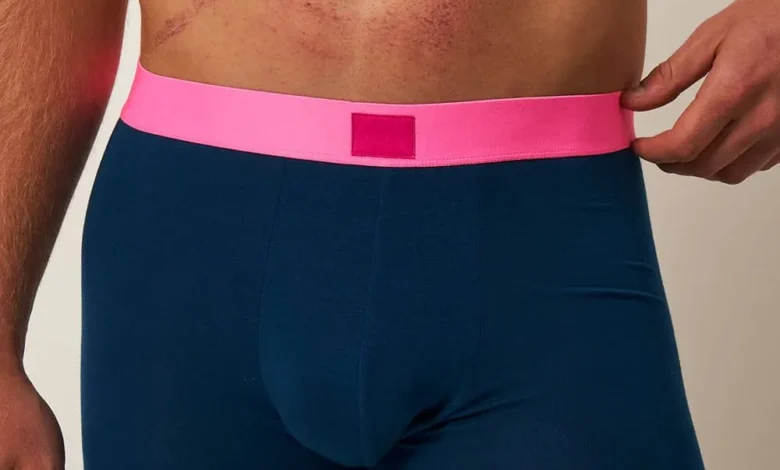
JustWears has gained prominence for its focus on material science. By utilizing "MicroModal Air," a fabric derived from sustainably harvested European beechwood, the brand addresses the issue of synthetic-heavy activewear. Modal is notably more water-efficient than cotton and is produced in a closed-loop system where the solvent used is recovered and reused. Their ergonomic design approach—focusing on anti-chafe waistbands and longer inseams—aims to reduce product turnover by increasing garment longevity, a key tenet of sustainable consumption.
Project Pico: Fairtrade and Community Empowerment
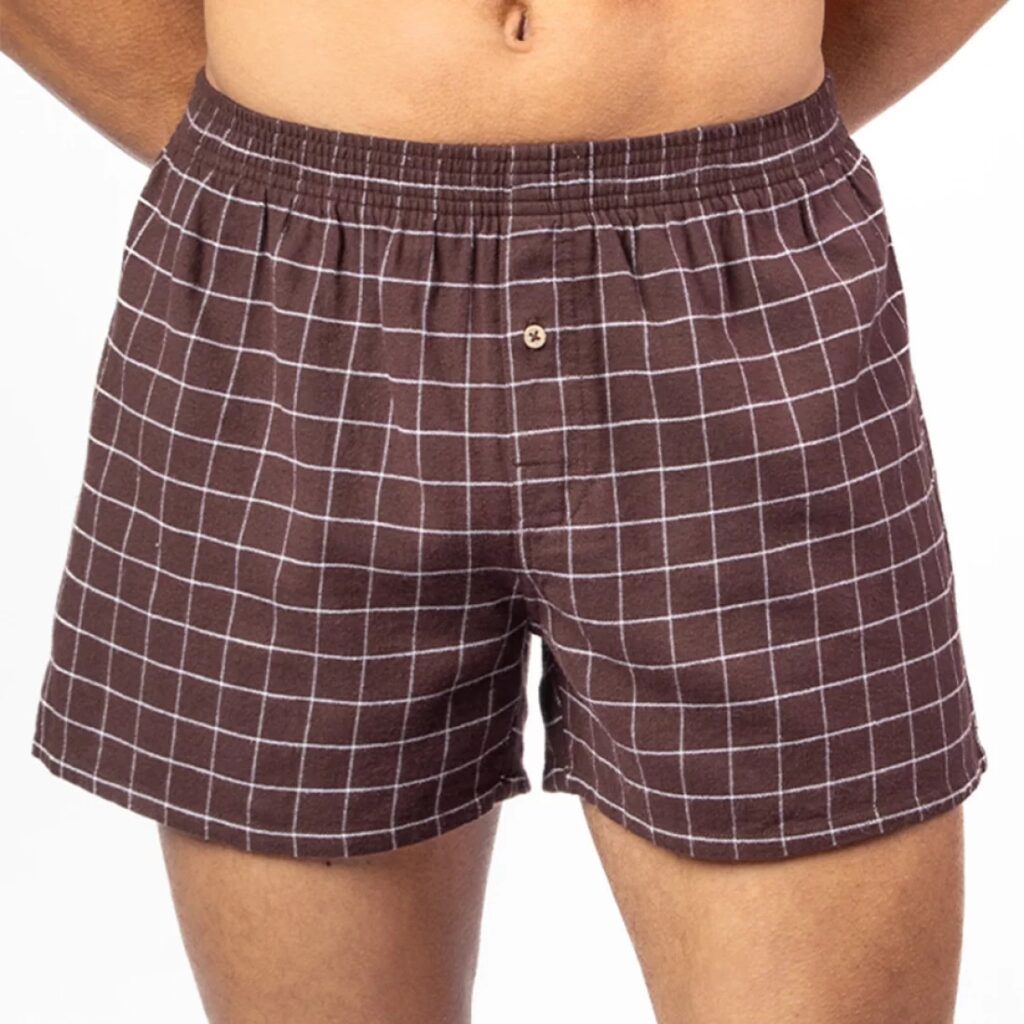
Project Pico exemplifies the integration of social justice into fashion. By utilizing Fairtrade-certified organic cotton sourced directly from cooperatives in India, the brand ensures that farmers receive stable, equitable pricing. Beyond the raw materials, their manufacturing partners operate under strict labor guidelines, providing living wages that significantly exceed local legal minimums. The brand’s investment in community projects, such as clean water infrastructure and education grants, highlights a holistic approach to sustainability that goes beyond the physical garment.
BAM (Bamboo Clothing): Performance-Driven Sustainability
Bamboo as a textile has become a cornerstone of the sustainable underwear movement due to its rapid growth cycle and minimal water requirements compared to traditional crops. Based in Plymouth, BAM has leveraged bamboo-lyocell blends to create high-performance apparel that competes with traditional polyester-based sportswear. Their emphasis on technical performance—moisture-wicking and antibacterial properties—demonstrates that consumers no longer need to choose between environmental values and athletic functionality.

Y.O.U. Underwear: The B Corp Standard
Y.O.U. Underwear serves as a benchmark for corporate responsibility. As a certified B Corporation, the company is legally mandated to balance profit with purpose, meeting rigorous standards of social and environmental performance. Their "Buy One, Give One" model, in partnership with the charity Smalls for All, addresses the critical lack of basic hygiene essentials in vulnerable communities. Furthermore, their adherence to the SA8000 social standard ensures that every stage of the production process—from spinning to stitching—respects the fundamental rights of garment workers.
Yes Friends and Rapanui: Scalable Ethical Fashion
Yes Friends has disrupted the "ethical premium" narrative by demonstrating that sustainable production can be affordable. By optimizing their supply chain and utilizing solar-powered manufacturing, they have managed to keep costs competitive while maintaining GOTS certification and paying workers a "pioneering bonus." Similarly, Rapanui, based on the Isle of Wight, has pioneered a closed-loop system where garments are designed to be returned and recycled into new products once they reach the end of their life cycle, effectively eliminating textile waste.

Comparative Material Analysis
When evaluating the sustainability of these brands, the choice of material is the primary differentiator.
| Material | Environmental Impact | Key Benefit |
|---|---|---|
| Organic Cotton | Low water, no pesticides | Hypoallergenic, breathable |
| Tencel (Lyocell) | Closed-loop, low chemical | Exceptionally soft, moisture-wicking |
| Bamboo Lyocell | Rapid growth, carbon sink | Naturally antibacterial, durable |
The shift toward these materials is not merely a marketing trend but a necessary adaptation to stricter environmental regulations and rising consumer awareness regarding microplastic pollution. Traditional synthetic underwear, often composed of polyester or elastane blends, sheds microfibers into water systems during every wash cycle. Brands focusing on natural, biodegradable fibers are effectively mitigating this downstream pollution.

Industry Implications and Future Outlook
The rise of these ethical brands indicates a broader trend: the "democratization" of sustainable fashion. For the modern consumer, the "best" underwear is no longer defined solely by price or brand heritage, but by the traceability of the supply chain.
However, challenges remain. The scaling of ethical production remains difficult due to the higher costs of organic fibers and the necessity of paying living wages. Many of the aforementioned brands operate as direct-to-consumer entities, which allows them to bypass the markup structures of traditional retail, thereby maintaining affordability for the consumer while ensuring fair compensation for the producer.

As we look toward the latter half of the decade, it is anticipated that legislative changes—such as the EU’s Strategy for Sustainable and Circular Textiles—will eventually influence UK policy, mandating greater transparency regarding supply chain impacts. For now, the brands leading this movement are providing a blueprint for a future where intimate apparel is as kind to the planet as it is to the wearer.
Conclusion
The evolution of the men’s underwear market reflects a larger, positive shift in consumer behavior. By opting for brands that prioritize GOTS certification, Fairtrade labor practices, and innovative, low-impact materials, consumers are casting a vote for a more equitable fashion industry. Whether through the moisture-wicking properties of BAM’s bamboo or the community-focused initiatives of Project Pico and Y.O.U. Underwear, the options for 2026 demonstrate that ethical choices are increasingly accessible, durable, and comfortable. As the industry continues to evolve, the continued support of these companies will be essential in driving the systemic change necessary to reduce the environmental footprint of our daily essentials.