Sustainable Solutions for Textile Waste: A Comprehensive Guide to Repurposing and Recycling Old Towels in the United Kingdom

The management of household textile waste has become a critical focal point for environmental policy in the United Kingdom, as local authorities and sustainability advocates seek to divert thousands of tonnes of material from landfills each year. While often overlooked in favor of fashion and apparel, household linens—specifically towels that have become threadbare, holey, or stained—represent a significant portion of domestic waste. According to data from the Waste & Resources Action Programme (WRAP), the UK consumes approximately 1.1 million tonnes of textiles annually, with a substantial percentage ending up in residual waste streams. By adopting a circular economy approach to these items, consumers can significantly reduce their environmental footprint while finding practical, cost-effective uses for materials that are no longer fit for their original purpose.
The Environmental Context of Textile Waste
The environmental impact of towel production is substantial. Most high-quality towels are composed of 100% cotton, a crop known for its intensive water requirements and reliance on pesticides. It is estimated that the production of a single kilogram of cotton can require between 10,000 and 20,000 liters of water. When these items are discarded into landfills, they not only represent a waste of the resources used in their manufacture but also contribute to the production of methane, a potent greenhouse gas, as they decompose in anaerobic conditions.

In response to these challenges, the UK government and various environmental NGOs have been promoting the "Waste Hierarchy," which prioritizes prevention, reuse, and recycling over disposal. For household towels that have reached the end of their aesthetic life, several tiers of intervention exist, ranging from creative upcycling at home to institutional recycling programs.
Strategies for Domestic Upcycling and Reuse
Upcycling offers the most immediate and carbon-efficient method of extending the life of a textile. Because towels are designed for high absorbency and durability, their fibers remain functional even when the item is no longer suitable for the bathroom.
Personal Care and Cosmetic Applications
One of the most effective ways to repurpose soft, albeit worn, towels is by creating reusable cleansing pads. As the beauty industry shifts away from single-use cotton rounds—which contribute to significant waste and often contain synthetic binders—terry cloth provides an ideal alternative. By cutting old towels into small circles or squares and securing the edges with a zigzag stitch or a serger to prevent fraying, individuals can create durable, machine-washable pads for makeup removal or toner application. This transition supports a zero-waste skincare routine and reduces the long-term cost of personal care products.

Household Utility and Maintenance
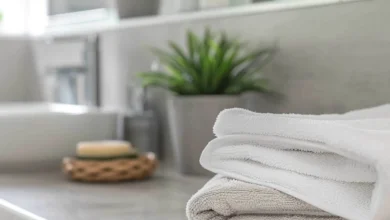
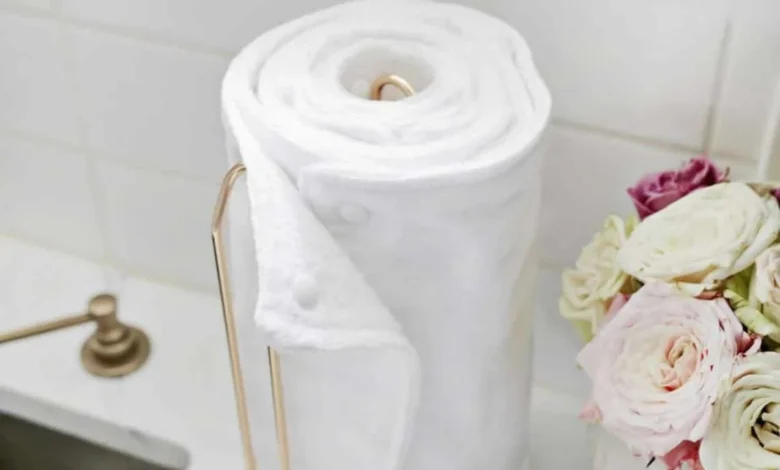
The inherent structure of toweling fabric makes it superior to many synthetic alternatives for cleaning. When cut into manageable squares, old towels can replace disposable paper towels and microfiber cloths. Unlike synthetic microfiber, which can shed harmful microplastics into the water system during laundering, 100% cotton towels offer an eco-friendly scrubbing surface.
For more specialized cleaning, old towels can be converted into reusable mop pads. These are particularly effective for "Swiffer" style floor cleaners. By tailoring the fabric to fit the dimensions of the mop head and adding simple fasteners or pockets, homeowners can eliminate the need for single-use disposable pads. This practice not only reduces waste but also provides a more robust cleaning surface for textured flooring.
Thermal Insulation and Safety
The thickness of towel fabric lends itself well to heat-resistant and insulating applications. For instance, multiple layers of old toweling can be used as internal padding for DIY oven gloves or pot holders. This repurposing method utilizes the fabric’s density to provide a thermal barrier, turning a discarded item into a vital piece of kitchen safety equipment.

Furthermore, old towels can play a role in domestic energy efficiency. In the UK, where older housing stock often suffers from heat loss, draught excluders are essential for maintaining a comfortable indoor temperature. While the exterior of a draught excluder might be made from durable fabric like denim, the interior requires a dense, heavy filling. Shredded old towels provide the necessary weight and insulation to block cold air from entering under doors or through window sills, thereby reducing heating demands and carbon emissions.
Institutional Support and Animal Welfare Donations
When domestic upcycling is not a viable option, towels can still serve a vital role in the non-profit sector. Animal shelters and veterinary clinics across the UK maintain a constant demand for absorbent linens.
Organizations such as the Edinburgh Cat & Dog Home and various RSPCA centers utilize old towels for a variety of purposes: bedding for rescued animals, drying animals after baths, and maintaining hygiene in kennel areas. While these organizations generally require items to be clean, they are often less concerned with aesthetic defects like staining or minor fraying. Experts recommend contacting local shelters prior to donation to ensure they have the storage capacity and to confirm their specific requirements. This form of donation ensures that the material provides comfort to animals in need while bypassing the industrial recycling process.

The Landscape of Textile Recycling in the UK
For towels that are truly beyond any form of reuse—those that are severely damaged or contaminated—recycling remains the final sustainable option. It is a common misconception that textiles can be placed in standard kerbside recycling bins; in most UK jurisdictions, this leads to contamination of the recycling stream.
Corporate Take-Back Schemes
Several major UK retailers have introduced "Take-Back" programs to facilitate textile recycling. Dunelm, in partnership with the Salvation Army, operates a prominent scheme that accepts all home textiles, including towels, bathmats, and tea towels. These items are sorted into two categories: those fit for resale in charity shops and those destined for fiber recovery.
Retailer-led initiatives are often more accessible for consumers than municipal recycling centers. These programs ensure that the cotton fibers are mechanically shredded and repurposed into industrial materials such as soundproofing, carpet underlay, or insulation for the automotive and construction industries.

Charity Shop "Rag" Donations
Many high-street charity shops accept "rags"—items that are not of sufficient quality for resale. When donating to these shops, it is professional etiquette to bag the items separately and label them clearly as "rags." The charity can then sell these materials by weight to textile recycling merchants, generating a small but consistent stream of income for their cause while ensuring the fabric does not enter the landfill.
Chronology of the UK’s Textile Waste Policy
The shift toward the current recycling infrastructure has been a decade-long process.
- 2013-2015: Initial awareness campaigns by WRAP began highlighting the "invisible" waste of household linens.
- 2018: The UK Government’s Resources and Waste Strategy identified textiles as a "priority sector" for circular economy intervention.
- 2021-2023: Major retailers began scaling up in-store collection points, moving beyond apparel to include "home textiles" like towels.
- 2024 and Beyond: Discussions regarding Extended Producer Responsibility (EPR) for textiles suggest that manufacturers may soon be legally and financially responsible for the entire lifecycle of their products, which is expected to further incentivize the production of recyclable, high-quality towels.
Analysis of Implications
The transition from a "disposable" mindset to a "repurpose" mindset regarding household textiles has broad implications for both the environment and the economy. By extending the life of a towel by just nine months, its carbon, water, and waste footprints can be reduced by as much as 20% to 30%.

From a socioeconomic perspective, the rise of domestic upcycling reflects a growing "maker culture" and a return to "make do and mend" values that were prevalent in mid-20th century Britain. This trend is bolstered by the current cost-of-living crisis, as consumers look for ways to avoid purchasing new household goods.
However, the effectiveness of these efforts relies heavily on consumer education. Understanding the difference between a "reusable" item and "recyclable" fiber is key. As the UK moves toward more stringent environmental targets, the humble bath towel serves as a primary example of how small changes in domestic habits can contribute to a larger national goal of sustainability.
Conclusion
Old towels should no longer be viewed as waste, but as a versatile raw material. Whether they are being transformed into cleaning supplies, providing warmth for shelter animals, or being processed into industrial insulation through corporate take-back schemes, there are numerous pathways to keep these textiles out of the landfill. As the UK continues to refine its textile recovery infrastructure, the responsibility lies with the consumer to choose the most sustainable path for their household linens, ensuring that the resources embedded in these items are preserved for as long as possible.
Related posts: