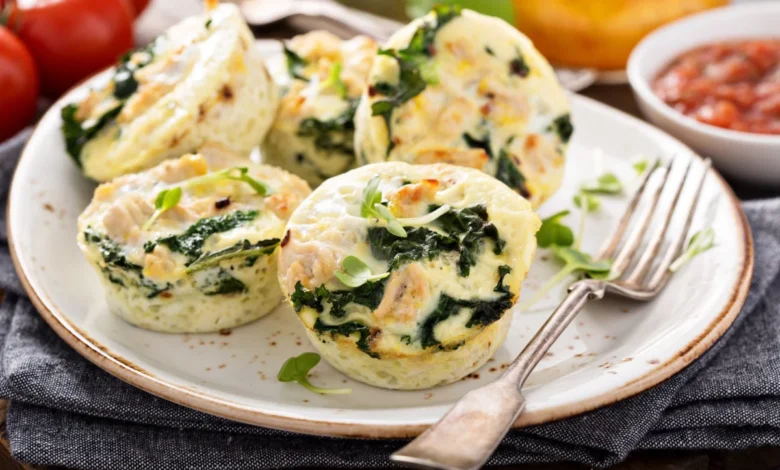
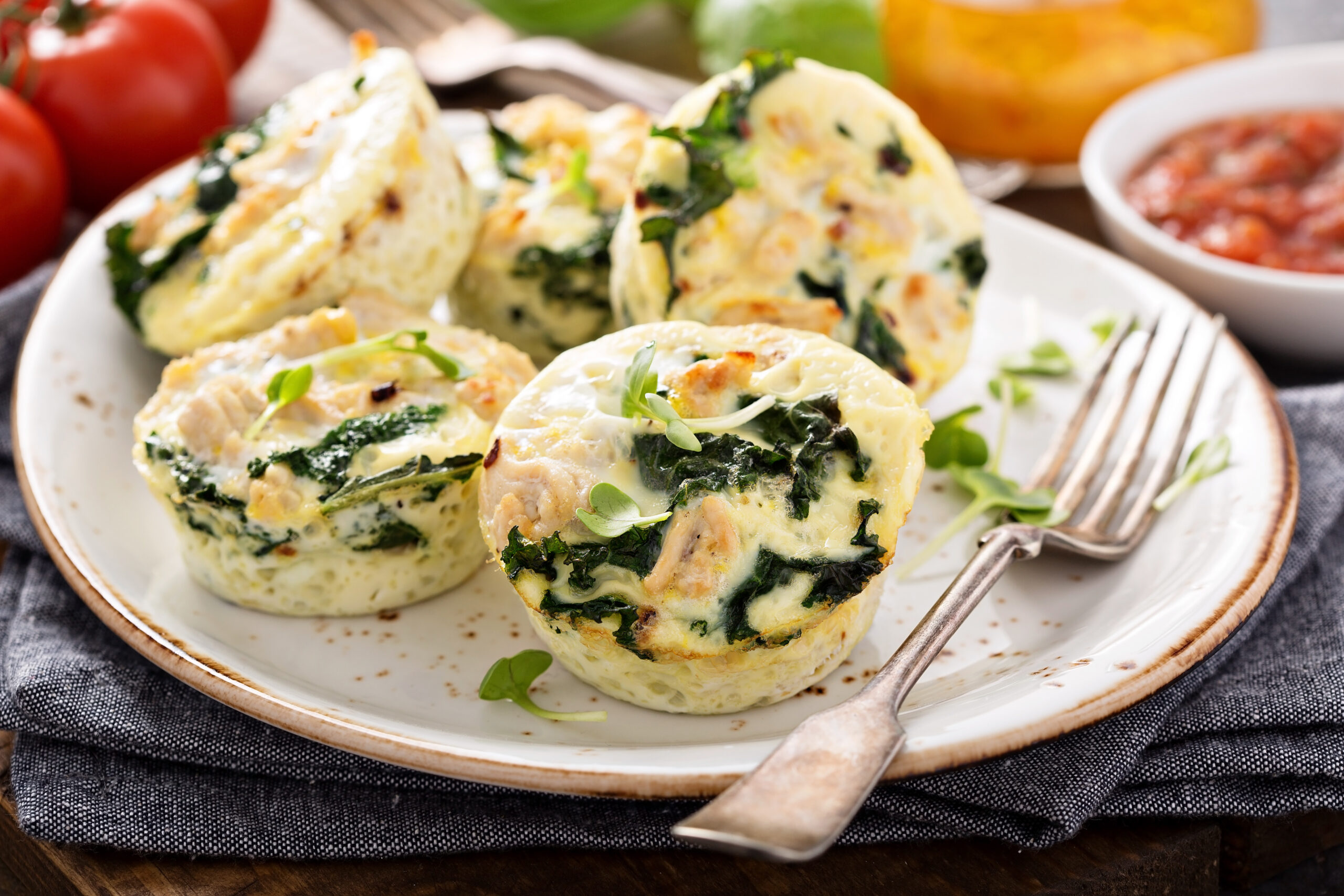
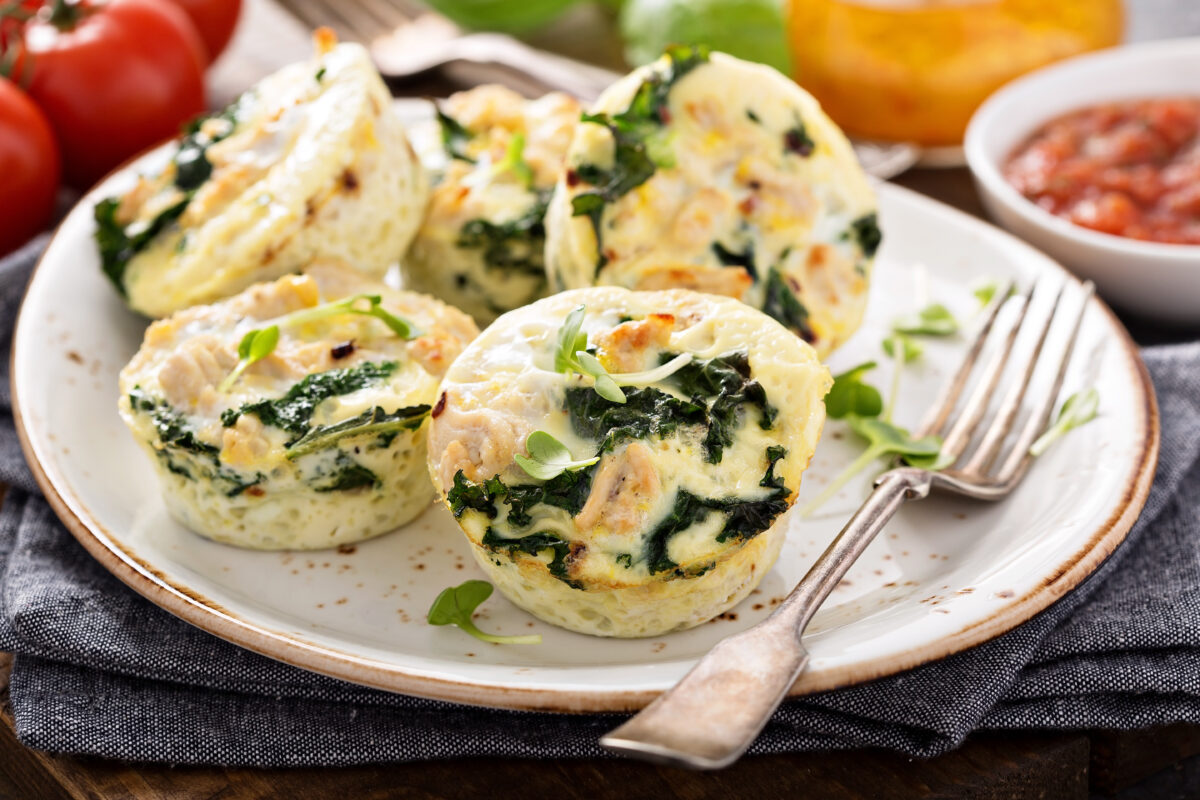
As morning routines grow increasingly fast-paced for modern families and working professionals, the demand for convenient, nutrient-dense breakfast options has reached an all-time high. Enter the Chicken and Kale High Protein Egg Cup—a culinary solution designed to address the common weekday struggle of balancing nutritional needs with tight time constraints. Baked efficiently in a standard muffin pan, these individual portions offer a practical blueprint for weekly meal prep. By combining whole eggs, egg whites, cottage cheese, lean chicken, and nutrient-rich leafy greens, this recipe delivers a sustained source of morning energy tailored to both children and adults.
The Evolution of Morning Meal Prep and Nutritional Science
Nutritional experts have long emphasized the importance of a protein-forward breakfast to stabilize blood sugar, enhance cognitive focus, and prevent mid-morning fatigue. Traditional breakfast staples, however, often lean heavily on refined carbohydrates like cereals, pastries, and white toast, which can cause rapid spikes and crashes in blood glucose levels.
In response, culinary developers and family nutritionists have turned toward portable, high-protein egg bakes. The inclusion of diverse protein sources—specifically whole eggs, supplemental liquid egg whites, and blended cottage cheese—creates an amino acid profile that supports muscle maintenance and metabolic health. Furthermore, incorporating vegetables such as sautéed kale transforms a basic protein source into a multi-vitamin-compliant meal. Public health advocates note that introducing children to greens early in the day via familiar, savory formats helps cultivate healthier long-term dietary habits.
Anatomy of the Recipe: Key Ingredients and Culinary Technique
The success of the Chicken and Kale High Protein Egg Cup lies in its precise ingredient selection and emulsion technique. Rather than utilizing traditional heavy cream or milk, this recipe incorporates blended cottage cheese. When processed in a blender with the egg base, cottage cheese dissolves into a smooth, velvety consistency, eliminating the distinct curd texture that children frequently reject. This method introduces a significant boost in casein protein while imparting essential moisture, preventing the baked eggs from turning rubbery or dry.
Preparation requires careful attention to moisture control, a frequent pitfall in baked egg recipes. Fresh kale contains high water content and can possess a fibrous, tough texture when raw. Culinary protocols dictate that the kale must be destemmed, finely chopped, and lightly sautéed to release trapped moisture before being folded into the batter. Alternatively, frozen chopped kale may be utilized, provided it is fully thawed and vigorously squeezed dry.
The assembly process is designed for maximum efficiency:
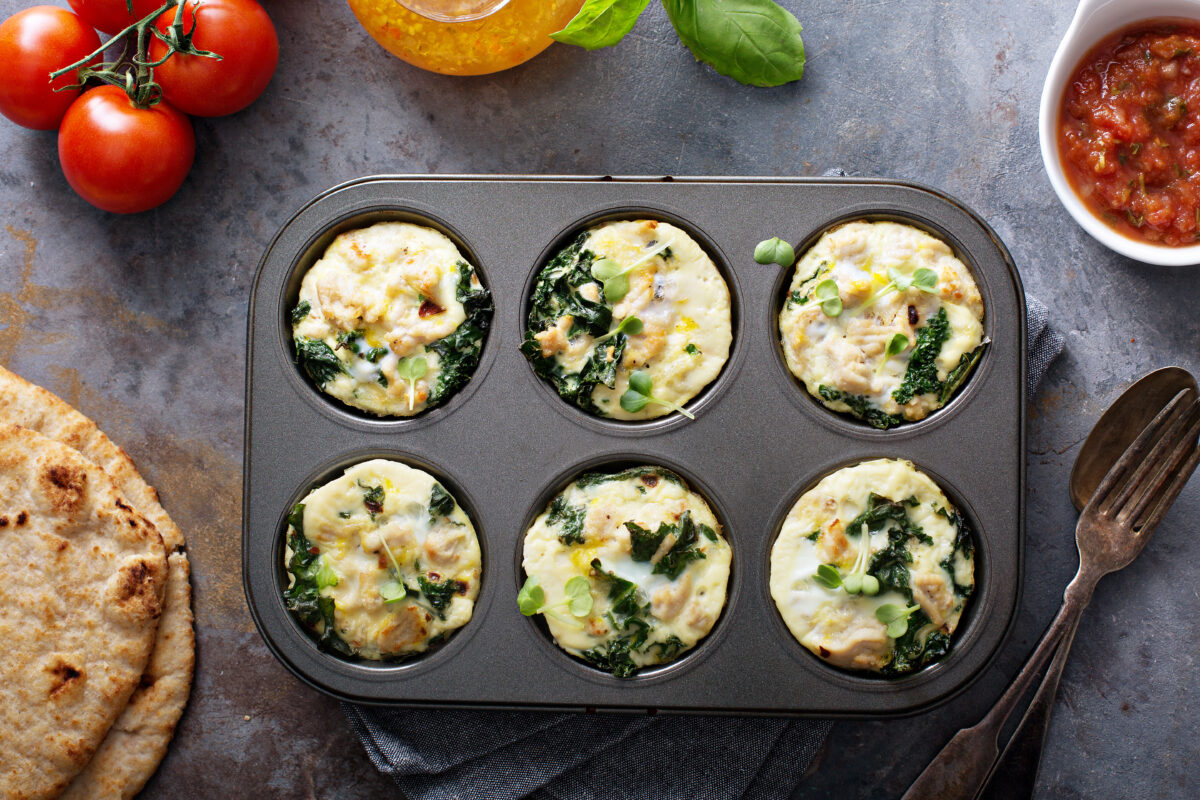
- Preparation and Greasing: Standard metal muffin tins must be thoroughly coated with nonstick spray or fitted with silicone liners to prevent adherence, as paper liners frequently bond destructively to baked eggs.
- Blending: Whole eggs, egg whites, cottage cheese, and seasonings are blended until completely homogeneous.
- Distribution: Finely diced chicken, shredded cheddar cheese, and sautéed greens are portioned into the muffin cups before the liquid egg mixture is poured over them, ensuring a uniform distribution of solids.
- Baking: The cups are baked at a moderate temperature until the centers are just set, preventing over-coagulation of the proteins.
Storage, Preservation, and Food Safety Protocols
For households utilizing batch-cooking strategies, proper storage is critical to maintaining food safety and palatability. Once baked, the egg cups must cool completely on a wire rack. Trapped steam can generate condensation within storage containers, leading to a watery texture and potential bacterial growth.
To optimize storage life:
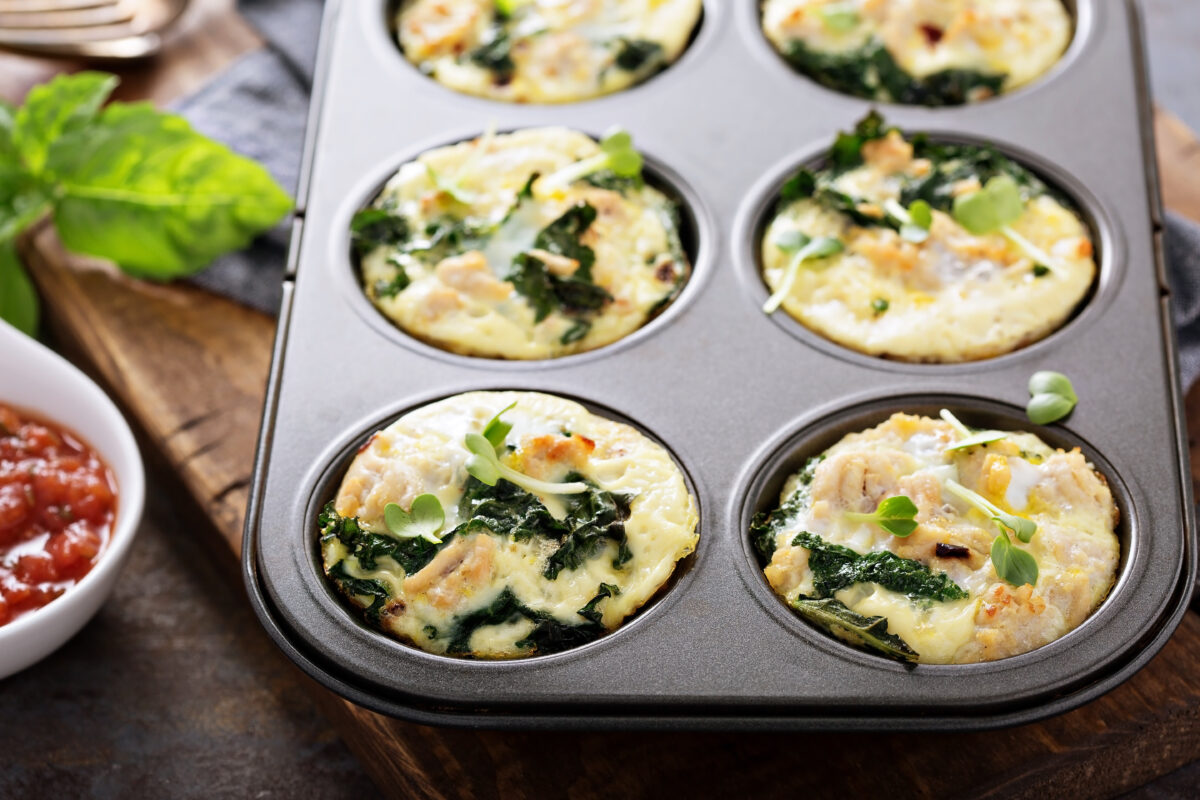
- Refrigeration: Placed in an airtight container lined with paper towels to absorb residual moisture, the egg cups remain fresh for up to four days.
- Freezing: For longer preservation, the cooked cups can be flash-frozen on a baking sheet in a single layer before being transferred to a freezer-safe bag. This method prevents agglomeration and allows for individual portion retrieval for up to two months.
- Reheating: Refrigerated portions can be restored in a microwave at reduced power intervals or warmed in a toaster oven at 325 degrees Fahrenheit for eight to ten minutes to preserve their exterior texture.
Dietary Customization and Industry Adaptability
Recognizing diverse dietary requirements and shifting consumer preferences, the foundational egg cup recipe accommodates a wide range of culinary substitutions. Individuals adhering to specific dietary restrictions can easily adapt the formula:
- Protein Alternatives: Leftover roasted turkey breast, grilled chicken, or crumbled turkey sausage can substitute seamlessly for standard chicken without altering baking times.
- Vegetable Variations: Finely diced bell peppers, steamed broccoli florets, sautéed mushrooms, or fresh spinach can replace kale, provided moisture levels are meticulously managed.
- Cheese Selection: While cheddar is standard, varieties such as Monterey Jack, Swiss, feta, or Parmesan offer distinct flavor profiles while maintaining the necessary lipid balance for a tender crumb.
Broader Economic and Lifestyle Implications
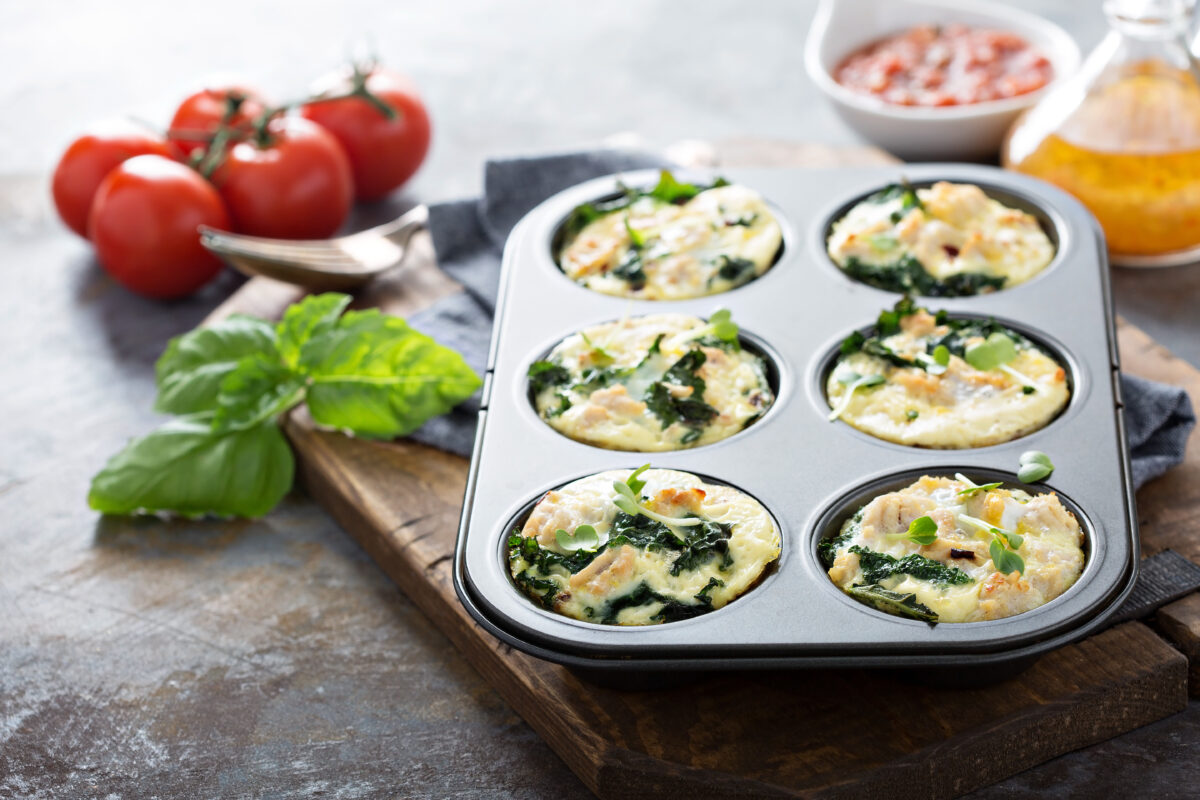
The surge in popularity of customizable, make-ahead breakfast items reflects broader shifts in consumer behavior. With grocery costs remaining a central concern for households globally, meal-prepping strategies that utilize leftover proteins—such as rotisserie or roasted chicken—help minimize food waste and optimize weekly food budgets. Additionally, the portability of individual egg cups aligns with the demands of on-the-go commuters and school-aged children, bridging the gap between nutritional integrity and practical convenience.
As families continue to seek sustainable ways to navigate busy schedules without compromising health, protein-packed breakfast bakes represent a permanent fixture in modern domestic meal planning. Through strategic ingredient formulation and simple preparation techniques, recipes like the Chicken and Kale High Protein Egg Cup demonstrate that wholesome, balanced eating remains accessible even during the most demanding morning rushes.