The landscape of modern home cooking has undergone a significant shift in recent years, with a growing emphasis on time-efficient, nutrient-dense, and cost-effective meal solutions. Among the most popular entries into the quick-prep dinner category is the Garlic Chicken Pasta, a dish that balances culinary sophistication with the practical realities of a busy household. By utilizing foundational ingredients such as high-quality poultry, whole-grain pasta, and a scratch-made dairy-based emulsion, this recipe serves as a case study in how simple pantry staples can be elevated through proper technique.
The Evolution of the 20-Minute Meal
Consumer data from the past decade indicates that the average time spent preparing weeknight dinners in the United States has dropped significantly, now averaging approximately 20 to 30 minutes. The Garlic Chicken Pasta addresses this demand by streamlining the cooking process. Historically, creamy pasta dishes were viewed as laborious undertakings requiring extensive reductions and constant monitoring. However, modern culinary techniques—specifically the integration of heat-stable dairy and the strategic use of residual heat—have enabled home cooks to achieve professional-grade textures in a fraction of the time.
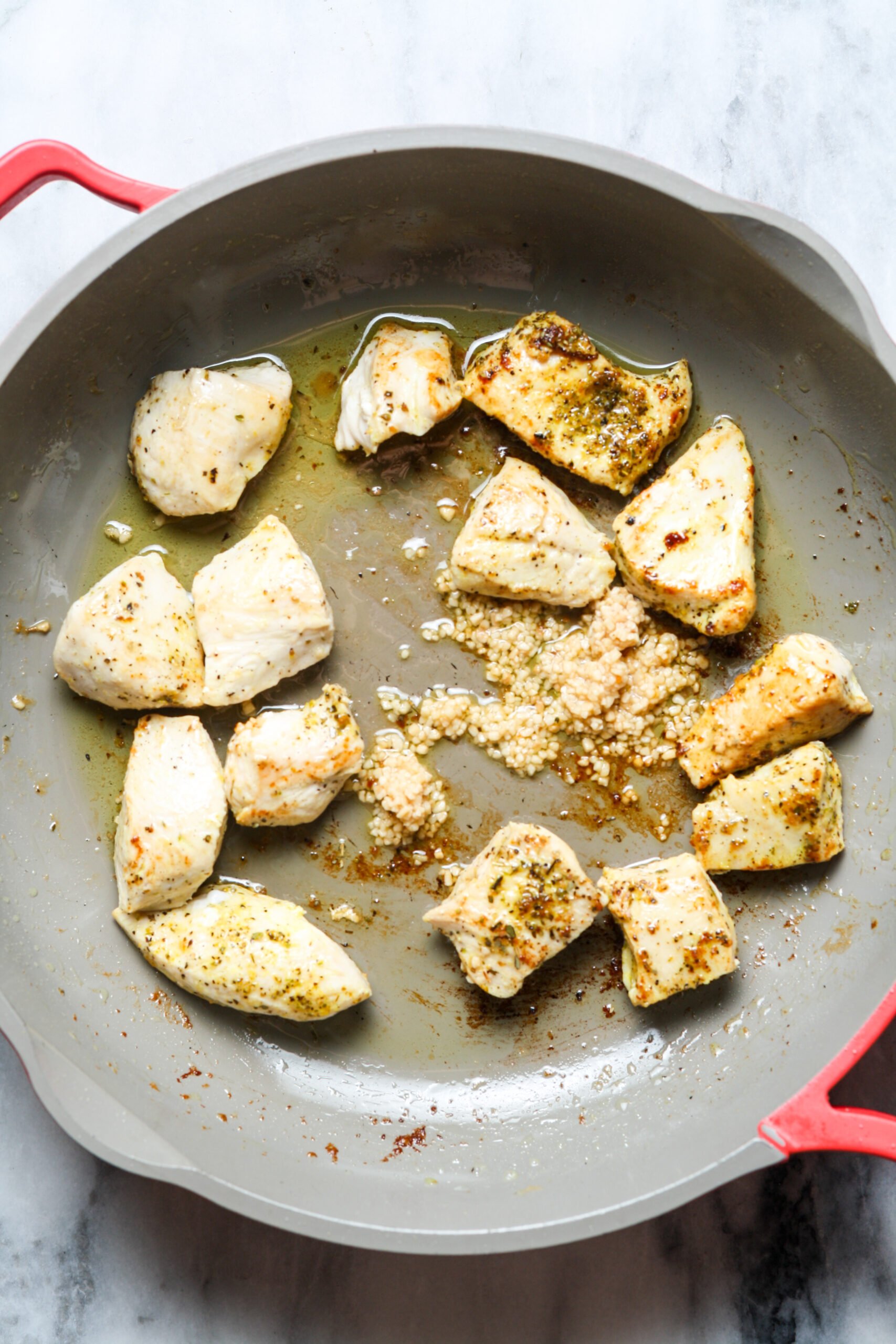
The chronology of this recipe’s preparation is optimized for efficiency. The process begins with the preparation of the protein, which is cut into uniform 1-inch cubes to ensure rapid and even heat distribution. While the pasta reaches an al dente state, the skillet serves as the primary vessel for the flavor base. The sautéing of minced garlic in butter or ghee is the critical chemical turning point, releasing aromatic compounds that define the profile of the dish.
Nutritional Profile and Ingredient Selection
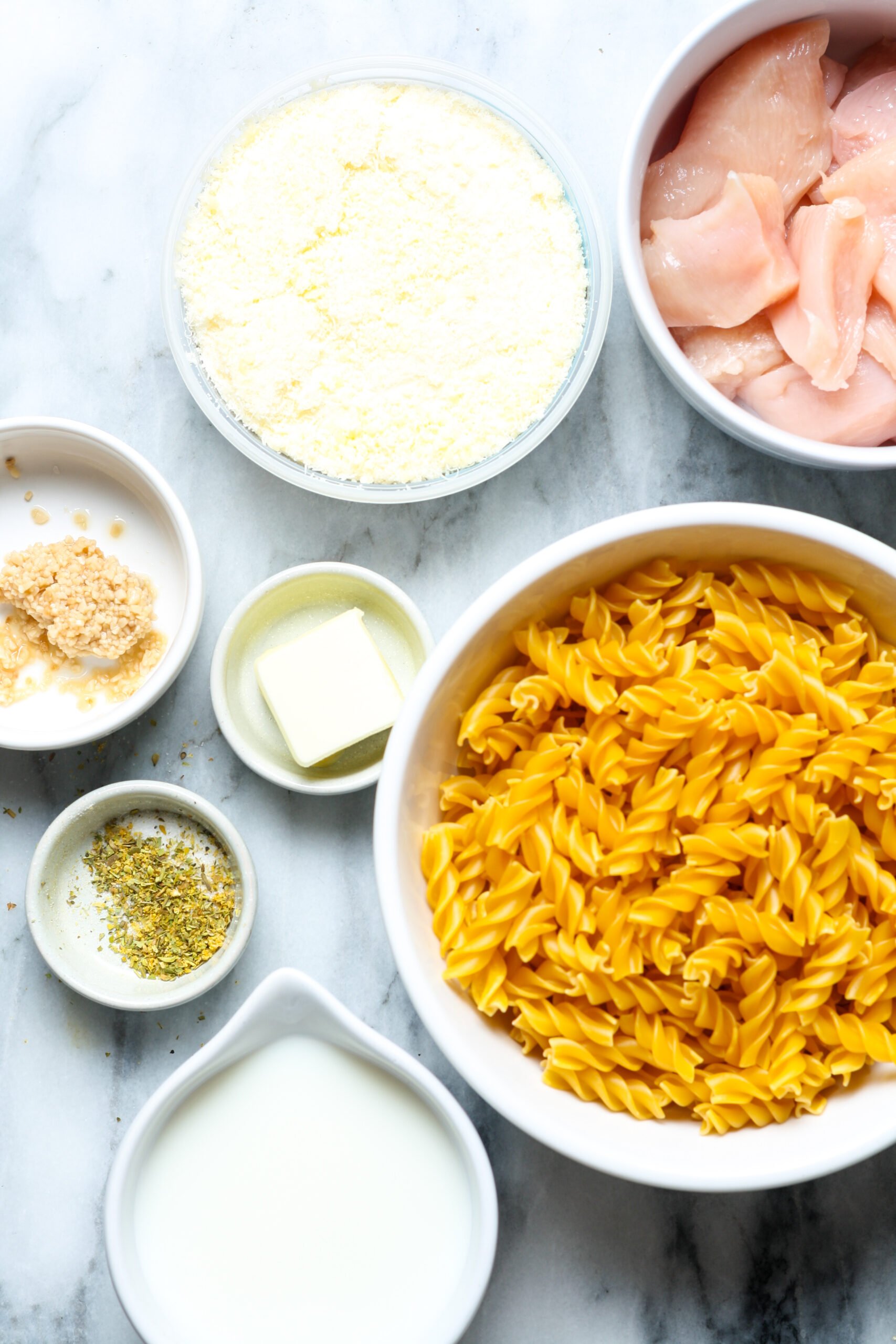
The dish relies on a specific selection of ingredients that satisfy both flavor and nutritional requirements. Nutritional experts frequently highlight the importance of whole wheat pasta over traditional refined flour varieties due to its higher fiber content and lower glycemic index. When paired with lean chicken breast, the meal provides a robust source of complete proteins.
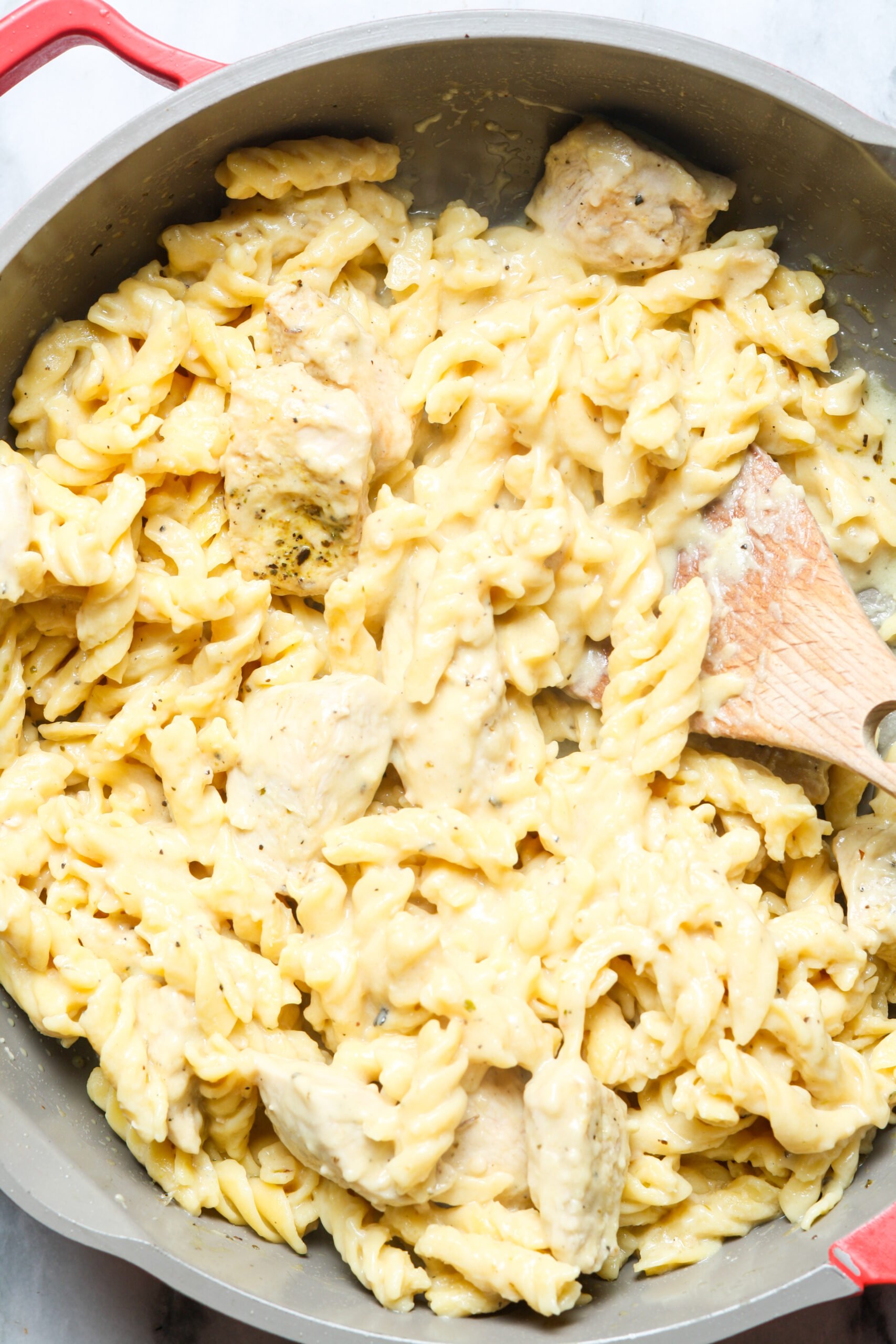
The sauce, which serves as the anchor of the dish, utilizes whole milk and Parmesan cheese. This combination relies on the science of emulsification; the proteins in the cheese and the fats in the milk bind together to create a cohesive coating for the noodles. Unlike processed jarred sauces, which often contain stabilizers and high sodium levels, this homemade version allows for precise control over salt intake and ingredient quality. The addition of onion powder, sea salt, and black pepper provides a balanced seasoning profile that complements the natural sweetness of the garlic.
Technical Methodology: A Step-by-Step Analysis
The assembly of the dish follows a precise sequence designed to maintain the integrity of each component.
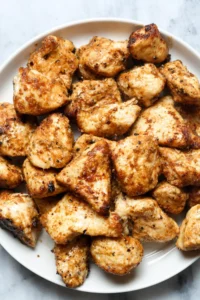
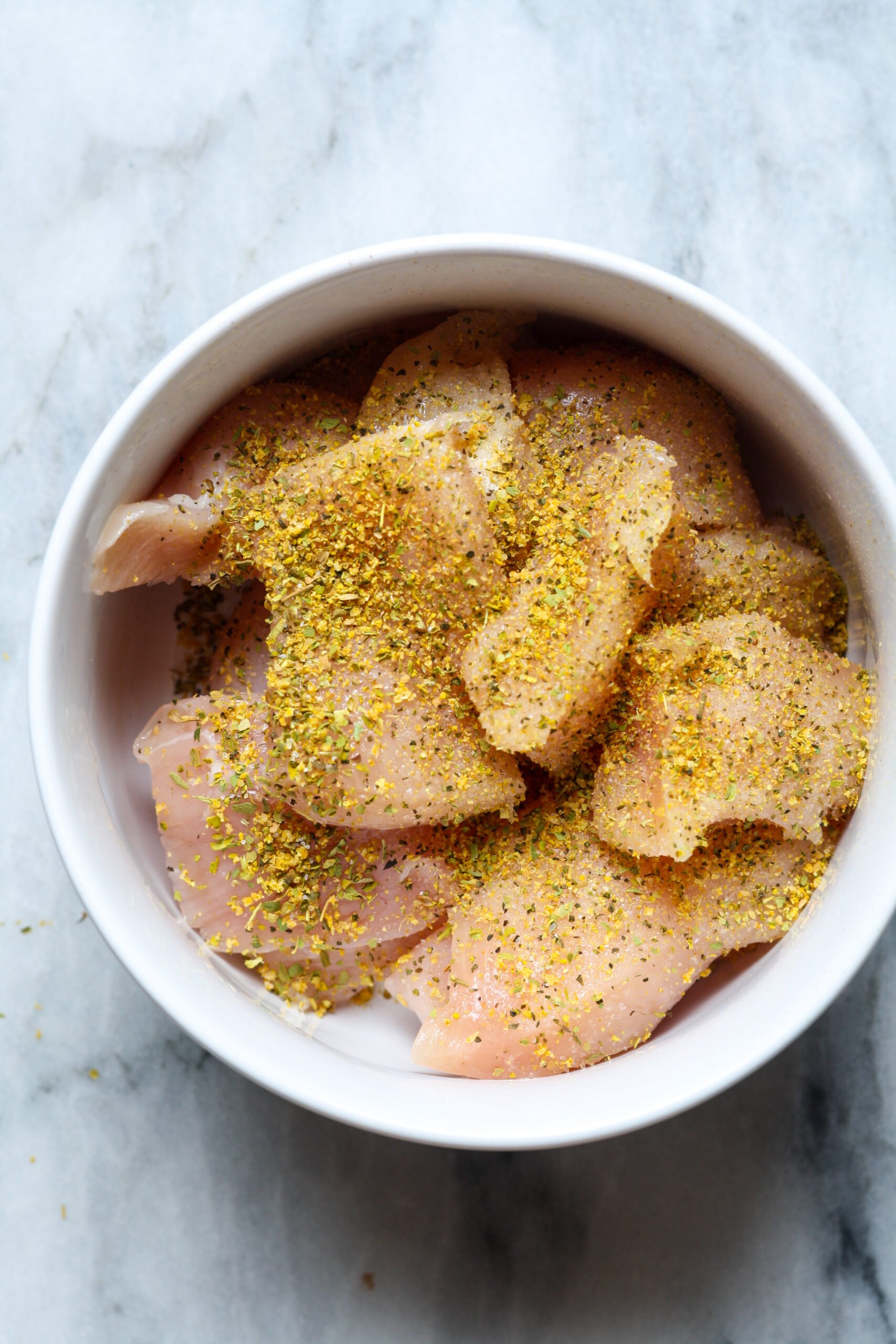
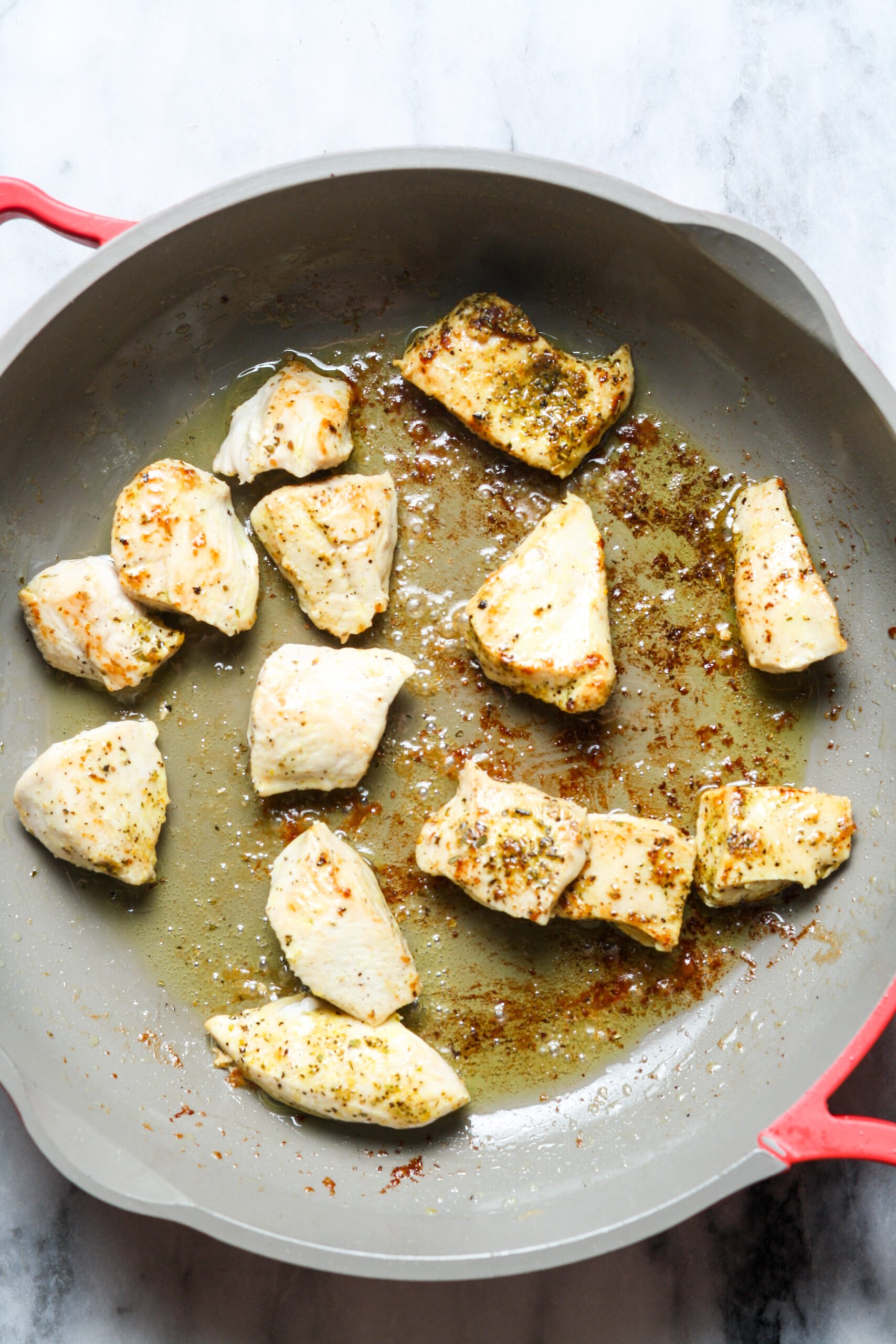
- Protein Preparation: The chicken breast must be fully thawed to prevent uneven cooking. Tossing the pieces in seasoning prior to the sear ensures that the spices adhere to the surface, creating a flavorful crust during the Maillard reaction in the skillet.
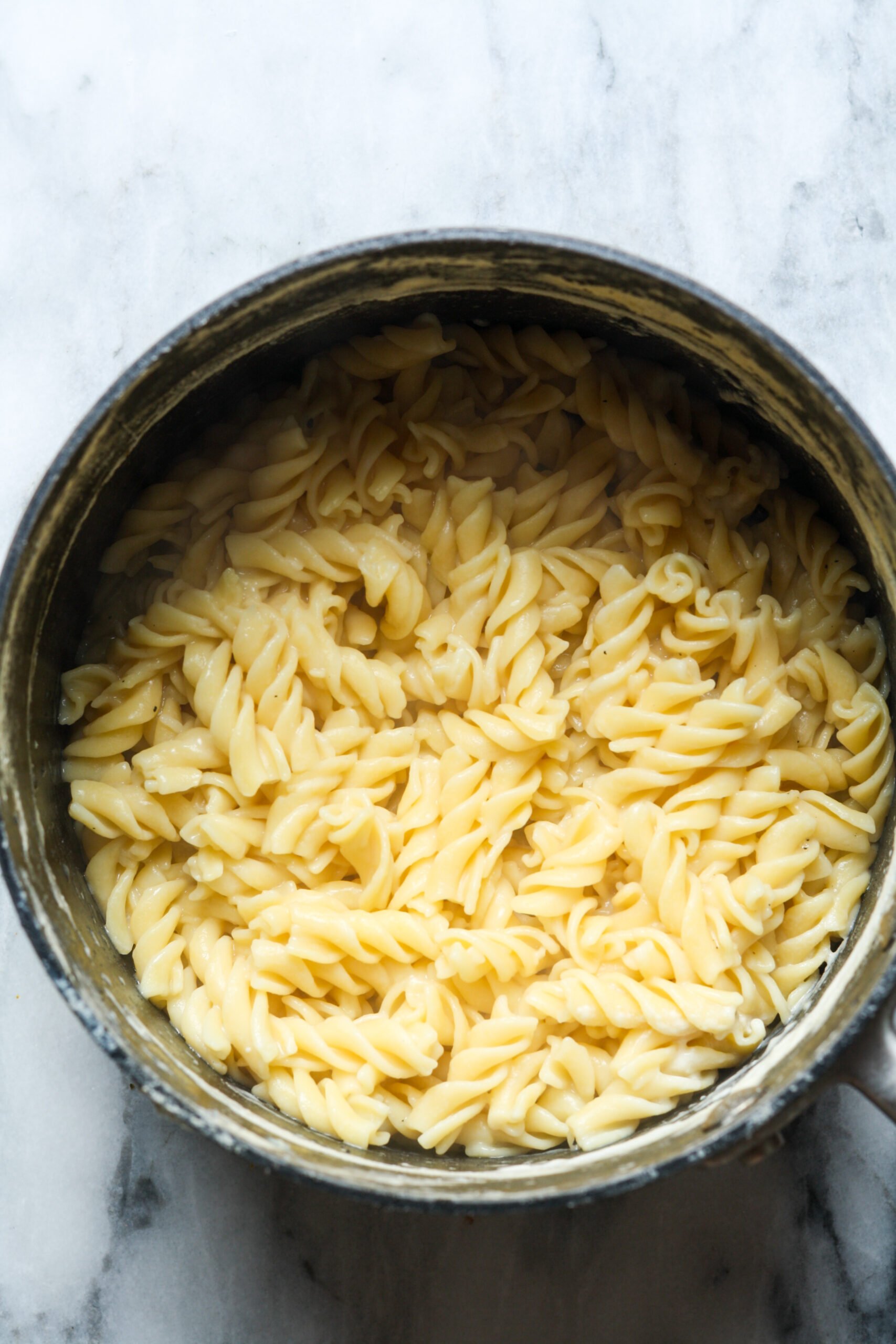
- The Pasta Phase: The pasta should be boiled until al dente—firm to the bite. Rinsing the pasta after draining is a debated technique; however, in this specific application, it prevents the noodles from overcooking in the residual starch, ensuring they maintain the correct texture when introduced to the sauce.
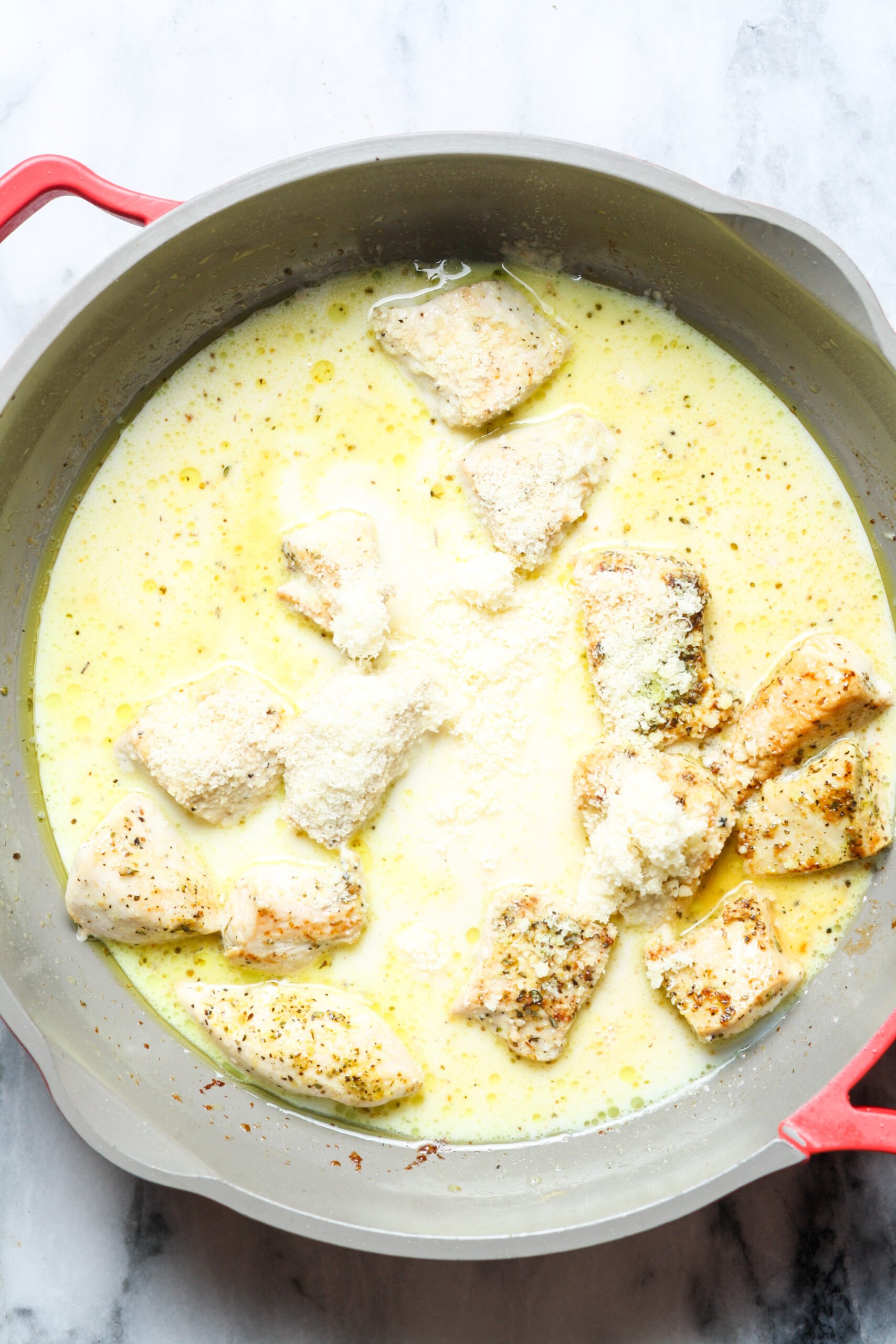
- The Emulsion Process: Adding milk and Parmesan to the skillet after the garlic has been sautéed creates a reduction. The heat must be kept at a moderate level; if the temperature exceeds the point of protein denaturation too rapidly, the cheese may clump. Constant stirring is the mechanical force required to ensure a velvety consistency.
- Final Integration: The union of the pasta and the sauce represents the final step. By folding the noodles into the skillet, the sauce adheres to the surface area of the pasta, resulting in a cohesive dish.
Expert Perspectives and Culinary Best Practices
Culinary professionals often emphasize that the quality of the garlic is the primary determinant of success in this dish. Using freshly minced garlic rather than pre-powdered alternatives provides a sharper, more nuanced flavor profile. Furthermore, the use of ghee—clarified butter—is increasingly recommended for those seeking a higher smoke point, which prevents the butter from browning too quickly during the initial sauté of the chicken.
Regarding the versatility of the dish, nutritionists and home economists alike note that this recipe acts as a "base" for various modifications. For instance, the addition of spinach or cherry tomatoes introduces necessary micronutrients and acidity, which cuts through the richness of the dairy. For households with dietary restrictions, the recipe is highly adaptable; gluten-free pasta varieties have evolved significantly in quality, making them a viable substitute for traditional wheat noodles without sacrificing the structural integrity of the dish.
Economic and Practical Implications
The rise of home-cooked meals like this is not solely a matter of health but also a response to the current economic climate. Food inflation has prompted many families to reduce their reliance on takeout and pre-packaged meal kits. This recipe costs a fraction of a comparable restaurant meal, and the ingredients are readily available at standard grocery outlets.
Furthermore, the storage and longevity of the dish add to its appeal. Properly sealed, the pasta can remain safe for consumption in a refrigerated environment for up to four days. Reheating the dish presents a challenge common to all cream-based pastas: the tendency for the sauce to break or lose its consistency. However, industry experts suggest that re-introducing a small volume of liquid—such as a splash of milk or a tablespoon of water—before heating restores the emulsion, returning the dish to its original state.
Addressing Common Culinary Challenges
The most frequent criticism of cream-based pasta dishes is the failure of the sauce to reach the desired consistency. When the sauce is too thin, it indicates that the evaporation process was insufficient or that the cheese-to-liquid ratio was off. Conversely, a sauce that is too thick is typically the result of excessive heat or prolonged simmering.
The inclusion of FAQs in professional culinary guides is a response to these common pitfalls. For example, replacing whole milk with skim milk often requires a longer reduction time to achieve the same thickness, as the fat content in whole milk contributes significantly to the body of the sauce. Additionally, the use of hard, grating cheeses like Pecorino Romano as a substitute for Parmesan is a recognized culinary pivot that offers a more assertive, salty profile, which can be desirable for some palates.
Conclusion and Future Outlook
The Garlic Chicken Pasta represents a convergence of convenience and quality. It satisfies the modern imperative for fast preparation without resorting to the nutritional compromises associated with processed convenience foods. As the culinary landscape continues to prioritize home-prepared meals that offer both comfort and nutritional value, recipes that rely on fundamental techniques and accessible, whole-food ingredients will likely remain staples of the domestic kitchen.
Whether one is a novice cook or an experienced home chef, the dish provides a reliable framework for experimentation. By understanding the underlying mechanics of the emulsion, the importance of ingredient quality, and the benefits of a structured preparation process, households can continue to produce high-quality, comforting meals that align with both their busy schedules and their dietary goals. Through such simple, effective recipes, the tradition of home cooking remains a vibrant and essential component of modern daily life.
Related posts: