The Rise of Functional Desserts: How Cottage Cheese Brownies are Redefining Home Baking


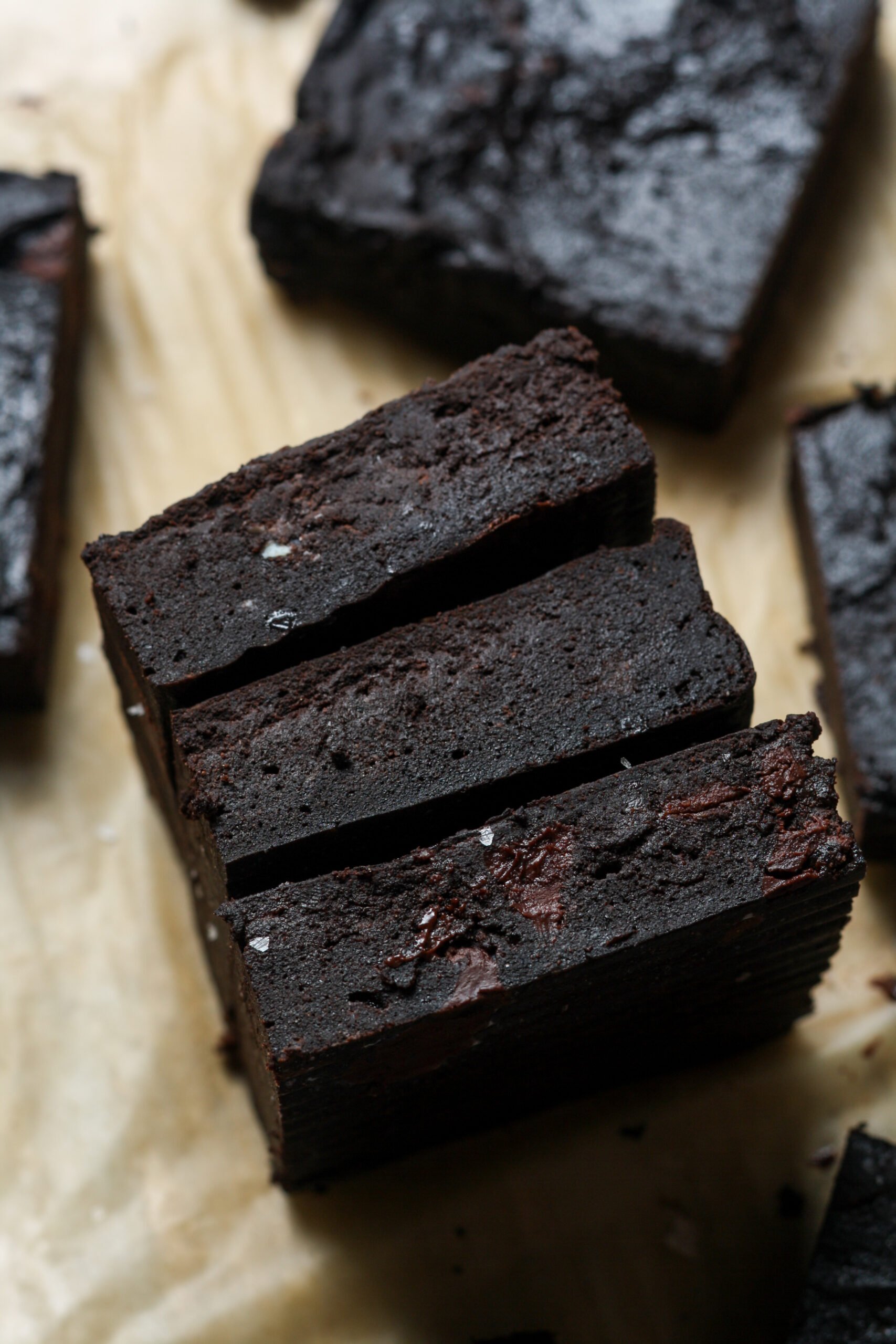
The landscape of modern home baking is undergoing a significant transformation, driven by a consumer shift toward functional foods that balance indulgence with nutritional density. Among the latest trends to emerge from this movement is the cottage cheese brownie—a recipe that replaces traditional high-fat, high-sugar binders with a protein-rich dairy base. This innovation reflects a broader market evolution where staples traditionally associated with savory breakfast or snack categories are being repurposed to address consumer demands for increased protein intake and reduced refined sugar consumption in desserts.
The Nutritional Context of Modern Baking
The popularity of protein-enriched desserts stems from a growing awareness of macronutrient balance. According to market research on dietary trends, over 60% of consumers are actively seeking to increase their daily protein intake, often looking for ways to integrate it into snacks rather than just main meals. Cottage cheese has emerged as a preferred ingredient for this purpose due to its high casein protein content—a slow-digesting protein that aids in satiety.
Unlike traditional brownie recipes that rely heavily on butter or vegetable oils for moisture, the use of blended cottage cheese provides a similar creamy mouthfeel while significantly altering the nutritional profile. A standard brownie is often calorie-dense with high concentrations of saturated fats. By substituting a portion of these fats with blended cottage cheese, bakers can achieve a similar texture while reducing the overall caloric load and boosting the protein content per serving, creating a product that fits more comfortably within a health-conscious lifestyle.

Chronology and the Evolution of the Trend
The integration of cottage cheese into baking is not entirely new; historical culinary practices have long utilized curdled dairy for moisture in cakes and breads. However, the current iteration of the cottage cheese brownie is distinctly modern, popularized by social media platforms and food-tech blogs that emphasize "stealth health"—the practice of adding nutritious ingredients to processed-style foods without compromising their sensory appeal.
Throughout early 2024 and reaching a peak in mid-2025, search engine data indicated a sustained interest in "high-protein desserts." Culinary experts note that the trend followed the widespread success of cottage cheese-based savory dips and spreads. Once the ingredient was successfully integrated into high-heat cooking and savory applications, the transition into baking was a logical, albeit experimental, step for home chefs. The refinement of the technique—specifically the instruction to blend the cottage cheese until it reaches a ricotta-like consistency—has been the critical factor in ensuring that the final product does not possess the granular texture that some consumers find unappealing.

Technical Analysis: The Chemistry of the Recipe
From a food science perspective, the inclusion of cottage cheese in a batter acts as an emulsifier. The proteins within the cheese interact with the flour and cocoa powder to create a structure that is both dense and moist. When baked at 350 degrees Fahrenheit, the moisture from the cottage cheese is retained within the crumb, preventing the "dryness" that is a common failure in low-fat or low-sugar baking.
The standard preparation of these brownies involves a specific sequence designed to maintain structural integrity:

- Preparation of the Base: Melting dark chocolate (typically 70% cocoa or higher to minimize sugar content) provides the primary flavor profile.
- The Emulsion: Blending cottage cheese until completely smooth is required to eliminate the curd texture. When this is whisked into the melted chocolate and sugar, it creates a stable base.
- The Dry Ingredients: Incorporating whole wheat flour or a gluten-free alternative provides the necessary starch to hold the brownie together as the proteins set.
- The Reaction: Baking soda serves as the leavening agent, which is necessary to prevent the brownie from becoming overly dense or "fudge-like" to the point of being undercooked.
Socio-Economic Implications of the Trend
The shift toward these recipes has broader implications for grocery retail and consumer spending. As home cooks pivot toward ingredients like cottage cheese, dark chocolate chips, and coconut sugar, there has been a recorded increase in the sales of premium dairy products. Retailers have responded by expanding the varieties of cottage cheese available, including low-sodium and lactose-free options, to accommodate the baking trend.
Economically, this shift represents a move toward "value-added" home cooking. By preparing these desserts at home, consumers are bypassing the high retail cost of commercially produced "protein bars" or "health snacks," which often carry a significant price markup. The cost-per-serving of a batch of cottage cheese brownies is consistently lower than the equivalent commercial product, providing an incentive for budget-conscious, health-oriented families to adopt this method of preparation.

Expert Perspectives on Dietary Transitions
Nutritionists and dietitians offer a nuanced view of this development. While they acknowledge that replacing butter with cottage cheese increases protein and potentially reduces saturated fat, they caution against the perception that these brownies are "health food" in the same category as fruits or vegetables. The core components—sugar, flour, and chocolate—remain, and therefore, portion control is still essential.
"The benefit here is not that you are eating a salad, but that you are making a conscious choice to upgrade the quality of your indulgence," says one industry analyst. "It is a form of harm reduction in the diet. You are still eating a treat, but you are getting a higher micronutrient return on that caloric investment."

Addressing Culinary Challenges and Criticisms
One of the primary criticisms of the cottage cheese brownie movement is the potential for an "off-flavor" if the wrong type of cottage cheese is used. Culinary professionals emphasize that high-quality, full-fat cottage cheese often yields the best results, as the fat content contributes to the desired fudgy texture. Furthermore, there is a learning curve regarding the "set" of the brownie. Because of the higher water content in cottage cheese compared to butter, these brownies require careful monitoring in the oven to ensure they are set in the center without being burnt on the edges.
The reliance on a blender is another point of contention for some, as it introduces an extra step in the cleaning process. However, the consensus among regular practitioners is that the final texture is indistinguishable from traditional brownies, provided the blending is thorough. This has led to a secondary market of kitchen appliances designed for high-efficiency blending, which has seen a minor uptick in sales correlated with the popularity of these recipes.

Future Outlook for Functional Baking
The longevity of the cottage cheese brownie trend remains to be seen. As the food industry continues to innovate, it is likely that other protein-dense ingredients will be tested in dessert applications. However, the success of this particular recipe underscores a permanent change in how consumers view their pantry staples. The boundaries between "baking ingredients" and "protein sources" have blurred.
In the near term, we can expect to see an increase in pre-mixed, shelf-stable protein baking kits that utilize powdered forms of high-protein dairy, potentially further simplifying the process for the average consumer. As with any trend, the initial excitement will eventually level off, but the knowledge that one can incorporate healthy proteins into traditional sweets is a development that is unlikely to be reversed.
Conclusion
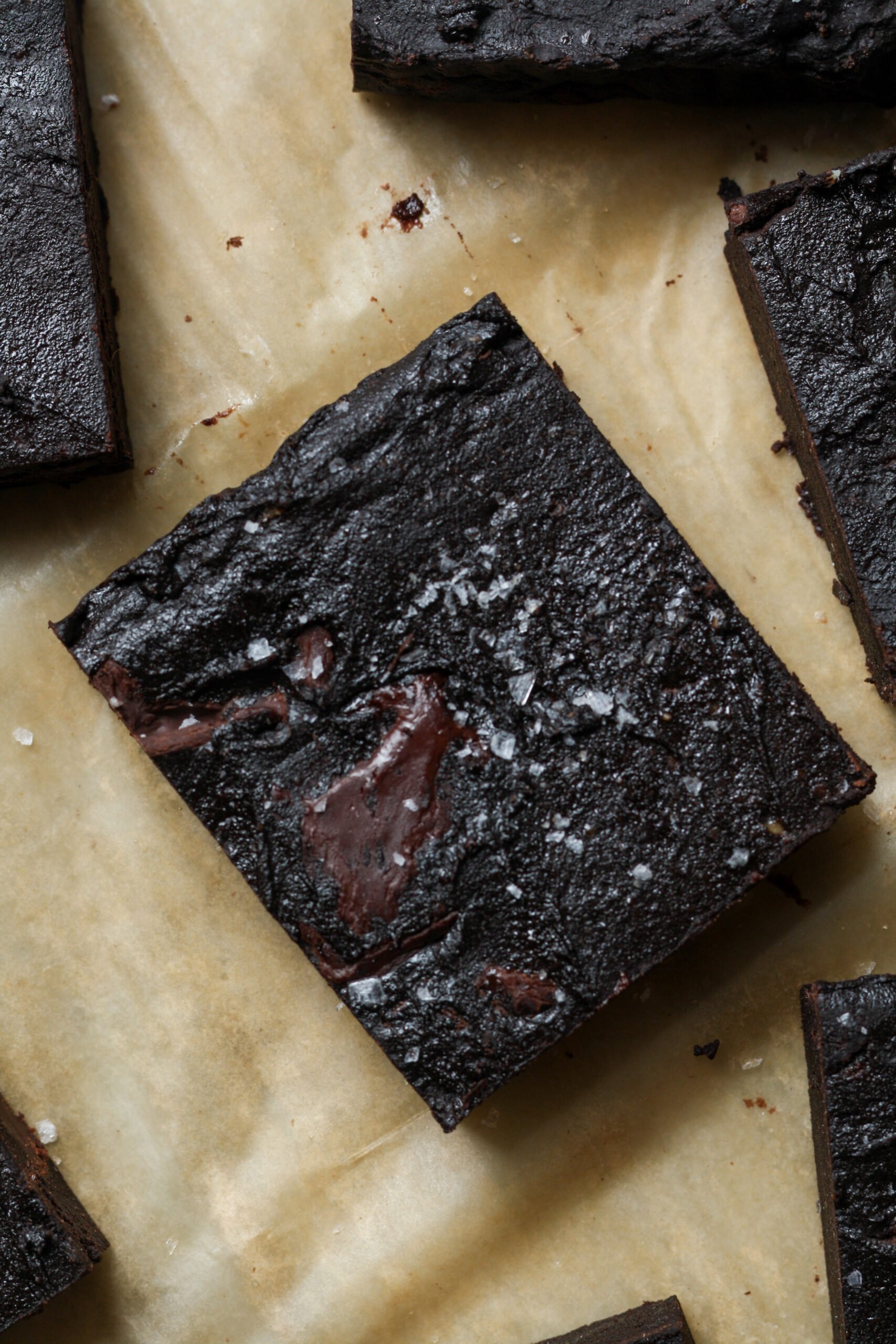
The cottage cheese brownie is more than just a passing social media trend; it is a symptom of a sophisticated consumer base that demands more from its food. By prioritizing ingredients that serve a dual purpose—providing both the sensory experience of a dessert and the functional benefit of protein—home bakers are successfully navigating the intersection of culinary tradition and modern health science. As this trend matures, it will likely continue to influence product development in the mainstream food sector, signaling a future where the distinction between "indulgent" and "nutritious" becomes increasingly thin.