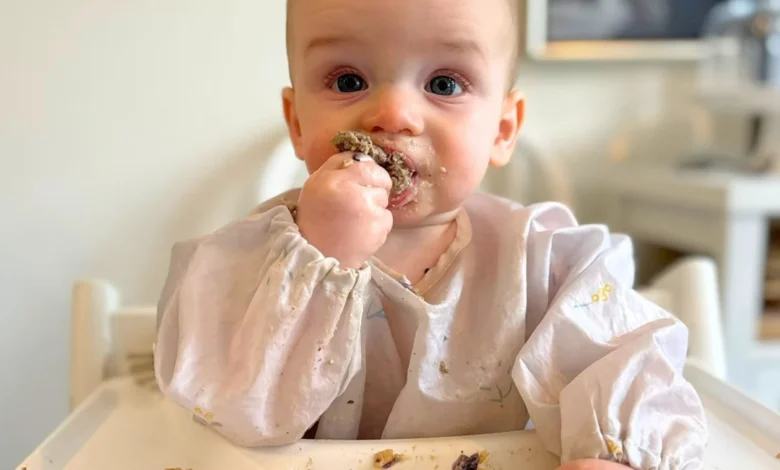
When parents begin the transition to solid foods, the traditional focus often leans heavily toward soft fruits and vegetables like bananas and avocados. However, pediatric nutritionists and health organizations are increasingly emphasizing the critical role of iron-rich foods, particularly red meat, in a child’s developmental journey. Ground beef, in particular, has emerged as a cornerstone recommendation for infants as they reach the six-month mark, a period characterized by a rapid depletion of iron stores acquired during gestation.
The shift toward incorporating red meat into early infant diets is driven by the urgent need to address iron deficiency, which remains the most prevalent nutritional deficiency among children worldwide. As infants reach six months of age, their natural iron reserves begin to decline, necessitating the introduction of nutrient-dense, easily absorbable sources of iron. Unlike the non-heme iron found in plant-based cereals and vegetables, the heme iron provided by beef is significantly more bioavailable, meaning it is more efficiently absorbed and utilized by the developing human body.

Nutritional Significance and Developmental Impact
The nutritional profile of red meat extends far beyond iron. Beef serves as a dense source of high-quality protein, zinc, vitamin B12, and selenium. These nutrients are fundamental to immune system function, cognitive development, and healthy cellular growth. Furthermore, the healthy fats present in beef, including polyunsaturated and saturated fats, are essential for supporting the rapid brain development that occurs during the first two years of life.

Recent clinical perspectives suggest that delaying the introduction of meat can lead to suboptimal intake of these vital nutrients. While many parents historically turned to fortified infant cereals, these products contain non-heme iron, which is less effective at preventing anemia. Pediatric dietitians note that heme iron from animal sources should be a primary target for infants starting around 6 to 7 months of age, with recommendations often suggesting the inclusion of iron-rich foods at least twice daily by the 8-to-12-month window, and at every meal for children aged 12 to 24 months.
Addressing Parental Concerns Regarding Red Meat
Public discourse surrounding red meat has often been clouded by conflicting reports and broad generalizations. A common point of confusion for parents is the distinction between processed and unprocessed red meat. Extensive health research has consistently indicated that the consumption of processed meats—such as hot dogs, cured deli meats, pepperoni, and bacon—is linked to long-term health risks, including cardiovascular disease and certain types of cancer. These risks are largely attributed to the chemical preservatives, nitrates, and high sodium content involved in the processing, smoking, and curing of these products.
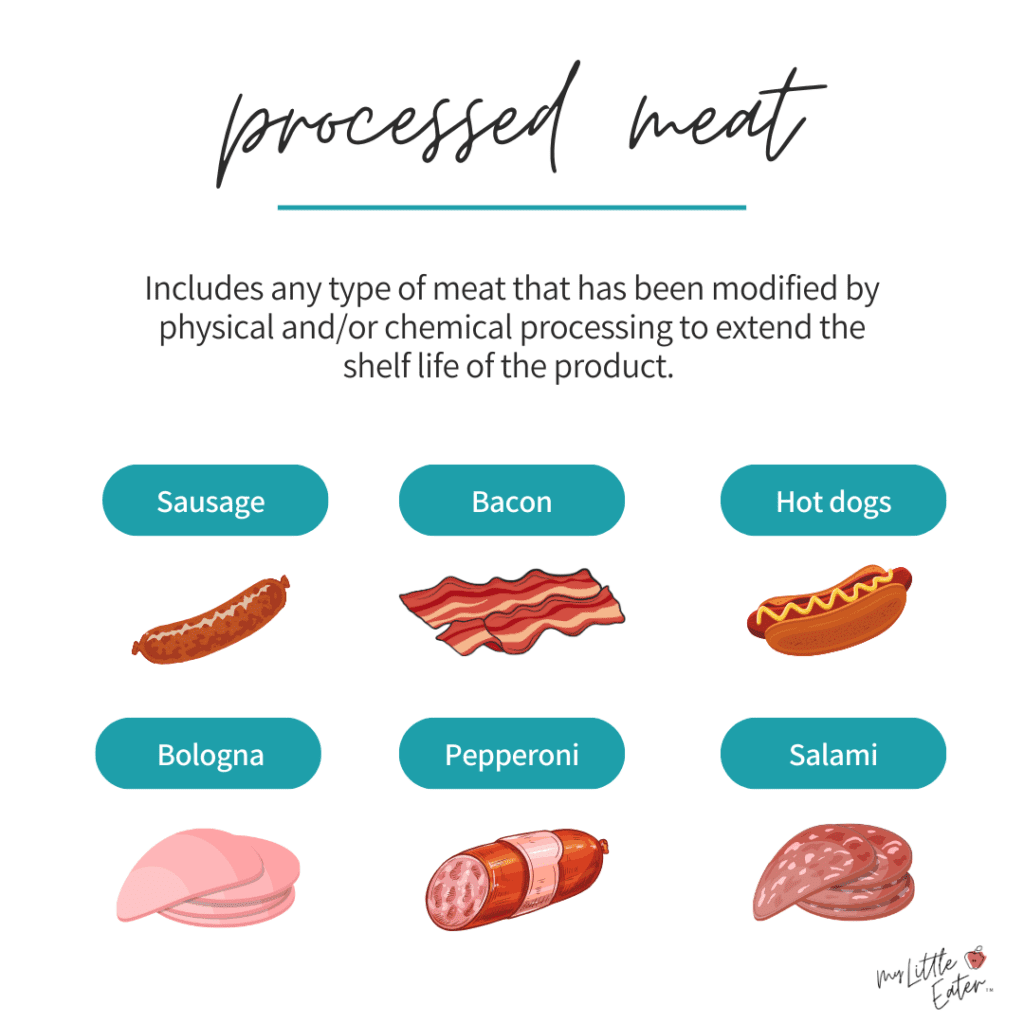
In contrast, unprocessed red meat—fresh beef, lamb, and pork—does not carry the same documented health risks. The medical consensus suggests that when prepared simply and without excessive processing, fresh red meat is a safe and highly nutritious component of a balanced diet. The controversy often stems from observational studies that struggle to isolate the effects of meat consumption from other lifestyle factors, such as physical activity levels, smoking, and general dietary patterns. For infants, whose growth needs are high and whose exposure to processed foods is minimal, fresh ground beef is considered an ideal, whole-food option.

Safe Preparation and Serving Chronology
Safety is the paramount concern for parents transitioning their infants to solid textures. While ground beef is not classified as a significant choking hazard, its texture and preparation method must align with the infant’s developmental stage.
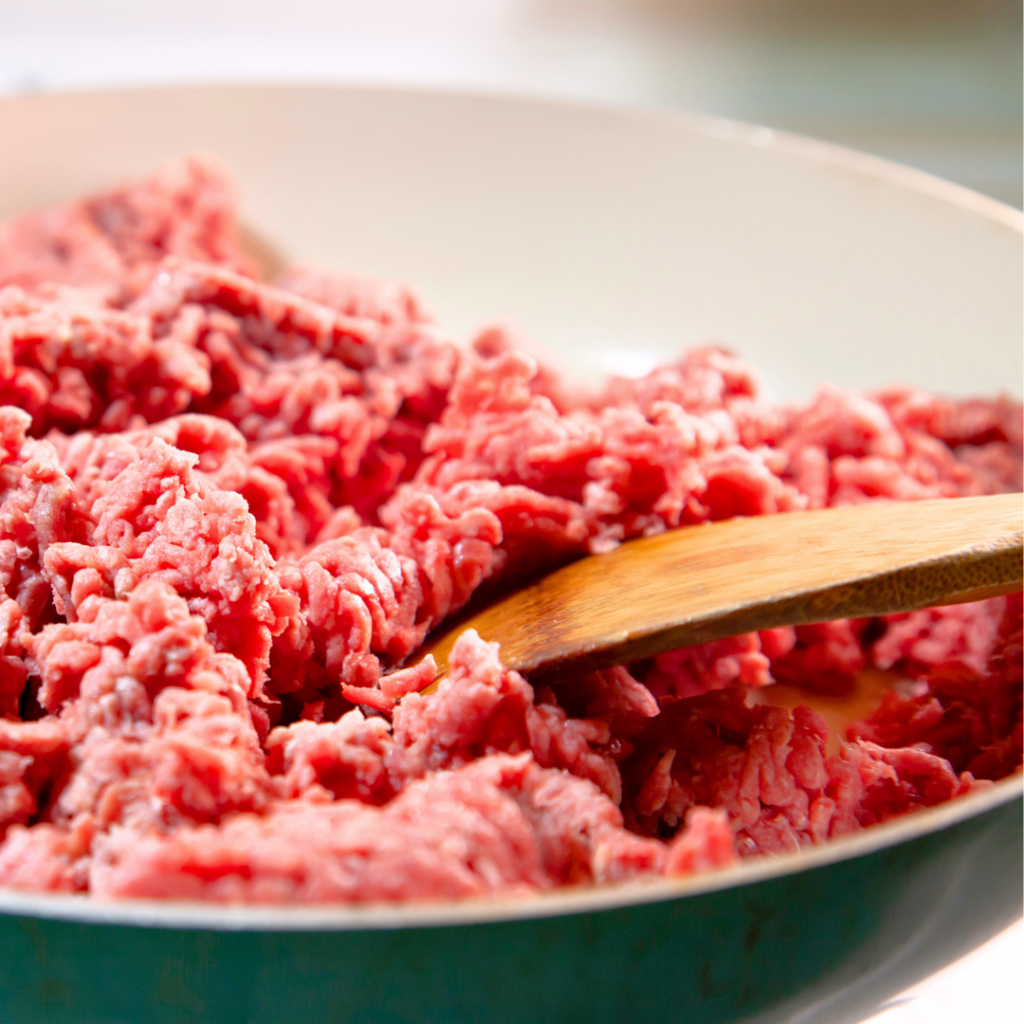
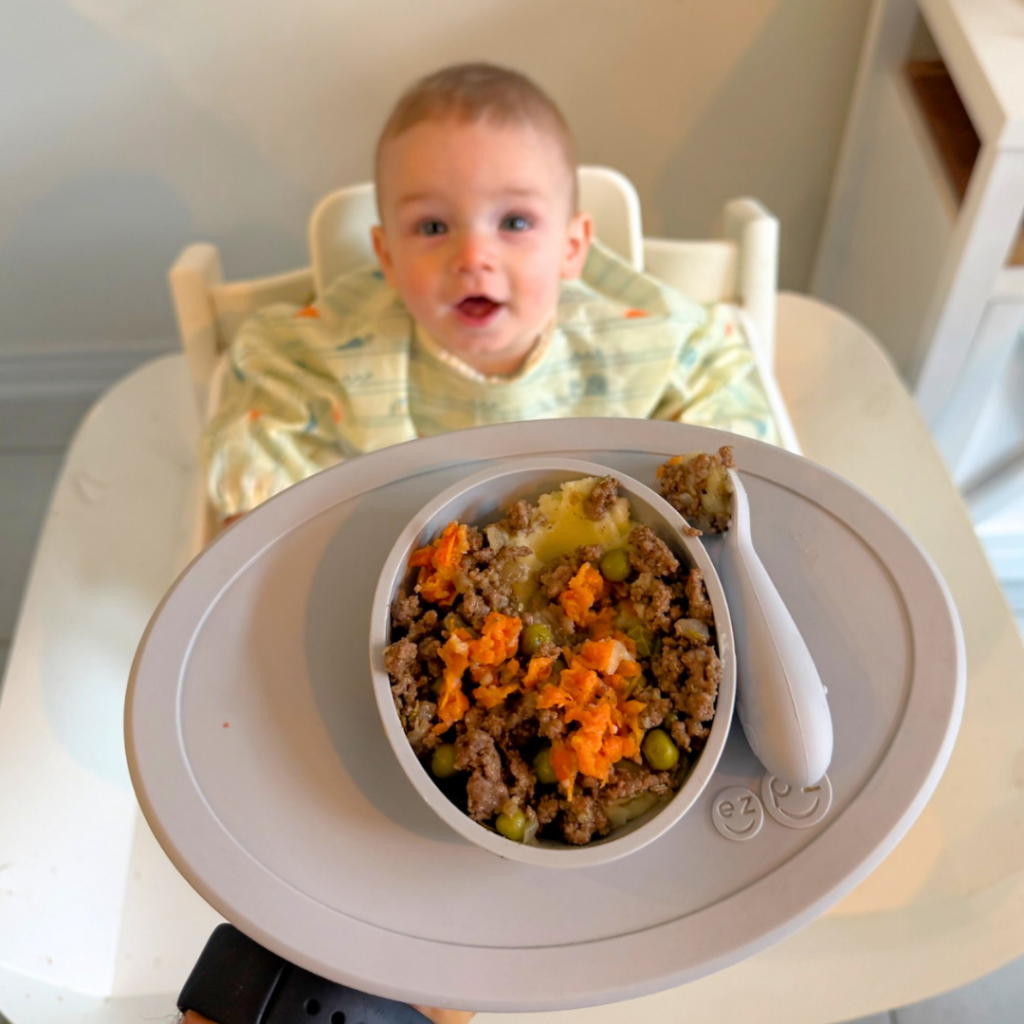
For younger infants around the six-month mark, the goal is often to provide iron without requiring complex chewing skills. This can be achieved through pureed mixtures, where cooked ground beef is blended with breast milk or formula to create a smooth, nutrient-dense paste. As infants progress through the "Texture Timeline"—a developmental approach to food introduction—the consistency of the beef can be gradually increased to include lumpy purees or finely crumbled meat mixed into soft, easy-to-scoop foods like mashed potatoes.
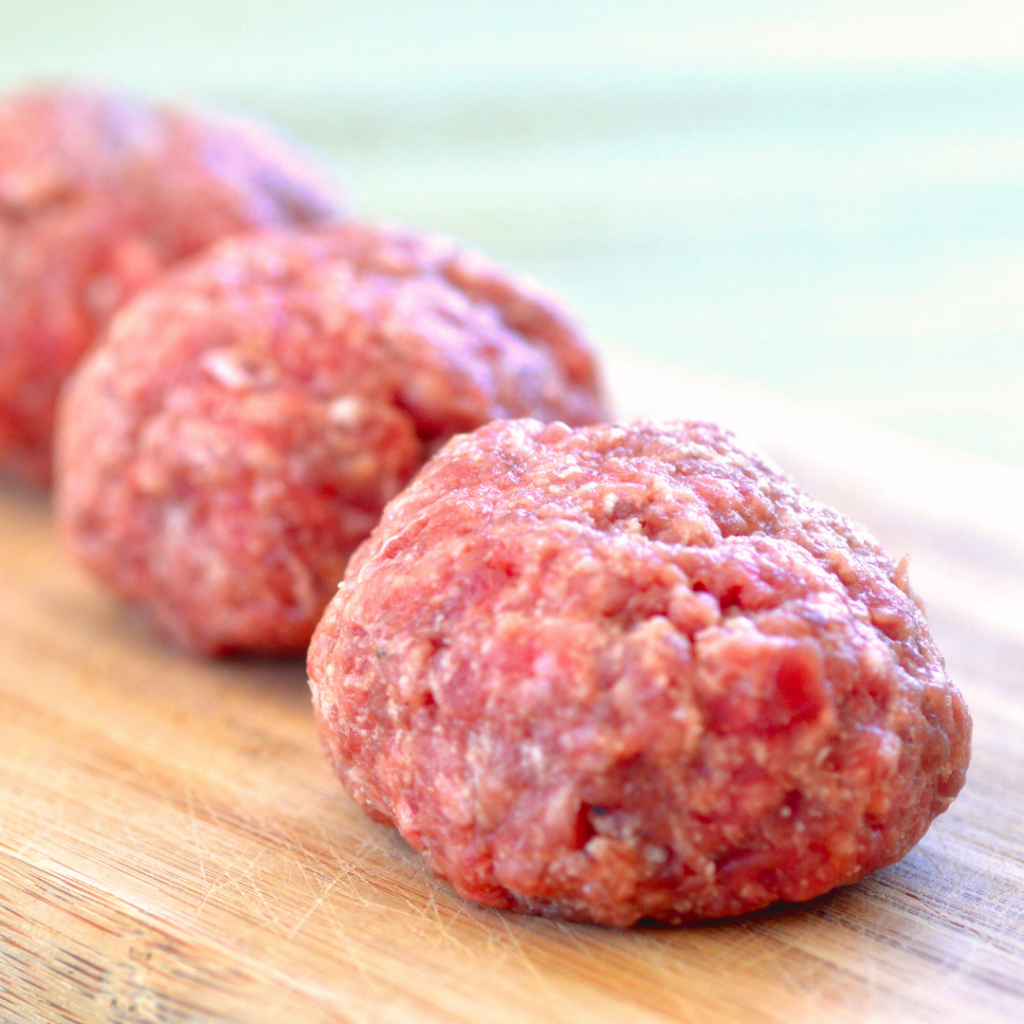
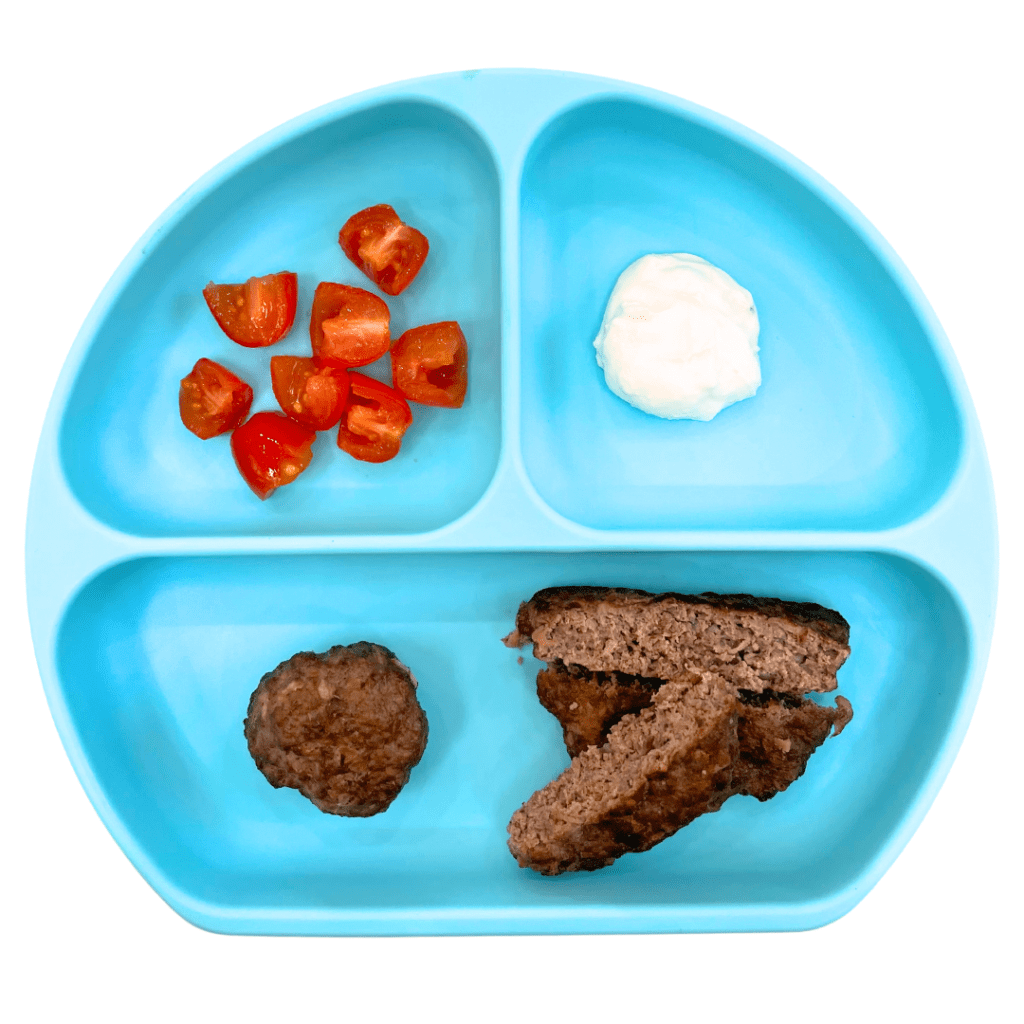
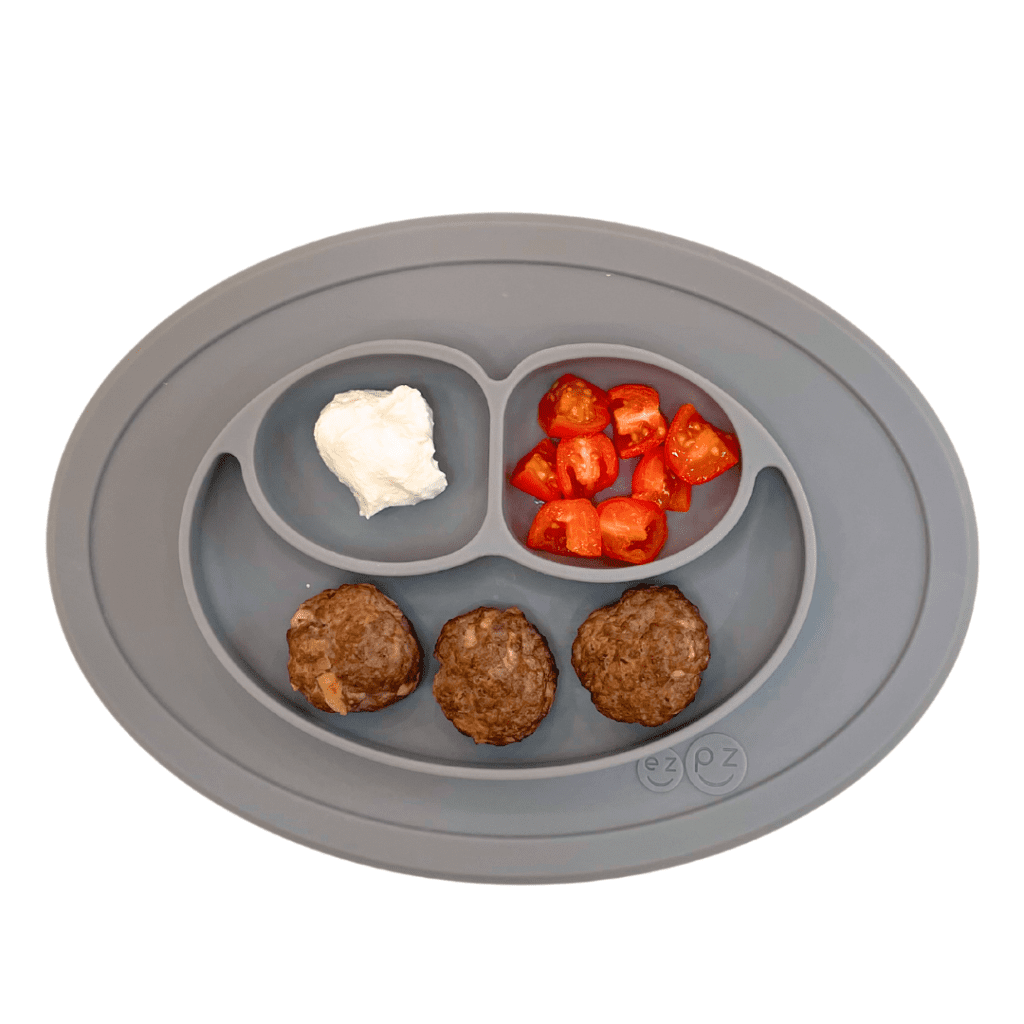
Once infants develop the ability to grasp objects, usually with a palmar grasp, they can be introduced to finger foods. Ground beef is particularly suitable here because it can be formed into strips or patties. These pieces should be roughly the size of an adult’s pinky finger. This size allows the infant to hold the food securely while practicing the motions of bringing it to their mouth. Even if the infant cannot consume the entire portion, the act of sucking the iron-rich juices from the meat provides significant nutritional value and promotes independent feeding habits. By the nine-month mark, as the pincer grasp—the ability to pick up small objects between the thumb and forefinger—develops, infants can manage smaller, bite-sized pieces.
Culinary Techniques for Optimal Texture
To ensure that ground beef remains safe and palatable, moisture is key. Dry, crumbly meat is more difficult for an infant to manipulate and swallow safely. Chefs and nutritionists recommend several techniques to maintain the integrity of the meat during cooking:
- Hydration: Incorporating ingredients such as milk or breadcrumbs into the raw meat mixture helps retain moisture during the cooking process.
- Gentle Cooking: Slower, more controlled methods like baking or roasting are preferred over high-heat grilling or charring, which can dry out the meat and potentially create chemical byproducts like heterocyclic amines (HCAs).
- Use of Sauces: Pairing ground beef with nutrient-rich sauces, such as tomato-based options, helps enhance flavor while adding a source of Vitamin C, which is known to significantly boost the absorption of non-heme iron from other meal components.
- Temperature Control: Regardless of the cooking method, all ground beef must reach an internal temperature of 160°F (71°C) to ensure the elimination of harmful pathogens.
Recipe: Apple Sage Baby Burgers
This recipe illustrates how to combine flavor and nutrition in a format suitable for the whole family.
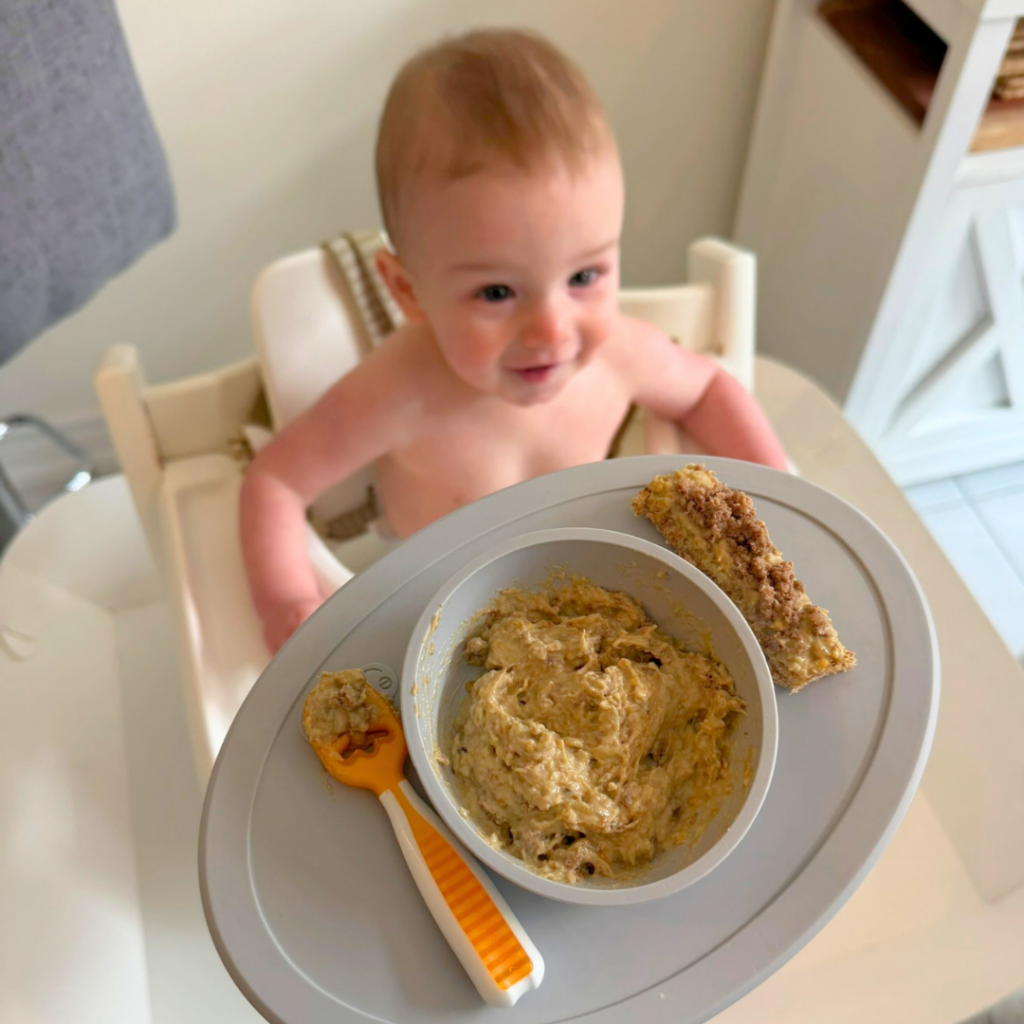
Ingredients:

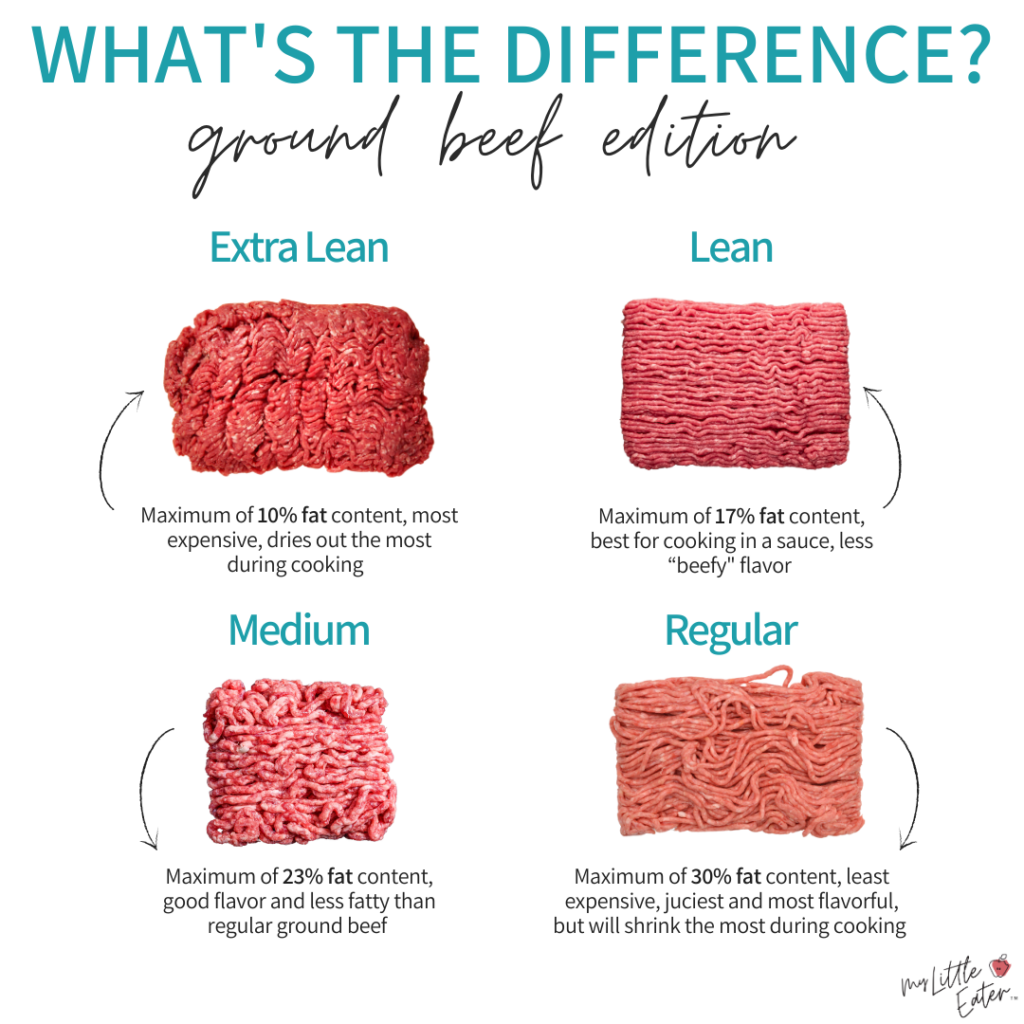
- 1 lb (approx. 450g) lean or medium ground beef
- 1/2 cup grated apple (adds natural sweetness and moisture)
- 1/4 cup breadcrumbs
- 1 tbsp fresh sage, finely chopped (or 1 tsp dried)
- 1 egg (to act as a binder)
- Optional: A splash of milk to ensure a juicy texture
Instructions:
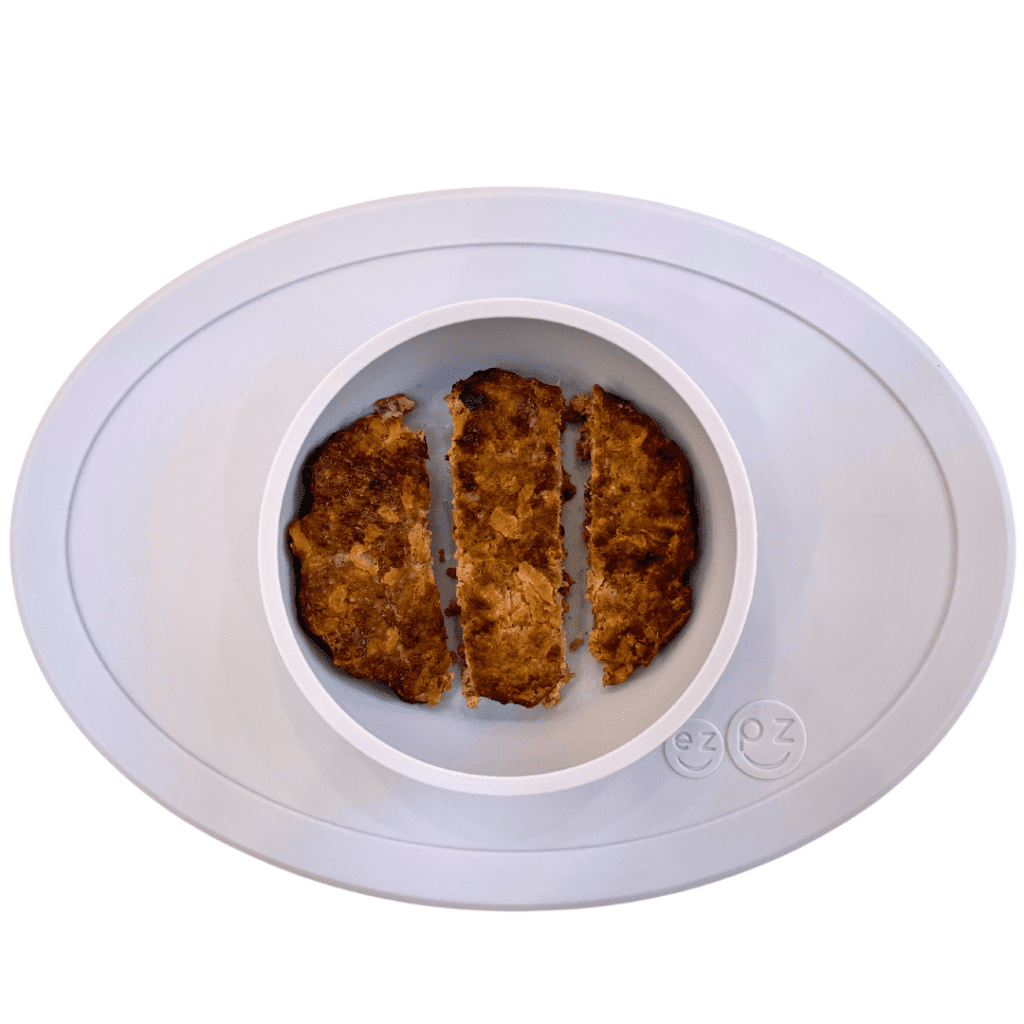
- Preparation: Preheat the oven to 400°F (200°C).
- Mixing: In a large bowl, combine the beef, grated apple, breadcrumbs, sage, and egg. Use clean hands to mix until well-incorporated.
- Forming: Shape the mixture into patties, roughly 1/2 inch thick and 4 inches wide, keeping in mind that the meat will shrink slightly during the cooking process.
- Baking: Place the patties on a parchment-lined baking sheet. Bake for approximately 20 minutes, flipping halfway through, until an internal temperature of 160°F is achieved.
- Serving: For infants, serve in finger-length strips or small, moist meatballs. For toddlers, the burger can be served on a bun, cut into quarters for easier handling.
Broader Implications for Early Childhood Nutrition
The integration of ground beef into infant diets represents a shift toward more intentional, nutrient-focused feeding strategies. By prioritizing iron-rich foods in the first year of life, parents can effectively mitigate the risks of iron deficiency anemia and support long-term cognitive and physical health. The emphasis on home-prepared, minimally processed meat also aligns with broader nutritional guidelines that advocate for whole foods over pre-packaged, fortified convenience items.
Ultimately, the transition to solid foods is a learning process for both the infant and the caregiver. As infants explore different textures, flavors, and methods of self-feeding, they gain the skills necessary for healthy eating habits that last a lifetime. By focusing on evidence-based practices—such as the early introduction of heme iron—parents can approach the introduction of solids with confidence, ensuring their children receive the foundational nutrients required for their developmental milestones.