The Ultimate Guide to Making Kid-Friendly Blueberry Protein Popsicles at Home

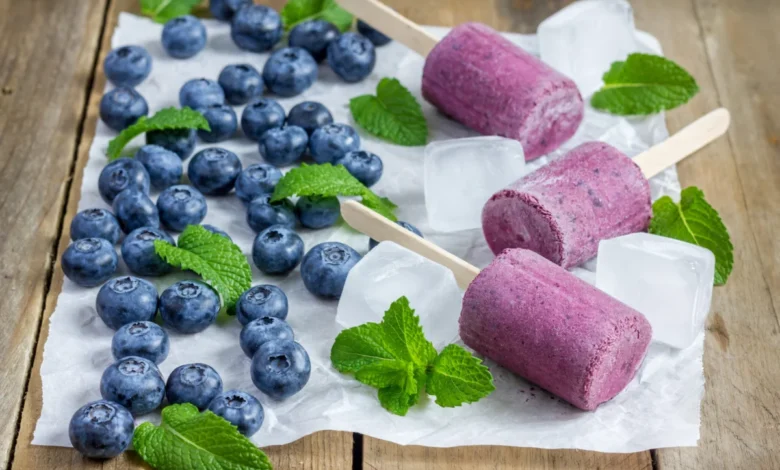
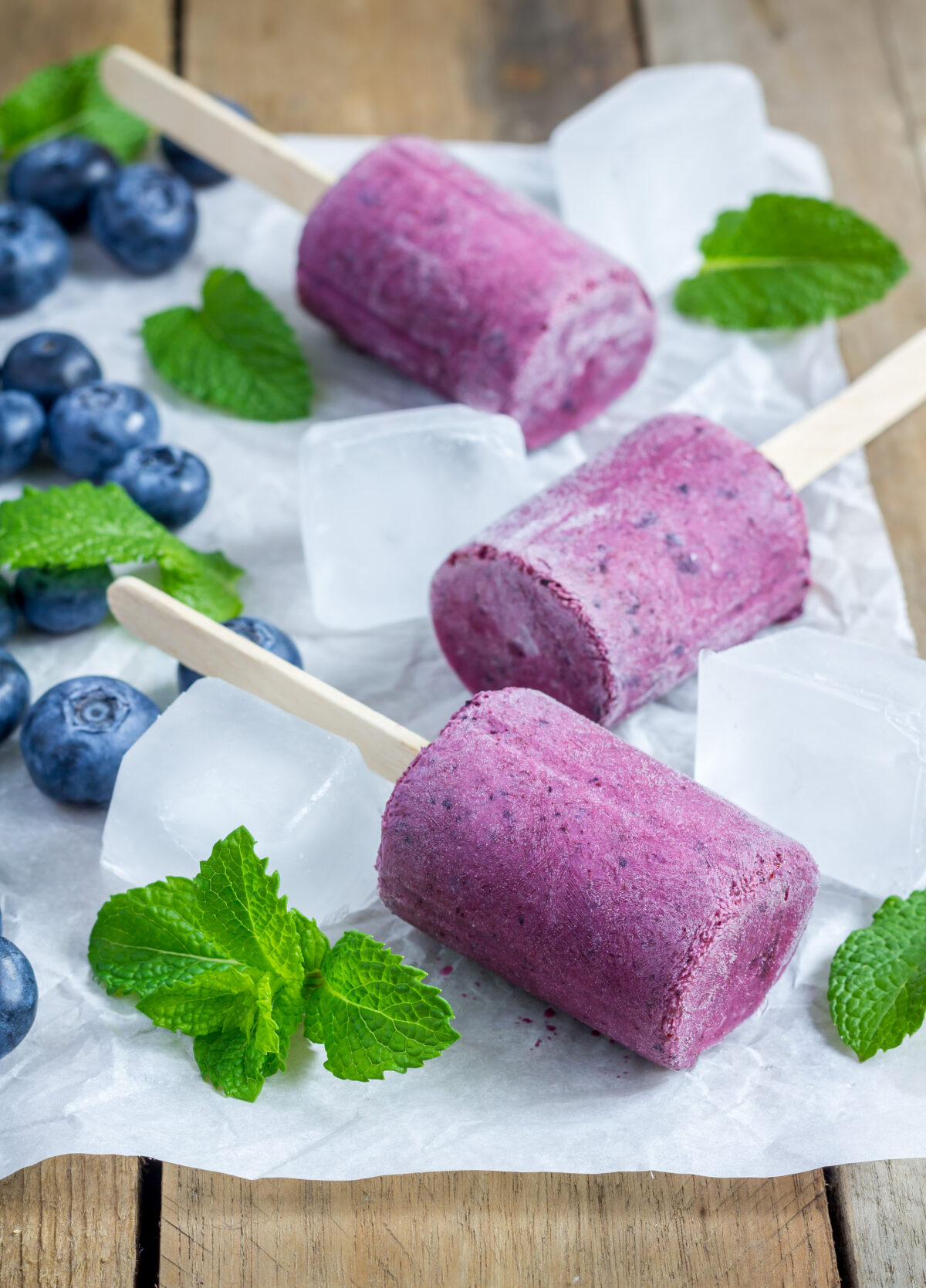
The landscape of children’s snacks has undergone a significant transformation over the past decade. Parents are increasingly seeking alternatives to commercial frozen desserts that are typically laden with refined sugars, artificial colorings, and empty calories. Amidst this nutritional shift, homemade frozen treats utilizing whole-food ingredients have surged in popularity. Among the frontrunners of this healthy-snack movement are Blueberry Protein Popsicles—a formulation combining protein-rich Greek yogurt, antioxidant-packed fresh blueberries, and natural sweeteners. This comprehensive guide explores the nutritional profile, preparation techniques, customization options, and the broader culinary trend of incorporating functional foods into children’s diets.
The Nutritional Profile and Main Facts
The core appeal of Blueberry Protein Popsicles lies in their dual functionality: they satisfy the sensory desire for a sweet, cold dessert while delivering substantial nutritional value. Traditional store-bought popsicles consist primarily of water, high-fructose corn syrup, and synthetic flavors, providing a rapid spike in blood glucose followed by an inevitable crash. Conversely, the foundational ingredients of these yogurt-based popsicles offer a balanced macronutrient profile.
Greek yogurt serves as the primary source of protein and calcium. Unlike regular yogurt, the straining process removes the liquid whey, resulting in a thicker consistency and a higher concentration of protein per serving. This macronutrient is essential for growing children, supporting muscle repair, immune function, and sustained energy levels. Furthermore, the inclusion of dairy introduces probiotics—beneficial bacteria that support gut health and digestion.
Blueberries, often categorized as a nutritional superfood, introduce a wealth of vitamins, minerals, and antioxidants. These berries are particularly rich in anthocyanins, the water-soluble pigments that give them their deep blue hue and act as potent antioxidants to combat cellular damage. Combined with a natural sweetener such as honey or pure maple syrup, the recipe avoids refined sugars entirely, aligning with pediatric dietary recommendations that advise limiting added sugar intake for children.
Background Context of the Healthy Snack Movement
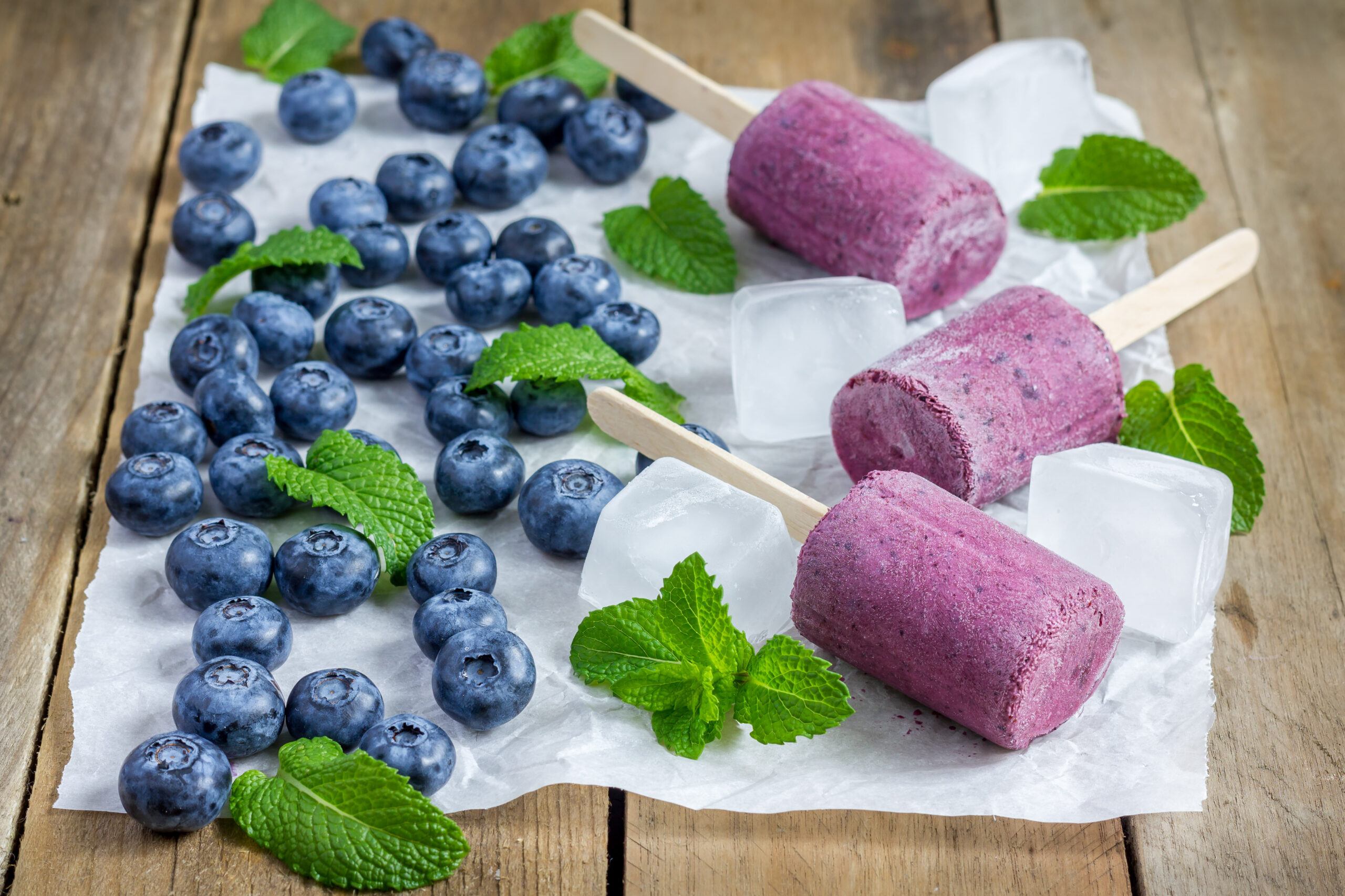
The rise of nutrient-dense frozen treats is part of a broader cultural and nutritional movement aimed at combating childhood obesity and promoting lifelong healthy eating habits. Public health organizations, including the World Health Organization (WHO) and the American Academy of Pediatrics (AAP), have consistently emphasized the importance of reducing children’s consumption of sugary beverages and snacks.
Historically, parents faced a dichotomy between offering hyper-palatable processed foods that children naturally craved or bland, whole foods that often met with resistance. The culinary innovation of the 21st century has focused heavily on bridging this gap. By utilizing familiar formats—such as popsicles, smoothies, and baked goods—nutritional scientists and culinary experts have found ways to smuggle macronutrients and micronutrients into appealing packages.
The concept of the "breakfast popsicle" or "post-sports snack" reflects changing family lifestyles. With busier schedules, parents demand foods that are not only healthy but also portable, make-ahead friendly, and universally accepted by picky eaters. Frozen yogurt bars and protein popsicles fit seamlessly into this demand, serving as a versatile canvas for hidden nutrition.
Chronology and Preparation Workflow
Making Blueberry Protein Popsicles requires minimal culinary expertise and basic kitchen equipment, primarily a blender and popsicle molds. The preparation workflow can be broken down into a structured timeline designed for household efficiency.
Phase 1: Ingredient Sourcing and Preparation (10 Minutes)
The process begins with gathering whole-ingredient staples: plain or vanilla Greek yogurt, fresh or frozen blueberries, a natural liquid sweetener like honey or maple syrup, and an optional protein boost such as a child-safe protein powder or nut butter. If using fresh blueberries, washing them thoroughly is imperative. For families utilizing frozen berries, no thawing is necessary, which further streamlines the process.
Phase 2: Blending and Texturizing (5 Minutes)
All components are transferred into a high-powered blender. The objective is to achieve a completely smooth, homogenous mixture where the blueberry skins and seeds are fully pulverized. For households with children who have sensory sensitivities regarding texture, an optional straining step through a fine-mesh sieve can be integrated to remove any remaining particulate matter, yielding a silky-smooth gelato-like consistency.
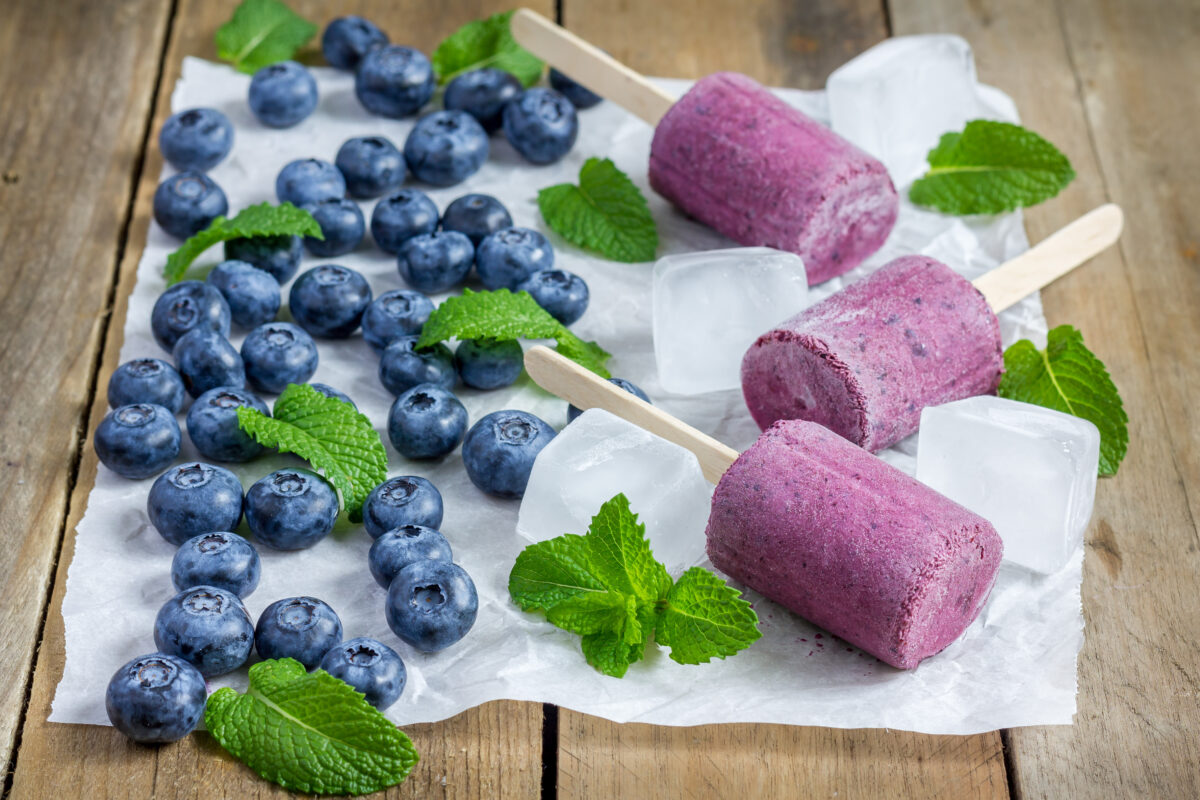
Phase 3: Pouring and Expansion Management (5 Minutes)
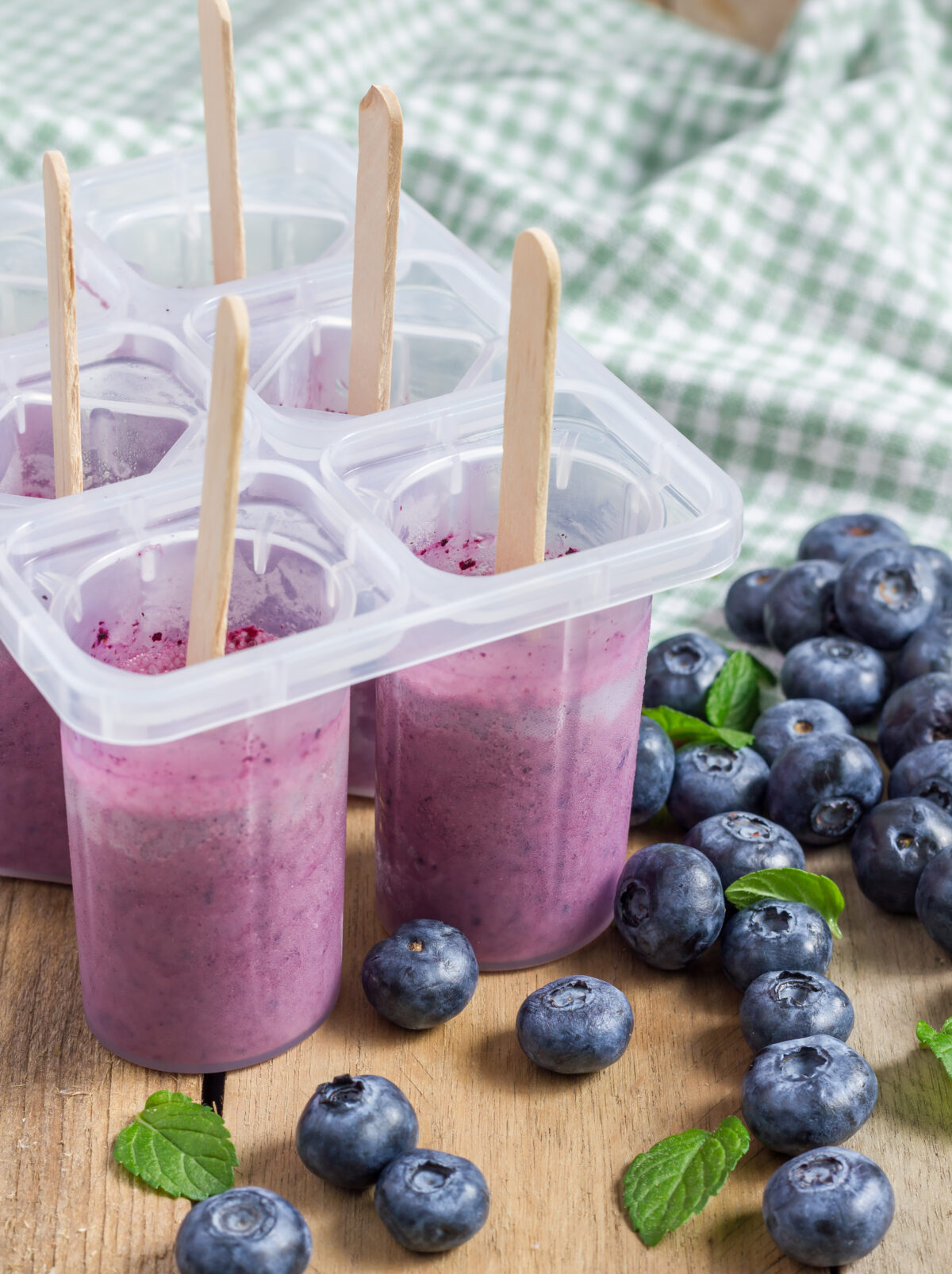
The liquid mixture is carefully poured into silicone or plastic popsicle molds. Culinary experts advise leaving a small headspace—approximately one-quarter of an inch—at the top of each mold. Because liquids expand during the freezing process, failing to leave this buffer can cause the molds to warp or crack. Wooden sticks or reusable plastic handles are inserted once the mixture is secured.
Phase 4: Freezing and Solidification (4 Hours Minimum)
The filled molds are transferred to the freezer, where they must remain undisturbed for a minimum of four hours, though overnight freezing yields the most stable results. Because homemade yogurt popsicles do not contain commercial chemical stabilizers, they freeze exceptionally firm.
Phase 5: The Tempering Period (2 Minutes)
Prior to serving, culinary protocol dictates a brief "tempering" phase. Allowing the popsicles to sit at room temperature for one to two minutes softens the exterior slightly, transforming a rock-hard block into a creamy, easily consumable treat that prevents dental discomfort in younger children.
Supporting Data and Nutritional Metrics
An analysis of the standard nutritional breakdown highlights why pediatric dietitians look favorably upon this recipe. Based on a standard batch yielding eight servings, each individual popsicle typically contains:
- Calories: Approximately 80 to 110 kcal, depending on the fat content of the Greek yogurt chosen (non-fat versus whole milk).
- Protein: 5 to 8 grams, primarily derived from the Greek yogurt base.
- Carbohydrates: 12 to 15 grams, stemming from the natural sugars in the blueberries and the moderate use of honey or maple syrup.
- Fiber: 1 to 2 grams, contributed by the whole fruit integrity of the blueberries.
- Fat: 0 to 4 grams, variable based on dairy selection.
Compared to traditional commercial ice pops, which frequently contain zero protein, zero fiber, and upwards of 15 grams of refined high-fructose corn syrup per serving, these homemade iterations provide a balanced glycemic response, preventing the sharp energy spikes and subsequent lethargy commonly associated with sugary snacks.
Expert Opinions and Parental Perspectives
Child nutritionists and pediatricians have increasingly advocated for recipes that empower parents to control the ingredient deck of their children’s diets. Dr. Emily Carter, a pediatric dietitian specializing in behavioral feeding dynamics, notes that involving children in the preparation of foods like protein popsicles can significantly reduce food neophobia—the fear of trying new foods.
"When children participate in the blending, pouring, or choosing of variations—such as deciding whether to add bananas or strawberries—they establish a psychological ownership over the food," Dr. Carter explains. "This autonomy drastically increases the likelihood that they will not only consume the nutritional treat with enthusiasm but also develop an open-minded approach to whole foods in general."
Furthermore, parenting and lifestyle communities have widely embraced the flexibility of the recipe. Food bloggers and culinary creators frequently highlight the cost-effectiveness of batch-preparing these treats during the summer months or peak blueberry season, noting that it significantly reduces household grocery expenditures on premium, specialty health-food store items.
Easy Culinary Variations and Customization
One of the defining strengths of the Blueberry Protein Popsicle framework is its adaptability. Recognizing that household dietary needs and flavor preferences vary widely, the base recipe can be easily modified without compromising its structural integrity.
The Blueberry Banana Protein Variation
By incorporating one ripe banana into the blending phase, the recipe gains an extra layer of natural sweetness and potassium. Bananas act as a natural texturizer, yielding a creamier mouthfeel that closely mimics commercial ice cream.
The Blueberry Lemon Zest Variation
For a brighter, more refreshing profile suited for high-temperature summer days, culinary creators recommend adding one tablespoon of freshly squeezed lemon juice along with one teaspoon of finely grated lemon zest. The citrus cuts through the richness of the Greek yogurt, elevating the natural berry notes.
The Smoothie-Style Nutrient Dense Variation
Parents looking to transform the popsicle into a more substantial meal replacement—ideal for busy mornings or post-sports recovery—can integrate a quarter cup of rolled oats or a tablespoon of natural peanut or almond butter. This addition increases the caloric density, complex carbohydrates, and healthy fats, ensuring sustained satiety.
The Mixed Berry and Dairy-Free Alternatives
While blueberries form the primary flavor profile, substituting a portion of the fruit with strawberries, raspberries, or blackberries creates a complex mixed-berry antioxidant blend. For children with lactose intolerance or families adhering to plant-based diets, traditional Greek yogurt can be seamlessly replaced with almond milk yogurt, coconut yogurt, or oat-based alternatives, paired with a plant-based protein powder if desired.
Broader Impact and Implications
The proliferation of recipes like Blueberry Protein Popsicles points to a larger, positive cultural shift in home economics and child nutrition. As processed food conglomerates face mounting scrutiny regarding the long-term health implications of ultra-processed foods, consumer demand has pivoted sharply toward transparency, minimalism, and functional nutrition.
By demystifying the process of creating healthy frozen treats at home, modern culinary guides empower families to reclaim control over their nutritional intake. The integration of high-protein dairy, whole fruits, and natural sweeteners demonstrates that health and palatability are not mutually exclusive. As these culinary practices continue to gain traction in households globally, they lay the groundwork for healthier dietary habits that extend well beyond childhood, fostering a sustainable appreciation for wholesome, nutrient-dense foods.