The Ultimate Freezer-Friendly High Protein Meatballs Recipe Changes Weeknight Family Dinners

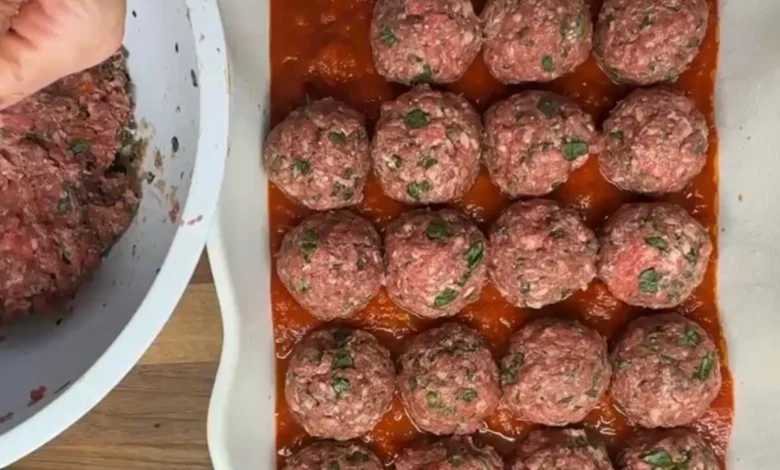
The modern culinary landscape is perpetually searching for the intersection between nutritional density, familial appeal, and extreme convenience. In response to the growing demand for meals that satisfy both rigorous health parameters and the notoriously selective palates of children, culinary creator Sara Judkins of Hungry Nutrition has introduced a comprehensive solution: a high-protein meatball recipe engineered specifically to transition seamlessly from the freezer directly to the oven. Developed to alleviate the universal stress of chaotic weeknight meal preparation, this innovative recipe combines extra-lean ground beef, savory pork sausage, whole eggs, and nutrient-rich spinach into a cohesive, versatile main course that redefines the traditional Italian meatball.
As families increasingly navigate busy schedules filled with extracurricular activities, professional commitments, and school obligations, the pressure to provide home-cooked, wholesome meals has never been higher. Traditional meal planning often falls victim to the friction of time constraints, leading to a reliance on heavily processed convenience foods. Recognizing this friction, Judkins designed her culinary blueprint around the concept of batch cooking and long-term freezer storage. By eliminating the necessity of thawing the protein prior to cooking, the recipe removes a primary procedural hurdle that deters many home cooks from utilizing their freezers effectively.
Nutritional Architecture and Ingredient Synergy
At the core of this recipe’s success is the deliberate selection and balance of its primary components. Nutritional science emphasizes the importance of adequate protein consumption for muscle maintenance, metabolic regulation, and sustained satiety, particularly for growing children. By utilizing a foundation of extra-lean ground beef paired with traditional pork sausage, the dish achieves a superior protein profile while maintaining the essential moisture and rich flavor profile that lean meats often lack when cooked independently.
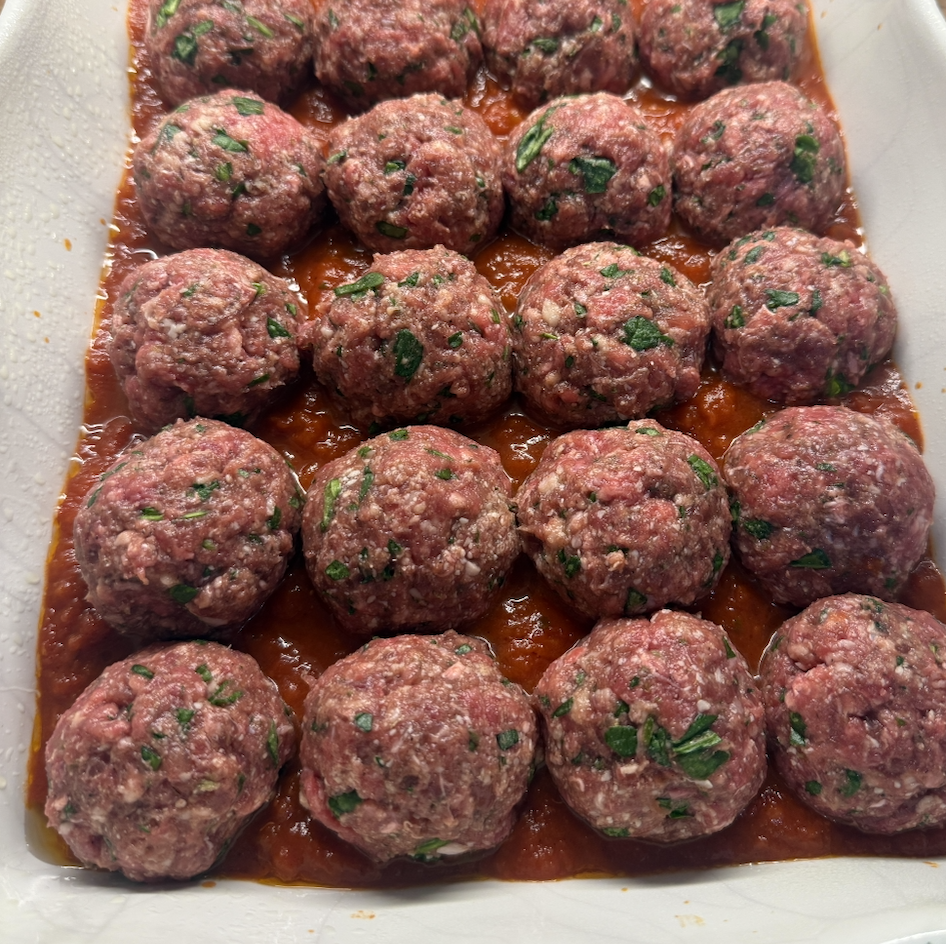
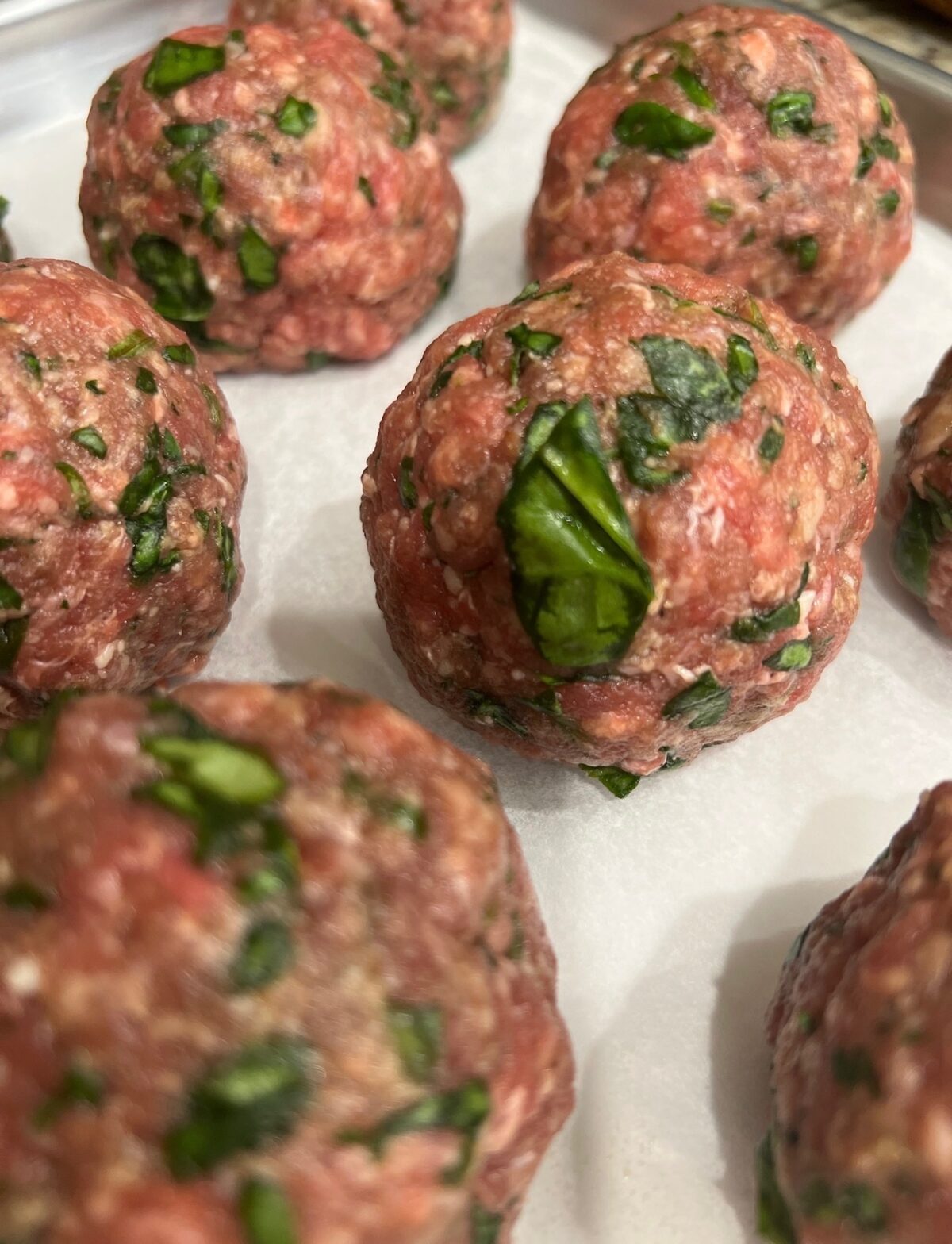
The inclusion of fresh spinach addresses another critical dietary objective: the integration of micronutrients and dietary fiber into mainstream comfort foods. Dietary guidelines consistently highlight the challenge of vegetable consumption among younger demographics. By finely chopping or food-processing the spinach until it reaches a micro-texture, the recipe effectively conceals the greens without stripping away their nutritional value. Once incorporated into the meat matrix and subjected to high heat, the spinach diminishes into the background, imparting a vibrant nutrient boost—including iron, vitamins A, C, and K—without triggering the visual resistance common among children who inspect their food for unfamiliar textures.
Furthermore, the recipe incorporates binding agents and seasonings such as farm-fresh eggs and classic Italian herbs, which bind the structural elements together while delivering a robust, savory flavor profile reminiscent of traditional trattoria-style cuisine. Home cooks are also provided with the option to customize the protein and dairy components, including the incorporation of freshly grated Parmesan cheese or a concealed core of low-moisture mozzarella.
The Culinary Methodology: From Freezer to Table
The operational efficiency of Judkins’ recipe relies heavily on meticulous preparation and adherence to specific freezing protocols. Culinary experts note that freezing raw ground meat incorrectly can result in structural degradation, freezer burn, or uneven cooking. To counter this, the recipe mandates a preliminary flash-freezing phase.
Chefs are instructed to portion the assembled, uniform-sized meatballs onto a baking sheet, ensuring adequate spacing between each unit. This prevents the raw portions from fusing together during the initial crystallization period. Once firm, the individual meatballs are transferred to airtight freezer bags or containers, where they can be stored safely for extended periods. When dinner time arrives, the frozen meatballs can be embedded directly into a baking dish filled with marinara sauce, eliminating any thawing window.
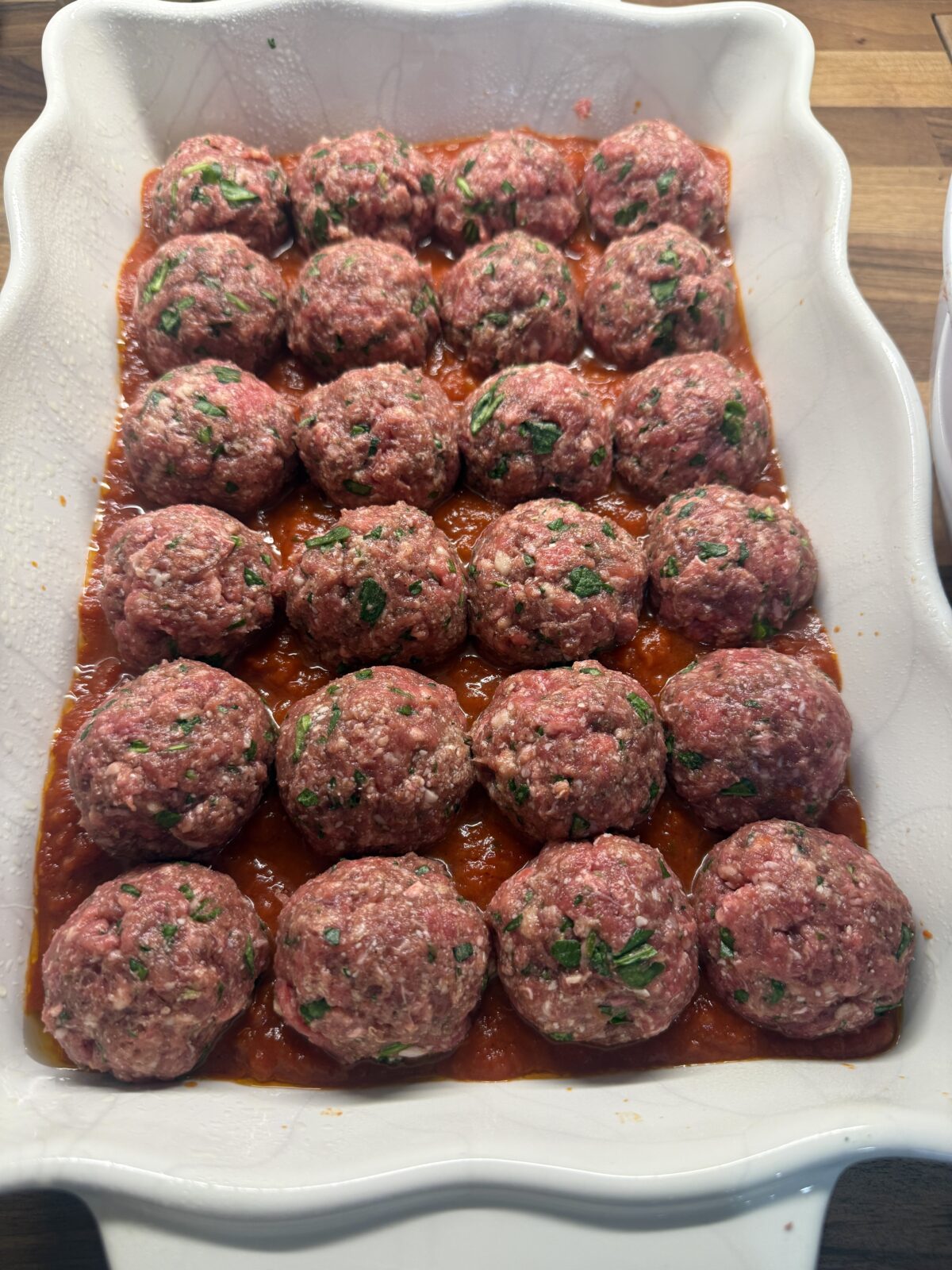
This methodology relies on thermal conductivity and moisture management. As the oven heats the marinara sauce, the surrounding liquid acts as a thermal transfer medium, gently braising the exterior of the meatball while cooking the interior evenly. This prevents the outer layers from scorching before the center reaches a safe, fully cooked internal temperature.
Culinary Variations and Dietary Adaptability
To accommodate diverse dietary requirements and flavor preferences, the recipe is designed to be highly modular. While the base formulation relies on extra-lean beef and standard pork sausage, nutritionists and home cooks have adapted the template to suit various nutritional needs.
For those seeking lower fat content, the pork sausage can be substituted with chicken or turkey sausage, though careful attention must be paid to cooking times and moisture levels to prevent the leaner poultry from drying out. Conversely, individuals following lower-carb, ketogenic, or paleo diets can serve the meatballs over beds of zucchini noodles, spaghetti squash, or steamed cauliflower rice, avoiding traditional refined pasta without sacrificing the comforting nature of the meal.
The introduction of the mozzarella-stuffed variation offers an interactive element that enhances the dining experience, particularly for families. By encasing a small, low-moisture cube of cheese completely within the meat mixture, the baking process transforms the core into a warm, molten center. Culinary technicians emphasize the necessity of complete encapsulation; any exposed cheese will inevitably liquefy and leak out into the surrounding sauce during the thermal cooking process, diminishing the intended textural surprise.
Broader Implications for Modern Meal Planning
The release and subsequent popularity of this high-protein, freezer-ready meal solution highlight a broader cultural shift toward proactive domestic management. In an era marked by rising food costs and a renewed appreciation for home economics, batch cooking has re-emerged as a vital strategy for financial and nutritional preservation.
Food industry analysts point out that recipes prioritizing multi-functionality—serving equally well as a sophisticated weekend appetizer, a hearty family dinner, or a meal-prepped weekday lunch—tend to gain rapid traction across digital platforms. By bridging the gap between convenience culture and wholesome nutrition, recipes like Sara Judkins’ high-protein meatballs provide a sustainable framework for households striving to balance health consciousness with the logistical realities of contemporary life. As families continue to seek out kitchen solutions that save time without compromising quality, the emphasis on intelligent, freezer-ready meal architecture is expected to remain a dominant trend in modern home cooking.