Mastering the Family Dinner Table: Practical Strategies for Navigating Differing Household Diets Without Becoming a Short-Order Cook


The clock strikes 5:30 p.m., and a familiar domestic ritual begins across households worldwide: a parent stands before an open refrigerator, calculating how to satisfy a constellation of conflicting nutritional demands. One child consumes exclusively plain carbohydrates; another rejects all green vegetables; a partner insists on a protein-dense meal; and the cook simply desires a peaceful evening devoid of table-side friction.
This scenario illustrates a widespread modern household challenge. Feeding a family with diverse, often rigid food preferences frequently generates evening exhaustion, anxiety regarding childhood nutrition, and the temptation to resort to convenient, highly processed fallback options. However, nutritional science and pediatric dietetics suggest that this friction does not stem from parental failure. Rather, it reflects normal biological variations in taste sensitivity, psychological development, and individual autonomy.
Understanding the Mechanics of Picky Eating and Household Food Conflicts
Family food friction is rooted in both developmental biology and behavioral psychology. Human children possess significantly more sensitive taste buds than adults, making bitter compounds found in vegetables—such as glucosinolates in broccoli and Brussels sprouts—taste intensely unpleasant. This hypersensitivity is an evolutionary safeguard designed to protect young humans from ingesting toxic plants.
Concurrently, adults bring their own culinary histories, cultural backgrounds, and learned aversions to the dinner table. When these differing palates collide under the pressure of a single evening meal, stress levels rise. Sociological studies on family dynamics indicate that dinner table conflicts are among the most frequently cited daily stressors for parents.
Historically, parenting paradigms swung between two extremes: the "short-order cook" model, where parents cater to individual demands by preparing multiple distinct meals, and the authoritarian "eat what is served or go hungry" doctrine. Contemporary pediatric dietitians advocate for a middle path. This balanced approach rejects both culinary servitude and punitive coercion, focusing instead on establishing predictable boundaries, structural presentation methods, and long-term exposure therapy.
The Foundational Principle: One Meal for Everyone
The cornerstone of sustainable household meal planning is the commitment to preparing a single meal for the entire table. Abandoning the short-order cook model preserves parental sanity and teaches essential household economics and social cohesion. When separate meals are prepared for individual family members, children learn that their personal preferences dictate communal resources, which can hinder the development of culinary adaptability.
Implementing a single-meal policy requires shifting how food is presented rather than changing what is cooked. Dietitians recommend several tactical frameworks designed to respect individual autonomy while maintaining kitchen efficiency.
Strategy One: Build Your Own Dinner (BYOD)

The Build-Your-Own Dinner framework allows families to consume the same foundational meal while retaining individual control over assembly and portion sizes. By presenting meal components separately—such as grains, proteins, sauces, and vegetables—cooks empower diners to curate their plates.
Psychological research on eating behaviors demonstrates that perceived control significantly increases food acceptance, particularly among children and selective eaters. When individuals select their own combinations, the anxiety associated with forced consumption dissipates. Common implementations include taco bars, grain and Buddha bowls, roasted sheet-pan meals, and DIY salad stations. While this method may generate additional serving dishes, the payoff in reduced mealtime conflict and increased nutritional intake outweighs the cleanup overhead.
Strategy Two: The Deconstructed Dinner
When a recipe does not naturally lend itself to a component-based presentation, the deconstructed dinner serves as an effective alternative. This strategy involves setting aside plain components of a meal before combining sauces, spices, or complex mixtures.
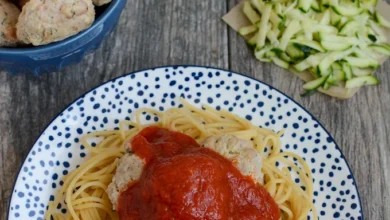
For instance, when preparing a casserole, a stir-fry, or a pasta dish with a heavy sauce, the cook reserves a portion of the plain noodles, unmixed vegetables, or unseasoned protein. If a family member expresses aversion to the integrated dish, the deconstructed alternative is readily available without requiring additional cooking time. This approach respects individual sensory sensitivities while ensuring that the household remains anchored to a unified culinary menu.
Strategy Three: Incorporating a Universal Safe Food
In households with highly selective eaters, introducing novel or complex dishes can provoke immediate resistance. To prevent the cook from abandoning favored recipes, experts recommend ensuring that every meal includes at least one universally accepted "safe food."
Crucially, the safe food is not a special accommodation tailored exclusively to the selective eater; rather, it is a component of the meal available to all participants. Examples include plain bread, sliced fruit, a preferred grain, or a familiar dairy product. When a family member declines the primary dish, the response should be calm, neutral redirection toward the available safe foods, avoiding emotional negotiation, bribery, or prolonged discussion.
Strategy Four: Rotational Favorites Night
Establishing a predictable rotation where individual family members select the menu on a designated night validates all household members’ preferences. This structured approach fosters a sense of agency and teaches impulse control. When a child or partner knows their favored meal is scheduled for a specific evening, they are statistically more likely to tolerate less preferred meals on intervening nights.
The Psychology of Repeated Exposure and Food Acceptance

A common parental anxiety involves the timeframe required for children to accept unfamiliar foods. Conventional wisdom suggests that a food must be presented 10 to 15 times before a child will willingly consume it. Nutritional specialists emphasize that this figure is an average; some children require dozens of neutral exposures before establishing familiarity.
The critical variable in this process is the absence of pressure. Coercive feeding techniques—such as forcing a child to clean their plate, offering rewards for consumption, or expressing disappointment—activate the sympathetic nervous system, creating negative psychological associations with specific foods. Conversely, presenting a food consistently in a low-stress environment allows the child’s sensory system to habituate to the item’s presence, appearance, and aroma. Over time, this passive familiarity often transitions into willingness to taste and, eventually, acceptance.
Navigating Adult Picky Eaters and Interparental Disagreements
While much nutritional literature focuses on children, adult selective eating and conflicting spousal preferences present significant domestic hurdles. Adults may harbor long-standing food aversions, sensory processing sensitivities, or rigid dietary rules developed over decades.
Addressing spousal food conflicts requires deliberate communication outside the immediate context of mealtime. Couples must establish unified expectations regarding household nutrition, particularly because children rapidly internalize and mirror adult dietary anxieties and aversions. If one parent vocalizes disgust toward a vegetable or rejects a shared meal, children are validated in doing the same.
Effective resolution strategies for adult food conflicts include:
- Conducting private, non-confrontational discussions about meal planning and division of labor.
- Identifying overlapping culinary preferences to serve as the baseline for weekly menus.
- Establishing rotational cooking responsibilities, allowing each partner to dictate the menu on assigned evenings.
- Utilizing the aforementioned deconstructed or component-based serving methods to accommodate adult dietary restrictions without duplicating cooking efforts.
Broader Implications and Long-Term Behavioral Outcomes
Teaching children to navigate meals that do not align perfectly with their immediate preferences extends far beyond the domestic dining room. Dietitians and educational psychologists characterize the dinner table as a primary laboratory for developing vital life skills.
Throughout life, individuals encounter social gatherings, professional events, travel environments, and institutional settings where food options are beyond their control. The capacity to accept suboptimal culinary circumstances gracefully—to "make do" with available sustenance without causing social friction—is a mark of social maturity.
Long-term observational data on family meal patterns indicate that households maintaining structured, low-conflict mealtime environments foster healthier psychological relationships with food into adulthood. By removing the emotional charge from eating, eliminating the short-order cook dynamic, and emphasizing shared community over individual culinary compliance, families can transform the evening meal from a daily battleground into a sustainable, connective ritual.
Related posts: