The Clinical Urgency of Glycemic Extremes
Diabetes mellitus, a chronic metabolic condition characterized by the body’s inability to properly regulate blood glucose, affects hundreds of millions of people worldwide. While the management of the disease often involves long-term monitoring and lifestyle adjustments, the acute risks associated with extreme blood glucose fluctuations remain a primary concern for clinicians and patients alike. Hyperglycemia—blood glucose levels consistently above the target range—and hypoglycemia—levels dropping below the safe threshold—can both lead to immediate medical crises if left unaddressed.
The updated 2026 resource emphasizes that the transition from a stable state to an emergency can occur rapidly. Hyperglycemia, if chronic or severe, can precipitate Diabetic Ketoacidosis (DKA) in Type 1 diabetes or Hyperosmolar Hyperglycemic State (HHS) in Type 2 diabetes. Conversely, severe hypoglycemia remains a leading cause of emergency room visits for patients on insulin therapy, presenting symptoms that can range from cognitive impairment and tremors to loss of consciousness and seizures.
Chronology of Diabetes Management Standards
To understand the necessity of this guide, one must look at the historical evolution of diabetes care. In the early 20th century, the discovery of exogenous insulin transformed a terminal diagnosis into a manageable chronic condition. However, throughout the late 20th and early 21st centuries, the focus remained largely on preventing long-term complications such as neuropathy, retinopathy, and nephropathy.
By the 2010s, the medical community began to place a renewed emphasis on acute crisis management, driven by the increasing availability of Continuous Glucose Monitors (CGMs) and automated insulin delivery systems. The 2020s marked a further pivot toward "hypoglycemia unawareness," a phenomenon where patients lose the ability to detect the early warning signs of low blood sugar, often due to frequent past episodes. This 2026 guide serves as a culmination of these decades of observation, integrating the latest pharmacological advancements—specifically new formulations of emergency glucagon—into a simplified, actionable protocol for patients.
Supporting Data and Prevalence
The statistical impact of blood glucose emergencies is substantial. According to data from the American Diabetes Association and international health agencies, approximately 30% of patients with Type 1 diabetes experience at least one episode of severe hypoglycemia annually. Furthermore, DKA remains the most common acute complication leading to hospitalization for those with Type 1 diabetes, contributing to significant healthcare expenditures and reduced quality of life.
The 2026 guidelines highlight that socioeconomic factors often exacerbate these risks. Patients with limited access to modern technology, such as closed-loop systems, are statistically more likely to experience "out-of-range" events. The guide provides essential strategies to bridge this gap, offering low-tech, high-efficacy intervention protocols that do not rely solely on expensive hardware. By focusing on symptom recognition and standard emergency response—such as the "15-15 rule" for hypoglycemia (consuming 15 grams of fast-acting carbohydrates and waiting 15 minutes)—the document aims to lower the rate of preventable hospital admissions.
Glucagon Innovations and Modern Interventions
A significant portion of the updated guidance is dedicated to the evolution of glucagon. Historically, the administration of emergency glucagon required the manual mixing of a powder and liquid, a process that proved difficult for individuals experiencing hypoglycemia-induced tremors or cognitive confusion.
The current standards, highlighted in the DiabetesSisters resource, feature the widespread adoption of stable, ready-to-use glucagon delivery systems. These include nasal powders and pre-filled autoinjectors, which have drastically reduced the time-to-treatment for severe hypoglycemic episodes. The guide outlines the technical requirements for these devices, emphasizing that caregivers and family members must be trained in their operation before an emergency occurs. This shift from "patient-only" care to "community-supported" intervention is a cornerstone of the 2026 clinical philosophy.
Clinical Perspectives and Official Recommendations
Medical professionals have long advocated for "emergency preparedness plans" as a standard component of diabetes education. Dr. Elena Rodriguez, an endocrinologist specializing in metabolic disorders, notes that "the primary failure in glucose management is not a lack of knowledge about the disease, but a lack of preparation for the unexpected."
The DiabetesSisters guide directly addresses this by recommending that patients maintain an "emergency kit" that includes not only glucose-raising agents but also clear, written instructions for bystanders. This is particularly vital for hypoglycemia unawareness, where the patient may be unable to articulate their needs. By providing a standardized format for these instructions, the guide facilitates better communication between the patient, their support network, and emergency medical services (EMS).
Implications for Patient Autonomy and Quality of Life
The broader implications of this resource extend beyond mere clinical survival. Managing blood glucose levels is a mental and emotional burden. The constant vigilance required to avoid highs and lows often leads to "diabetes distress," a recognized psychological state that can hinder treatment adherence.

By offering a structured plan for emergencies, the guide empowers patients to regain a sense of agency. When a patient understands that they have a validated, scientifically backed protocol for potential crises, the baseline anxiety associated with daily management often decreases. This, in turn, can lead to better overall glycemic control, as patients are less likely to over-correct for high blood sugar—a common behavior that frequently leads to secondary hypoglycemia.
Analysis of Future Trends
As we move into the latter half of the 2020s, the management of blood glucose is expected to integrate artificial intelligence (AI) with predictive modeling. Future iterations of glucose management guides will likely move beyond reactive protocols to proactive alerts generated by wearable devices. However, the current guide remains a vital "failsafe." Even the most advanced AI system can experience hardware failure or calibration errors, making the fundamental knowledge of physiology and emergency response an indispensable skill set for every individual living with diabetes.
The 2026 update also reflects a changing approach to DKA and HHS prevention, emphasizing the importance of "sick day rules." These protocols, which adjust medication dosages and hydration strategies during acute illnesses, are crucial in preventing the rapid onset of severe hyperglycemia. The document clearly defines when to seek professional medical intervention versus when to attempt home management, providing a clear triage framework that protects the patient from both unnecessary hospital visits and dangerous delays in treatment.
Conclusion
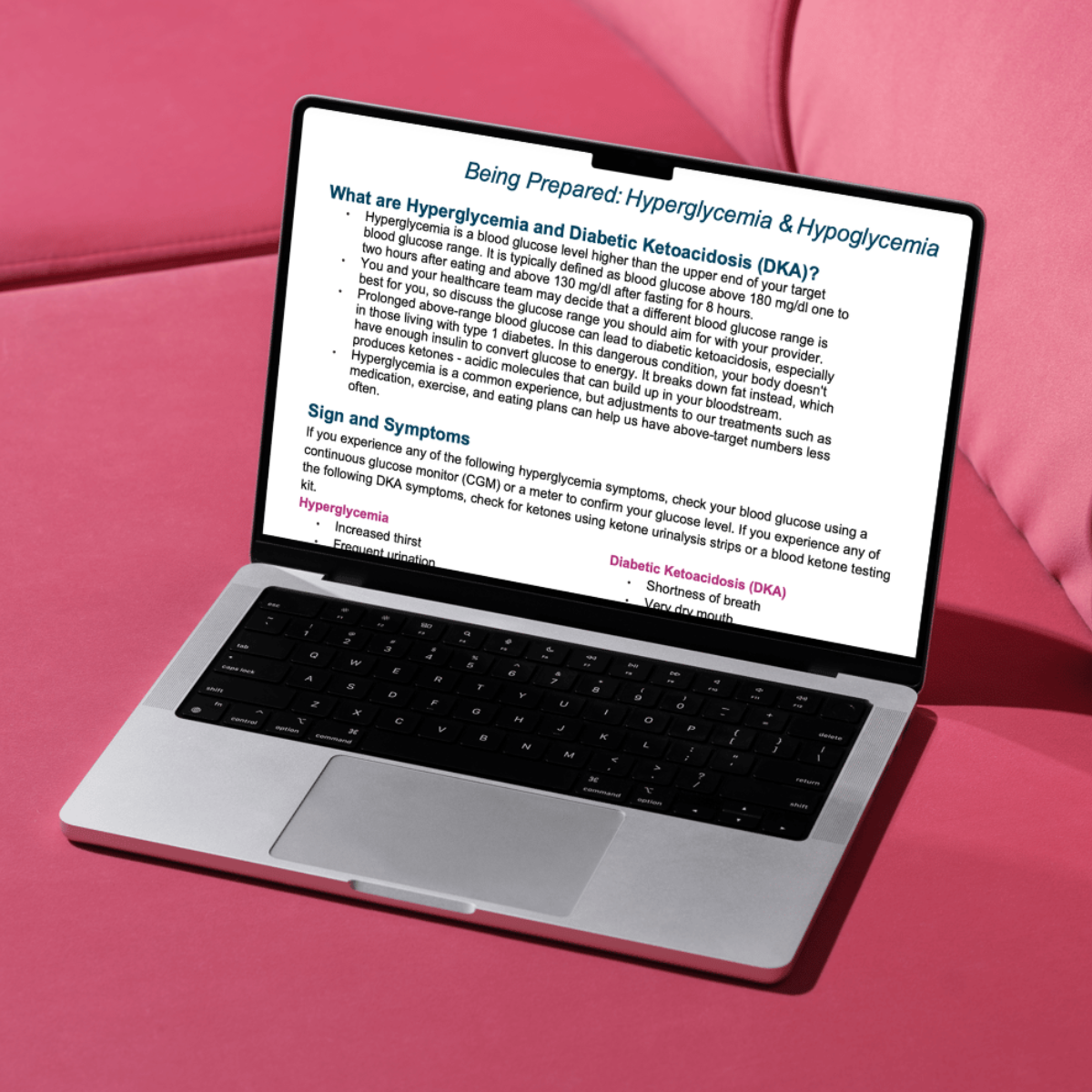
The release of Being Prepared: Hyperglycemia & Hypoglycemia by DiabetesSisters represents a necessary update in the ongoing effort to standardize diabetes education. By distilling complex endocrinological data into a practical, accessible format, the guide serves as a bridge between high-level clinical research and the day-to-day realities of living with a chronic condition. As the prevalence of diabetes continues to rise globally, the emphasis on patient and caregiver preparedness will remain a fundamental pillar of public health strategy.
The document serves as an essential reminder that while technology provides the tools for management, human preparedness remains the primary defense against the acute complications of the disease. Whether through the use of updated glucagon delivery systems or the implementation of consistent monitoring and emergency protocols, the objective remains constant: to ensure that the unpredictability of blood glucose does not translate into a loss of life or a compromise in long-term health. For those affected by diabetes, this guide provides the clarity and the roadmap necessary to navigate the volatility of their condition with confidence and professional oversight.