Accelerating the Future of Type 1 Diabetes Care: Breakthrough T1D and NIDDK Chart the Course for Next-Generation Islet Cell Therapies

The landscape of type 1 diabetes (T1D) treatment is undergoing a profound transformation, propelled by clinical trials that have demonstrated the remarkable potential of islet cell therapies. For individuals participating in these studies, the restoration of healthy blood sugar levels has translated into a life-changing reality: coming off external insulin entirely or drastically reducing their daily reliance on it. Behind these clinical milestones, an international coalition of researchers, clinicians, biotechnology leaders, and regulatory officials are working collaboratively to transition these procedures from specialized medical interventions into scalable, widely accessible cures. As the momentum behind regenerative medicine gathers pace, stakeholders are intensifying their efforts to dismantle manufacturing bottlenecks, refine clinical trial pathways, and integrate patient perspectives into the very foundation of next-generation research.
Understanding the Evolution from First- to Next-Generation Therapies
To fully grasp the significance of current scientific advancements, it is necessary to examine the historical trajectory of islet cell transplantation. First-generation islet cell therapies, which have achieved notable success in clinical trials and secured regulatory approvals in specific jurisdictions, have historically been restricted to a narrow patient demographic. Typically, eligibility has been limited to adults suffering from severe, recurrent hypoglycemic events and hypoglycemia unawareness—a dangerous condition where patients lose the autonomic warning signs of plummeting blood sugar. While these initial therapies have provided profound clinical relief, their application is constrained by the reliance on donor pancreases, which are inherently scarce, and the rigorous requirements of post-transplant care.
Next-generation islet cell therapies seek to completely redefine this paradigm through the use of manufactured or stem cell-derived islets. By producing functional insulin-producing cells at an industrial scale, researchers aim to eliminate the dependency on human organ donors. This manufacturing evolution holds the promise of expanding patient inclusion criteria significantly, shifting the ultimate goal of the medical community toward a future where any individual living with type 1 diabetes who desires an islet cell therapy can access one safely and efficiently.
The Landmark Collaborative Workshop: Bridging the Gap Between Lab and Patient
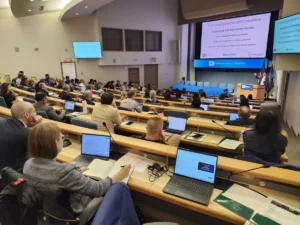
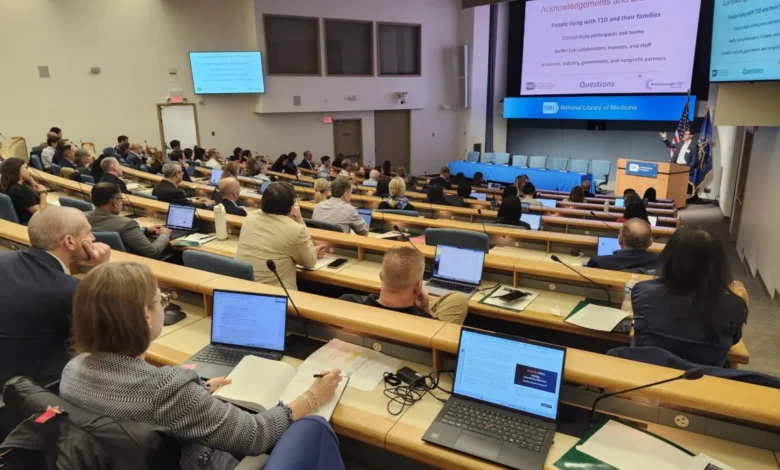
Recognizing that the leap from bench science to widespread clinical availability requires unprecedented cooperation, Breakthrough T1D—formerly known as JDRF—partnered with the National Institute of Diabetes and Digestive and Kidney Diseases (NIDDK) to co-host a high-level public workshop. Entitled “Accelerating the Translation of Cell Therapy for Type 1 Diabetes,” the event served as a critical nexus for key players across the healthcare ecosystem.
The convening brought together a diverse consortium of academic researchers, practicing endocrinologists, biotechnology executives, representatives from the U.S. Food and Drug Administration (FDA), and individuals with lived experience of type 1 diabetes. By establishing an open dialogue among these traditionally siloed groups, the workshop aimed to synchronize expectations regarding regulatory pathways, address manufacturing scalability, and establish best practices for future clinical investigations. Planning committees, heavily supported by Breakthrough T1D personnel, meticulously structured the agenda to address the multifaceted hurdles facing regenerative medicine today.
Advancing Nonclinical Studies and Preclinical Validation
The foundation of any successful clinical trial lies in rigorous nonclinical research. Presenters at the workshop underscored the necessity of robust preclinical studies to gather empirical evidence demonstrating the safety and efficacy of new cell therapies before they are evaluated in humans. Selecting the optimal experimental design remains paramount for generating accurate, reliable, and reproducible data. This involves identifying the most appropriate T1D animal models and data collection frameworks to address specific scientific inquiries.
During the sessions, leading researchers shared critical data regarding various islet cell sources, cellular survival rates within host environments, and innovative strategies for achieving immune protection without relying entirely on traditional, systemic immunosuppressive regimens. As the field looks toward manufactured cells, establishing reproducible preclinical models that accurately mimic human physiological responses is recognized as an indispensable stepping stone toward securing investigational new drug (IND) approvals.
Navigating the Complexities of Large-Scale Manufacturing
Perhaps the most formidable technical challenge facing the commercialization of islet cell therapies is the establishment of scalable, high-quality manufacturing processes. To ensure that sufficient quantities of islets are available to meet global demand, the biotechnology sector must scale production while maintaining absolute consistency, purity, and potency.
Moving therapeutic products from academic laboratories into commercial manufacturing facilities requires strict adherence to Current Good Manufacturing Practice (cGMP) regulations enforced by the FDA. Presenters analyzed the distinct operational models of academic versus industry settings, highlighting how each environment contributes uniquely to process optimization. While academic labs excel at early-stage innovation and proof-of-concept production, commercial entities possess the infrastructure required to generate large, uniform batches of cells. Mastering this transition is essential, as even minor variations in manufacturing conditions can impact cell viability, insulin secretory function, and overall therapeutic efficacy.
Redesigning Clinical Trial Frameworks for Expanded Access
Clinical trial design is undergoing a necessary evolution to accommodate the unique characteristics of next-generation cell therapies. Historical trials have often utilized conservative inclusion criteria due to the risks associated with donor-derived tissue and immunosuppression. However, as the safety profiles of engineered cells improve, researchers and regulators are re-evaluating what future clinical trials should entail.
Discussions at the workshop focused heavily on broadening inclusion criteria to encompass a wider spectrum of the T1D population, defining meaningful clinical endpoints that reflect true quality-of-life improvements, and educating both the medical community and patients to drive robust trial participation. Furthermore, experts emphasized the importance of early engagement with regulatory bodies like the FDA. By aligning trial endpoints with regulatory requirements from the outset, sponsors can streamline the review process and accelerate the path toward market authorization.
Artificial Intelligence as a Catalyst for Innovation
In recent years, artificial intelligence (AI) has emerged as an indispensable tool across numerous branches of biomedicine, and islet cell therapy is no exception. Researchers are increasingly integrating AI algorithms into various stages of the therapeutic workflow to enhance precision and efficiency.
One prominent application involves predictive modeling, where AI systems forecast individual blood sugar responses up to one year post-transplant, thereby assisting clinicians and patients in making informed, personalized management decisions. Additionally, AI is being deployed to optimize the manufacturing process itself. By predicting how islet cells will behave under fluctuating environmental conditions, machine learning models allow technicians to adjust production parameters in real time, ensuring higher yields of functional cells. On a microscopic level, researchers are leveraging computational biology and AI to design novel, engineered cell therapies—often referred to as "smart" islet cells. These advanced cellular constructs are being engineered to autonomously sense immune system activity and deploy targeted, localized protective measures, potentially minimizing or eliminating the need for systemic immunosuppressive drugs.
The Indispensable Value of the Patient Voice
Scientific progress, while vital, must remain anchored in the lived realities of the community it aims to serve. A central pillar of the workshop was the inclusion of patient panels, where individuals living with type 1 diabetes shared their profound personal journeys with the condition. These narratives encompassed the daily physical and psychological burdens of disease management, experiences with medical technology, navigations of immunosuppression, and the transformative impact of successful—and even partially successful—islet cell transplants.
Notably, several participants articulated that maintaining even a minimal insulin requirement post-transplant represented an overwhelmingly positive clinical outcome compared to their pre-transplant baseline of severe glycemic volatility. Organizers emphasized that integrating the patient perspective into clinical trial design, endpoint selection, and risk-benefit analyses is not merely beneficial, but essential. Breakthrough T1D’s Participant Advisory Council serves as a prime example of how structured patient advocacy can guide researchers and developers toward person-centered medical solutions.
Broader Implications and the Path Forward
The convergence of nonclinical research, industrial-scale manufacturing, advanced clinical trial design, artificial intelligence, and active patient engagement marks a turning point in the history of type 1 diabetes treatment. Islet cell therapy science is advancing simultaneously across all these fronts, creating a synergistic effect that brings the medical community closer to durable, biological cures.
While significant challenges remain—particularly concerning long-term immune evasion and manufacturing economics—the collaborative framework established by organizations like Breakthrough T1D and the NIDDK ensures that the scientific community remains aligned, adaptable, and focused on solutions. By fostering transparent communication among researchers, regulators, industry leaders, and patients, these stakeholders are actively dismantling the barriers that have historically delayed the translation of regenerative medicine. The insights generated from this landmark workshop will undoubtedly reverberate throughout the biotechnology sector, serving as a roadmap for the successful delivery of next-generation islet cell therapies to the millions of individuals worldwide who live with type 1 diabetes.