Sleeping Well with Diabetes: Navigating the Complex Interplay Between Rest and Glucose Regulation

The bidirectional relationship between sleep quality and diabetes management represents one of the most critical, yet frequently overlooked, aspects of long-term metabolic health. As of August 2026, clinical consensus has increasingly highlighted that the maintenance of glycemic control is not merely a product of dietary choices and medication adherence, but is deeply rooted in the architecture of sleep. For individuals living with Type 1 or Type 2 diabetes, the struggle for a restful night is often compounded by physiological variables such as nocturnal hypoglycemia, hyperglycemia, the auditory intrusion of continuous glucose monitor (CGM) alarms, and the underlying stress of chronic disease management.
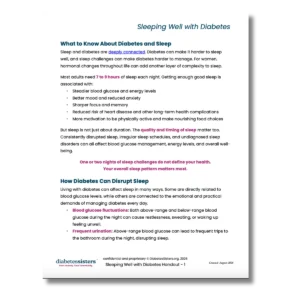
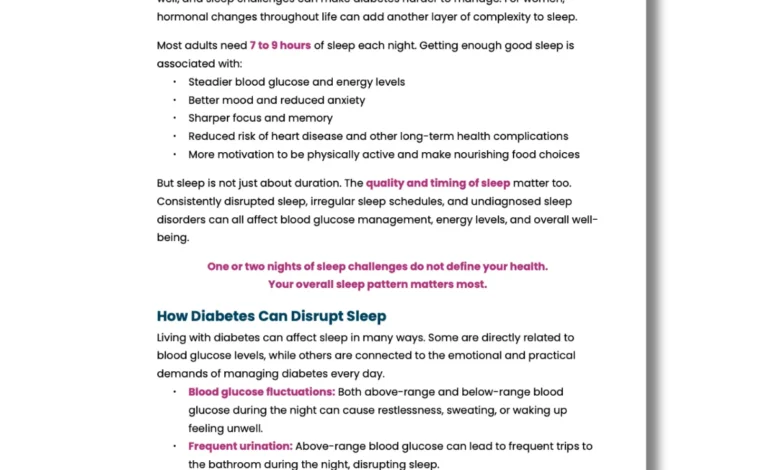
Understanding this dynamic is essential for patient outcomes. Poor sleep hygiene does not exist in a vacuum; it triggers a cascade of hormonal responses—including elevated cortisol and ghrelin levels—that directly impede insulin sensitivity and impair glucose metabolism. To address these systemic challenges, DiabetesSisters has released updated resources, specifically the "Sleeping Well with Diabetes" tip sheet, designed to provide evidence-based, actionable strategies for those navigating the intersection of sleep science and glucose management.
The Physiological Nexus: Why Sleep Matters
Scientific research over the past decade has established a clear correlation between sleep deprivation and metabolic dysfunction. When a patient experiences a sleep deficit, the body’s ability to process glucose is compromised. Specifically, sleep restriction—defined as getting fewer than seven hours of quality rest per night—is associated with increased insulin resistance.
During deep sleep, the brain and body undergo essential repair processes. In the absence of this restorative cycle, the body experiences a state of hyper-arousal. This state leads to the overproduction of cortisol, a "stress hormone" that signals the liver to release stored glucose into the bloodstream. For a person without diabetes, the pancreas would compensate by secreting extra insulin. However, for a person with diabetes, this surge in blood glucose often leads to hyperglycemic spikes that are difficult to manage, particularly during the early morning hours, a phenomenon often referred to as the "dawn phenomenon."
Conversely, the presence of diabetes often acts as a barrier to sleep. Nocturnal hypoglycemia, or low blood sugar during the night, triggers a sympathetic nervous system response that wakes the individual, often leaving them feeling shaky, sweaty, and anxious. The psychological burden of constant vigilance—checking apps, silencing alarms, and adjusting insulin pumps—further fragments sleep, preventing the individual from reaching the rapid eye movement (REM) and deep sleep stages necessary for cognitive and physical recovery.
Chronology of Sleep Research in Diabetes Care
The evolution of diabetes care from simple glucose monitoring to comprehensive lifestyle integration has been marked by several milestones:
- 2015–2018: Early longitudinal studies began confirming that shift work and sleep apnea were significant risk factors for the development of Type 2 diabetes. Researchers identified that intermittent hypoxia caused by sleep apnea significantly exacerbates insulin resistance.
- 2019–2021: The widespread adoption of CGM technology changed the sleep landscape. While these devices improved safety by alerting users to life-threatening lows, they also introduced "alarm fatigue," leading to documented increases in sleep fragmentation among patients.
- 2022–2024: Clinical guidelines began to formally incorporate "sleep health" into standard care protocols. Endocrinology associations started recommending that providers screen for sleep disorders, including obstructive sleep apnea (OSA) and restless leg syndrome, as part of the routine diabetes check-up.
- 2025–2026: Emphasis shifted toward digital health interventions. Organizations like DiabetesSisters began publishing specialized guides and tip sheets to help bridge the gap between clinical advice and the daily, often messy, reality of home-based diabetes management.
Supporting Data and Clinical Implications
The implications of sleep quality on diabetes are measurable and profound. Data from the National Sleep Foundation suggests that individuals with diabetes are significantly more likely to report sleep disturbances than the general population. Studies have shown that patients with poorly managed blood glucose levels are more likely to experience "non-restorative sleep," a condition where the patient sleeps for an adequate duration but does not feel refreshed upon waking.
Furthermore, a study published in the Journal of Clinical Endocrinology & Metabolism indicated that even one night of restricted sleep could reduce insulin sensitivity by as much as 25% in healthy individuals, with the impact being more pronounced in patients with pre-existing metabolic disorders. The ripple effect extends to appetite regulation; sleep-deprived individuals often report higher levels of ghrelin, the hormone that stimulates hunger, and lower levels of leptin, which signals satiety. This hormonal imbalance frequently leads to carbohydrate cravings, creating a cyclical pattern of poor sleep and poor nutritional choices that further destabilize blood glucose levels.
Analysis of Current Challenges
The modern diabetes management environment, while technologically advanced, creates a unique set of challenges for sleep. The ubiquity of smartphone-connected medical devices means that the patient is effectively "on call" for their health 24 hours a day.

Clinical analysis suggests that "alert anxiety" is a growing concern. Patients may remain in a state of hyper-vigilance, anticipating an alarm even when their blood glucose levels are stable. This chronic state of alertness prevents the body from entering the parasympathetic state required for sleep onset.
"The goal of current interventions is not just to manage the numbers on a screen, but to improve the quality of life," notes a lead researcher in metabolic health. "If we cannot help a patient achieve a restorative night of sleep, we are essentially fighting the battle against diabetes with one hand tied behind our backs. Rest is the foundation upon which glucose stability is built."
Strategies for Improvement: A Holistic Approach
The "Sleeping Well with Diabetes" initiative emphasizes that improvement is rarely about a single "magic bullet" but rather a combination of environmental, behavioral, and clinical adjustments.
Environmental Optimization
The bedroom should be treated as a sanctuary for sleep. This includes maintaining a cool, dark, and quiet environment. For those using CGMs, setting customizable alarm thresholds—where medically safe—can help reduce unnecessary nighttime wake-ups. White noise machines or earplugs may also be beneficial for those sensitive to the auditory cues of medical hardware.
Behavioral Modifications
Consistency is the most powerful tool in regulating the circadian rhythm. Going to bed and waking up at the same time every day helps anchor the body’s internal clock. Furthermore, limiting blue light exposure from screens (including glucose-monitoring apps) at least 60 minutes before bedtime can help the body initiate natural melatonin production.
Clinical Collaboration
Patients are encouraged to discuss sleep disturbances with their endocrinologist or primary care physician. If a patient suspects they have sleep apnea—often indicated by loud snoring, waking up gasping for air, or persistent daytime fatigue—a sleep study is the recommended next step. Treating underlying sleep disorders has been shown to result in immediate improvements in daytime glucose variability and overall insulin requirements.
Broader Impact and Future Directions
The integration of sleep health into the standard of care represents a maturation of the diabetes management field. It acknowledges that the patient is a human being, not merely a data point in an electronic health record. As technology continues to advance, including the development of "closed-loop" or "artificial pancreas" systems, the hope is that these devices will become more intuitive, minimizing the need for manual intervention during the night.
However, the human element remains paramount. Resources such as the handout provided by DiabetesSisters serve as a crucial tool for patient empowerment. By providing realistic, manageable strategies, such resources help reduce the psychological burden of the disease.
In conclusion, the relationship between sleep and diabetes is a critical frontier in metabolic health. By recognizing that sleep is as important as nutrition and exercise, patients can take proactive steps to reclaim their rest. Whether through minor adjustments to nighttime routines, the strategic use of monitoring technology, or seeking clinical support for sleep-related disorders, the path to better diabetes management is intrinsically linked to the quest for a better night’s sleep. As the research continues to evolve, the focus must remain on holistic, patient-centered care that addresses the whole person, ensuring that the management of diabetes does not come at the cost of the rest required to thrive.