The Ultimate Guide to Zero Waste Grocery Shopping: Cutting Plastics, Preventing Food Loss, and Managing Rising Costs in Modern Retail

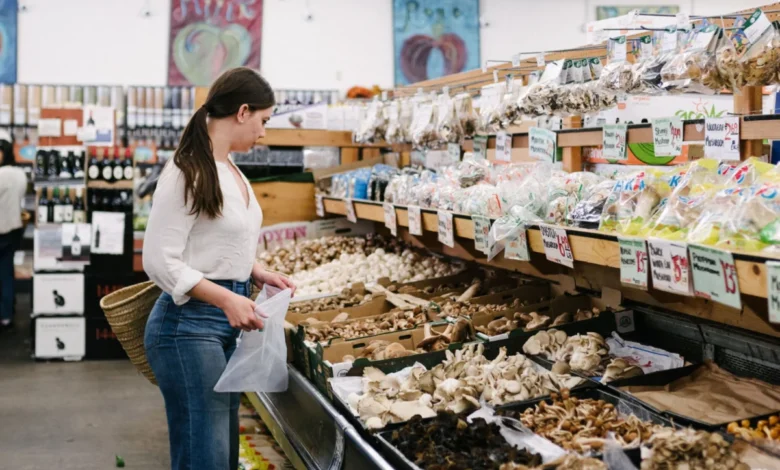
A routine trip to the local supermarket often reveals an overwhelming reliance on single-use plastics. From pre-cut fruit packaged in rigid plastic clamshells to individual cucumbers swathed in shrink-wrap, navigating modern grocery aisles without encountering excessive synthetic packaging has become a significant challenge for consumers. This everyday observation is underpinned by stark global data: packaging materials account for approximately 40% of all plastic waste generated worldwide, with the United States, European nations, and China serving as the primary contributors to this waste stream.
However, the environmental footprint of the modern food supply chain extends far beyond packaging. Food waste represents an equally critical crisis, manifesting at both the commercial retail level and within residential households. Industry standards dictate that grocery stores discard millions of tons of edible agricultural produce solely because they fail to meet strict aesthetic criteria. Fruits and vegetables that deviate from standardized dimensions, exhibit irregular shapes, or possess minor cosmetic blemishes are frequently relegated to dumpsters. Simultaneously, consumer behavior contributes heavily to the issue; data indicates that households in the United States discard roughly 40% of their purchased food supply due to improper storage techniques, over-purchasing, and poor inventory management.
Economic Pressures and Inflationary Trends
These compounding inefficiencies intersect directly with macroeconomic challenges. Amid persistent global inflation, consumer goods—particularly groceries—have experienced substantial price volatility. Projections from the United States Department of Agriculture (USDA) indicate continued upward pressure on retail food prices, with overall costs predicted to rise by approximately 3.6 percent. This economic climate transforms sustainability from a purely environmental initiative into an urgent financial necessity. Households can no longer absorb the monetary losses associated with discarded groceries, making waste-reduction strategies an essential component of modern household budgeting.
Addressing this dual crisis of packaging and food loss requires a comprehensive shift in how consumers approach provisioning. Zero-waste grocery shopping is a holistic methodology designed to minimize both non-recyclable packaging and organic waste. Achieving this standard involves systematic planning, alternative sourcing, and advanced food preservation techniques that maximize the utility of every item brought into the home.
Sourcing Strategies: Beyond the Conventional Supermarket
Implementing a zero-waste purchasing strategy begins well before entering a retail store. Consumers must evaluate local infrastructure to determine the availability of alternative retail formats, such as bulk food stores—often referred to as refilleries—and seasonal farmers’ markets.
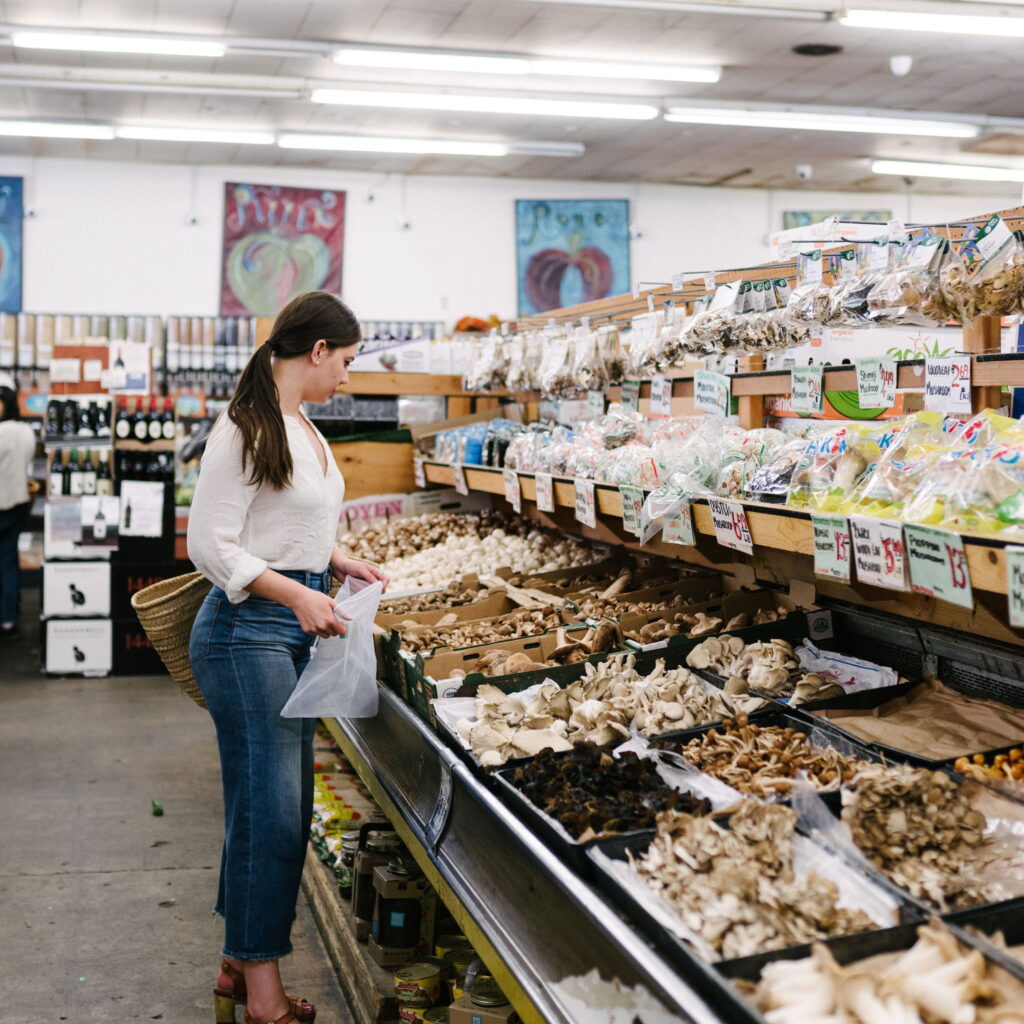
Bulk bins allow shoppers to acquire exact quantities of dry goods such as grains, legumes, and spices using reusable containers, thereby eliminating secondary packaging entirely. Researching municipal resources, such as specialized directories, helps residents locate nearby refilleries using postal codes. For those located outside a convenient radius of specialized bulk stores, conventional supermarkets still offer pathways to waste reduction through careful product selection.
Farmers’ markets present another high-yield environment for waste-conscious consumers. Agricultural vendors typically sell produce loose, bypassing the adhesive plastic stickers and heavy wrapping found in major supermarket chains. Furthermore, local growers are often more flexible regarding aesthetic imperfections and frequently market irregular produce or pack delicate items like berries in compostable paper cartons rather than plastic containers.
When traditional grocery stores are the only viable option, consumers are advised to prioritize "naked" or unpackaged produce and select alternative packaging materials—such as glass, metal, paper, and cardboard—over plastics. For unavoidable soft plastics that escape municipal curbside recycling streams, dedicated store take-back programs remain the primary recycling outlet.
Financial Planning and Budgeting for Low-Waste Provisioning
Integrating zero-waste principles into daily routines necessitates disciplined financial oversight. Because bulk shopping and specialty markets can sometimes feature higher upfront costs per unit, establishing a strict budgetary framework is vital. Experts recommend allocating specific spending limits for different retail environments—such as dividing a weekly food budget between a local farmers’ market and a traditional supermarket—and utilizing physical cash rather than credit cards to monitor expenditures closely.
Furthermore, leveraging digital retail applications, loyalty programs, and localized circulars allows shoppers to capitalize on promotional discounts and clearance events. Consumers who build direct relationships with local vendors at farmers’ markets may also find opportunities to negotiate pricing on cosmetically flawed produce, securing nutritious food at a reduced cost while diverting items from the waste stream.
Essential Gear and Preparation Protocols
Transitioning away from single-use packaging requires a standardized kit of reusable tools kept readily accessible. Essential items for zero-waste shopping include:
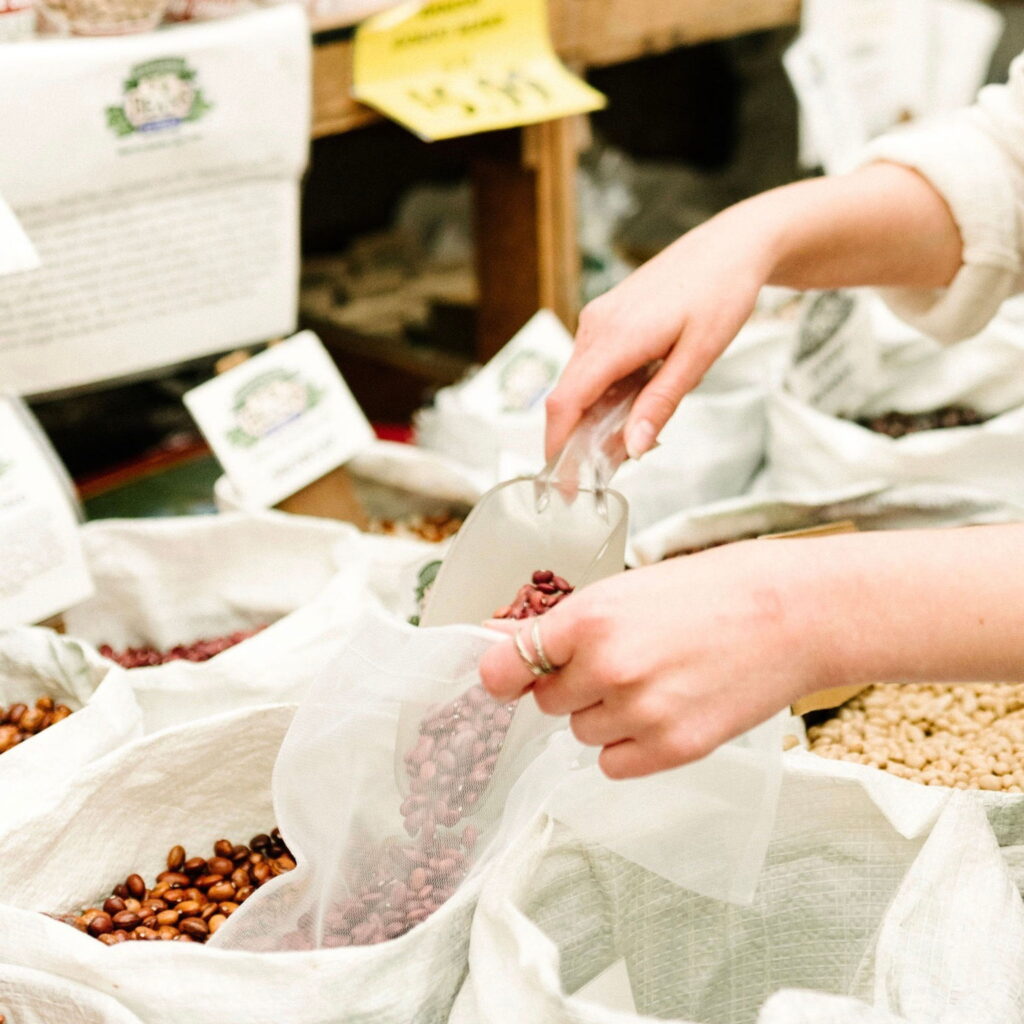
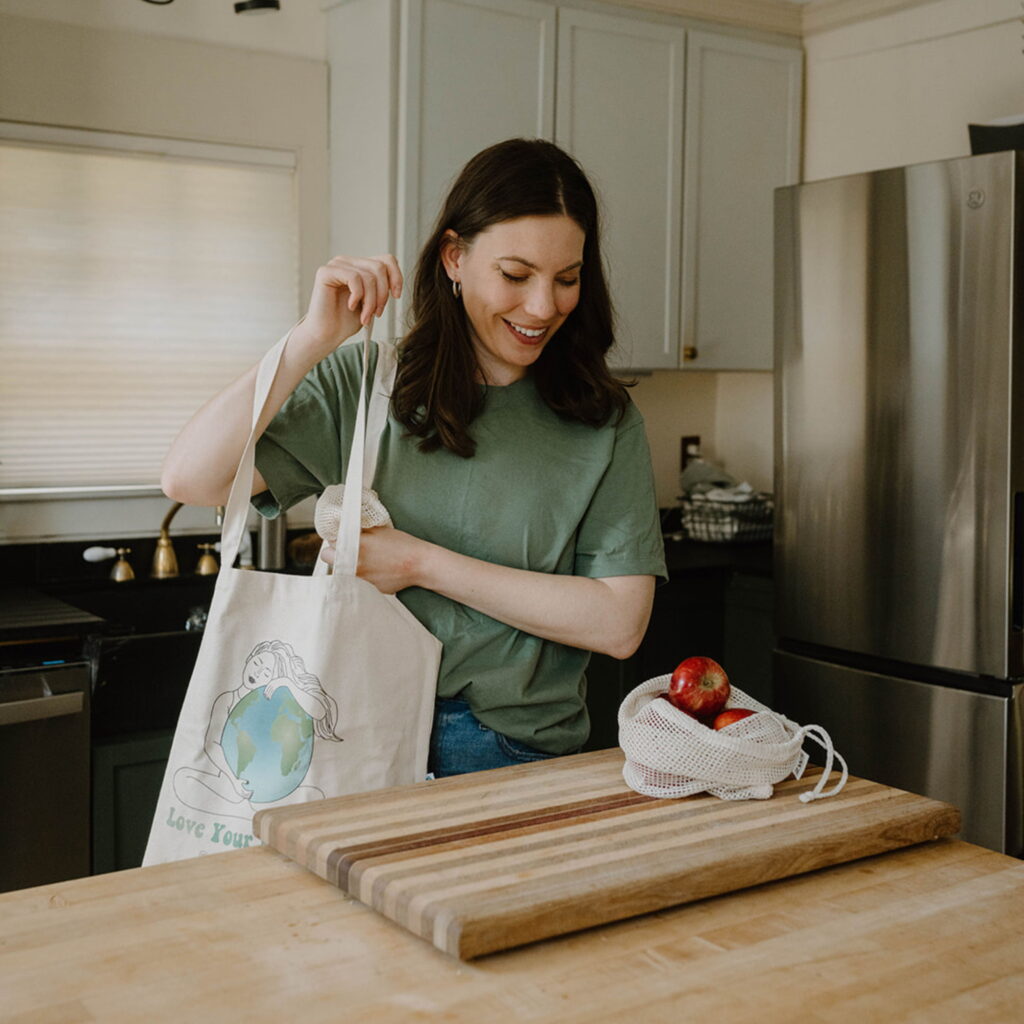
- Produce Bags: Lightweight mesh or solid cotton bags designed to hold loose fruits, vegetables, dry grains, and legumes without relying on single-use plastic films.
- Tote Bags: Durable, multi-use canvas or synthetic bags utilized for transporting bulk items from the checkout counter to the home.
- Glass Jars and Rigid Containers: Mason jars or upcycled glass containers equipped with secure lids, ideal for zero-tare bulk bin acquisitions. Transporting these jars securely often requires divided wine bags or specialized carriers to prevent structural impacts during transit.
Preparation also extends to meal planning. Rather than purchasing rigid meal components that run the risk of expiring before consumption, successful zero-waste practitioners plan their weekly menus around flexible ingredient categories. Maintaining a running inventory of standard recipes and conducting a thorough refrigerator audit prior to shopping prevents redundant purchases and curbs impulsive buying behaviors.
Advanced Food Storage and Preservation Techniques
Procuring waste-free groceries is only effective if the perishable items are stored correctly to maximize shelf life. Inadequate storage accelerates spoilage, rendering sustainable purchasing efforts obsolete.
Environmental conditions within refrigeration units vary significantly, dictating where specific items should be placed. For instance, the refrigerator door—the warmest zone within the appliance—should be reserved for stable condiments rather than sensitive perishables. Conversely, crisper drawers must be managed carefully to separate high-humidity requirements, such as leafy greens, from ethylene-emitting fruits that accelerate the ripening and decay of neighboring produce.
Specific handling techniques can dramatically extend the viability of fresh food. Root vegetables like carrots maintain crispness and structural integrity for weeks when submerged in water and stored in glass containers within the refrigerator, whereas berries should remain unwashed and sealed in airtight containers until immediate consumption. Additional storage solutions, such as silicone food bags, stainless steel tiffin boxes, and vacuum-sealed glass containers, eliminate the need for disposable plastic wraps and single-use storage bags.
Culinary Upcycling and Organic Waste Diversion
When food items or preparation scraps approach the end of their culinary lifespan, creative kitchen management can divert them from the waste stream entirely. Agricultural byproducts frequently discarded by consumers often retain high nutritional value and distinct flavor profiles. Carrot tops, for example, possess a robust herbaceous flavor comparable to parsley and can be blended into pestos or incorporated into dressings. Similarly, strawberry tops, beet greens, and radish leaves can be utilized in smoothies, salads, or infused simple syrups, while vegetable peelings can be dehydrated into chips or simmered to create nutrient-dense homemade vegetable stock.
Despite proactive culinary efforts, a certain volume of organic waste remains inevitable. For scraps that cannot be repurposed in recipes, proper composting is essential. Organic matter deposited in standard landfills fails to decompose efficiently due to an absence of oxygen, generating significant quantities of methane—a potent greenhouse gas.

Managing organic waste effectively involves several municipal and domestic methodologies:
- Freezing Scraps: Storing vegetable trimmings and coffee grounds in sealed containers or bags within the freezer prevents odor accumulation until the volume is ready for processing.
- Countertop Pails: Utilizing specialized indoor collection bins equipped with activated charcoal filters and biodegradable liners maintains kitchen hygiene.
- Municipal and Community Programs: Depositing organic waste into curbside green bins, or utilizing local agricultural drop-offs, farmers’ markets, and community garden collection points.
- Backyard Composting: Implementing residential solutions such as tumbler systems, DIY wooden bins, or trench composting (burying organic matter directly into garden soil) for those with adequate outdoor space.
While backyard composting methods generally advise against the inclusion of dairy and meat products to prevent pest attraction, industrial municipal composting facilities possess the capability to process these materials safely. Ultimately, sustainable food management framework prioritizes waste prevention and culinary upcycling as primary defenses, positioning composting as a vital secondary measure for organic stewardship.