In the modern landscape of pediatric nutrition, parents and caregivers are increasingly seeking efficient, nutrient-dense solutions to address common health challenges ranging from picky eating to digestive irregularities. Recent dietary research emphasizes that childhood nutrition is not merely about caloric intake, but about the therapeutic application of macronutrients and micronutrients to support growth and development. By streamlining the preparation process—limiting recipes to just four ingredients—caregivers can reduce the barriers to providing high-quality nutrition. This report examines the implementation of targeted smoothie protocols designed to provide specific health outcomes for children.
The Evolution of Pediatric Nutrition Strategies
The methodology of utilizing blended whole foods as a primary nutritional delivery system has gained significant traction among pediatric dietitians over the last decade. Historically, nutritional interventions for children were often limited to supplement-heavy regimes or rigid meal plans that frequently failed due to issues with palatability and ease of preparation. The shift toward "therapeutic smoothies" reflects a broader trend in pediatric health, prioritizing the integration of functional foods—ingredients that provide health benefits beyond basic nutrition—into daily dietary habits.
Clinical data suggests that children require a consistent intake of fiber, healthy fats, and high-quality proteins to maintain optimal digestive health and cognitive function. However, the prevalence of food aversion in children, particularly concerning vegetables and fibrous textures, often necessitates creative culinary approaches. Blending allows for the masking of less palatable textures while maintaining the integrity of the dietary fiber and antioxidant profile of the raw ingredients.
Chronology of Nutritional Intervention Trends
The transition from standard childhood diets to specialized, ingredient-focused smoothie regimes can be categorized into three distinct phases of parental adoption:
- The Early Adoption Phase (2010–2015): During this period, the focus was primarily on "hidden vegetable" smoothies, designed to increase micronutrient intake through the camouflage of leafy greens within fruit-based beverages.
- The Functional Ingredient Phase (2016–2020): Nutritionists began emphasizing the importance of specific macronutrient profiles, such as increasing omega-3 fatty acids and plant-based proteins, leading to the integration of seeds and nut butters into liquid meals.
- The Therapeutic Precision Phase (2021–Present): The current standard involves the design of "therapeutic" recipes targeted at specific health markers, such as gut motility (constipation), caloric density for underweight children, and inflammatory response management through polyphenol-rich foods.
Specialized Smoothie Formulations: A Nutritional Analysis
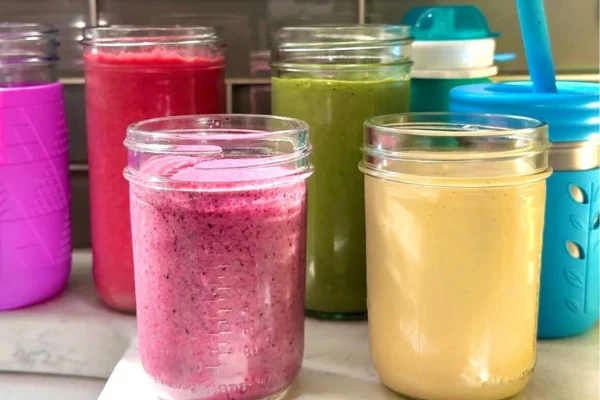
The following five smoothie combinations represent a structured approach to addressing common pediatric health concerns through four-ingredient formulations.
1. High-Caloric Density Support
For children struggling with weight gain or those recovering from illness, caloric density is paramount.
- Ingredients: 3/4 cup whole milk, 1 medium banana, 2 tablespoons of peanut butter, and 2 teaspoons of avocado oil.
- Nutritional Implication: This combination provides a concentrated source of monounsaturated fats and potassium. Avocado oil, a neutral-tasting lipid, increases the caloric density without significantly altering the flavor profile, making it an efficient vehicle for weight management in a clinical context.
2. Digestive Motility and Constipation Relief
Constipation remains one of the most frequent reasons for pediatric gastroenterology visits.
- Ingredients: 3/4 cup apple juice, 1/2 ripe pear, 1 cup frozen raspberries, and 2 tablespoons of chia seeds.
- Nutritional Implication: The combination of sorbitol (found in pears and apple juice) and the high insoluble fiber content from raspberries and chia seeds creates a natural osmotic effect in the gastrointestinal tract, facilitating improved bowel regularity.
3. Polyphenol-Rich Anti-Inflammatory Support
Polyphenols are plant-based compounds known for their antioxidant properties.
- Ingredients: 3/4 cup soy milk, 1/2 cup frozen blueberries, 1/2 cup frozen blackberries, and honey (to taste).
- Nutritional Implication: Berries are among the highest-ranking sources of anthocyanins. When paired with soy milk, which provides a complete protein base, these smoothies offer a potent anti-inflammatory snack that supports cellular health and immune function.
4. Micronutrient-Dense Green Blends
Green smoothies often face resistance due to color and flavor profile.
- Ingredients: 3/4 cup milk of choice, one large handful of mixed greens, 1/4 cup zucchini, and 1/2 cup frozen pineapple.
- Nutritional Implication: The inclusion of pineapple is critical for sensory acceptance. Beyond its enzymatic properties, the acidity and sweetness of pineapple mask the chlorophyll-heavy flavor of the greens and prevent the enzymatic oxidation that typically turns green smoothies a unappealing brown color.
5. High-Protein Muscle and Growth Support
Protein is essential for muscle synthesis and metabolic health.
- Ingredients: 1 cup Greek yogurt, 1/2 cup mango, 1/4 cup carrots, and 2 tablespoons of hemp hearts.
- Nutritional Implication: Greek yogurt provides high-quality casein and whey protein. Hemp hearts offer a significant dose of omega-3 fatty acids and complete plant proteins, while mango provides essential vitamins A and C to facilitate nutrient absorption.
Supporting Data and Clinical Perspectives
According to the American Academy of Pediatrics (AAP), childhood obesity and malnutrition are both significant concerns that require a focus on nutrient-dense, whole-food diets. While smoothies are not a replacement for solid food mastication—which is necessary for jaw development and oral-motor skills—they serve as an effective tool for bridging nutritional gaps.
Nutrition researchers note that the key to success with these recipes lies in the consistency of delivery. When a child consumes these smoothies as part of a structured routine, the body adapts to the regular intake of fiber and micronutrients, often resulting in improved blood glucose stabilization and sustained energy levels throughout the school day.
Challenges in Implementation
Despite the benefits, experts highlight several challenges. First, the reliance on high-sugar fruits (like mango or pineapple) must be balanced with the fiber content to prevent blood sugar spikes. Second, the texture of certain additives, such as chia seeds or hemp hearts, can be a sensory deterrent for children with sensory processing sensitivities.
To mitigate these issues, pediatricians often recommend a "slow-introduction" method. By starting with a smaller amount of the functional ingredient (e.g., one teaspoon of chia seeds rather than two tablespoons) and gradually increasing the dose, parents can improve the likelihood of child acceptance.
Broader Implications for Pediatric Health
The move toward simplified, home-prepared nutritional interventions signals a shift away from reliance on processed, pre-packaged "health" snacks, which are often laden with hidden sugars and preservatives. By utilizing only four ingredients, caregivers can maintain complete control over the nutrient source and quality.
Furthermore, this approach encourages the involvement of children in the food preparation process. Studies in child psychology have demonstrated that when children participate in the creation of their meals, they are significantly more likely to consume them. The "four-ingredient" rule is simple enough for children to assist with, potentially reducing food anxiety and fostering a more positive relationship with healthy eating.
Future Outlook
As the field of nutritional science continues to evolve, the integration of targeted, ingredient-specific smoothies will likely become a standardized recommendation for pediatric wellness. Further research is expected to focus on the long-term impact of these specific nutrient combinations on the pediatric microbiome. Current evidence suggests that a diverse range of plant-based fibers—such as those found in the chia seeds, greens, and berries listed in these recipes—promotes a healthy gut flora, which is increasingly linked to mental health and cognitive development in youth.
In conclusion, the utilization of therapeutic smoothies provides a practical, evidence-based strategy for addressing common pediatric nutritional deficiencies. By prioritizing whole-food ingredients and limiting recipes to four components, parents and practitioners can create a sustainable, effective, and child-friendly system for supporting physical and cognitive health. While not a cure-all, these formulations represent a foundational step in building a healthier diet, one that aligns with modern nutritional standards while respecting the practical constraints of daily family life. As with all significant changes to a child’s diet, consultation with a pediatrician or a registered dietitian remains the recommended path to ensure that these smoothies align with the specific medical and developmental needs of the individual child.