The Rise of Comfort Cooking: Why Creamy White Bean Soup is Dominating Modern Weeknight Menus


As households across North America navigate increasingly demanding schedules alongside fluctuating grocery expenditures, culinary trends have decisively pivoted toward resourceful, nutrient-dense home cooking. At the forefront of this culinary shift is the resurgence of traditional one-pot meals, with creamy white bean soup emerging as a dominant favorite for autumn and winter meal planning. Combining affordability, high plant-based protein content, and a velvety texture achieved without excessive dairy, this dish has captured the attention of nutritionists, home cooks, and family meal planners alike.
Culinary Background and Nutritional Evolution
The foundation of white bean soup traces its lineage to Mediterranean peasant cooking, where legumes like cannellini, navy, and Great Northern beans served as essential staples due to their long shelf life, high fiber content, and affordability. Historically, achieving a rich, creamy consistency in vegetable-based soups required substantial quantities of heavy cream, butter, or animal fats. However, contemporary nutritional shifts emphasize cardiovascular health and reduced saturated fat intake without sacrificing sensory appeal.
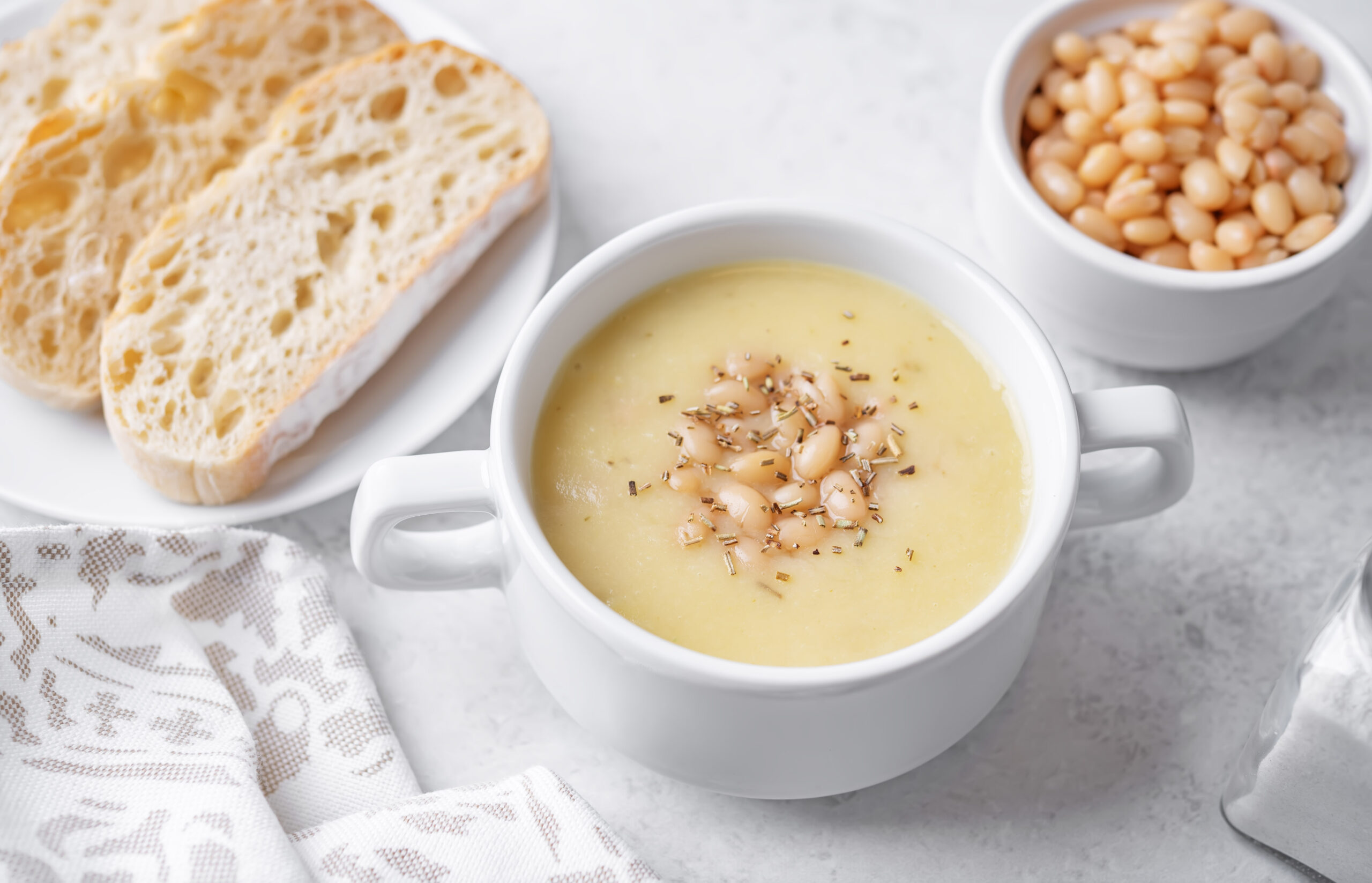
Modern culinary science has validated a simple yet revolutionary technique: utilizing the natural starch stored within the beans themselves. By blending a portion of the simmered white beans directly with the vegetable broth, cooks can create a naturally emulsion-thickened base that mimics the mouthfeel of heavy cream. This method aligns with broader dietary guidelines recommending increased legume consumption for improved glycemic control and sustained cardiovascular health. According to agricultural and dietary data, dry and canned bean sales experience notable upward spikes during colder seasonal transitions, reflecting a consumer preference for comforting yet health-conscious meals.
Anatomy of a Modern One-Pot Recipe
The appeal of the modern white bean soup recipe lies in its reliance on pantry staples and a streamlined, single-vessel preparation method. Typically requiring a preparation window of 15 minutes and a cooking duration of 30 minutes, the total 45-minute investment makes it an accessible option for weeknight cooking.
The standard chronological workflow for preparing the soup involves a structured, step-by-step culinary process:
- Base Building: Sautéing aromatic vegetables—specifically yellow onions, carrots, and celery—in olive oil over medium heat to release foundational glutamates and natural sugars.
- Flavor Infusion: Introducing minced garlic during the final stages of vegetable softening to prevent bitterness, followed by the incorporation of dried herbs such as rosemary, thyme, or oregano.
- Simmering: Adding rinsed canned beans (cannellini are preferred for their large size and creamy interior) alongside nutrient-dense vegetable or chicken broth, bringing the mixture to a gentle boil before reducing to a simmer.
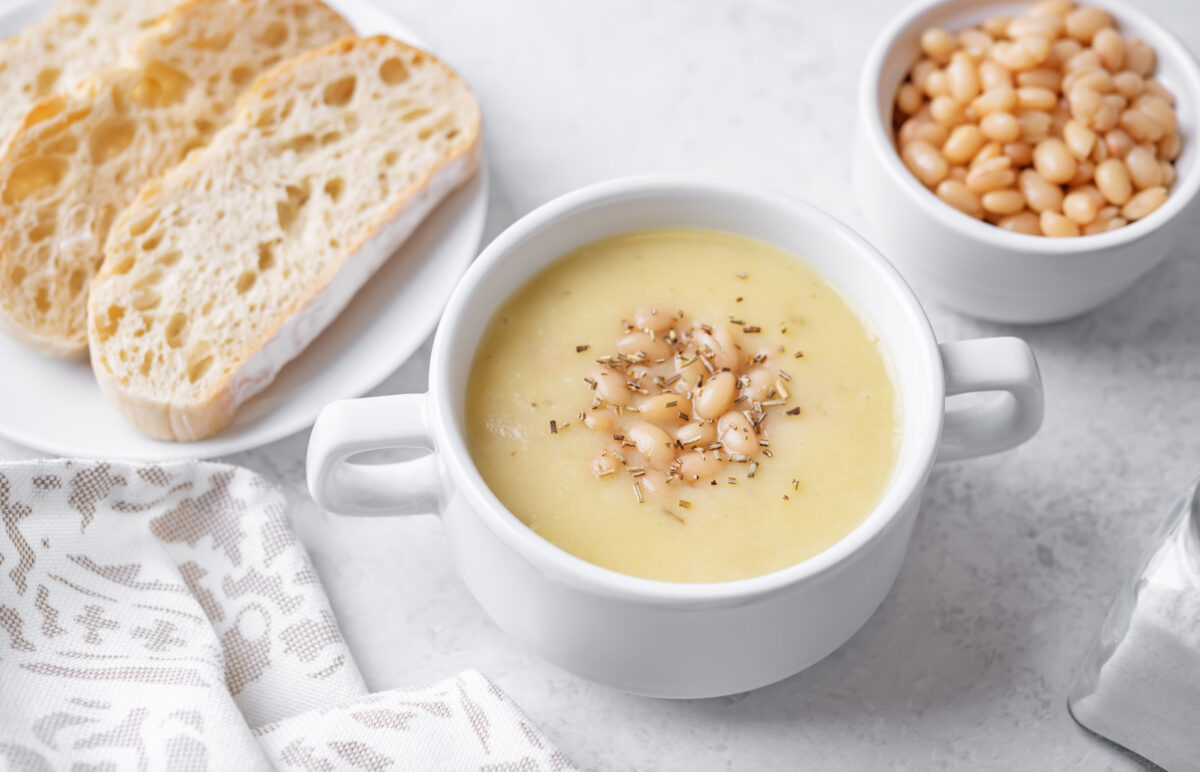
- Textural Transformation: Extracting a portion of the bean and broth mixture, pureeing it until smooth, and re-incorporating it into the pot to establish a velvety, medium-bodied consistency.
- Finishing Touches: Adjusting acidity with a splash of fresh lemon juice to brighten the flavor profile, and optionally folding in a modest quantity of half-and-half or grated Parmesan cheese for extra richness just prior to serving.
Adaptability and Dietary Customization
One of the primary drivers behind the widespread adoption of white bean soup in family households is its remarkable culinary flexibility. Food safety and culinary experts note that the dish serves as an optimal canvas for dietary modifications. For consumers adhering to dairy-free, vegan, or lactose-intolerant diets, the half-and-half and Parmesan cheese can be easily omitted or substituted with plant-based alternatives such as unsweetened almond milk, oat milk, or nutritional yeast, which imparts a savory, umami-rich profile reminiscent of aged cheese.
Furthermore, the soup’s nutritional profile can be effortlessly scaled to meet higher protein demands. Fitness enthusiasts and parents looking to satisfy growing children frequently incorporate shredded rotisserie chicken, sliced turkey sausage, or crumbled plant-based proteins during the final ten minutes of cooking. Similarly, the integration of dark leafy greens—such as lacinato kale or baby spinach—provides a significant boost in vitamins A, C, and K, transforming a simple bean soup into a comprehensive, nutritionally complete meal.
Storage, Meal Prep, and Economic Implications

From a logistical standpoint, creamy white bean soup fits seamlessly into the burgeoning consumer interest in meal prepping and food waste reduction. Because legumes hold their structural integrity well when stored, the soup actually benefits from an overnight resting period, allowing the complex flavors of garlic, herbs, and aromatics to fully meld.
Food safety guidelines dictate that cooked white bean soup can be safely stored in an airtight container within the refrigerator for up to four days. For longer storage, the soup freezes exceptionally well, provided it is frozen prior to the addition of dairy fats. Freezing the blended bean and vegetable base for up to three months allows consumers to execute rapid, budget-friendly dinners on demanding work nights by simply thawing, reheating, and stirring in fresh dairy or citrus finishing agents.
Economic analysts point out that as inflation impacts household food budgets, meals built around dry or canned legumes offer an exceptional cost-per-serving ratio compared to animal-protein-centric dishes. A standard batch yielding six hearty servings utilizes economical ingredients—carrots, celery, onions, broth, and canned beans—totaling a fraction of the cost of commercially prepared convenience foods.
Broader Industry Impact and Future Outlook
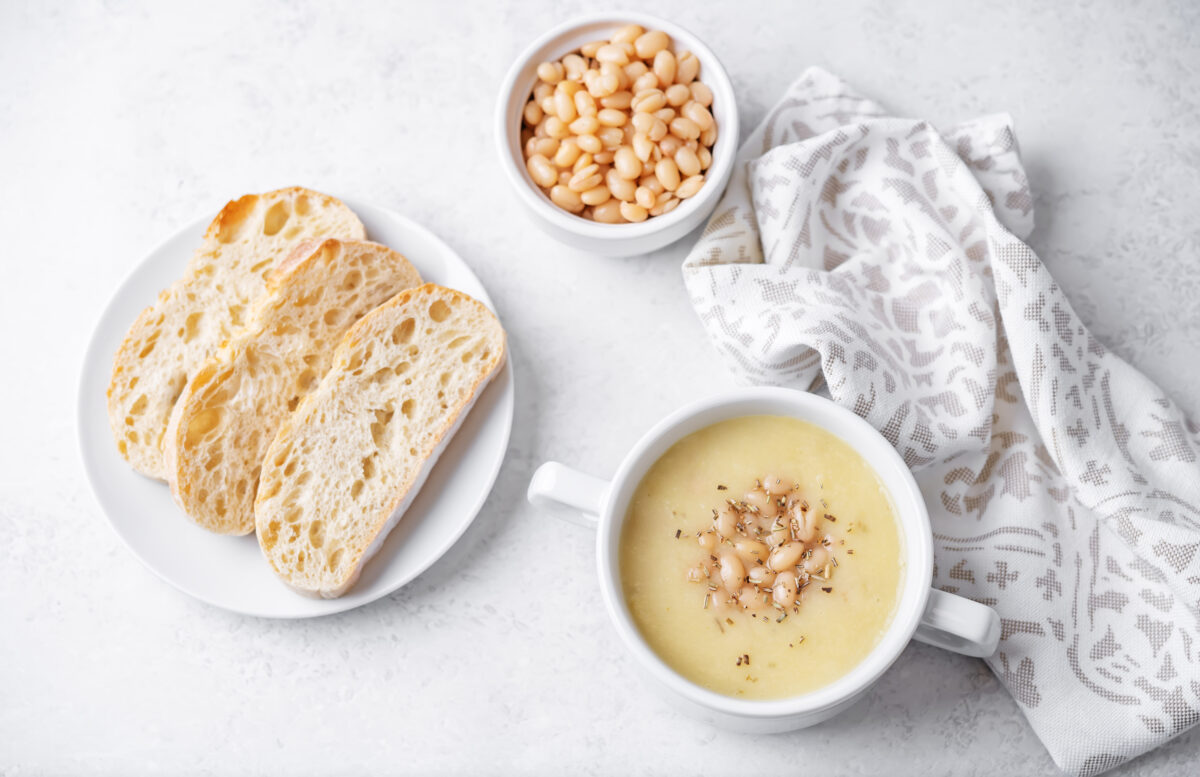
The sustained popularity of versatile bean-based soups highlights a broader cultural shift away from ultra-processed convenience foods and toward scratch-cooking methods that require minimal specialized equipment. Requiring only a standard soup pot and an immersion blender (or standard countertop blender), recipes of this nature lower the barrier to entry for novice home cooks.
As culinary educators and public health initiatives continue to promote plant-forward eating habits that do not compromise on comfort or flavor, dishes like creamy white bean soup are expected to remain fixtures of contemporary domestic cuisine. By bridging the gap between nutritional efficiency, economic pragmatism, and traditional comfort food appeal, the humble white bean demonstrates its enduring value on the modern dining table.