Sheet Pan Miso Roasted Cabbage with Crispy Chickpeas Elevates Plant-Based Dinners

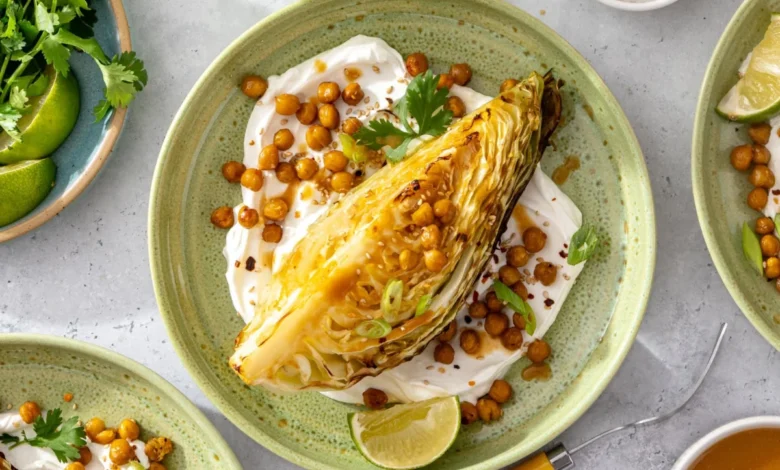
The modern culinary landscape has increasingly embraced vegetables not merely as side accompaniments, but as the centerpiece of the modern meal. A prime example of this ongoing shift in gastronomy is the growing popularity of brassicas, specifically cabbage, prepared with complex flavor profiles that redefine traditional home cooking. Among the rising stars of this movement is the conehead cabbage—also known as sugarcone cabbage—a variety that has captured the attention of chefs, agricultural innovators, and home cooks alike for its distinct tenderness and natural sweetness.
Background Context of the Conehead Cabbage Phenomenon
The culinary appreciation for specialty brassicas has expanded significantly over the past decade, driven largely by consumer demand for produce with superior flavor profiles and textural versatility. Traditional round heads of green cabbage have long been a staple in slaws and stews, but they often require extensive preparation to overcome a naturally dense and sometimes sulfurous profile. In contrast, pointed or cone-shaped varieties, such as those propagated by agricultural development companies like Row 7 Seeds, offer a radically different culinary experience.
First popularized at regional agricultural hubs such as the Hollywood Farmers Market, conehead cabbage gained traction due to its pale green, elongated architecture and significantly reduced bitterness. Horticulturalists note that these specific breeding efforts focus on enhancing innate sugars and tender cell structures, making the vegetable exceptionally responsive to high-heat cooking methods. As supply chains have adapted to meet the demand for specialty vegetables, home cooks have integrated these varieties into diverse global applications, ranging from quick-pickled condiments to Asian-inspired stir-fries. However, high-heat roasting remains one of the most effective techniques for transforming the vegetable’s cellular structure, yielding a dish that is simultaneously caramelized, silky, and deeply savory.
The Anatomy of a Sheet Pan Entrée
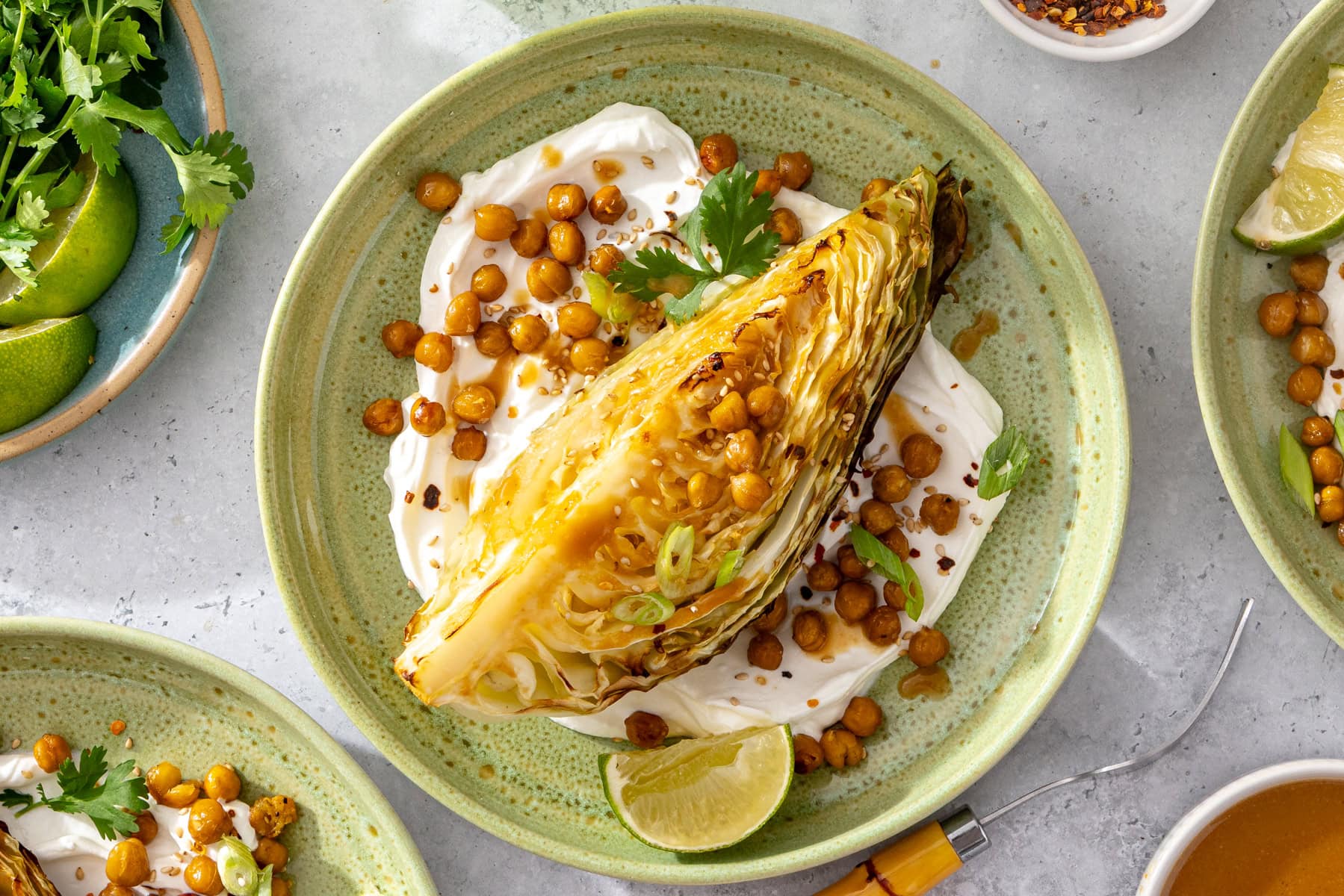
The culinary strategy behind the Sheet Pan Miso Roasted Cabbage with Crispy Chickpeas relies on balancing textures and flavor compounds through efficient preparation methods. By utilizing a single baking sheet, home cooks can streamline dinner preparation while achieving distinct culinary results across different ingredients.
The process begins with thick wedges of sugarcone cabbage, which are subjected to an extended roasting period. Culinary experts emphasize that patience is critical during this phase; undercooking cabbage often leaves the core unpleasantly crunchy and releases sulfurous compounds that deter diners. Allowing the vegetable to roast for approximately 40 minutes enables the natural sugars to caramelize, resulting in a buttery, tender interior encased in deeply golden, charred edges.
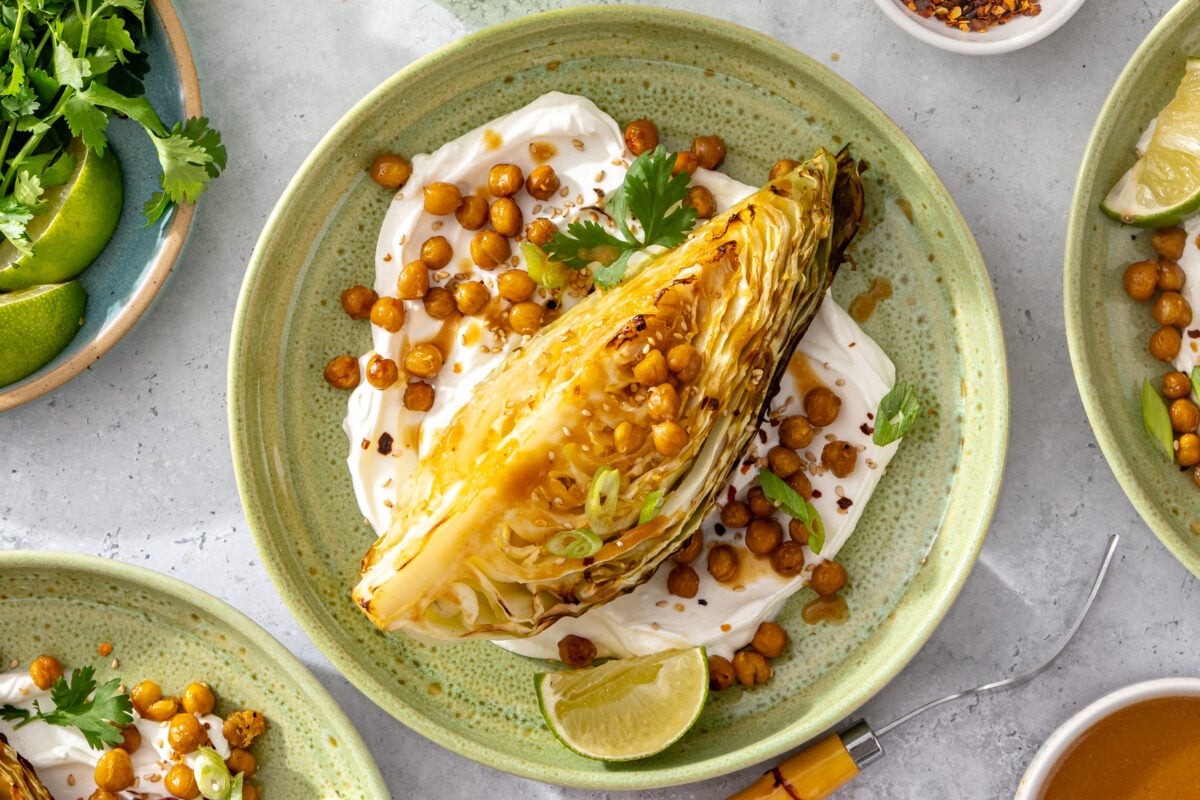
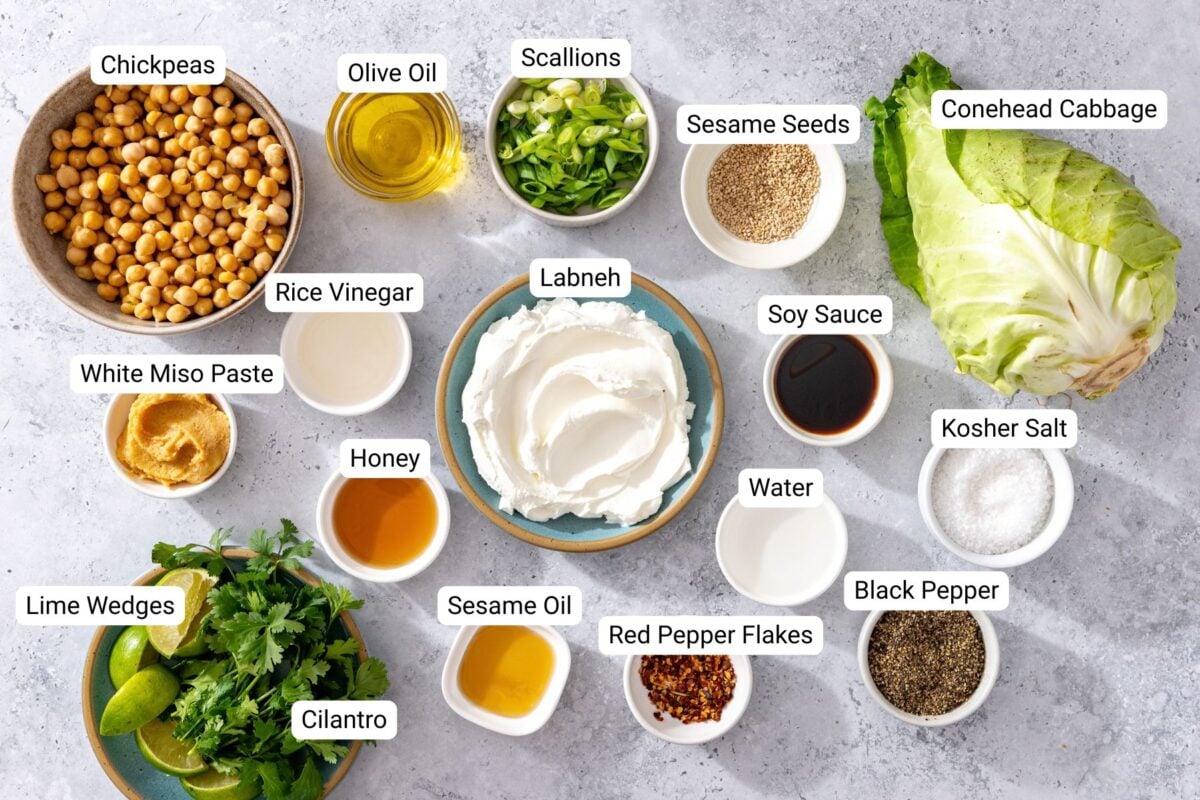
Simultaneously, chickpeas roasted on the same pan undergo a dehydration and crisping process, providing a vital textural contrast and introducing plant-based protein to the dish. To elevate the flavor profile, a savory miso glaze—combining fermented soybean paste with complementary oils and seasonings—is brushed onto the cabbage, imparting an umami-rich depth. The dish is finally assembled over a base of cool, tangy labneh, a strained yogurt product that balances the warmth and salinity of the glazed brassica. Garnishes such as toasted sesame seeds, scallions, cilantro, chili crisp, and fresh lime juice complete the sensory profile, offering elements of acidity, heat, and herbaceous freshness.
Nutritional Implications and Plant-Based Dietary Trends
The pivot toward vegetable-forward entrees aligns with broader public health recommendations and consumer trends favoring nutrient-dense, plant-based diets. Nutritional data for recipes of this nature highlight a favorable balance of macronutrients and micronutrients suitable for diverse dietary needs.
A standard serving of the miso-roasted cabbage and chickpeas contains approximately 169 kilocalories, reflecting a light yet satisfying caloric density. The dish provides roughly 7 grams of protein and 9 grams of carbohydrates per serving, supported by 12 grams of predominantly unsaturated fats derived from cooking oils and dairy components. Furthermore, the inclusion of legumes and brassicas ensures a notable intake of dietary fiber, vitamins, and minerals, contributing to cardiovascular health and sustained glycemic stability.
Dietary analysts note that recipes utilizing nutrient-dense base ingredients like cabbage and chickpeas encourage higher consumption of dietary fiber and essential micronutrients without relying on highly processed meat alternatives. This trend reflects a broader consumer preference for whole-food, plant-forward cooking that prioritizes bold, global flavors over restrictive dietary planning.
Methodology and Best Practices for Home Preparation
Achieving optimal results with sheet pan brassicas requires adherence to specific culinary techniques. Professional kitchens and recipe developers recommend several key practices to ensure consistency:
- Extended Thermal Processing: As established, adequate cooking time is non-negotiable. Roasting must continue until the thickest part of the wedge is fully tender and translucent. If the components finish cooking at disparate rates—such as the chickpeas achieving crispness before the cabbage is fully tender—cooks are advised to remove the cabbage while continuing to roast the legumes independently.
- Finishing Under High Heat: A brief exposure to the broiler at the conclusion of the cooking cycle can enhance visual appeal and deepen the caramelized exterior without overcooking the interior.
- Layering Textures and Temperatures: The interplay between warm, roasted elements and cold, acidic bases (such as labneh and fresh lime) is essential for replicating restaurant-quality complexity in a home kitchen environment.
Broader Industry Impact and Future Outlook
The evolution of humble vegetables into sophisticated main courses signals a permanent shift in modern eating habits. As agricultural innovators continue to develop superior vegetable cultivars and home cooks embrace techniques that maximize flavor extraction, traditional boundaries between side dishes and entrees continue to blur.
Recipes that successfully combine accessibility with gourmet execution—such as miso-roasted cabbage paired with protein-rich legumes and fermented dairy—demonstrate the vast potential of plant-centric cooking. Industry observers anticipate that consumer interest in specialized produce varieties, alongside creative sheet-pan methodologies, will continue to shape home cooking trends, encouraging culinary experimentation and healthier dietary patterns across demographics.