Frozen Yogurt Bark: A High-Protein Culinary Innovation in Modern Snacking

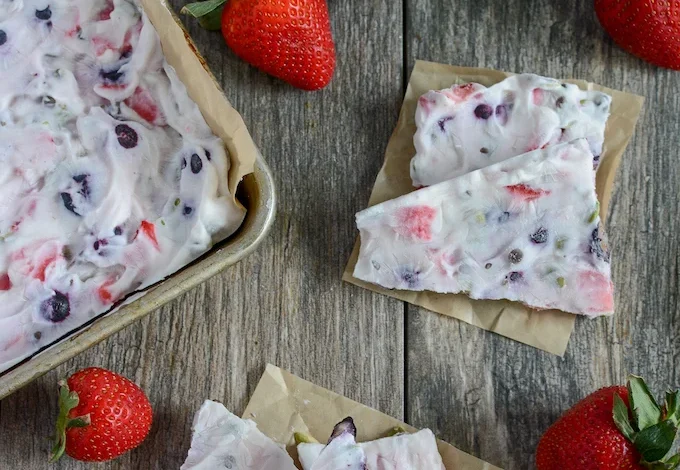
Frozen yogurt bark has emerged as a significant trend in the culinary sector, representing a shift toward DIY, health-conscious, and customizable food preparation. By repurposing traditional dairy-based snacks into a frozen, shelf-stable format, this method has gained traction among parents, athletes, and nutrition-focused consumers. The preparation involves spreading a thin layer of yogurt—typically Greek or full-fat varieties—onto a baking sheet, topping it with various mix-ins such as fruit, nuts, or seeds, and flash-freezing the mixture until it reaches a brittle, snackable consistency.
The rise of frozen yogurt bark mirrors broader consumer behavior trends identified by market researchers over the last decade. As public awareness of the impact of ultra-processed snacks grows, home-based preparation methods that emphasize whole-food ingredients have seen increased adoption. Unlike commercial frozen desserts, which often contain high levels of added sugar and stabilizers, this homemade variant allows for precise control over macronutrient profiles.
The Science of Texture and Formulation
The primary technical challenge in the production of frozen yogurt bark lies in managing water content. Yogurt is a high-moisture food product; when frozen, the water molecules crystallize. If the base product lacks sufficient fat content, these crystals can become large and sharp, resulting in a product that is unpalatable or difficult to consume.
Food science principles dictate that the inclusion of lipids—the fat found in whole-milk or Greek yogurt—acts as a stabilizer. These lipids interfere with the formation of large ice crystals, ensuring a smoother, more malleable texture. Industry experts note that while fat-free yogurt is a common choice for weight-management diets, it is structurally unsuitable for this specific preparation method. The use of full-fat yogurt, ideally with a minimum of 3% to 5% milkfat, ensures the resulting bark is firm yet flexible enough to be broken by hand without causing dental strain or fracturing into hazardous, sharp shards.
Nutritional Implications and Macronutrient Optimization
From a nutritional standpoint, the transition toward high-protein snacking is supported by data from the International Society of Sports Nutrition, which suggests that protein intake throughout the day is critical for muscle protein synthesis. By utilizing Greek yogurt as the primary substrate, the bark provides a concentrated source of casein and whey proteins.
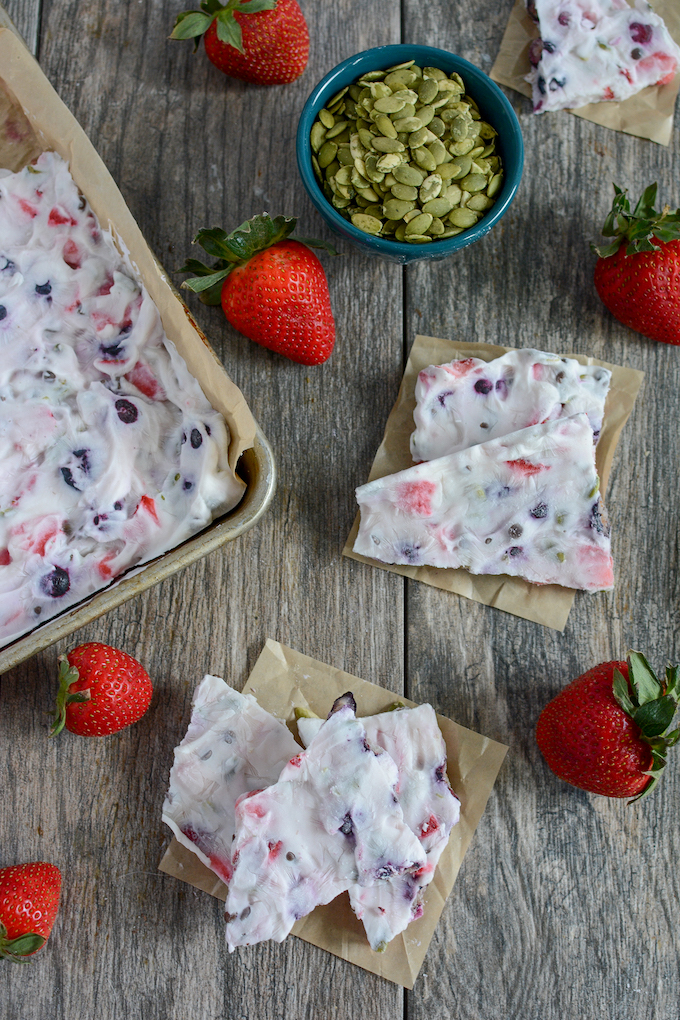
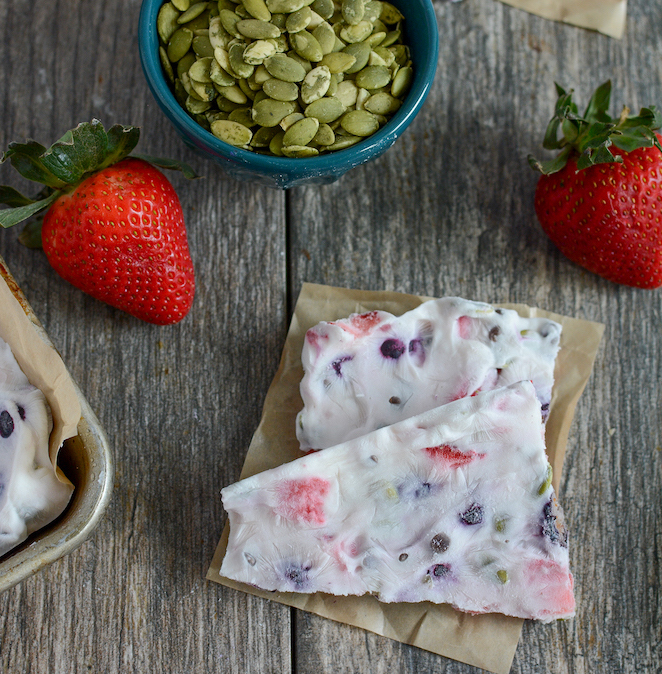
To further enhance the nutritional profile, practitioners often incorporate "functional toppings." The addition of pumpkin seeds (pepitas), hemp hearts, or chia seeds introduces essential omega-3 fatty acids, magnesium, and dietary fiber. The following table summarizes the comparative protein contribution of standard mix-ins:
| Ingredient | Protein Contribution (per 1/4 cup) | Key Micronutrients |
|---|---|---|
| Greek Yogurt (Base) | 10–15g | Calcium, B12 |
| Pepitas | 9g | Magnesium, Iron |
| Chia Seeds | 5g | Omega-3, Fiber |
| Chopped Almonds | 6g | Vitamin E, Monounsaturated fats |
This modular approach to snacking allows individuals to calibrate their intake based on specific health goals, whether it be sustained energy, post-workout recovery, or glycemic control.
Historical Context and Popularization
While frozen yogurt-based desserts have been a staple in the North American diet since the 1970s, the "bark" format is a relatively modern adaptation. The trend gained momentum through digital food media and social platforms around 2020, as domestic kitchens became the primary site of culinary experimentation during global lockdowns.
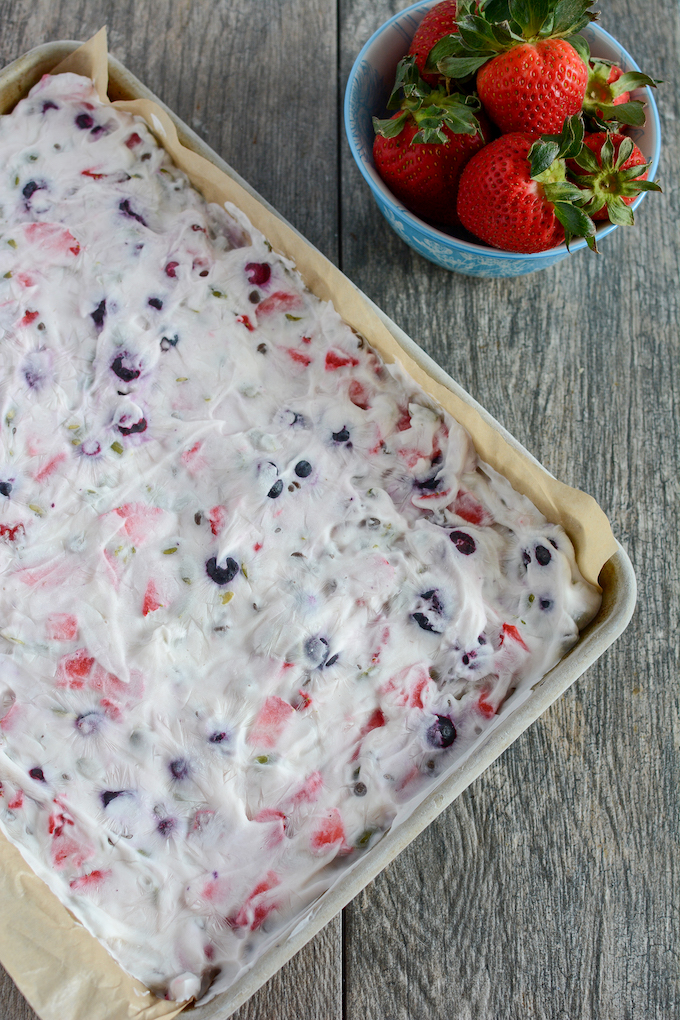
The simplicity of the recipe—requiring only a freezer, a baking sheet, and parchment paper—lowered the barrier to entry for novice home cooks. Unlike baking, which requires precise chemical reactions and temperature control, frozen yogurt bark relies on physical phase changes, making it a reliable method for meal prep. By preparing the product in advance and storing it in airtight, freezer-safe containers, consumers can maintain a supply of snacks that remain stable for up to three months, provided the freezer maintains a consistent temperature of 0°F (-18°C).
Strategies for Effective Meal Prep
Logistical planning is essential for those adopting this as a primary snack strategy. Successful execution requires:
- Surface Preparation: Using a standard 13×9-inch baking sheet lined with parchment paper prevents adhesion.
- Layering Dynamics: For optimal results, the thickness should be kept between 0.5 and 0.75 inches. Excess thickness results in a product that takes too long to reach a "biteable" temperature after removal from the freezer.
- Storage Protocols: To avoid the common issue of freezer burn—the dehydration of the surface of the food caused by air exposure—the bark must be tightly sealed in vacuum-sealed bags or high-quality silicone freezer containers. Removing as much air as possible from the packaging is the single most effective way to preserve the integrity of the fruit toppings and the texture of the yogurt.
Comparative Analysis of Dietary Adaptations
The versatility of the recipe has allowed for various dietary adaptations, including:
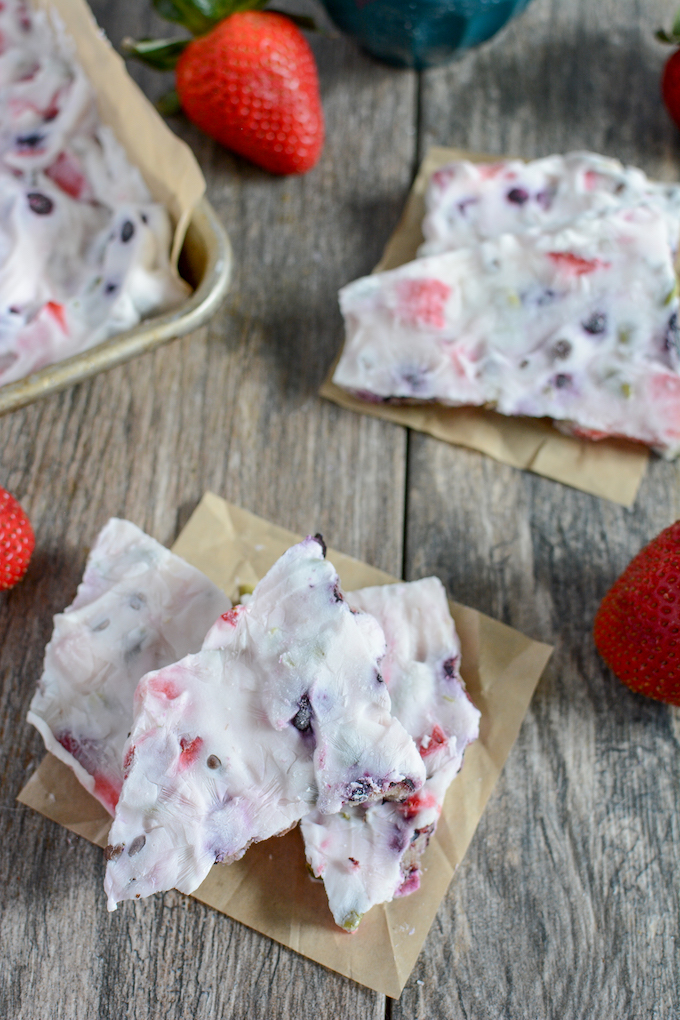
- Low-Sugar Variations: By utilizing plain, unsweetened Greek yogurt and relying on the natural fructose in fresh berries, consumers can significantly reduce the glycemic impact compared to store-bought yogurt bars.
- Dessert-Centric Profiles: The integration of dark chocolate (70% cocoa or higher) and sea salt provides a sensory experience that mimics traditional confectionery while maintaining a higher protein-to-calorie ratio.
- Swirl Techniques: A visual and textural enhancement involves using fruit purees or nut butters. By dropping dollops onto the yogurt base and using a spatula to create a marble effect, the cook can ensure a balanced distribution of flavors, preventing "plain" bites.
Broader Economic and Health Impact
The rise of such homemade snacks signals a shift in consumer demand toward "transparency in snacking." By controlling the ingredients, consumers bypass the preservatives, artificial sweeteners, and emulsifiers often found in mass-produced, shelf-stable energy bars.
From an economic perspective, this trend reflects a move toward cost-effective nutrition. Purchasing bulk yogurt and seasonal produce is consistently more economical than purchasing individual protein bars or yogurt-based snacks, which often carry a premium for packaging and processing. Furthermore, as the cost of living fluctuates, the ability to utilize staple ingredients—yogurt, frozen fruit, and pantry-stable seeds—offers a sustainable model for household budgeting.
Clinical and Expert Perspectives
Nutritionists generally view this snack as a positive development, provided the sugar content remains monitored. The "kid-friendly" aspect is particularly noted by pediatric nutritionists, who advocate for involving children in the preparation process. Engaging children in the "mixing and pouring" phase of the prep is linked to improved food acceptance and a greater willingness to try nutrient-dense foods like seeds and tart fruits.
However, health professionals emphasize that even "healthy" snacks should be consumed within the context of a balanced diet. The high concentration of protein and calcium in Greek yogurt, while beneficial, should not displace a diverse intake of vegetables and whole grains. Furthermore, for individuals with lactose sensitivities, the substitution of dairy with high-protein plant-based yogurts—such as soy-based alternatives—is a viable pathway, though one must be mindful of the lower protein content in many nut-based or coconut-based yogurt alternatives.
Future Trajectory of the Trend
As we look toward the future of home nutrition, the frozen yogurt bark concept serves as a template for further innovation. It is likely that the next iteration of this trend will involve the integration of more complex functional ingredients, such as adaptogenic mushrooms, collagen peptides, or probiotic-fortified mix-ins.
The ease of the method, combined with the sensory satisfaction of a cold, crunchy, and creamy snack, positions frozen yogurt bark as a permanent fixture in the modern kitchen. Whether serving as a post-workout recovery tool for athletes or a nutrient-dense breakfast side for families, the practice embodies the intersection of convenience, nutrition, and personal agency in the 21st-century food landscape.