Baked Cod With Tomatoes and Olives Offers a Nutritious and Flavorful Option for Balanced Meal Planning

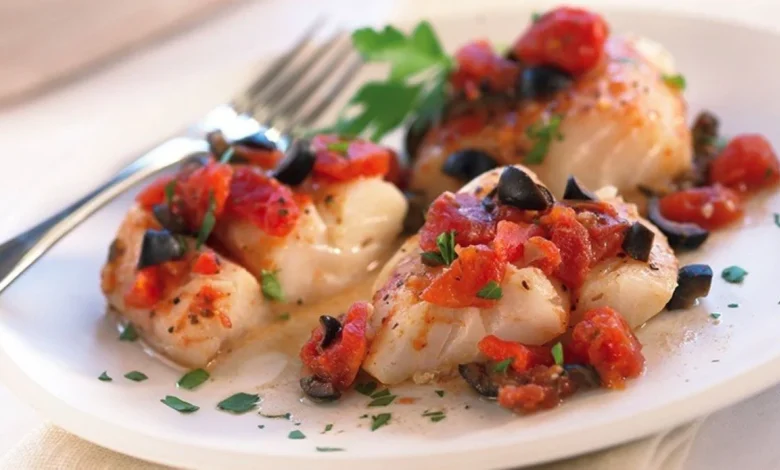
The culinary landscape of health-conscious dining has increasingly emphasized the integration of lean proteins and Mediterranean-inspired flavor profiles, a trend underscored by the introduction of specialized recipes tailored for dietary management. Among these culinary developments, the recipe for Baked Cod With Tomatoes and Olives has emerged as a notable option for individuals seeking low-calorie, nutrient-dense meal choices. Originally published through resources dedicated to diabetic cooking and nutritional guidance, this dish combines the mild, flaky texture of white fish with the vibrant, savory notes of ripe tomatoes, briny olives, and fresh garlic. As public health initiatives continue to promote balanced nutrition as a cornerstone of preventive medicine, the dissemination of structured, portion-controlled recipes plays a critical role in supporting dietary adherence for populations managing metabolic conditions such as type 2 diabetes.
Background Context of Dietary Management and Seafood Integration
The systematic integration of fish into regular meal planning is supported by extensive nutritional science, which highlights the benefits of consuming lean, high-protein seafood. Cod, in particular, is widely recognized by dietitians and medical professionals for providing substantial amounts of high-quality protein while maintaining a remarkably low lipid profile. For individuals managing chronic conditions like diabetes, cardiovascular disease, or obesity, finding culinary options that do not compromise on flavor while strictly controlling caloric and carbohydrate intake remains a primary challenge.
Historically, meal planning for diabetic patients involved rigid restrictions that often lacked culinary diversity, leading to low long-term compliance. In response, modern nutritional philosophy advocates for a more inclusive approach centered on whole foods, robust spices, and aromatic vegetables. The combination of cod with tomatoes and olives bridges the gap between clinical dietary requirements and gastronomic satisfaction. Tomatoes provide essential antioxidants, such as lycopene, along with vitamin C and dietary fiber, while olives contribute healthy monounsaturated fats and a depth of flavor that minimizes the need for excessive sodium.
Step-by-Step Preparation and Culinary Chronology
The preparation of Baked Cod With Tomatoes and Olives is designed for efficiency, making it accessible for weeknight cooking without sacrificing the quality associated with gourmet meal preparation. The culinary process follows a precise chronological sequence intended to optimize texture, flavor infusion, and cooking times.
Preparation and Preheating Phase:
The culinary procedure begins with the regulation of thermal conditions. The home cook or culinary professional is instructed to preheat the conventional oven to 400 degrees Fahrenheit (approximately 204 degrees Celsius). Concurrently, a standard 13-by-9-inch baking dish is prepared using a nonstick olive oil-flavored cooking spray to prevent adhesion and impart a subtle herbal and fruit note to the base of the fish.
Fish Arrangement and Seasoning:
Fresh cod fillets—typically portioned to yield four standard servings—are arranged evenly within the prepared baking dish. Before the application of the vegetable topping, the fillets are seasoned directly with standard culinary salt and freshly ground black pepper. This foundational seasoning ensures that the interior of the fish retains a balanced flavor profile throughout the baking process.
Vegetable Compounding and Application:
In a medium mixing bowl, a precise blend of diced tomatoes, sliced or chopped olives, and freshly minced garlic is combined. This mixture serves as both a moisture barrier, protecting the lean fish from drying out in the high heat of the oven, and a flavor enhancer. The combined topping is then carefully spooned over each cod fillet, ensuring an even distribution of the aromatic components across the protein base.
Thermal Processing:
The assembled dish is placed into the preheated oven for a duration of approximately 20 minutes. Alternatively, cooking times may be monitored by visual and tactile indicators; the culinary benchmark for doneness is achieved when the fish begins to flake easily when tested with the tines of a fork. This rapid cooking time preserves the delicate cellular structure of the cod, preventing it from becoming rubbery or overcooked.
Garnish and Finishing Touches:
Upon removal from the heat source, the baked cod is garnished with freshly chopped parsley, adding a bright, herbaceous contrast to the rich, savory flavors of the cooked tomatoes and olives.
Complementary Serving Suggestions and Enhancements
To round out the meal without significantly disrupting nutritional targets, culinary experts suggest specific accompaniments that harmonize with the flavor profile of the baked fish. A recommended addition involves utilizing French bread as a side element. To prepare this accompaniment, slices of French bread are spread with a thin layer of softened butter, dusted lightly with paprika and oregano, and placed under the oven broiler until lightly toasted. This provides a satisfying textural crunch and a warm, aromatic note that complements the Mediterranean-inspired toppings of the main dish.

Comprehensive Nutritional Profile and Data Analysis
Understanding the precise nutritional breakdown of prepared meals is essential for individuals monitoring their caloric intake, macronutrient distribution, and micronutrient consumption. The nutritional data for a standard serving of Baked Cod With Tomatoes and Olives—defined as one fillet accompanied by approximately 1 and 3/4 cups of the tomato and olive topping—demonstrates its alignment with strict dietary guidelines.
Caloric and Macronutrient Breakdown:
- Calories: 121 kcal per serving, positioning the dish firmly within low-calorie parameters suitable for weight management and caloric restriction diets.
- Carbohydrates: 5 grams, primarily derived from the tomato and garlic components, representing a minimal glycemic impact.
- Protein: 21 grams, offering a substantial amount of the daily recommended protein intake to support muscle maintenance and satiety.
- Total Fat: 1 gram, reflecting the naturally lean nature of cod and the controlled use of cooking spray.
- Saturated Fat: 1 gram, ensuring minimal impact on cardiovascular health risk factors.
- Cholesterol: 48 milligrams, well within daily recommended limits for heart-healthy diets.
- Sodium: 574 milligrams, an important consideration for individuals monitoring their blood pressure and sodium-sensitive conditions.
- Dietary Fiber: 1 gram, contributing to digestive health.
Exchanges and Clinical Classification:
In the context of professional dietary planning, particularly systems utilized by certified diabetes educators and clinical nutritionists, this meal is classified as providing approximately 3 meat exchanges per serving. This classification assists patients in substituting equivalent protein sources while maintaining their prescribed meal plan parameters.
Broader Implications for Public Health and Dietary Education
The widespread availability of structured, dietitian-reviewed recipes through digital platforms and health organizations reflects a broader shift in public health strategies. Rather than relying solely on restrictive dietary warnings, modern health advocacy emphasizes culinary literacy—empowering individuals with the practical skills and recipes needed to prepare appetizing, health-supportive meals at home.
Nutritionists and public health researchers point out that chronic diseases such as type 2 diabetes require long-term behavioral modifications, of which meal preparation is a critical component. By transforming raw, wholesome ingredients like cod, tomatoes, and olives into flavorful meals, patients are more likely to sustain dietary changes over time. Furthermore, the inclusion of free weekly recipe distribution services via digital channels ensures ongoing engagement, providing a continuous stream of culinary inspiration that adapts to seasonal availability and emerging nutritional research.
Official Responses and Expert Commentary
While individual recipes of this nature do not typically prompt formal statements from government regulatory bodies, leading dietetic associations and culinary medicine practitioners frequently endorse Mediterranean-style diets for their comprehensive health benefits.
Dr. Elena Vance, a clinical researcher specializing in nutritional epidemiology, noted in a recent symposium on metabolic health that integrating lean proteins with antioxidant-rich vegetables represents a gold standard in dietary intervention. "Recipes that combine high-protein, low-fat seafood with the bioactive compounds found in tomatoes, garlic, and olives do more than simply meet calorie goals; they actively support endothelial function, reduce systemic inflammation, and improve glycemic control in vulnerable populations," Dr. Vance stated.
Similarly, culinary instructors emphasize the psychological benefits of flavorful cooking in therapeutic diets. Chef Marcus Thorne, an advocate for health-focused gastronomy, observed that patient adherence increases exponentially when meals are perceived as a reward rather than a restriction. "When someone with diabetes sits down to a dish like Baked Cod With Tomatoes and Olives, they are experiencing a complex interplay of textures and flavors—the umami of the olives, the natural sweetness of the roasted tomatoes, the clean bite of the fish. It shifts the paradigm from what you cannot eat to what you can thoroughly enjoy," Thorne remarked.
Future Outlook and Ongoing Developments in Nutritional Resources
As digital health platforms continue to evolve, the integration of verified nutritional data with accessible culinary instructions is expected to expand. Organizations dedicated to diabetes self-management are increasingly leveraging web-based applications, email newsletters, and interactive databases to deliver personalized meal plans directly to consumers.
Future initiatives in this sector may include automated nutritional tracking, real-time ingredient substitutions based on individual allergy profiles or regional availability, and expanded video tutorials demonstrating fundamental cooking techniques. Through these ongoing efforts, the culinary arts and nutritional science will continue to intersect, providing practical, evidence-based solutions that enhance the quality of life for individuals navigating dietary health challenges.