The Lean Green Bean’s Guide to the Best Store-Bought Popsicle Brands for Summer 2026

As the summer of 2026 heats up, consumers seeking healthier frozen treat options are increasingly scrutinizing the ingredients and nutritional content of store-bought popsicles. A recent analysis by registered dietitian and mother of three, Lindsay, highlights a growing trend towards popsicles made with real fruit and significantly lower added sugar levels compared to traditional offerings. This focus on healthier alternatives reflects a broader public health initiative aimed at reducing sugar consumption, particularly among children, and promoting ingredient transparency in the food industry.
The article, updated in June 2026 from its original publication in July 2023, addresses common consumer questions regarding the sugar content and ingredient quality of popsicles. Lindsay emphasizes that many conventional popsicles can contain upwards of 20 grams of added sugar per serving, a substantial amount for a small treat. This revelation underscores the importance of informed purchasing decisions, especially as manufacturers are increasingly responding to consumer demand for healthier options.
Understanding Healthier Popsicle Choices
A key distinction in the popsicle market, as outlined by Lindsay, lies between "real fruit" and "fruit-flavored" options. Real fruit popsicles utilize blended whole fruits or 100% fruit juices, potentially offering vitamins and fiber. In contrast, fruit-flavored varieties often rely on water, artificial flavors, and sweeteners. The article further differentiates between fruit puree, which incorporates the entire fruit and its pulp, and fruit juice, where only the liquid is extracted. Purer forms of fruit are generally preferred for their higher nutrient and fiber content.
When evaluating popsicle ingredients, Lindsay advises consumers to look for products listing 100% fruit juice or fruit puree as primary components. Preferences lean towards cane sugar as a sweetener if any sugar is added, while artificial sweeteners like high fructose corn syrup and sucralose are flagged for avoidance. Similarly, the use of artificial food dyes is discouraged, with a preference for natural coloring agents such as spirulina extract over synthetic options like Yellow 5.
Navigating Nutrition Labels for Informed Choices
Understanding how to read a popsicle’s nutrition label is crucial for making informed decisions. Lindsay points out the importance of distinguishing between "total sugar" and "added sugar." While total sugar can be high due to naturally occurring sugars in fruit, a low or zero "added sugar" count indicates minimal or no sugar has been artificially introduced beyond what’s inherent in the fruit. Additionally, the presence of fiber, protein, or even a small amount of fat can contribute to a more satisfying treat that helps regulate blood sugar spikes.
Top Picks for Healthier Store-Bought Popsicles
The article highlights several brands that align with these healthier criteria, categorizing them by type and availability:
Creamy Indulgence: Yasso Bars
For those seeking a creamy texture, Yasso Bars are presented as a viable option. These bars differentiate themselves by using Greek yogurt instead of heavy cream, a common base for ice cream. While typically containing 8-9 grams of added sugar per serving, they also provide a few grams of protein, offering a more balanced nutritional profile.
Retailer-Specific Recommendations
- Costco: Availability can vary, but Costco often stocks Jonny Pops and Deebee’s Organic Freezie Pops.
- Target: Shoppers at Target can typically find a selection of Jonny Pops, Deebee’s Organic Freezie Pops, Yasso Bars, Outshine Minis, and Tru Fru. The Good & Gather Strawberry Fruit Bars are also noted, though they contain a slightly higher 12 grams of added sugar, they boast a simple ingredient list.
- Walmart: This retailer is expected to carry Jonny Pops, Dee Bees, 100% fruit juice Otter Pops, and Outshine Mini Fruit Pops.
Popsicles with No Added Sugar
For consumers prioritizing zero added sugar, several brands offer compelling choices:
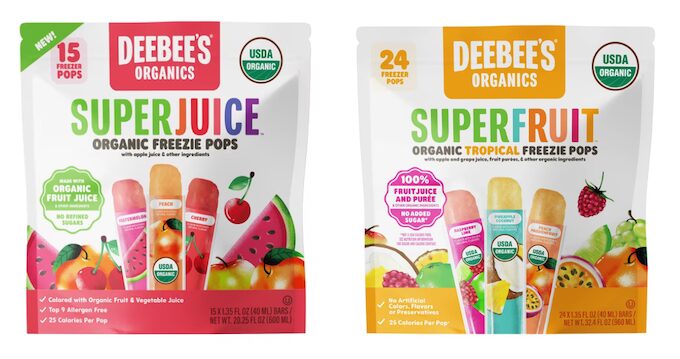
- Deebees Organic: Their SuperFruit & SuperJuice Freezies are formulated with fruit juice and contain no added sugar.
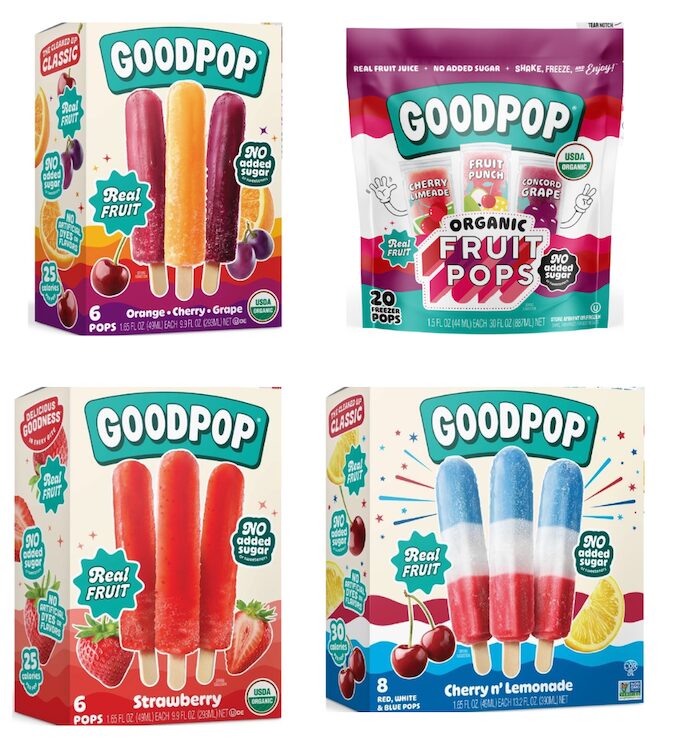
- Goodpop: This brand offers Freezer Pops made with 100% fruit juice. They utilize natural colorings like spirulina and carrot juice and contain no added sugar. Consumers are advised to check labels, as Goodpop also offers varieties with added sugar.
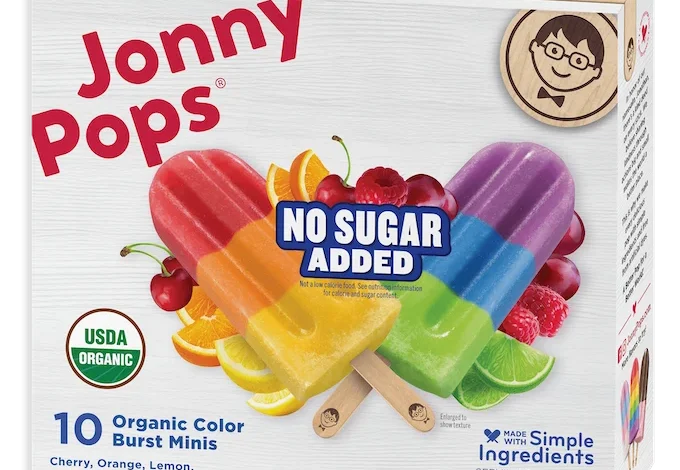
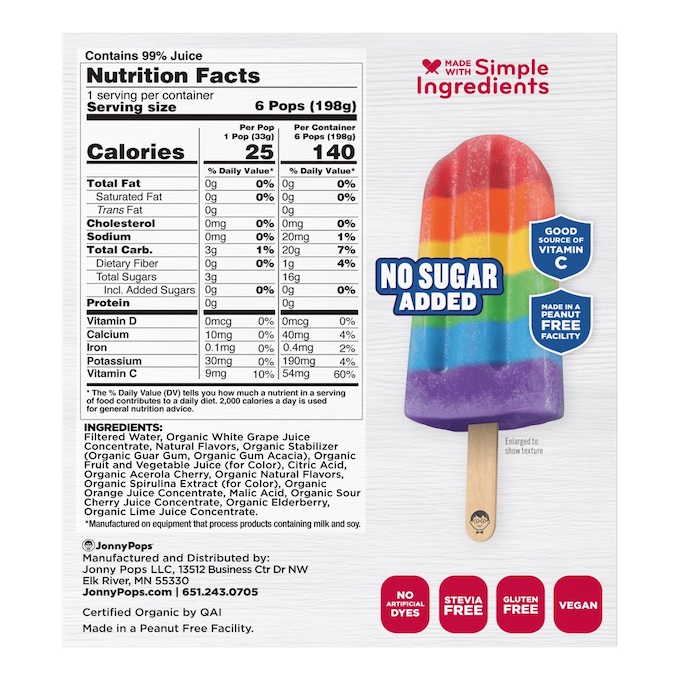
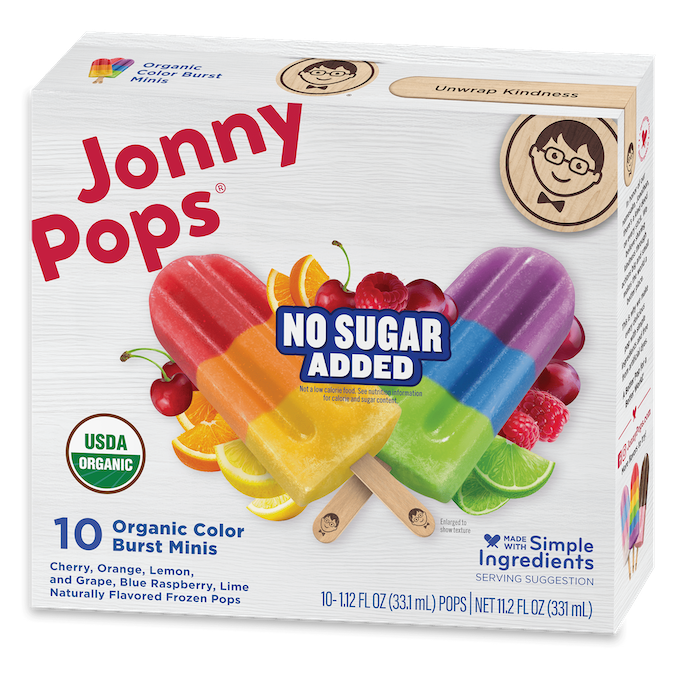
- Johnny Pops: Their Rainbow Mini Pops and other flavor varieties are formulated without added sugars or artificial sweeteners, making them a strong contender for those seeking natural options.
Popsicles with Less Added Sugar
Recognizing that "no added sugar" options may not always be available or preferred, the article also identifies brands with reduced added sugar content:
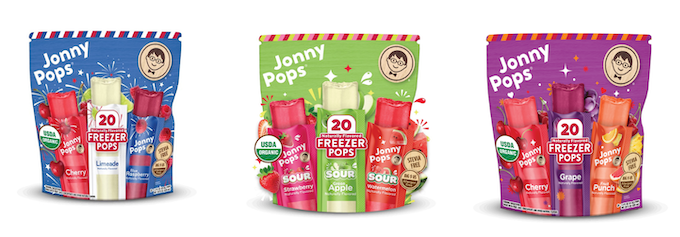
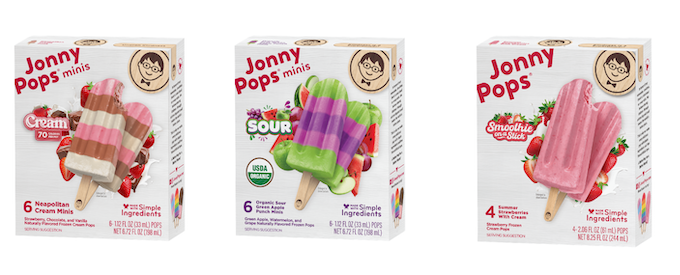
- Jonny Pops Freezer Pops: Available in several flavors, including a sour option, these are sweetened with cane sugar and contain approximately 6 grams of added sugar per serving. Jonny Pops also offers cream minis and sour minis with 5-6 grams of added sugar, and smoothie-on-a-stick varieties with 9 grams of added sugar. Their standard popsicles typically contain around 10 grams of added sugar.
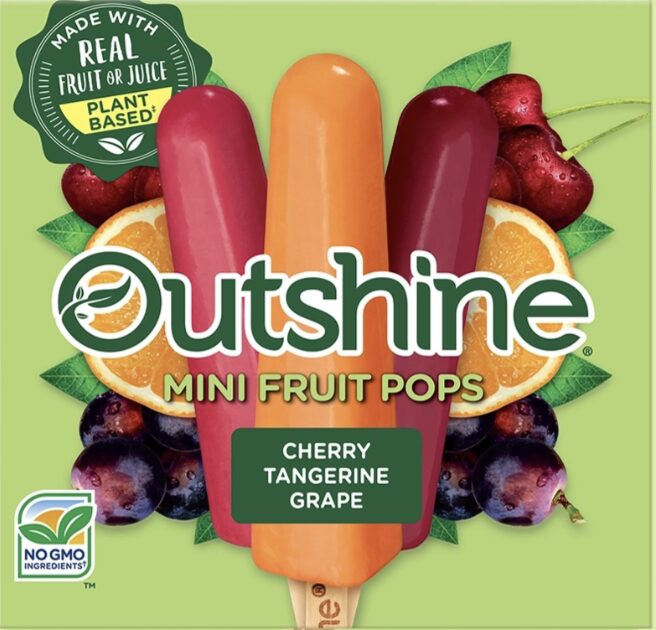
- Outshine Fruit Bars: The Mini Fruit Pops, made with fruit purees, water, sugar, and fruit juice, contain approximately 8 grams of added sugar per pop. It’s important to note that Outshine’s no-added-sugar varieties are sweetened with artificial sweeteners like sucralose, which Lindsay advises against.
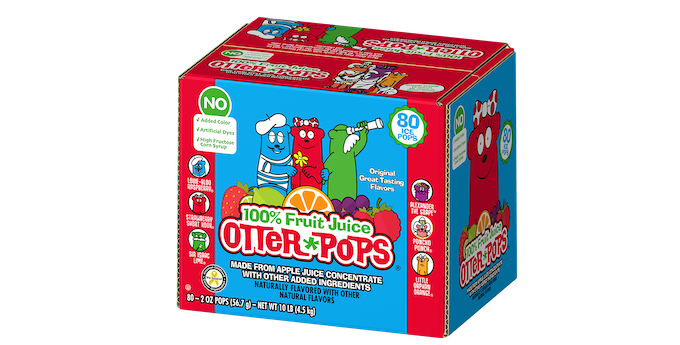
- Otter Pops: Specifically, the 100% Fruit Juice Otter Pops are highlighted for their juice base and a low added sugar content of just 3 grams per serving.
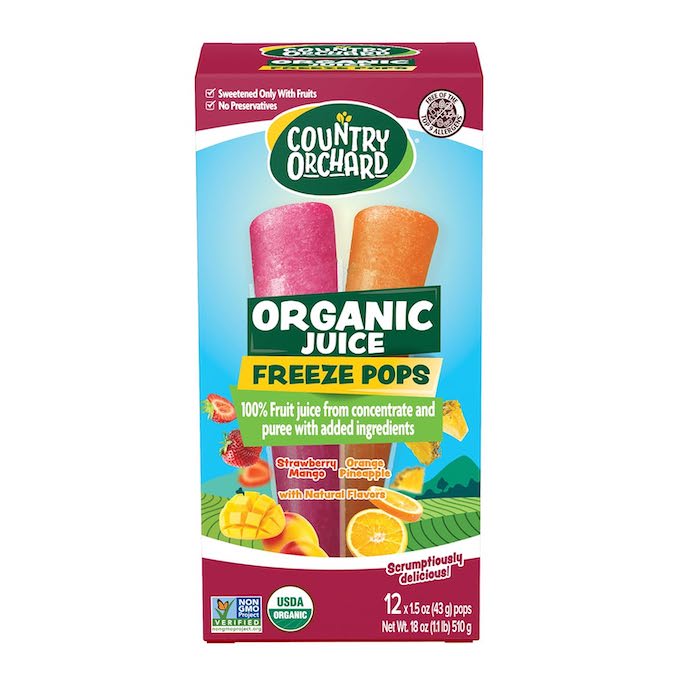
- Kisko Freezies (Country Orchard Organic Juice Freeze Pops): These are made with 100% juice and are available for purchase online.
Beyond the Stick: Alternative Healthy Frozen Treats
The article also extends its recommendations beyond traditional popsicles to include other healthy frozen options:
- Dole Dippers: Chocolate-dipped fruit pieces.
- Tru Fru: Frozen fruit coated in chocolate.
- Wyman’s Juice Fruit: Frozen fruit chunks often blended with yogurt or juice.
Addressing Common Concerns
Several frequently asked questions are addressed to further guide consumers:
- Dye-Free Options: Good Pop, Jonny Pops, Deebees Organics, and Outshine Bars offer dye-free products. Otter Pops also has a colorless version.
- Best for Kids: Good Pop, Jonny Pops (No Added Sugar), Outshine Mini Fruit Bars, and DeeBees Organic Freezie Pops are recommended for children.
- No Added Sugar Brands: Good Pop, Deebees Organic, and Johnny Pops are noted for their no-added-sugar offerings.
- Real Fruit Brands: Deebees Organic, Good Pop, Jonny Pops, and Outshine Bars utilize real fruit in some of their products.
- Healthiness of Fruit Juice Popsicles: Popsicles made with fruit juice are generally considered healthier than those made with water, artificial sweeteners, and flavors.
- Key Considerations for Healthy Popsicles: The primary recommendation is to seek options with no added sugar and no artificial sweeteners. If unavailable, choose products made with 100% fruit or fruit juice with the lowest amount of added sugar.
- Low Sugar Popsicle Brands: Jonny Pops, Outshine, Good Pop, and Otter Pop (100% Juice) are identified as good low-sugar choices.
- Healthier Frozen Treats Beyond Popsicles: Dole Dippers, Tru Fru, and Wyman’s Juice Fruit are suggested.
- Freezer Pops vs. Regular Popsicles: Freezer pops, typically stored in plastic packaging and found in pantries, can sometimes offer smaller serving sizes, potentially leading to lower sugar and calorie intake compared to stick popsicles.
The article concludes by encouraging reader engagement, asking for their favorite store-bought popsicle brands and any they feel were missed. This interactive approach fosters a community around healthy eating choices, reinforcing the article’s aim to provide practical, evidence-based guidance for consumers navigating the frozen treat aisle. The insights offered by Lindsay, a registered dietitian and mother, provide a valuable resource for families looking to make more informed and healthier choices this summer and beyond.