Building Inclusive Libraries: A Comprehensive Overview of Diversity in Children’s Literature

The landscape of children’s literature has long faced scrutiny over representation, with decades of publishing data revealing a profound imbalance in the demographics of protagonists. While children grow up in an increasingly multicultural and diverse society, the characters they encounter in storybooks, board books, and middle-grade novels have historically skewed toward a narrow demographic of white, male figures. In recent years, literacy advocates, educators, and publishers have increasingly emphasized the critical need for systemic change, highlighting that diverse books are not only a matter of accurate representation, but a fundamental component of childhood development and empathy-building.
Historical Context and Representation Data

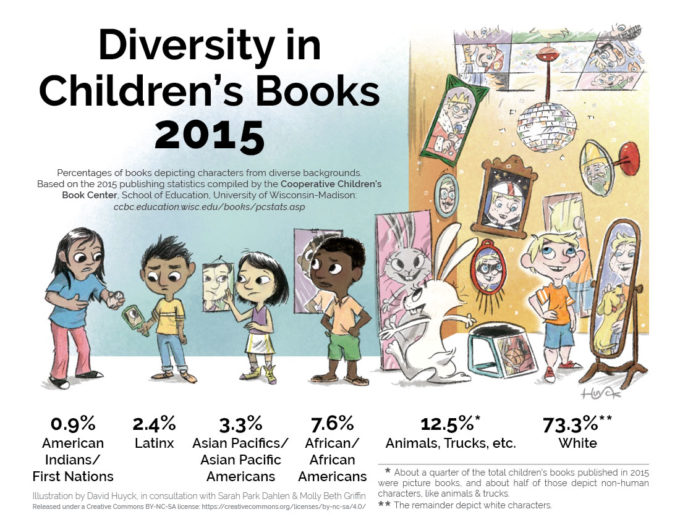
For decades, quantitative studies tracking children’s book publishing have highlighted stark disparities. Comprehensive research conducted by institutions such as the Cooperative Children’s Book Center (CCBC) at the University of Wisconsin-Madison has consistently documented publishing trends over the years. Data from these ongoing analyses indicate that characters of color, female protagonists, individuals with disabilities, and LGBTQ+ characters remain significantly underrepresented relative to the broader population.
Historically, even when animal or anthropomorphic protagonists dominate narratives, they have predominantly been coded male. Publishing analysts note that this lack of inclusive representation is often normalized to the point of invisibility, leaving many young readers unable to see their lived experiences reflected in the media they consume. Conversely, literary experts emphasize that literature serves dual purposes: it acts as a "mirror" allowing children to see their own identities validated, and as a "window" enabling them to understand and empathize with the lives of others from different backgrounds.
The Evolution of Inclusive Publishing: A Chronological Overview
The movement toward greater diversity in children’s literature is rooted in mid-20th-century milestones, though significant accelerated growth has occurred over the past two decades.
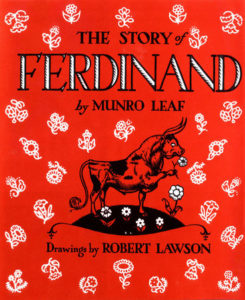
- 1941: The publication of The Story of Ferdinand by Munro Leaf challenged traditional hyper-masculine archetypes in animal protagonists, offering a gentle narrative about a bull who preferred smelling flowers to fighting.
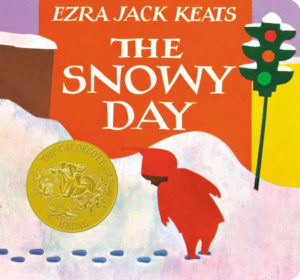
- 1962: Ezra Jack Keats published The Snowy Day, featuring an African American protagonist named Peter. The book broke barriers by winning the prestigious Caldecott Medal in 1963, marking a watershed moment for mainstream multicultural children’s literature.
- Late 20th Century: Independent publishers and progressive authors slowly introduced broader cultural narratives, though representation statistics remained stagnant through the 1990s and 2000s.
- 2014–Present: Grassroots campaigns, social media advocacy movements (such as #WeNeedDiverseBooks founded in 2014), and increased institutional demand have catalyzed a measurable shift in publisher acquisitions, leading to a broader array of award-winning diverse titles entering mainstream educational and library systems.
Curated Selections Across Developmental Stages
To address the ongoing demand for inclusive reading materials, educators and literacy specialists have compiled recommended reading lists categorized by developmental age groups. These selections prioritize high literary and artistic quality alongside rich thematic diversity.
Diversity and Inclusion in Books for Babies and Toddlers
Early childhood literature lays the foundational groundwork for cognitive and social-emotional development. Introducing diverse concepts during the formative years helps normalize differences in family structures, physical abilities, and cultural backgrounds.
- Not Quite Narwhal by Jessie Sima: A gentle narrative following Kelp, a character navigating identity and belonging, which emphasizes the all-encompassing nature of family love.
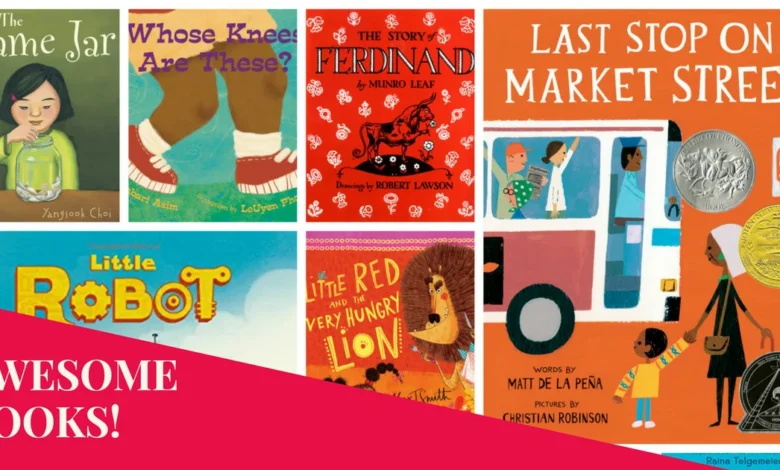
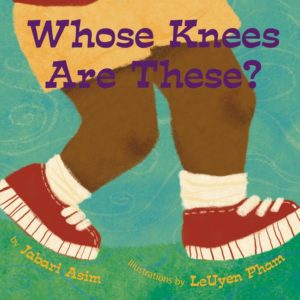
- Whose Knees Are These? by Jabari Asim: A rhythmic, interactive board book featuring illustrations of diverse children, designed to assist toddlers with body-part identification.
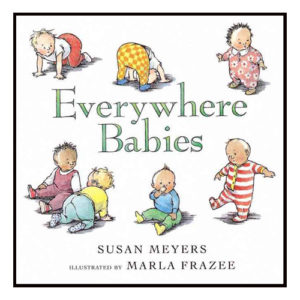
- Everywhere Babies by Susan Meyers: Illustrated by Marla Frazee, this board book celebrates infants from various racial and cultural backgrounds within diverse family settings.
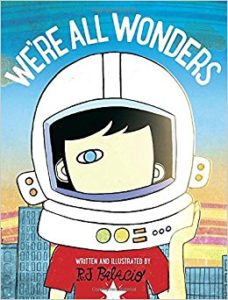
- We’re All Wonders by R.J. Palacio: Adapted from the bestselling novel Wonder, this picture book introduces younger readers to themes of physical difference, empathy, and social acceptance.
Multicultural and Inclusive Narratives for Preschoolers
As children enter preschool, narratives begin to explore community dynamics, emotional regulation, and broader social environments.
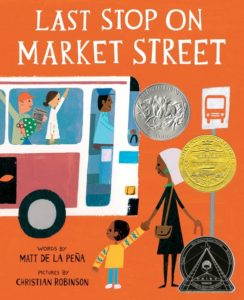
- Last Stop on Market Street by Matt de la Peña: Winner of the Newbery Medal and a Caldecott Honor, this story follows a young boy and his grandmother on a bus ride through an urban community, highlighting economic diversity, community connection, and intergenerational wisdom.
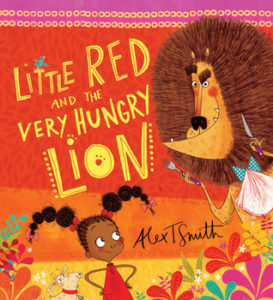
- Little Red and the Very Hungry Lion by Alex Smith: A vibrant, jungle-themed retelling of the classic fairy tale featuring distinct cultural imagery and a humorous, non-violent resolution.
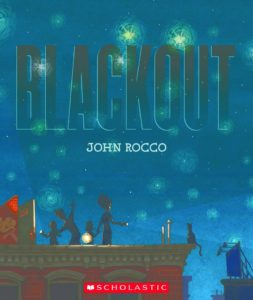
- Blackout by John Rocco: A Caldecott Honor-winning picture book utilizing comic-book framing to depict an urban family during a city-wide power outage, emphasizing familial bonds and observation.
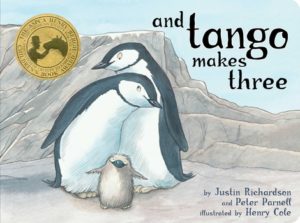
- And Tango Makes Three by Justin Richardson and Peter Parnell: A widely recognized true story originating from the Central Park Zoo, chronicling two male penguins raising an egg together, providing a rare picture-book representation of same-sex parenting.
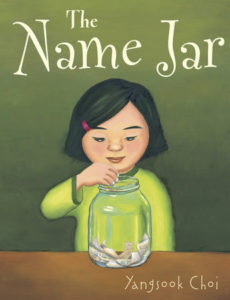
- The Name Jar by Yangsook Choi: A thoughtful exploration of immigration, cultural adjustment, and identity as a young Korean girl navigates starting school in a new country.
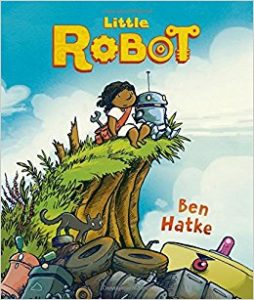
- Little Robot by Ben Hatke: A wordless graphic novel featuring a small robot befriended by a curious young girl, encouraging visual literacy and problem-solving.
Advanced Narratives for Middle-Grade and Older Readers
Older children and pre-teens encounter complex social structures, requiring literature that addresses neurodivergence, physical disabilities, socioeconomic challenges, and shifting family dynamics.
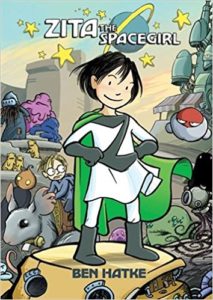
- Zita the Spacegirl by Ben Hatke: An action-oriented graphic novel series featuring a resilient female protagonist who navigates interstellar adventures and complex problem-solving.
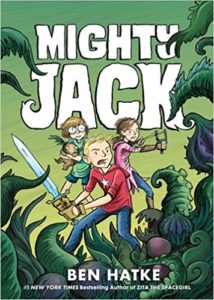
- Mighty Jack by Ben Hatke: A contemporary retelling of Jack and the Beanstalk that prominently features a nonverbal sister with autism as a central, integral character, alongside themes of single-parent and divorced households.
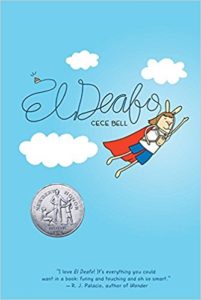
- El Deafo by Cece Bell: A Newbery Honor-winning graphic memoir depicting a young rabbit who loses her hearing and navigates the social challenges of school life while developing a vibrant inner superhero persona.
- Sisters by Raina Telgemeier: A popular graphic novel exploring sibling rivalry and family dynamics during a cross-country road trip, serving as an accessible entry point to contemporary adolescent fiction.
Industry Perspectives and Expert Analysis
Publishing industry stakeholders note that the demand for diverse literature has transitioned from a niche market segment to a central focus for major publishing houses. According to industry analysts, schools and libraries face increasing accountability to update their collections to reflect their student bodies accurately.
Proponents of inclusive children’s literature argue that exposure to diverse characters during formative years measurably reduces implicit bias, fosters cross-cultural understanding, and supports mental health by ensuring marginalized children see their lived experiences validated. However, challenges remain regarding the distribution and promotion of titles featuring intersectional identities, with advocacy groups continuing to call for sustained institutional investment in diverse authors and illustrators.
Broader Impact and Societal Implications
The implications of expanding diversity in children’s books extend far beyond the publishing industry, touching upon educational equity, social cohesion, and psychological development. Developmental psychologists emphasize that children begin forming racial and social biases as early as preschool age. Literature serves as an accessible, low-stakes medium through which caregivers and educators can initiate complex conversations about fairness, empathy, disability, and cultural heritage.
As publishing data continues to evolve, literacy advocates stress that diversifying home and institutional bookshelves is an ongoing process requiring intentional curation. By prioritizing books that authentically reflect the multifaceted nature of society, stakeholders across education and publishing can better equip the next generation with the empathy and critical thinking skills required to navigate a diverse world.