Breakthrough T1D Clinical and Research Congress 2026 Unveils Paradigm-Shifting Advances in Type 1 Diabetes Care and Therapeutics

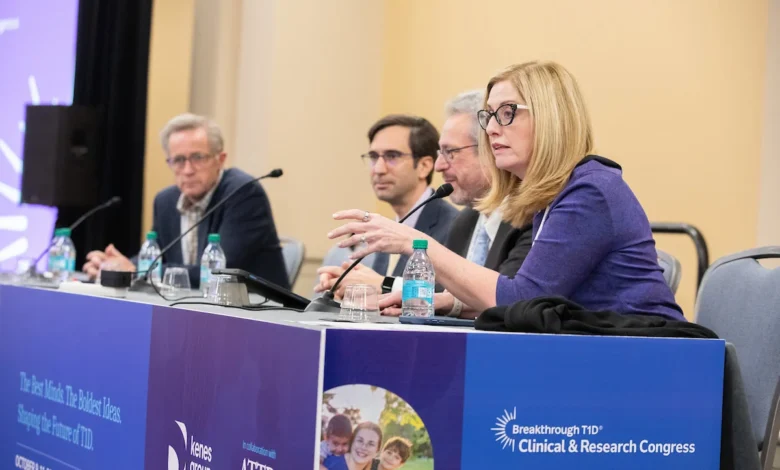
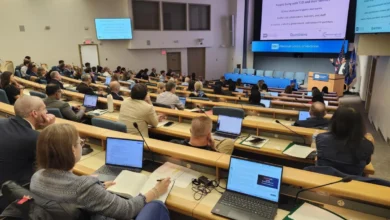
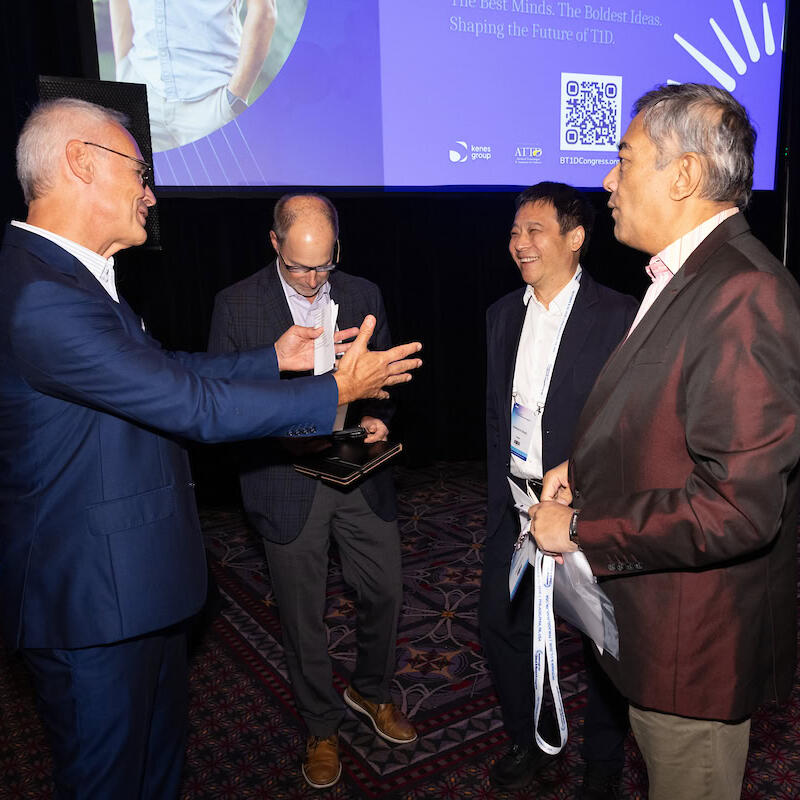
The inaugural Breakthrough T1D Clinical and Research Congress (CRC 2026) convened in Philadelphia against a backdrop of steady rain, yet the atmosphere inside the venue remained remarkably optimistic. Clinicians, researchers, scientists, industry leaders, and members of the global type 1 diabetes (T1D) community gathered for a singular purpose: to evaluate cutting-edge breakthroughs in science and clinical care, foster cross-disciplinary collaboration, and accelerate the trajectory toward a world without T1D. As the multi-day conference drew to a close, organizers announced that the momentum generated in Philadelphia will carry directly into next year, with CRC 2027 scheduled to take place from October 15-17 in Washington, D.C.
The founding of the Congress reflects a critical juncture in endocrinology and immunology. For decades, the management of T1D relied almost exclusively on exogenous insulin replacement and glycemic monitoring. Today, however, the medical community stands on the precipice of a transformative era defined by disease-modifying therapies (DMTs) and cell-based regenerative medicine. CRC 2026 served as the premier international forum to dissect these emerging modalities, weigh their logistical challenges, and chart a coordinated path toward global accessibility.
The Great Debate: Islet Cell Therapies Versus Disease-Modifying Therapies
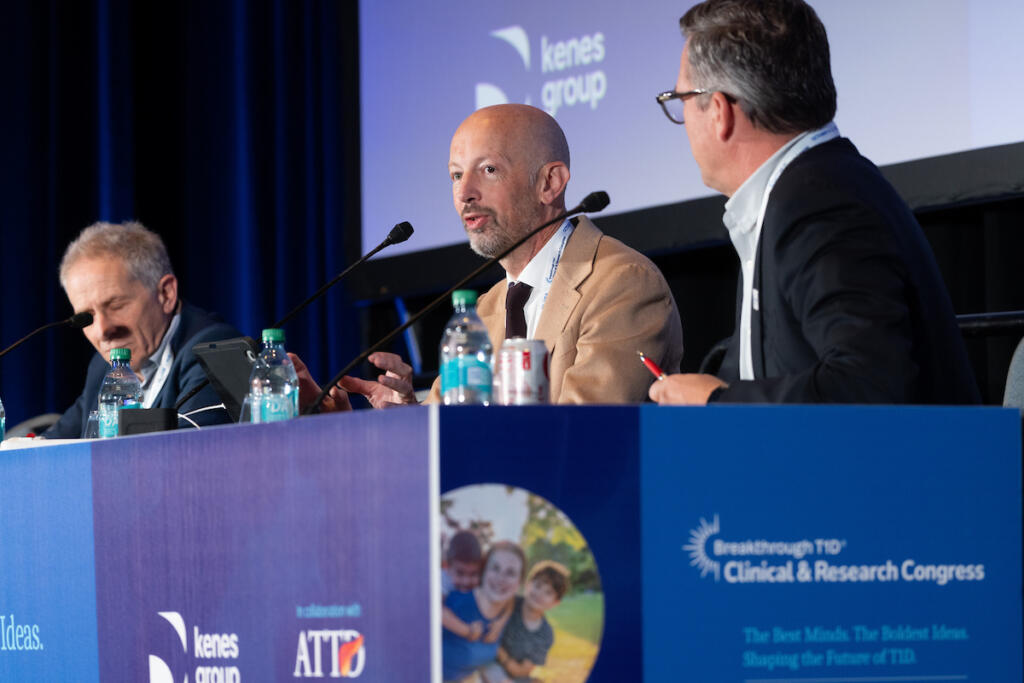
One of the most anticipated sessions of the Congress tackled a central question facing modern diabetology: Are islet cell therapies superior to disease-modifying therapies, or vice versa? The debate featured prominent international perspectives from Dr. Peter Senior of the University of Alberta and Dr. Colin Dayan of the University of Birmingham, moderated alongside Breakthrough T1D CEO Dr. Aaron Kowalski.
Dr. Dayan presented the case for emerging DMTs, emphasizing their potential to alter the fundamental pathophysiology of T1D rather than merely mitigating its downstream consequences. By intervening early—particularly in pediatric populations—DMTs offer the promise of a "one-and-done" treatment that halts autoimmune beta-cell destruction at its root. Furthermore, Dr. Dayan noted that DMTs possess inherent advantages regarding scalability, cost-effectiveness, and global delivery, making them far more viable for widespread implementation than complex cellular transplants.
Conversely, Dr. Senior advocated for the indispensable role of islet cell therapies, pointing to epidemiological realities. The population of individuals living with established T1D vastly outnumbers those diagnosed within early-stage windows or within 100 days of clinical onset. For the vast majority of patients whose beta cells have been entirely depleted, preserving endogenous function is no longer an option. Dr. Senior highlighted that manufactured islet cell products can deliver a larger mass of functional beta cells than a typical DMT, offering superior glycemic stability, metabolic flexibility, and freedom from rigorous carbohydrate counting.
As audience members and panelists observed, these two therapeutic classes are not mutually exclusive. The long-term clinical vision points toward combinatorial approaches: utilizing DMTs to halt active autoimmunity while simultaneously employing islet cell replacements to restore baseline metabolic function.
Innovations in Cellular Reprogramming and Islet Transplants
While cell-based therapies offer immense clinical promise, they have historically been hampered by two major hurdles: the chronic burden of systemic immunosuppression and the scarcity of donor tissue. At CRC 2026, researchers shared groundbreaking data addressing both challenges.
Dr. Sabarinathan Ramachandran of the University of Minnesota addressed the long-term limitations of current islet transplantation protocols, noting that 50 to 70 percent of recipients experience a gradual loss of graft function over time due to immune-mediated damage and the toxicity of immunosuppressive regimens. To circumvent these obstacles, investigators are aggressively pursuing innovations such as cellular encapsulation, localized engineered microenvironments, and advanced gene-editing techniques designed to render transplanted cells "invisible" to the host immune system.
Meanwhile, Dr. Hongkui Deng of Peking University delivered a landmark presentation on "chemical reprogramming." Diverging from traditional, protein-based cellular reprogramming methods, Dr. Deng’s laboratory utilized small molecules to efficiently transform human fat cells into functional pancreatic islet cells.
In a pioneering clinical application, these chemically reprogrammed islet cells were transplanted into a patient under the anterior rectus sheath—a well-vascularized, easily accessible anatomical site. Continuous monitoring revealed substantial improvements in the patient’s time-in-range and overall blood-sugar management, with zero adverse safety signals reported. Because the recipient was already undergoing systemic immunosuppression for a prior liver transplant, the trial provided a unique window into the viability of the approach. Dr. Deng confirmed that additional patients have since received the treatment and are being closely monitored, while his team explores artificial intelligence (AI)-driven platforms to scale chemical reprogramming for broader clinical application.
Accelerating Disease-Modifying Therapies Through Biomarkers and Clinical Trial Design
In the realm of disease-modifying therapies, discussions centered on optimizing clinical trial endpoints and biomarker discovery following the regulatory approval of teplizumab.
Dr. Peter Gottlieb of the Barbara Davis Center for Diabetes detailed the progress of the T1D Cures Accelerator, a global consortium funded by Breakthrough T1D. Bringing together academic institutions, industry stakeholders, regulatory bodies, and patient advocacy groups, the initiative leverages machine learning and AI to analyze large-scale datasets from historical DMT trials. The primary objective is to identify and validate novel biological markers that can serve as reliable surrogate endpoints, thereby shortening trial durations and reducing development costs.
Complementing these systemic efforts, Dr. Carmella Evans-Molina of the Indiana University School of Medicine presented mechanistic insights into beta-cell stress. Her research team demonstrated that pharmacologically activating a specific protein known as SERCA can delay the onset of diabetes in preclinical models. This work advanced through a collaborative partnership with Neurodon—a biotechnology firm supported by Breakthrough T1D’s Industry Discovery and Development Partnership (IDDP) program—which engineered the targeted small molecule.
Additionally, Dr. Bruce Verchere of the University of British Columbia showcased nanoparticle-based methodologies developed within the Breakthrough T1D Canucks For Kids Fund Centre of Excellence. By targeting antigen-presenting cells (APCs)—the immune sentinels responsible for initiating the autoimmune cascade against beta cells—Verchere’s team successfully reprogrammed these cells to induce immune tolerance, preventing the manifestation of T1D in animal models.
Advancements in Early Screening and Risk Stratification
Early detection continues to shift the paradigm of T1D from a reactive disease management model to a proactive, predictive science. Several presentations at CRC 2026 highlighted sophisticated screening methodologies capable of identifying at-risk individuals years before clinical symptoms manifest.
Dr. Katsiaryna Prystupa of the German Diabetes Center utilized machine learning algorithms to stratify over 600 newly diagnosed T1D patients into distinct clinical phenotypes based on autoantibody profiles and insulin resistance parameters. This granular classification identifies subsets of patients diagnosed earlier in the disease trajectory who retain significant beta-cell mass and are therefore optimal candidates for targeted DMT interventions.
Expanding screening into adult populations, Dr. Callie Zaborenko of the Indiana University School of Medicine analyzed electronic health records and polygenic risk scores. Her findings indicated that adults within the highest genetic risk deciles were nearly ten times more likely to develop T1D compared to those with intermediate scores. This data underscores the potential for polygenic risk scoring to streamline targeted autoantibody screening in adult cohorts.
Further validation of adult screening emerged from Dr. Kathleen Gillespie of the University of Bristol, whose team screened nearly 20,000 adults as part of the T1DRA study. The prevalence of multiple islet autoantibodies in adults closely mirrored pediatric rates, reinforcing the clinical validity of expanding screening initiatives across age demographics. Additional presentations by Dr. Alice Carr (University of Alberta) and Dr. Brittany Bruggeman (University of Florida) explored oral glucose tolerance testing and exocrine pancreatic biomarkers (such as FE-1), respectively, offering refined tools to predict disease progression and monitor therapeutic efficacy.
Behavioral Health, Stigma, and the Medical Affairs Imperative
Beyond cellular and molecular therapeutics, CRC 2026 dedicated substantial programming to the psychosocial and systemic challenges of living with T1D. A multidisciplinary panel of behavioral health specialists and clinicians emphasized that clinical success is inextricably linked to mental health support and effective communication strategies.
Dr. Ellen O’Donnell of MassGeneral Brigham and Harvard Medical School addressed the delicate communication required when delivering an early-stage T1D diagnosis to children and families. She underscored the utility of visual aids, metaphors, and family-centered psychological frameworks in mitigating trauma and fostering long-term resilience.
The Congress also confronted the pervasive issue of diabetes stigma, with Dr. Jane Speight of Deakin University presenting alarming metrics regarding its psychological and physical toll:
- Approximately 4 in 5 adults with T1D report experiencing diabetes stigma.
- Among teens and young adults, that figure rises to an astonishing 98 percent.
- 1 in 5 adults with diabetes report facing direct discrimination due to their condition.
Statistical analyses presented during the session linked diabetes stigma to severely compromised self-efficacy, a two- to threefold increase in the odds of maintaining an HbA1c above 9 percent, and up to a twofold increased risk of diabetic ketoacidosis (DKA). Panelists emphasized that eradicating stigmatizing language from clinical and social environments is a vital medical necessity.
In the realm of specialized clinical care, Dr. Carol Levy of the Icahn School of Medicine at Mount Sinai addressed the complex physiological demands of managing T1D during pregnancy. She noted that despite advancements in continuous glucose monitoring and insulin delivery systems, maternal-fetal glycemic targets remain exceptionally stringent, requiring heightened clinical flexibility and personalized management strategies.
Preparing the Global Infrastructure: Centers of Reference
Summarizing the ultimate operational challenge facing the diabetes community, Dr. Thomas Danne, Breakthrough T1D Chief Medical Officer, International, offered a compelling analogy: "Cures for T1D are planes in the air. We’re still building the plane, but it’s in the air right now. We must ensure there is a runway so that when the plane is ready to land, it can."
The construction of that metaphorical runway was the focal point of a presentation by Dr. James Shaw of Newcastle University regarding the Centers of Reference initiative. These specialized, multidisciplinary clinical hubs are designed to prepare global healthcare systems to administer manufactured islet cell therapies safely and effectively upon regulatory approval. By establishing standardized protocols, training expert clinical teams, and addressing logistical hurdles in advance, the initiative aims to prevent translational bottlenecks.
As CRC 2026 concluded in Philadelphia, attendees left with a renewed sense of purpose. The convergence of artificial intelligence, cellular reprogramming, precision biomarker screening, and robust clinical infrastructure signals that the medical community is no longer simply managing type 1 diabetes—it is systematically dismantling it.
Related posts: