The Ultimate Guide to Baking Apple Cinnamon Monkey Bread for Weekend Brunches and Family Gatherings

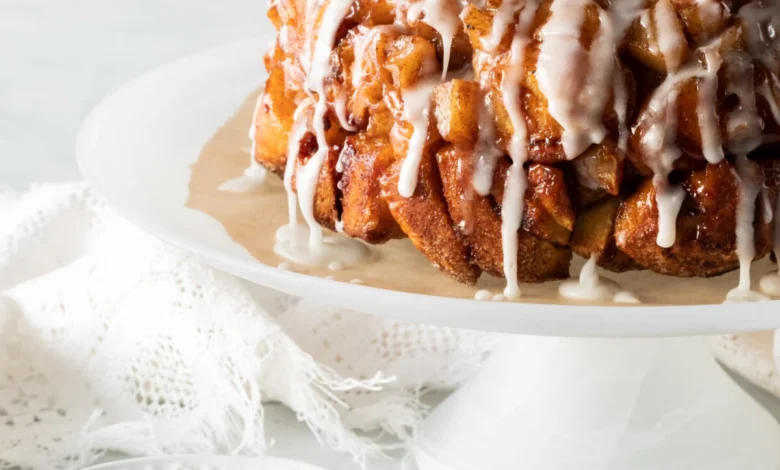
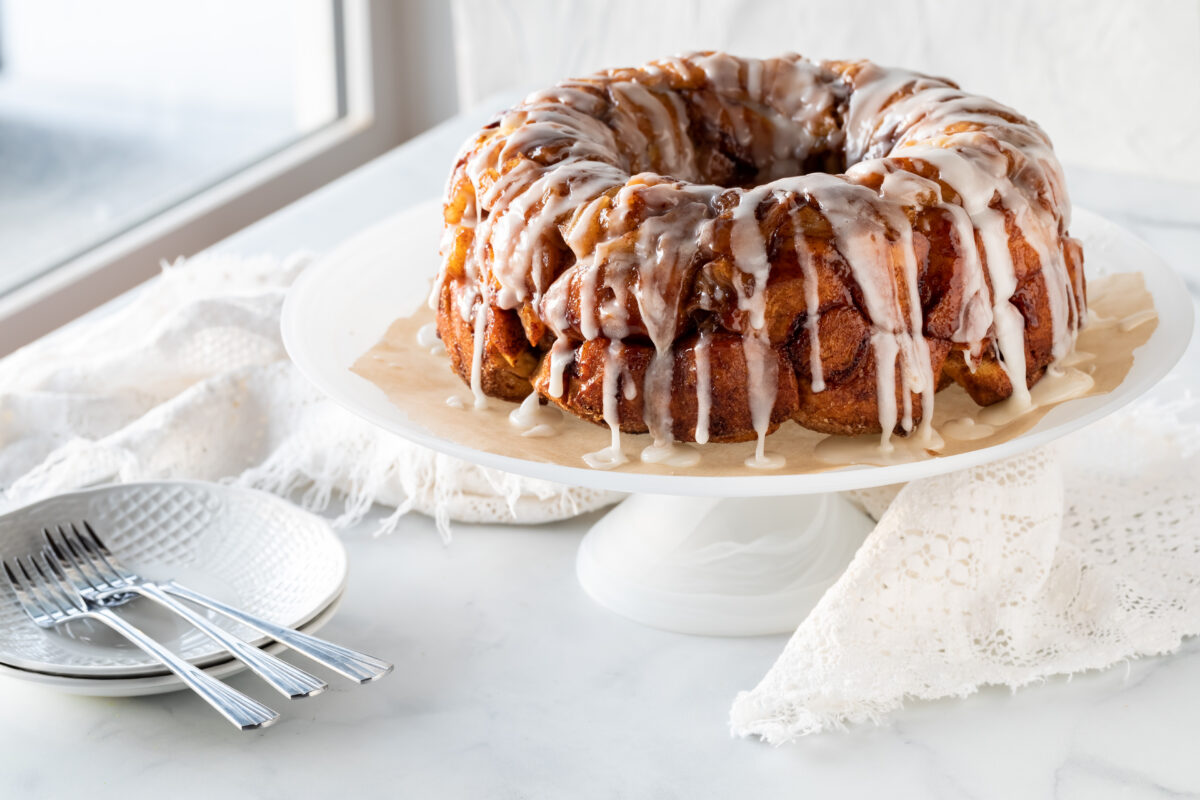
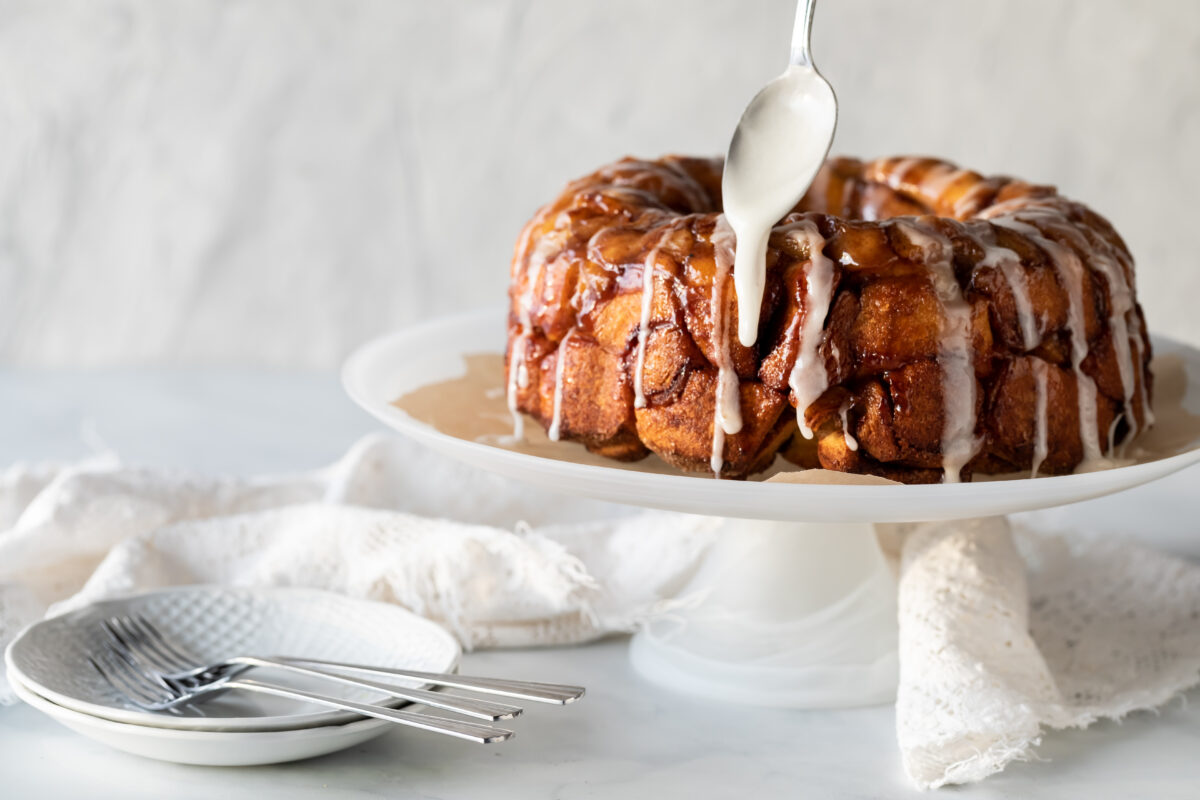
As the autumn season brings cooler weather and an abundance of fresh harvest fruits, home bakers and culinary enthusiasts are turning their attention to warm, comforting baked goods. Among the most popular seasonal comfort foods gaining traction in kitchens nationwide is the Apple Cinnamon Monkey Bread. This innovative twist on a traditional pull-apart pastry combines tender, diced fresh apples with buttery cinnamon sugar and soft pieces of dough, all baked together in a classic Bundt pan and finished with a rich vanilla glaze.
Combining the beloved flavor profiles of cinnamon rolls, sticky buns, and traditional coffee cake, this shareable treat has quickly become a staple for weekend breakfasts, holiday brunches, and family gatherings. Culinary experts note that the dish’s rising popularity stems from its unique balance of minimal preparation effort and an impressive, bakery-quality presentation.
Main Facts and Origins of Monkey Bread
Monkey bread, historically known by various regional names including pinch-pull bread, coffee cake, and Hungarian coffee cake, has a long-standing history in American baking culture. Traditionally composed of small, raised dough balls that are dipped in melted butter and cinnamon sugar before being layered and baked in a tube pan, the dessert encourages communal dining. Diners simply pull off individual, bite-sized pieces with their fingers—a tactile eating experience that earned the pastry its playful mid-20th-century moniker.
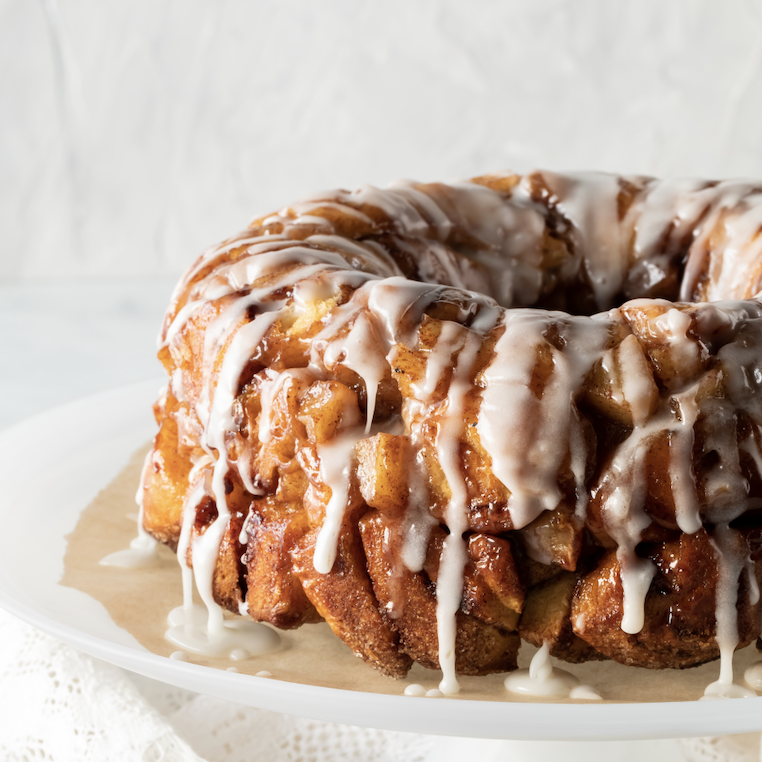
The introduction of fresh apples into the classic recipe marks a significant evolution in home baking trends. According to culinary researchers, incorporating fruit into enriched doughs helps balance the rich sweetness of the brown sugar and butter sauce. The addition of fresh produce also aligns with a broader consumer preference for incorporating seasonal, whole-food ingredients into comfort food classics.
Food scientists and test kitchen professionals emphasize that the success of monkey bread relies heavily on chemical reactions during the baking process. As the butter and brown sugar melt together at the bottom of the pan, they boil and thicken into a rich caramel. Simultaneously, steam released from the baking dough and the diced apples helps leaven the pieces, creating a soft, pillowy interior surrounded by a caramelized, sticky crust.
Chronology and Preparation Workflow
While traditional monkey bread recipes require mixing, kneading, and proofing yeast-based doughs—a process that can take several hours—modern adaptations have streamlined the workflow significantly. The contemporary method utilizes refrigerated biscuit dough, cutting the total preparation and cooking time down to approximately one hour.
The standard culinary timeline for preparing Apple Cinnamon Monkey Bread is structured for maximum efficiency:
Preparation Phase (20 Minutes):
- Selection and peeling of firm baking apples, such as Granny Smith, Honeycrisp, or Braeburn.
- Dicing the fruit into uniform one-quarter-inch pieces to ensure even cooking.
- Cutting refrigerated biscuit dough into smaller, manageable pieces and tossing them thoroughly in a cinnamon-sugar mixture.
- Layering the coated dough and diced apples loosely inside a thoroughly greased Bundt or tube pan.
- Pouring a freshly prepared mixture of melted butter and brown sugar evenly over the layered ingredients.
Cooking Phase (40 Minutes):
- Baking the assembly in a preheated oven at the specified temperature, allowing the brown sugar and butter to liquefy, bubble, and coat every individual piece of dough.
- Monitoring the internal temperature and texture to ensure the center pieces are fully cooked without over-browning the exterior.
Cooling and Finishing Phase (10 to 15 Minutes):
- Allowing the baked pastry to rest in the pan for roughly ten minutes, enabling the caramel sauce to thicken and stabilize.
- Inverting the Bundt pan onto a decorative serving platter or pedestal stand.
- Applying a simple homemade vanilla glaze or powdered sugar drizzle just before serving.
Selecting the Ideal Produce
Culinary experts stress that the choice of apple variety significantly impacts the final texture and flavor profile of the dish. Because the pastry bakes for a relatively short duration compared to traditional fruit pies, fruit selection is paramount.
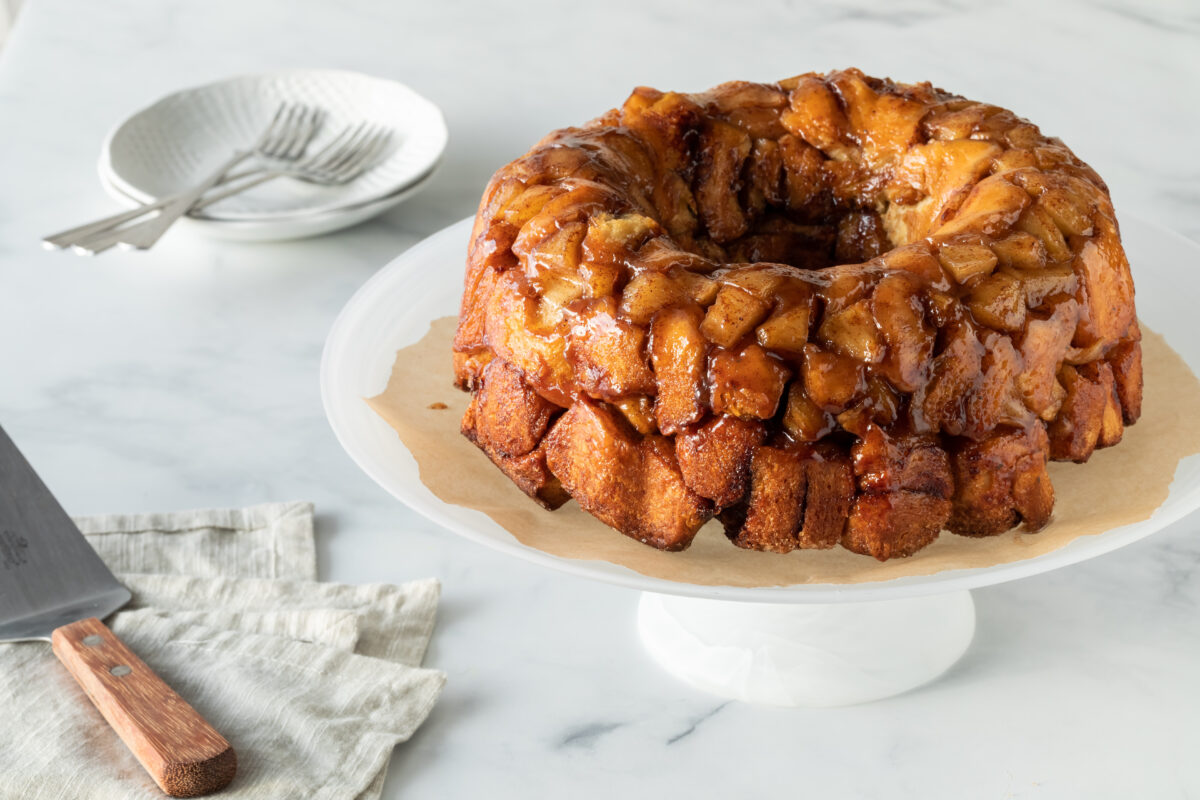
Varieties that hold their structural integrity under high heat are strongly recommended. Granny Smith apples offer a sharp, tart contrast to the decadent brown sugar and butter, while Honeycrisp and Braeburn options provide a balanced sweetness and crisp bite that prevents the dish from becoming overly sugary. Conversely, soft varieties such as McIntosh or Red Delicious are generally discouraged, as they tend to break down completely and release an excess of moisture, which can compromise the structural integrity of the pull-apart dough.
To prevent the dish from becoming soggy, professional bakers advise patting the diced apples dry with paper towels before incorporation. Adhering strictly to measured quantities ensures that the natural juices released by the fruit harmonize with the baking butter and sugar rather than overwhelming the dough.
Statements and Industry Insights
Food editors and culinary instructors have highlighted the psychological and social appeal of interactive foods like monkey bread in modern domestic life.
"Dishes that require physical interaction, such as pulling apart pieces of a shared pastry, foster a sense of connection and comfort at the dining table," notes a leading food industry analyst. "During the fall and winter months, consumers actively seek out recipes that evoke nostalgia and warmth. The integration of fresh apples into a familiar format satisfies that desire while offering a slight elevation in flavor complexity."
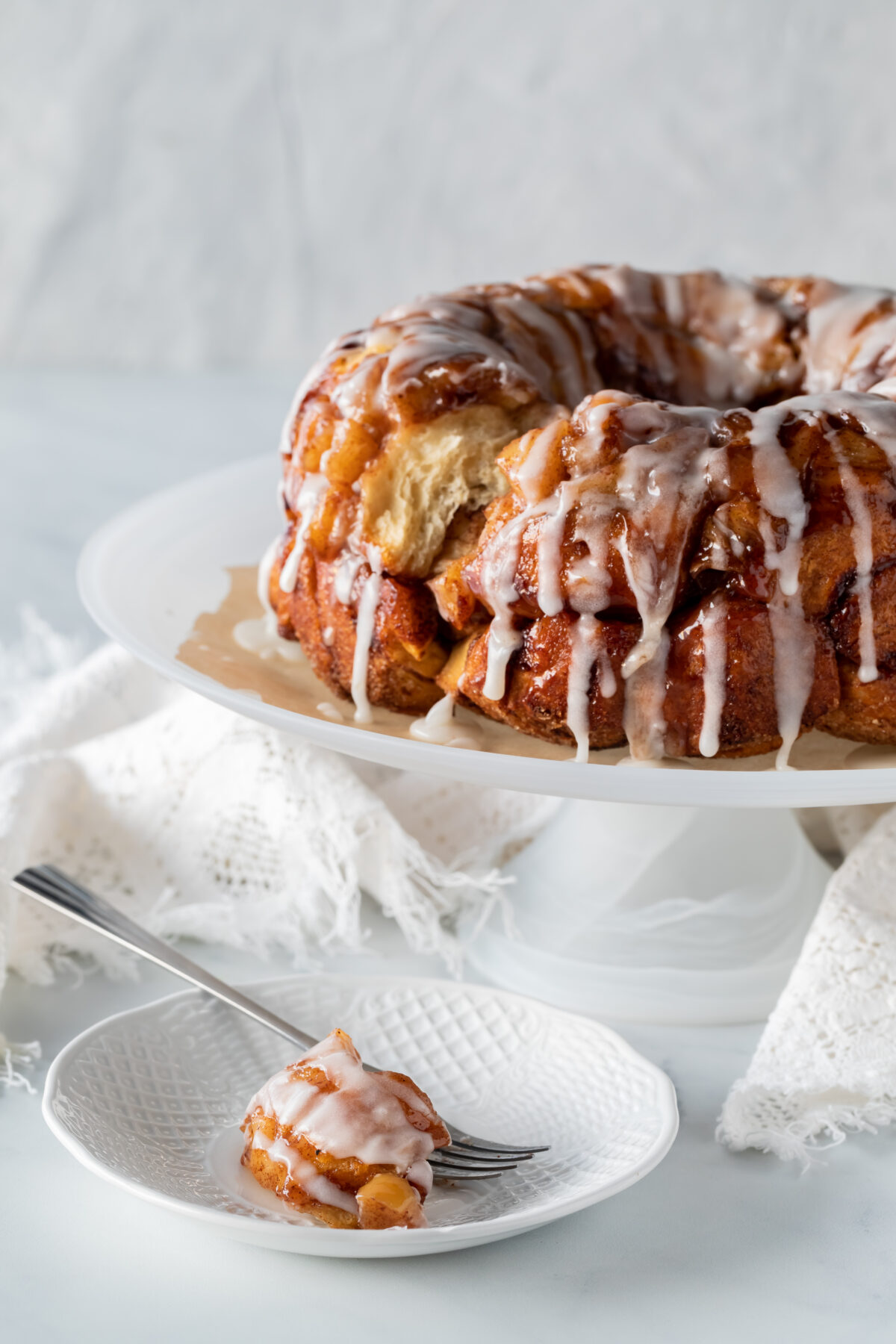
Furthermore, nutritionists and family lifestyle columnists point out that recipes utilizing convenience products, such as canned biscuit dough, democratize baking. By removing technical barriers like yeast activation and kneading, more households are able to participate in home baking traditions, regardless of their culinary skill level.
Broader Impact, Variations, and Dietary Adaptations
The versatility of Apple Cinnamon Monkey Bread has paved the way for numerous regional and dietary variations within home kitchens. Bakers seeking textural contrast frequently incorporate half a cup of chopped pecans or walnuts between the dough layers. For those desiring an even deeper flavor profile, substitutions such as replacing standard cinnamon with apple pie spice or pumpkin pie spice have gained widespread popularity during the autumn months.
For individuals looking to tailor the recipe to specific dietary preferences, modifications are readily available. While traditional preparations rely on dairy butter and standard wheat-based doughs, plant-based alternatives—including vegan butter substitutes and dairy-free glazes—can be utilized without sacrificing the core characteristics of the dish. However, culinary technicians caution that altering fundamental fat ratios may affect the caramelization process during the baking cycle.
Storage, Freezing, and Food Safety
Proper storage procedures ensure that leftover portions retain their quality over several days. According to food safety guidelines, baked monkey bread can be stored in an airtight container in the refrigerator for up to four days. Because chilling causes the butter and sugar matrix to firm up, reheating individual portions in a microwave for 15 to 20 seconds restores the original soft, gooey texture.
For long-term preservation, the unglazed pastry can be frozen for up to two months. Culinary specialists recommend wrapping baked portions tightly in plastic wrap and aluminum foil before placing them in a freezer-safe bag. Thawing should occur gradually overnight in the refrigerator, followed by gentle reheating in an oven or microwave prior to the application of a fresh vanilla glaze.
Market Implications for Seasonal Baking
The surge in popularity of apple-centric comfort foods reflects a broader economic and cultural trend surrounding seasonal home cooking. Grocery retailers and agricultural associations report consistent spikes in fresh apple sales during the autumn harvest window, driven in large part by consumer demand for scratch-made and semi-homemade baked goods.
As home cooks continue to share preparation techniques, troubleshooting tips, and customized variations across digital platforms, recipes like Apple Cinnamon Monkey Bread remain firmly entrenched in contemporary culinary culture. By balancing ease of preparation with gourmet appeal, the dish bridges the gap between everyday convenience cooking and traditional weekend baking.