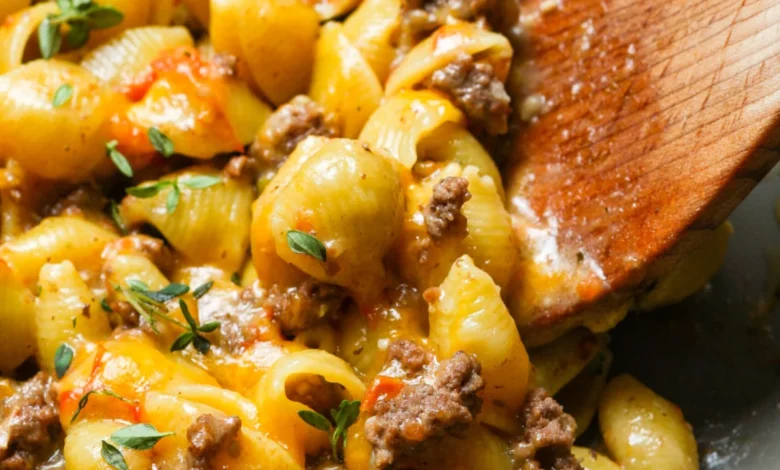
The landscape of modern home cooking has shifted significantly toward efficiency, with a growing demand for "one-pot" culinary solutions that minimize cleanup while maintaining high nutritional and flavor standards. Among the most popular iterations of this trend is the emergence of taco-inspired pasta, a fusion dish that marries the traditional bold spices of Mexican-American cuisine with the convenience of Italian-style pasta. As households navigate increasingly busy schedules, this dish has become a staple for its ability to deliver a balanced, protein-rich meal in under 30 minutes, representing a broader movement toward streamlined domestic food preparation.
Historical Context and the Rise of One-Pot Fusions
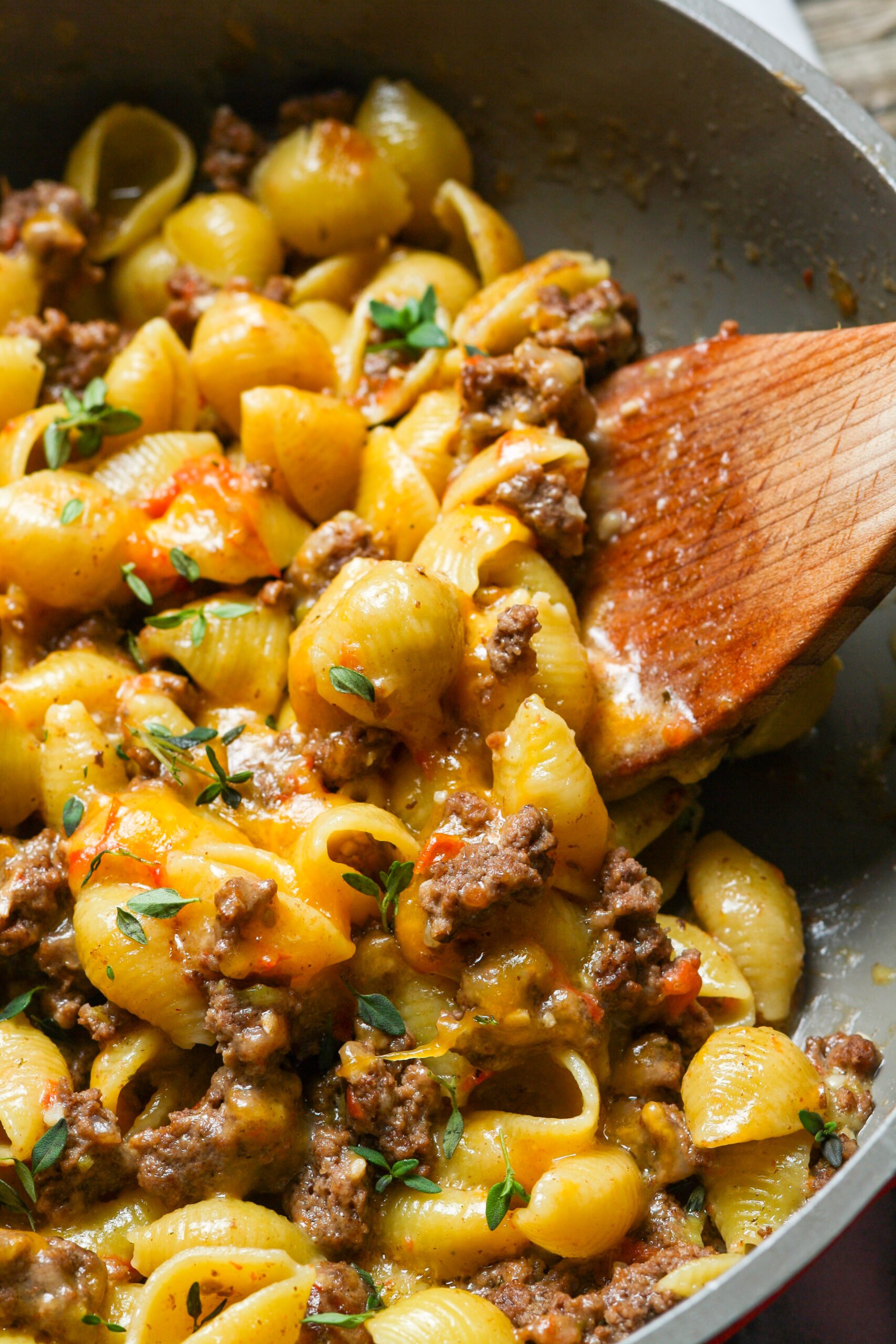
The culinary evolution of the one-pot meal dates back to the campfire cooking of the 19th century, but its modern iteration is largely driven by the technological advancements of the 21st-century kitchen. The rise of the "one-pot" methodology—a technique where pasta is cooked directly in the sauce rather than in a separate pot of water—has been studied by food scientists for its impact on starch release. When pasta boils within the sauce, the starch that is usually discarded in the cooking water instead emulsifies with the liquid, creating a naturally thicker, more luxurious sauce. This chemical process is the foundation of the creaminess observed in contemporary taco pasta recipes.
The taco-pasta fusion specifically gained traction as home cooks sought to repurpose standard pantry staples—ground meats, canned tomatoes, and dried pasta—into cohesive, restaurant-style meals. By integrating taco seasoning, which typically consists of chili powder, cumin, garlic powder, and onion powder, the dish achieves a profile that appeals to a wide demographic, including children who may be resistant to more complex flavor profiles.
Detailed Methodology and Culinary Execution
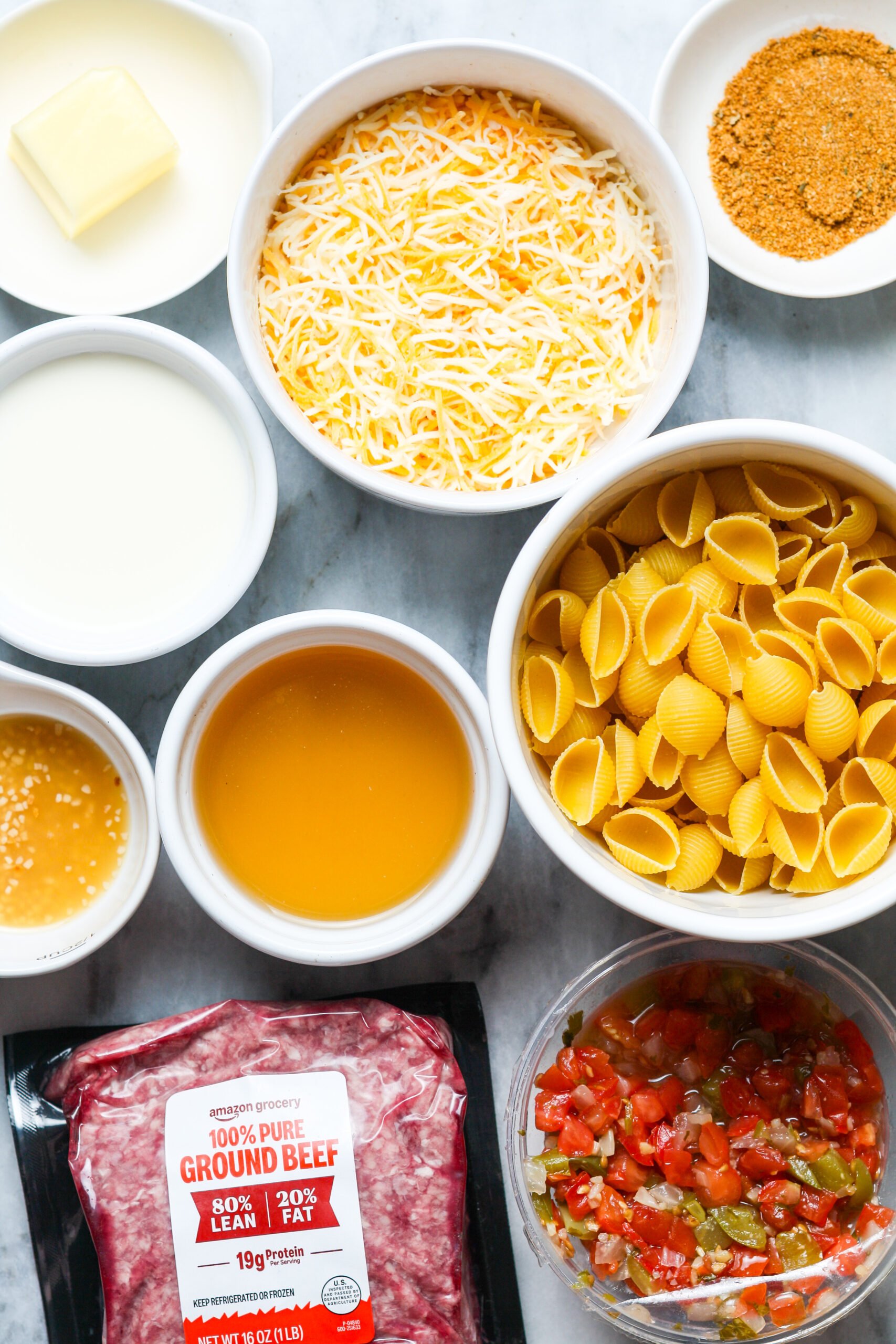
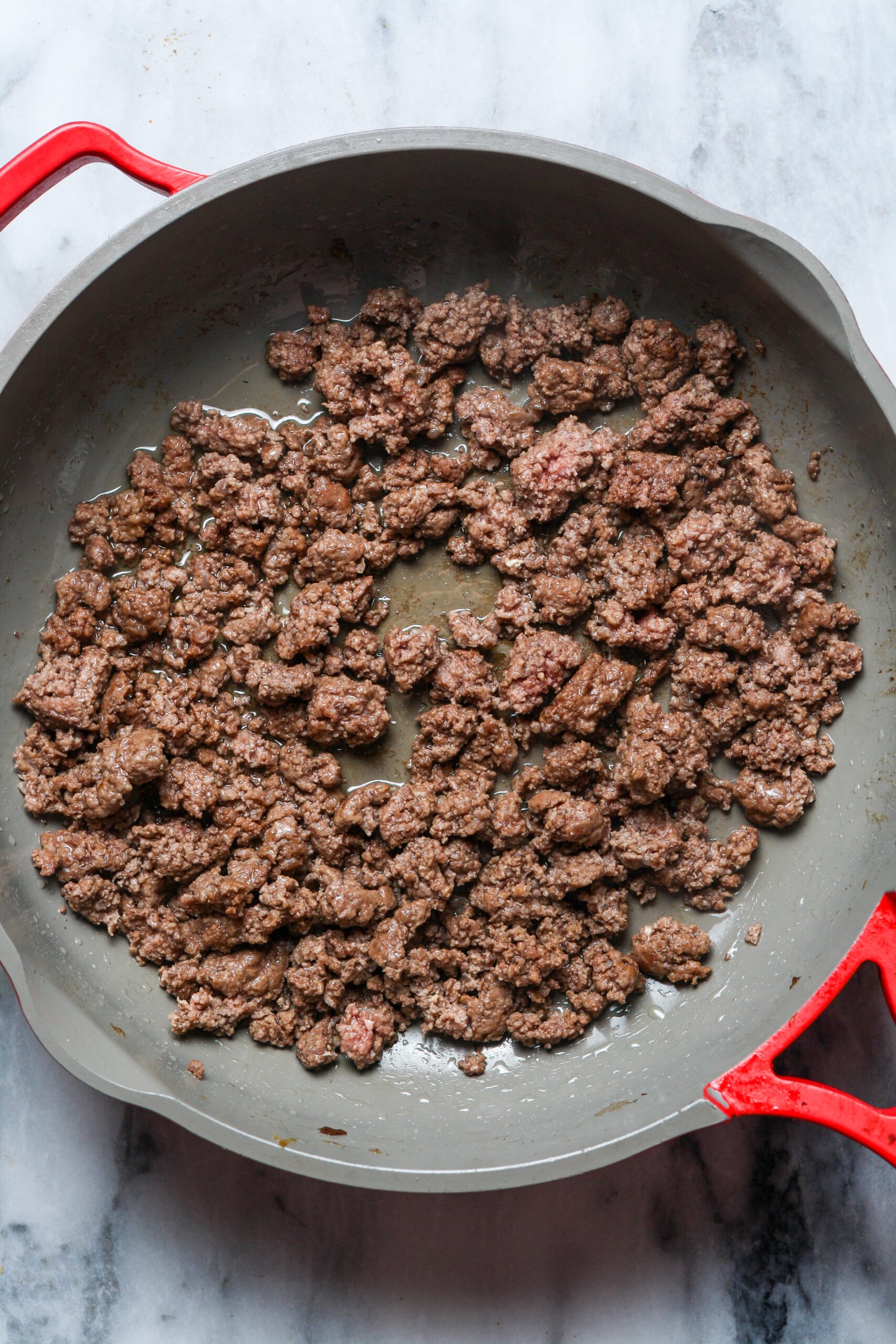
The preparation of this dish follows a rigorous chronological order designed to maximize flavor development through the Maillard reaction. The process begins with the browning of the protein, typically ground beef, in a large, heavy-bottomed skillet. This stage is critical; the goal is to achieve a deep sear on the meat to develop savory depth. Culinary experts suggest that the removal of excess fat at this stage is essential not only for caloric control but to prevent the final sauce from breaking or appearing greasy.
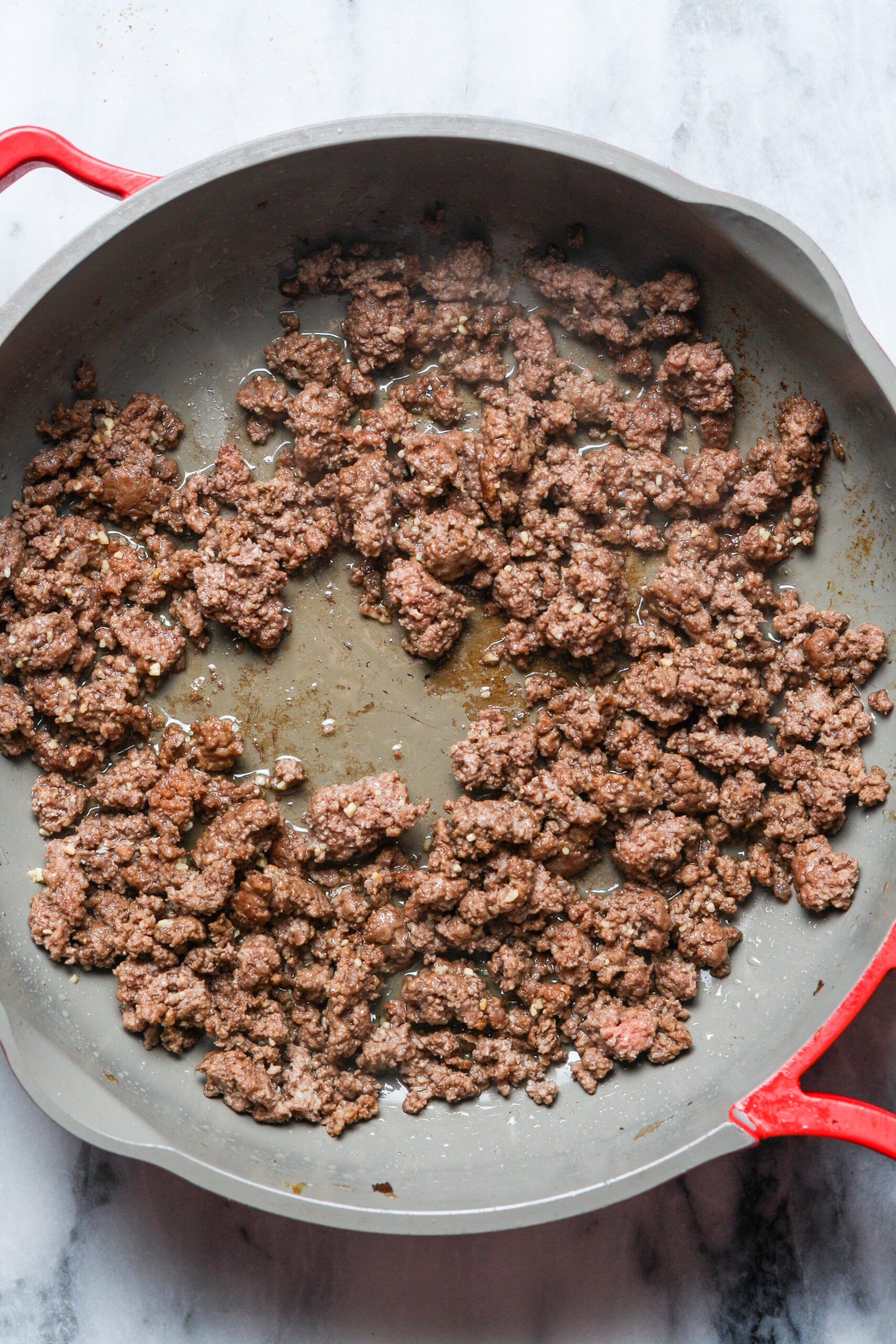
Following the browning process, the aromatic base is established. Garlic is sautéed in butter or a high-smoke-point oil, such as avocado oil, to release volatile compounds that provide the backbone of the dish’s aroma. The addition of taco seasoning occurs next; blooming the spices in the hot fat for 30 to 60 seconds is a professional technique that intensifies the profile of the herbs before liquids are introduced.
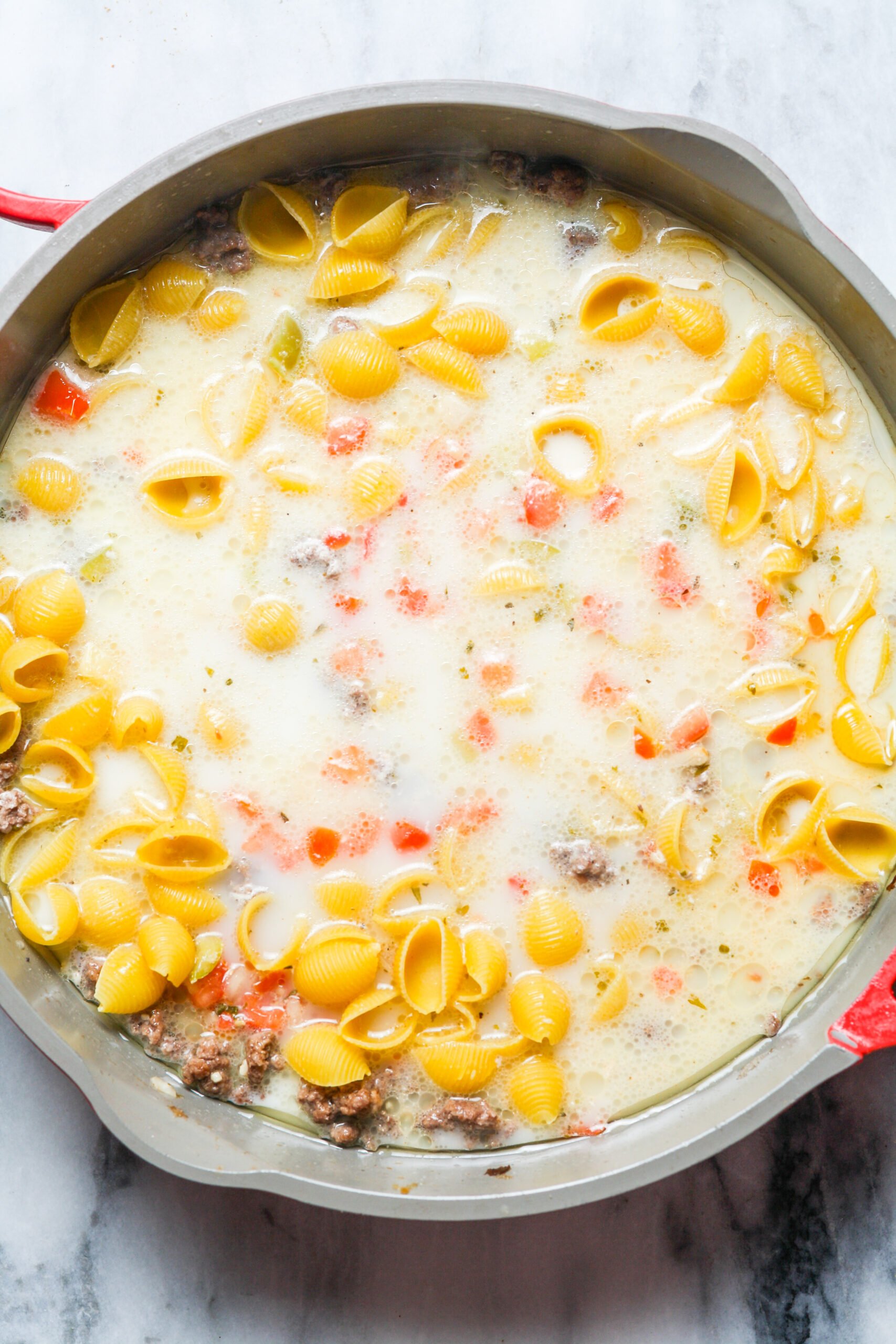
The liquid phase involves a combination of high-acidity ingredients, such as Rotel tomatoes (a blend of diced tomatoes and green chilies) or salsa, and a stock-based medium. Using chicken broth provides the necessary sodium and savory base, while the addition of whole milk or half-and-half introduces the dairy fats required for a velvety texture. Once this mixture reaches a boil, the raw pasta is added. The ratio of liquid to pasta is a precise science, typically requiring just enough moisture to cover the pasta so that by the time the starch is fully gelatinized, the sauce has reduced to a perfect, coating consistency.
Nutritional and Ingredient Analysis
The nutritional viability of this meal depends heavily on ingredient selection. A standard serving of this dish provides a substantial amount of protein from the beef, which averages approximately 20 to 25 grams per serving. The use of whole-wheat pasta is often recommended by nutritionists to increase the fiber content, which helps in moderating the glycemic index of the meal.
Regarding the seasoning, food industry analysts note a significant shift toward "clean-label" taco seasoning packets. Traditional commercial mixes often contain anti-caking agents, cornstarch, and added sugars. Modern recipes, particularly those following the "100 Days of Real Food" philosophy, emphasize the use of spices without added sweeteners. Substituting refined fillers with pure spices ensures that the consumer is not consuming unnecessary additives, aligning with broader consumer trends toward transparency in food manufacturing.
The Role of Dairy and Emulsification
The final stage of the preparation—the introduction of shredded cheese—serves a dual purpose: it acts as a thickening agent and a flavor enhancer. The choice of cheese is vital. A Mexican blend (often a mix of cheddar, Monterey Jack, and queso quesadilla) is preferred because these varieties contain varying moisture levels and melting points that work in tandem to create the desired "gooey" texture. The incorporation of cheese should occur at the lowest possible heat setting to prevent the proteins in the cheese from separating into oil and solids, a common failure point in home cooking.
Adaptability and Market Variations
The versatility of this recipe has led to its status as a "template" dish, allowing for various dietary adjustments. For instance, ground turkey or chicken serves as a lower-saturated-fat alternative to ground beef, while maintaining the same protein density. Furthermore, the inclusion of legumes, such as black beans or kidney beans, increases the fiber and plant-based protein content, catering to families looking to reduce their meat consumption without sacrificing the "taco" experience.
Industry experts observe that this dish also functions as a "pantry-clearing" meal, which has seen increased popularity due to rising grocery costs. The ability to substitute fresh ingredients with shelf-stable alternatives—such as canned tomatoes, boxed broth, and dried pasta—makes it a recession-resistant meal option.
Official Responses and Culinary Trends
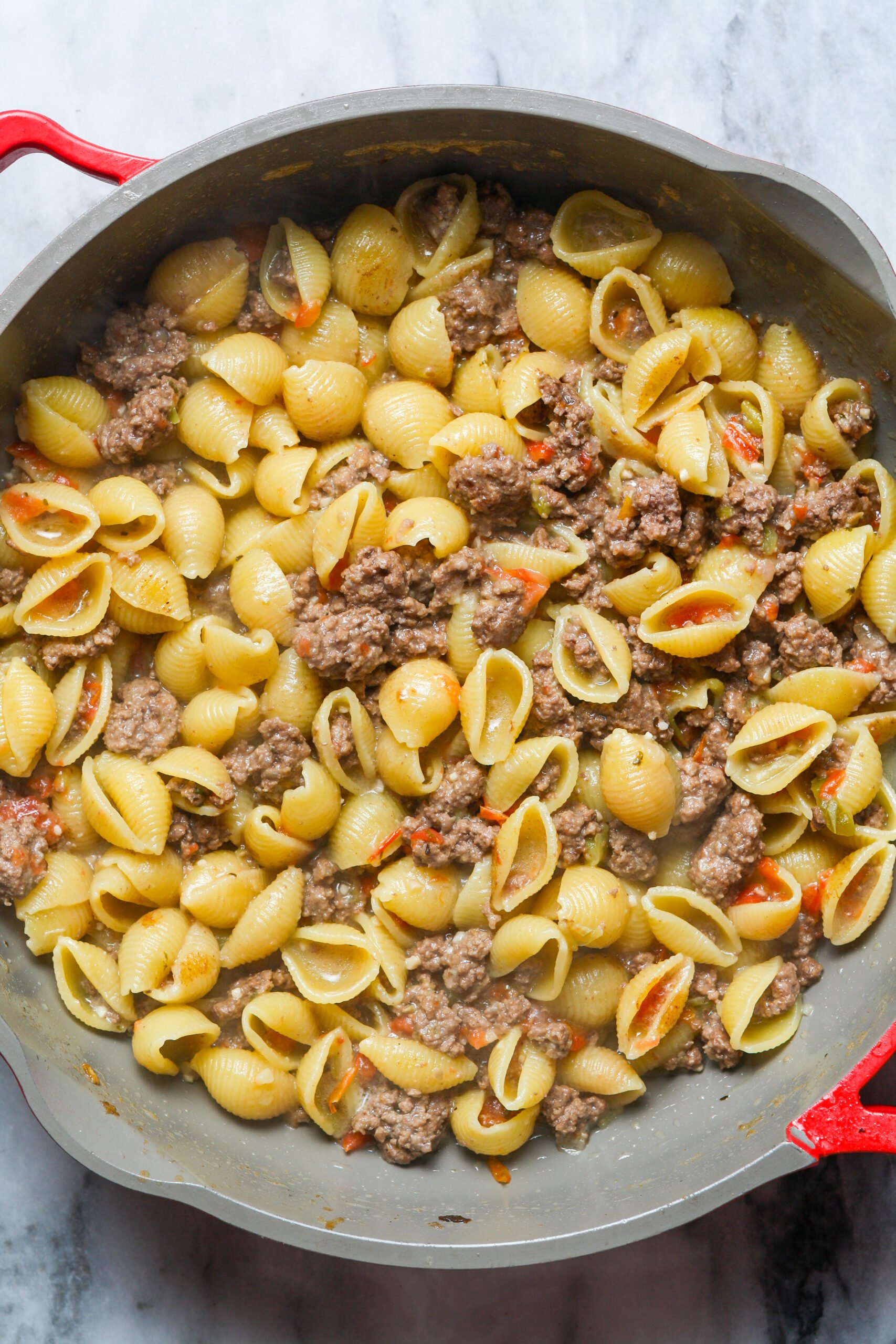
Culinary influencers and professional chefs alike have weighed in on the "one-pot" phenomenon. Critics of the method often point to the lack of control over the texture of the pasta, as it is difficult to achieve a true al dente result when the pasta cooks in a thickening sauce. However, advocates argue that the trade-off—a deeply flavorful, integrated sauce that is impossible to achieve through traditional boiling—outweighs the loss of structural integrity in the pasta.
Data suggests that social media platforms are the primary drivers for the sustained interest in such recipes. Search volume for "one-pot pasta" has remained at a five-year high, indicating that the convenience factor is a primary motivator for the modern consumer. Furthermore, the ability to serve this dish directly from the skillet to the table aligns with the "casual dining" aesthetic that has gained traction in residential home design and social culture.
Broader Implications for Home Dining
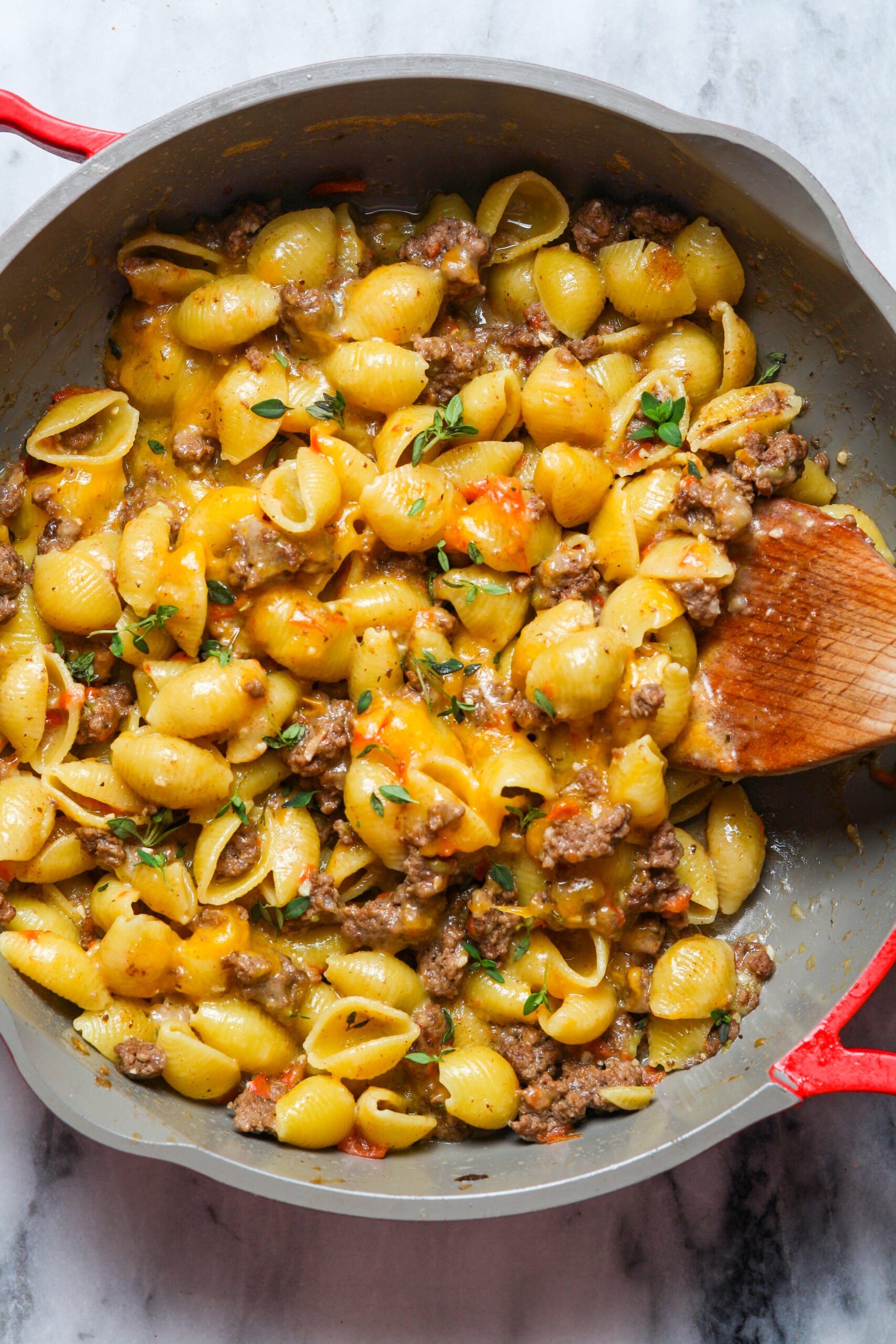
The success of the one-pot taco pasta is indicative of a broader shift in the culinary landscape: the democratization of high-flavor, low-effort cooking. As the pace of life accelerates, the stigma previously associated with "shortcut" cooking is diminishing. Instead, the focus has shifted toward the result of the meal—its ability to bring a family together for a nutritious, satisfying dinner—rather than the method used to achieve it.
Looking forward, food technologists expect to see more recipes of this nature that prioritize minimal equipment and maximum nutrient density. The taco pasta serves as a foundational blueprint for this model, providing a reliable, cost-effective, and highly scalable solution for households of all sizes. By mastering the fundamental techniques—proper seasoning blooming, accurate liquid ratios, and gentle heat management—home cooks can elevate a simple, pantry-based meal into a professional-quality dining experience.
Conclusion
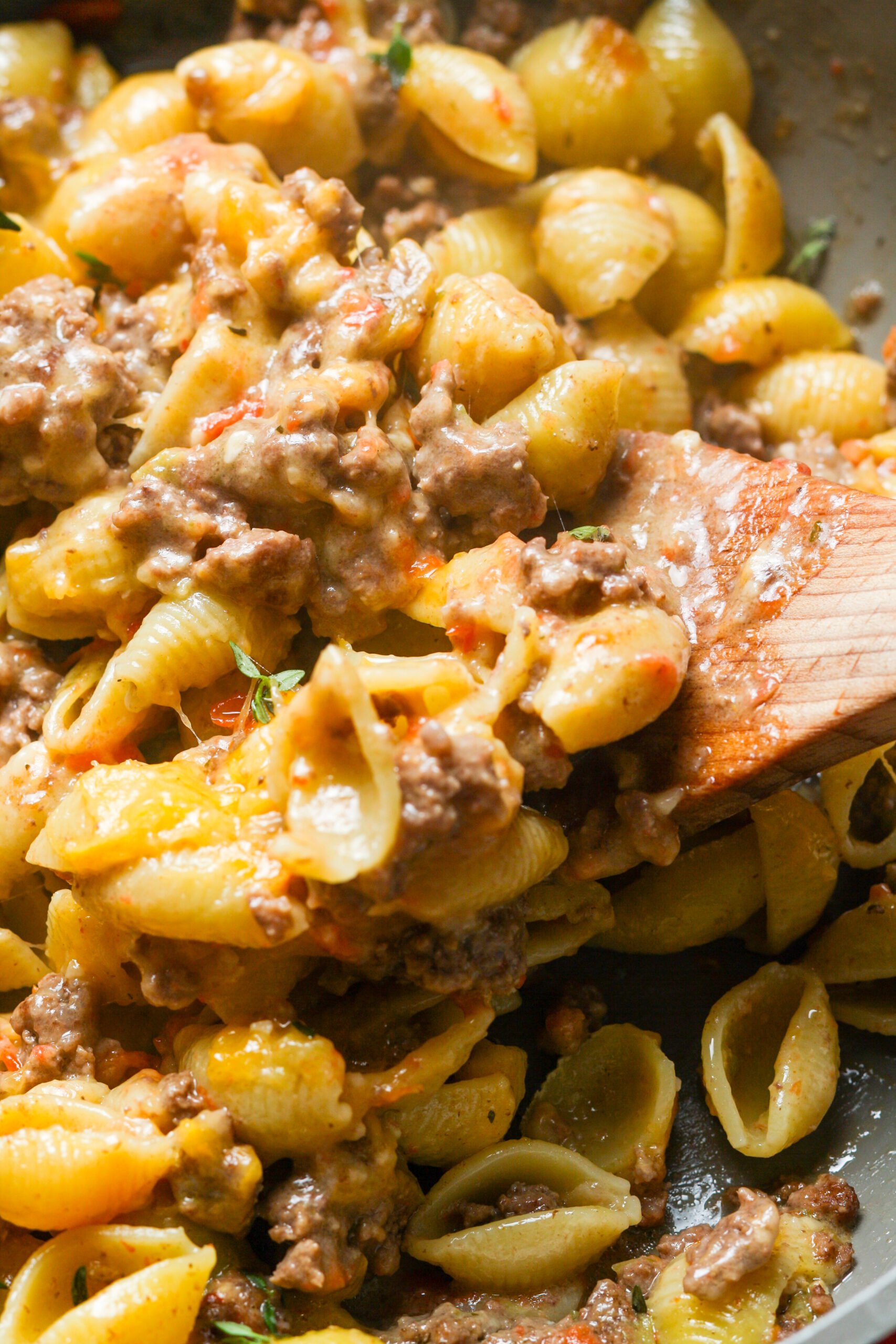
The one-pot taco pasta is more than a fleeting internet trend; it is a refined response to the logistical challenges of modern domestic life. By combining scientific principles of starch emulsification with the bold, accessible flavors of Mexican-inspired cuisine, it offers a sustainable approach to daily nutrition. As families continue to seek ways to balance the demands of work and home, recipes that minimize waste and cleanup time while maximizing culinary output will remain at the forefront of the home cooking movement. Whether prepared with ground beef or a plant-based alternative, the dish remains a testament to the fact that efficiency and flavor are not mutually exclusive in the modern kitchen.