Registered Dietitian Introduces Go-To Protein Meal Prep Lunch Bowls for Busy Professionals

Transitioning from a remote work environment back to a traditional office setting presents numerous logistical and personal challenges for modern professionals. Among the subtle yet significant hurdles is the daily management of nutrition during the workday. For many remote workers accustomed to grazing on unstructured meals throughout the day, the abrupt shift to an office schedule often leads to fragmented eating habits or, conversely, the frustrating realization that a thoughtfully prepared lunch has been left behind on the kitchen counter. To combat this dietary disruption, nutrition experts are increasingly emphasizing the value of structured, nutrient-dense meal preparation as a cornerstone of workplace wellness and productivity.
The Modern Shift to Hybrid Work and Workplace Nutrition
The modern workforce has experienced a dramatic evolution over the past decade, heavily influenced by the rise of remote and hybrid work models. As organizations increasingly call employees back to the office for a designated number of days each week, workers are forced to readapt to physical office routines. This transition involves more than just remembering office keys, laptops, and professional attire; it heavily impacts daily nutritional habits.
Dietary data consistently demonstrates that working professionals who lack a planned, balanced midday meal are significantly more prone to erratic eating patterns. Without a nourishing lunch, individuals frequently experience mid-afternoon fatigue, cognitive sludginess, and intense evening hunger, which often manifests as overeating upon returning home. Registered dietitians stress that a well-balanced midday meal containing adequate protein, complex carbohydrates, and fiber is essential for maintaining sustained energy levels, stabilizing blood sugar, and supporting cognitive performance throughout the workday.
The Science of Structured Meal Prep: The Formula Approach
Rather than relying on rigid recipes that demand precise measurements and extensive culinary skills, nutrition professionals advocate for a flexible, formula-based approach to meal preparation. This method prioritizes adaptability, making it easier for busy individuals to maintain consistent habits without experiencing meal fatigue.
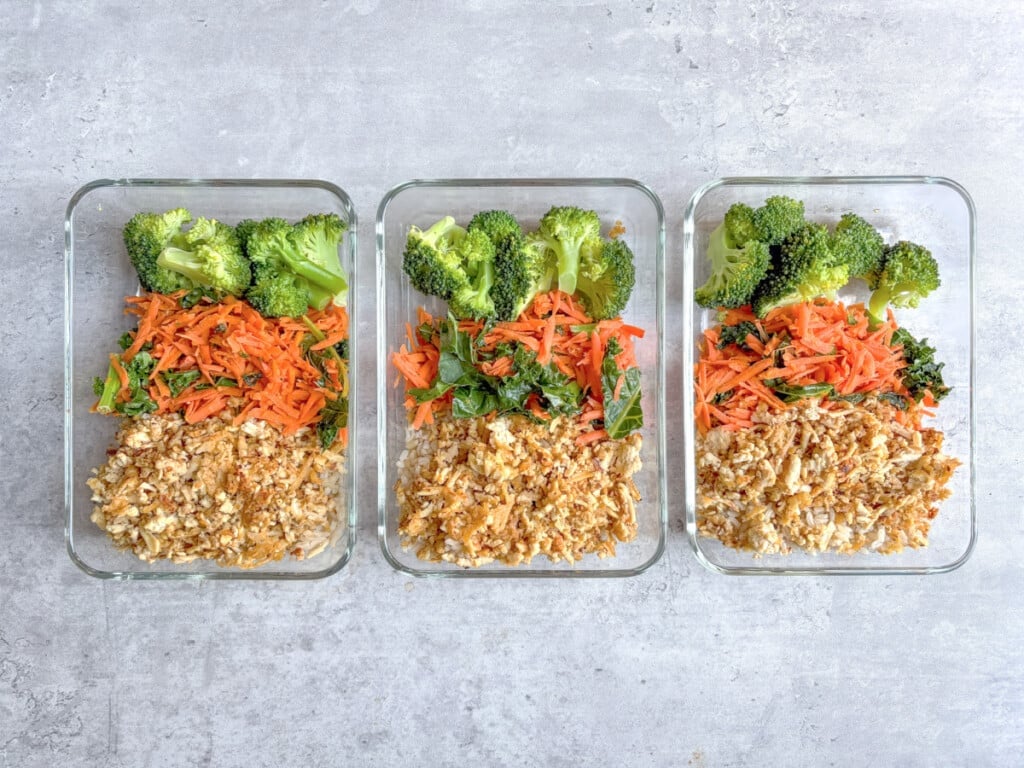
The foundational formula for a nutritionally balanced lunch bowl centers on four primary components: a quality starch base, a reliable protein source, a generous portion of fiber-rich vegetables, and a flavorful sauce or dressing to tie the elements together. By standardizing this structure, home cooks can easily substitute ingredients based on seasonal availability, dietary preferences, or whatever items happen to be left in the refrigerator.
Deconstructing the Formula: Ingredients and Nutritional Value
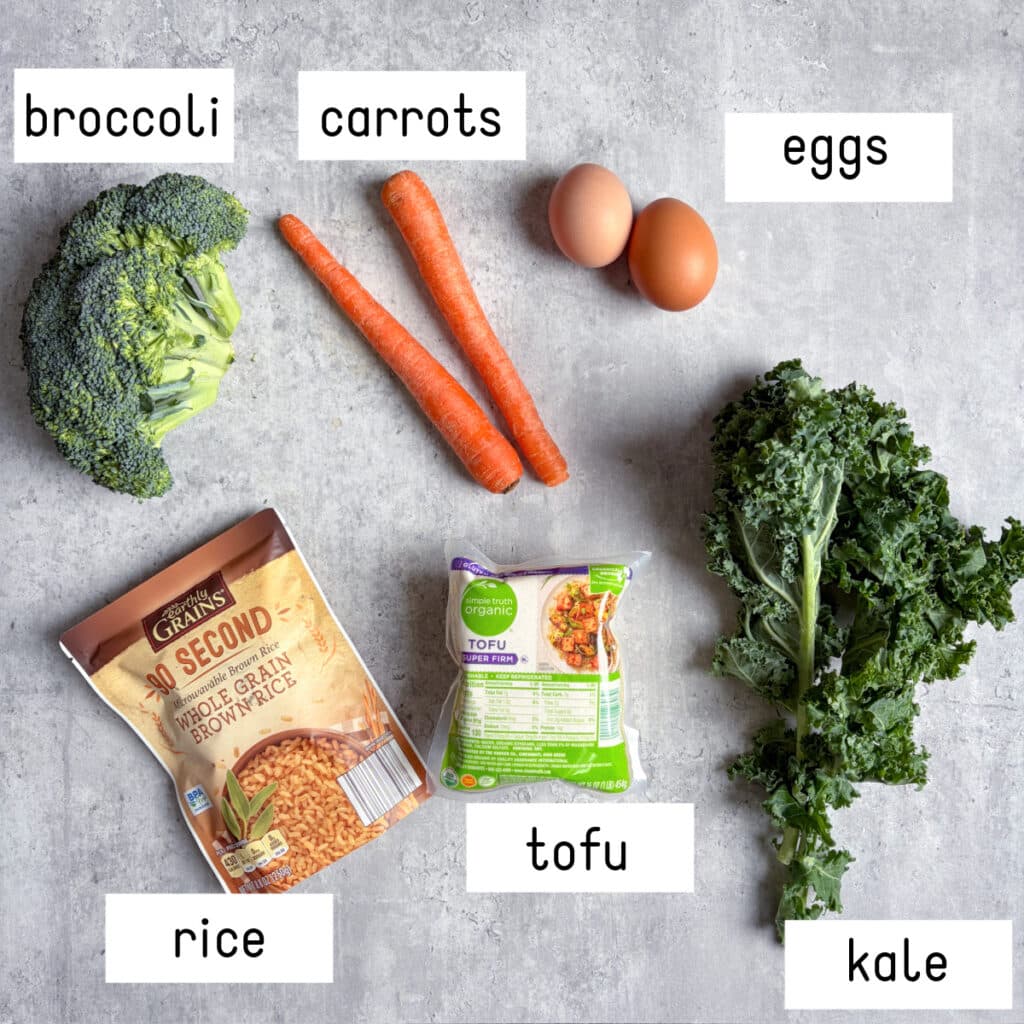
A typical protein meal prep lunch bowl engineered for workplace efficiency relies on accessible, nutrient-dense ingredients.
-
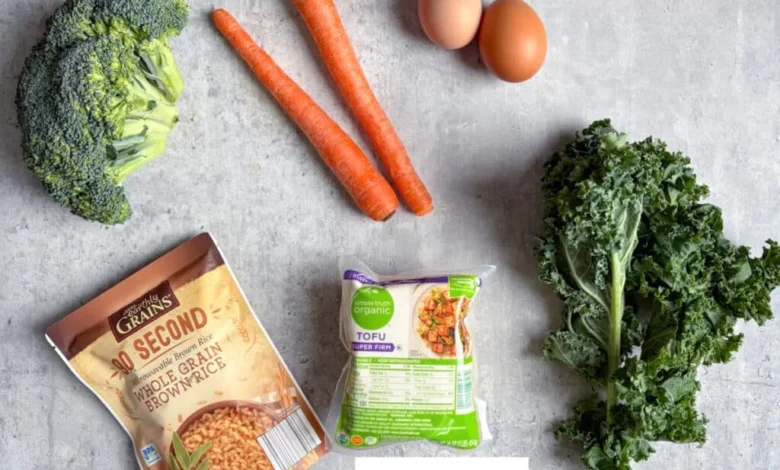
Starch Base: Complex carbohydrates provide sustained energy and prevent the sharp blood sugar spikes associated with refined sugars and simple starches. Commonly utilized bases include brown rice, quinoa, farro, or sweet potatoes. Pre-cooked or pouch varieties of grains can significantly reduce preparation time for individuals with tight weekly schedules.
-
Protein Source: Incorporating high-quality protein is vital for satiety and muscle maintenance. While animal proteins such as chicken, beef, or eggs are popular choices, plant-based alternatives have gained substantial traction among health-conscious consumers. Tofu, in particular, offers a versatile, complete protein source. However, traditional preparation methods often leave tofu with a soft or spongy texture that uninitiated eaters find unappealing. Culinary experts note that shredding block tofu—similar to grating cheese—dramatically transforms its texture, allowing it to crisp up effectively when cooked in a pan and absorb savory seasonings.
-
Vegetables: A robust mix of cruciferous and leafy vegetables ensures an adequate intake of essential vitamins, minerals, and dietary fiber. Ingredients such as broccoli florets, sliced carrots, and kale provide both nutritional density and vibrant visual appeal.
-
Flavor Enhancers and Sauces: To prevent meal prep from tasting dry or monotonous, a simple sauce—ranging from a sesame-ginger glaze to a vibrant peanut dressing—adds moisture and depth of flavor without undermining the nutritional integrity of the dish.
Streamlined Preparation Methods for Maximum Efficiency
For working professionals balancing career demands, family responsibilities, and personal time, the efficiency of the cooking process is paramount. To minimize time spent in the kitchen on weekends, nutritionists recommend utilizing a consolidated cooking method, such as preparing the entire meal in a single large skillet or sheet pan.
The preparation timeline typically follows a logical sequence designed to optimize kitchen flow:
- Step One: Begin by preparing or heating the chosen starch base, utilizing quick-cooking or pre-portioned grains to save time.
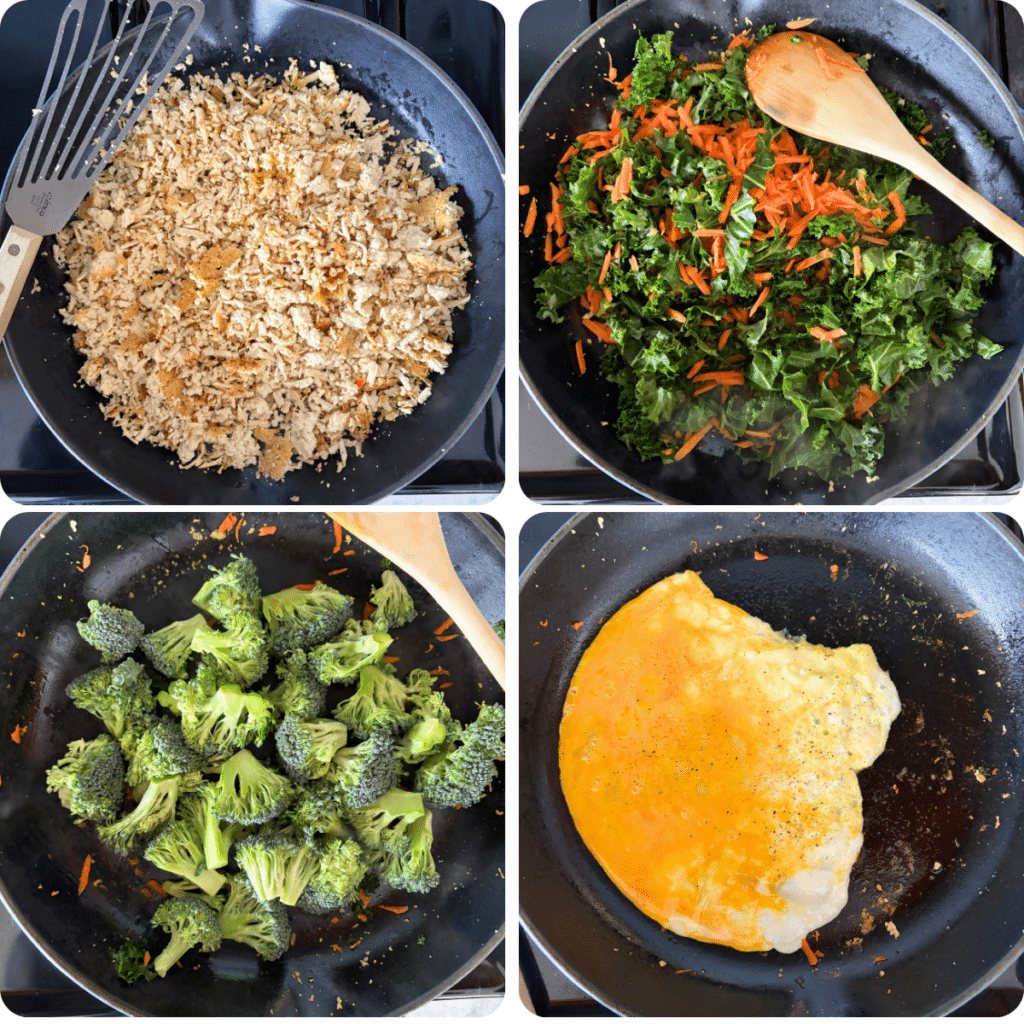
- Step Two: Prep the vegetables and protein simultaneously. For instance, shredding a block of firm tofu and chopping broccoli and carrots allows them to be cooked efficiently in batches or together in a hot skillet with a modest amount of oil and seasoning.
- Step Three: Incorporate additional protein elements, such as cracking eggs directly into the pan to scramble or fry alongside the vegetable and tofu mixture, thereby boosting the total protein content per serving.
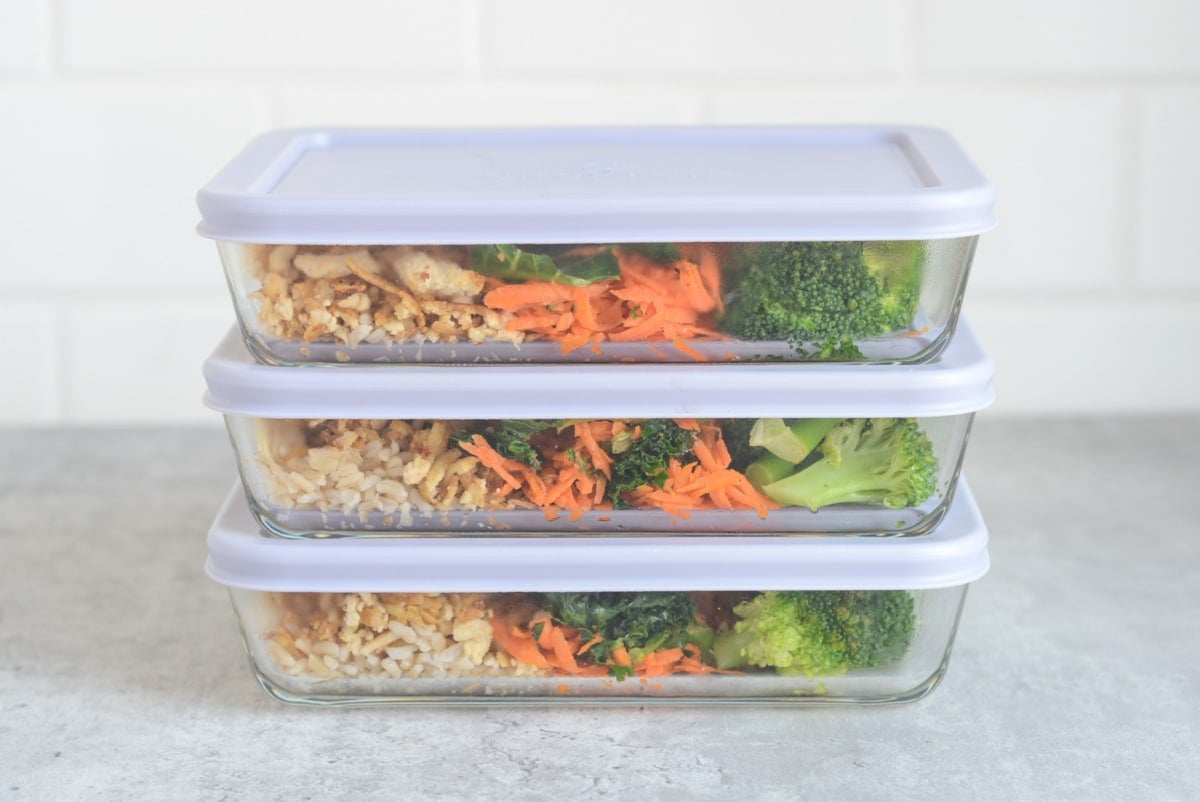
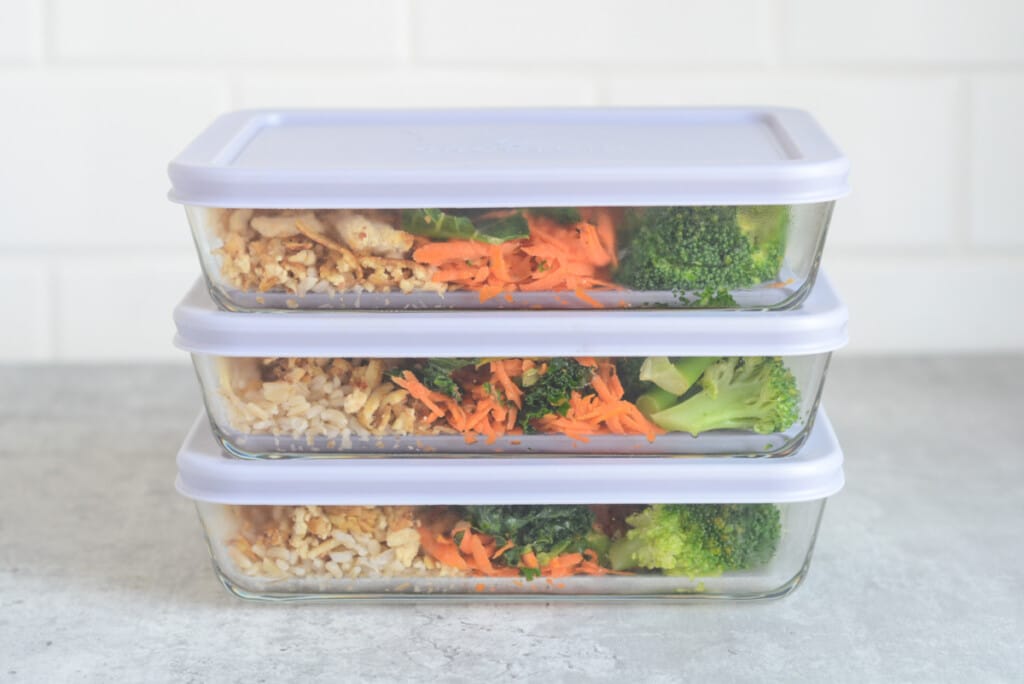
- Step Four: Once cooked, divide the ingredients evenly into airtight glass or BPA-free meal prep containers, ensuring the components cool slightly before sealing.
Storage, Shelf Life, and Food Safety Guidelines
Proper food storage is a critical factor in successful meal preparation, ensuring both optimal flavor retention and strict adherence to food safety standards. According to public health and culinary guidelines, fully assembled and cooled lunch bowls stored in airtight containers can safely remain fresh in the refrigerator for up to five days.
When it comes to reheating meals in a shared office kitchenette, best practices suggest removing the lid from the container and covering the contents with a damp paper towel or a microwave-safe cover to retain moisture. Heating typically requires one to two minutes on high power, with a quick stir halfway through to ensure even temperature distribution. Drizzling fresh sauce over the meal after heating helps preserve the bright flavors and textures of the ingredients.
Nutritional Impact and Public Health Implications
Analyzing the nutritional profile of a standard meal prep bowl reveals significant health benefits for the average consumer. A typical bowl formulated with a grain base, shredded tofu, vegetables, and an egg yields an estimated 444 calories, 22 grams of total fat (with the vast majority coming from heart-healthy unsaturated fats), 49 grams of carbohydrates, 11 grams of dietary fiber, and approximately 17 grams of protein.
Public health advocates frequently point out that increasing daily fiber and plant-based protein intake is directly linked to improved gastrointestinal health, reduced risk of cardiovascular disease, and better weight management. By empowering individuals to take control of their weekday nutrition through accessible meal preparation strategies, dietitians aim to bridge the gap between busy work schedules and optimal dietary health.
Broader Industry Trends in Workplace Wellness
The growing popularity of meal prep bowls reflects a broader cultural and economic shift toward proactive wellness and home cooking. In recent years, corporations and human resources departments have increasingly invested in employee wellness programs that emphasize nutritional education alongside mental health and physical fitness.
Furthermore, the surge in popularity of meal prep content across digital platforms highlights a collective consumer desire for practical, cost-effective solutions to daily stressors. As inflation and rising food costs continue to impact household budgets, preparing structured lunches at home offers a financially prudent alternative to daily restaurant dining or fast-food consumption.
Ultimately, while assembling a weekly lunch bowl is a routine domestic task rather than a scientific breakthrough, its implications for daily organization, nutritional intake, and professional well-being are profound. By streamlining the process of feeding oneself during a busy workweek, professionals can reclaim time, protect their health, and navigate the transition back to the office with confidence and ease.