Building Independence in Preschool: Fostering Lifelong Confidence Through Early Childhood Education

The journey of early childhood education is paved with quiet milestones, but few are as significant as the everyday declaration from a young child: “I can do it.” In modern preschool classrooms across the country, educators and developmental psychologists are placing an unprecedented emphasis on fostering independence in children aged three to five. Far from being a mere convenience for teachers or parents, cultivating self-help skills and personal autonomy during the preschool years lays a critical psychological and practical foundation for lifelong learning, emotional resilience, and academic success.
Recent educational research underscores that independence does not emerge overnight. Instead, it is systematically constructed through predictable daily routines, purposefully designed classroom environments, and the delicate guidance of supportive adults who understand the fine line between helpful intervention and over-assistance. As early childhood frameworks continue to evolve, understanding the mechanics of preschool independence has become a vital priority for educators, administrators, and families alike.

The Developmental Significance of Preschool Independence
From a cognitive and psychological standpoint, the preschool years represent a crucial window of rapid brain development and identity formation. During this stage, children begin to transition from viewing themselves as entirely dependent extensions of their caregivers to recognizing themselves as distinct, capable agents in their social and physical environments.
According to findings from prominent early childhood organizations such as the National Association for the Education of Young Children (NAEYC), regular opportunities for self-directed action help children internalize a sense of competence. When preschoolers are trusted to manage small tasks—such as choosing an activity, organizing their personal items, or cleaning up a spilled cup of water—they build cognitive flexibility and emotional grit.
This growing self-reliance directly influences several core domains of development:

- Cognitive Growth: Children learn cause-and-effect relationships, spatial awareness, and problem-solving strategies when they manipulate materials without direct adult instruction.
- Social Competence: Operating independently within a group setting teaches children how to negotiate shared spaces, respect boundaries, and collaborate with peers.
- Emotional Resilience: Experiencing minor setbacks—and learning to recover from them with minimal adult intervention—helps mitigate anxiety and fosters a growth mindset.
Chronology of the Preschool Day: Weaving Independence into Routines
The architecture of a well-designed preschool day offers a natural timeline for practicing autonomy. Rather than treating daily transitions as mere administrative chores between academic lessons, progressive early childhood programs utilize arrival, mealtimes, and room transitions as core learning modules.
The Arrival and Morning Routine
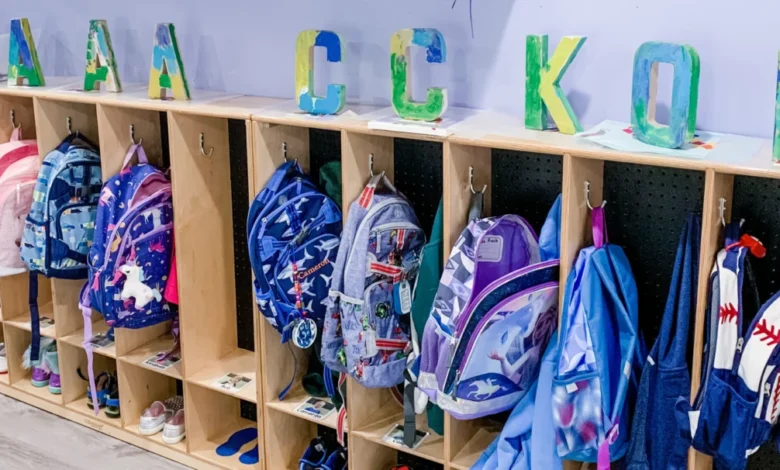
The school day typically begins with the arrival phase, a high-potential window for self-help skill development. Rather than having parents or teachers unpack backpacks and hang coats, modern classrooms are engineered for independent entry. Low cubbies, clearly labeled picture hooks, and accessible sign-in stations empower children to take immediate ownership of their personal space. This morning ritual establishes a psychological transition from home to school, signaling to the child that they are responsible members of the classroom community.
Mealtimes and Sustenance
Mid-morning snacks and lunchtimes provide rich contexts for practical life skills. Early childhood frameworks encourage children to independently manage their nutritional containers, pour liquids from appropriately sized pitchers, and navigate minor mishaps using designated classroom "spill stations." When a child accidentally knocks over a cup of water, educators resist the instinct to instantly clean it up. Instead, providing a small sponge or towel allows the child to participate directly in rectifying the mistake, transforming a moment of potential embarrassment into a masterclass in personal accountability.

Navigating Transitions via Visual Schedules
Transitions between activities have historically been high-stress moments for young children, often characterized by anxiety and behavioral friction. To counteract this, contemporary preschools implement visual schedules utilizing picture cards and icons. These tools allow children to independently track the flow of the day, understanding what activity comes next without needing to constantly ask an adult for direction. By diminishing reliance on verbal teacher prompts, visual schedules foster self-regulation and directional autonomy.
Classroom Architecture: Designing Centers for Self-Directed Exploration
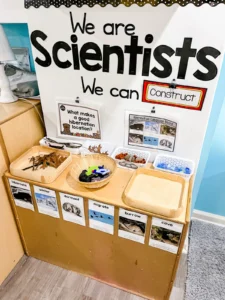
The physical layout of a preschool classroom plays an instrumental role in either encouraging or stifling independence. Modern early childhood design relies heavily on accessible, open-ended learning centers where materials are curated at child-height and organized with visual cues.
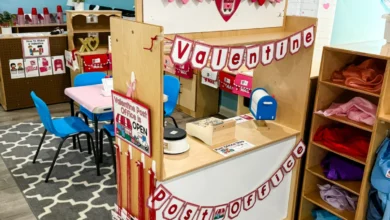
- Dramatic Play Centers: Equipped with accessible props, costumes, and domestic items, dramatic play spaces invite children to self-organize scenarios, negotiate social roles, and clean up their play areas with minimal adult oversight.
- Block and Construction Zones: Open-access shelving featuring unit blocks, plastic bricks, and architectural toys allows children to conceptualize, plan, and execute complex structural designs. When structures collapse, collaborative problem-solving among peers naturally takes the place of teacher intervention.
- Art and Sensory Stations: By storing open-ended art supplies—such as paper, collage materials, and clay—in clearly labeled, low bins, classrooms encourage spontaneous creativity. Children learn to select their mediums, experiment with textures, and manage their own cleanup processes without step-by-step adult direction.
- Sensory and Math Tables: Hands-on math arrays, color-matching coasters, sorting chips, and sensory bins filled with tactile materials invite independent investigation, allowing children to observe different approaches to the same problem among their peers.
Pedagogical Strategies: Knowing When to Step Back
For educators, fostering independence requires a conscious shift in teaching style. The traditional model of instruction—where an adult dictates every action and immediately fixes every error—is increasingly replaced by a facilitator-based approach.

Professional development programs for preschool teachers now emphasize the art of strategic observation. Educators are trained to monitor children from a distance, intervening only when physical safety is compromised or when a child exhibits profound, debilitating frustration. By pausing before rushing in, teachers give children the crucial seconds needed to formulate their own solutions.
Key pedagogical strategies include:
- Scaffolding over Solving: Providing verbal prompts or partial assistance rather than completing the entire task for the child.
- Asking Open-Ended Questions: Prompting critical thinking with queries like, "What else could we try?" rather than giving direct instructions.
- Valuing Process Over Product: Praising effort, persistence, and creative problem-solving rather than focusing exclusively on the final outcome of an activity.
Bridging the Gap: Communicating with Families
One of the persistent challenges in early childhood education is aligning classroom philosophy with home practices. Parents often feel rushed during morning departures or evening routines, leading them to dress their children, pack their bags, and clean up their messes for the sake of efficiency.

To address this, preschool administrators and teachers have increased outreach efforts through parent-teacher conferences, workshops, and concise, parent-friendly handouts. These resources explicitly explain why allowing a child to struggle with a stubborn zipper or pour their own milk is vital for neurological and psychological development.
When communicating with families, educators emphasize three core principles:
- Time Management: Incorporating extra buffer time into morning and bedtime routines to accommodate a child’s slower, self-directed pace.
- Tolerance for Mess: Accepting that independence is inherently messy—whether through art exploration, independent feeding, or outdoor play—and viewing the mess as evidence of active learning.
- Patience and Praise: Recognizing micro-achievements and verbally reinforcing the child’s burgeoning self-reliance.
Broader Implications and Long-Term Impact
The intentional cultivation of independence in preschool carries profound long-term implications for educational trajectories and societal development. Longitudinal studies in educational psychology consistently demonstrate that children who develop strong self-regulation and self-help skills in early childhood exhibit higher levels of academic engagement, lower rates of behavioral disruption, and greater emotional resilience as they transition into elementary school and beyond.

Furthermore, as educational paradigms shift toward twenty-first-century competencies—such as critical thinking, adaptability, and collaboration—the early childhood classroom serves as the foundational incubator for these traits. By prioritizing autonomy through structured routines, thoughtfully designed environments, and restrained adult guidance, preschools are not merely preparing children for kindergarten; they are actively equipping them with the internal resources necessary to navigate an increasingly complex world. Ultimately, those small, everyday declarations of "I can do it" resonate far beyond the preschool walls, shaping confident, capable individuals ready to meet the challenges of tomorrow.