Embracing Autumnal Flavors: A Practical Guide to Seasonal Family Meal Planning and Weeknight Dinners


As the calendar turns toward the cooler months, domestic routines inevitably shift to accommodate the transition in seasonal produce and shifting family schedules. For busy households, the arrival of autumn brings both the challenge and the opportunity of updating weekly meal plans to incorporate fresh, locally sourced ingredients. Culinary experts and family nutrition advocates increasingly emphasize the importance of structured meal planning as a vital tool for reducing household food waste, managing grocery expenditures, and ensuring balanced nutrition during hectic school and work weeks. Recent data from consumer food waste initiatives indicate that households utilizing structured weekly meal plans discard significantly less produce than those that purchase groceries impulsively. This strategic approach to domestic logistics has become a cornerstone for parents seeking to balance nutritional requirements with time constraints.
The economic and psychological benefits of organized weekly menus have been widely documented by culinary researchers and family sociologists. In an era where rising food costs place a continuous strain on household budgets, advance meal preparation allows consumers to purchase staple ingredients in efficient quantities and leverage seasonal harvests. Autumn, in particular, offers a rich array of root vegetables, crisp greens, and orchard fruits that lend themselves to versatile, comforting preparations. Culinary educators note that introducing children to seasonal produce early in life fosters long-term healthy eating habits, transforming dinner preparation from a nightly chore into an opportunity for familial engagement. Within this context, curated weekly menus serve as a practical bridge between nutritional theory and the realities of modern family life.
Midweek Efficiency: The Appeal of Rapid Assembly Dinners

A critical component of any sustainable weekly meal plan is the inclusion of low-complexity recipes designed for demanding midweek schedules. Wednesdays, often recognized as the peak of the working and academic week, typically demand culinary solutions that minimize preparation and cleanup time without sacrificing dietary quality. A prime example of this strategy is the integration of straightforward pasta dishes paired with fresh, nutrient-dense salads sourced from local agricultural markets. Recipes combining lean proteins, familiar carbohydrate bases, and fresh dairy elements provide balanced macronutrients while appealing to palates across various age groups.
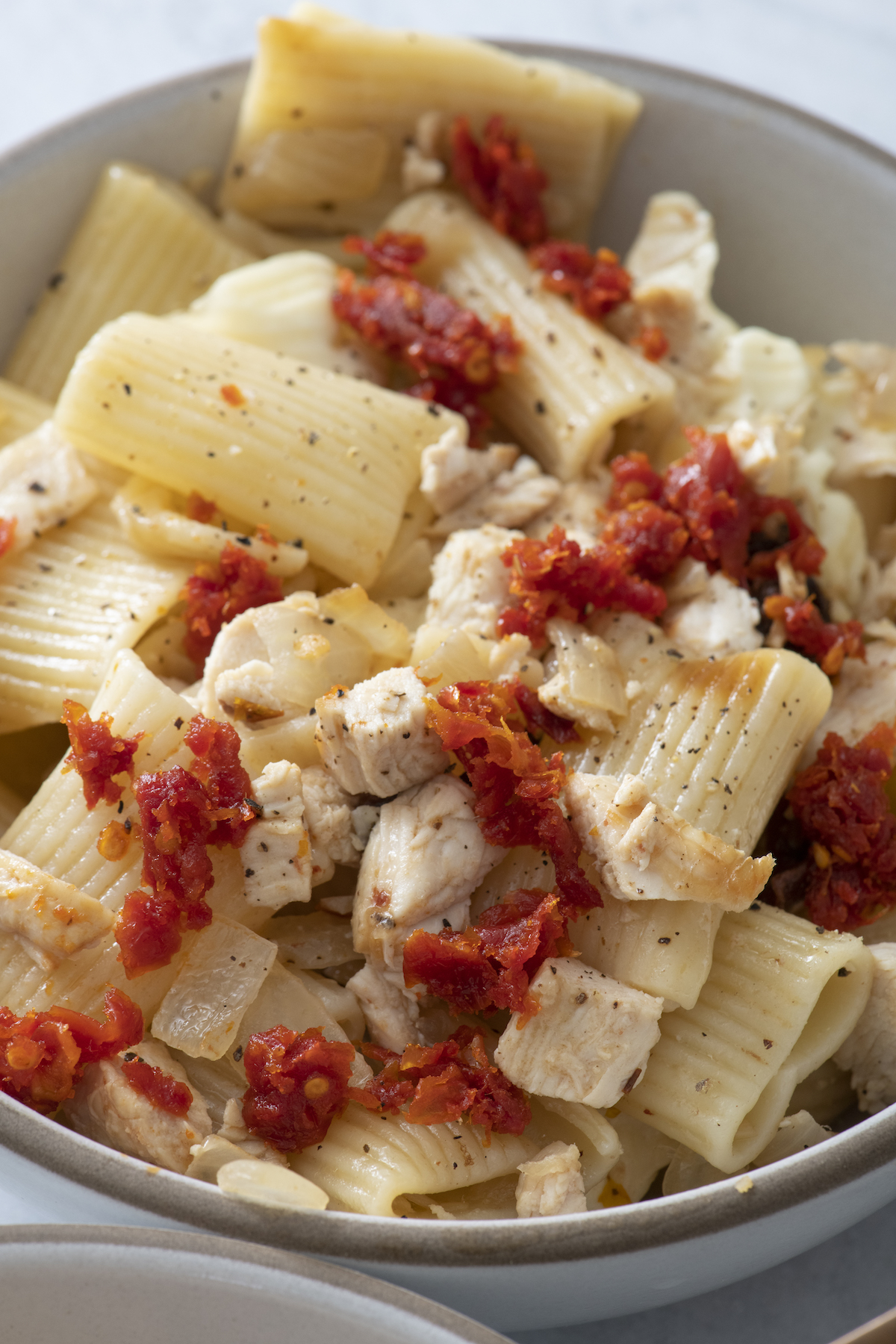
Culinary professionals observe that utilizing pre-cooked or quick-cooking proteins, such as chicken breast combined with fresh mozzarella and artisanal pasta, significantly reduces the cognitive load associated with evening meal preparation. Furthermore, pairing these warm dishes with a vibrant farmers market salad introduces raw, seasonal vegetables that might otherwise be overlooked in traditional cooked dinners. This dual approach—combining a comforting, warm main course with crisp, raw produce—ensures dietary variety while respecting the strict time limitations faced by modern parents juggling professional and domestic responsibilities.
Comfort Food Classics Reimagined for Quick Weeknight Execution
As the workweek draws toward its conclusion on Thursday evenings, household energy reserves frequently decline, increasing the temptation to rely on heavily processed convenience foods or restaurant delivery. To counteract this tendency, nutritionists advocate for the adaptation of familiar comfort foods utilizing leaner, whole-food ingredients that can be executed rapidly in home kitchens. Ground turkey burgers served with comprehensive vegetable toppings and accompanied by air-fried potato alternatives represent a balanced evolution of traditional fast-food favorites.
The culinary mechanics of utilizing ground poultry as a beef substitute offer distinct nutritional advantages, including reduced saturated fat content while maintaining high protein levels. When paired with modern kitchen appliances such as air fryers, which utilize convective heat to achieve crisp textures with a fraction of the oil traditionally required for frying, these meals offer a compromise between dietary health and sensory satisfaction. Public health data consistently indicate that home-prepared alternatives to commercial fast food contain significantly lower sodium levels and fewer artificial additives, making strategic adaptations of comfort classics a vital tool for long-term family wellness.
The Strategic Value of Midweek Culinary Pauses and Local Dining Support
A comprehensive approach to domestic meal planning must also account for psychological sustainability, recognizing that constant home cooking can lead to burnout for primary household chefs. Consequently, modern meal strategies frequently incorporate designated evenings for takeout or dining out from local establishments. This practice not only provides necessary relief from domestic labor toward the end of the week but also offers tangible economic support to small, independent restaurants operating within local communities.
Economic impact studies of the food service sector demonstrate that patronage of local neighborhood eateries plays a crucial role in maintaining municipal economic vitality and preserving diverse culinary landscapes. By deliberately scheduling a pause in home meal preparation, households can balance the discipline of advance planning with the flexibility required to maintain mental well-being and support regional commerce. This holistic perspective views meal planning not as a rigid dietary regime, but as a flexible framework designed to support overall family health, economic efficiency, and community connection throughout the changing seasons.