Bringing Your Baby Home: Everything You Need for the Trip from the Hospital to your House


The transition from a clinical hospital setting to the home environment marks a significant milestone for new parents, representing the official commencement of infant care within the domestic sphere. This departure, often referred to in medical and parenting circles as the "discharge day," requires meticulous logistical planning. As hospitals shift toward shorter postpartum stays—with uncomplicated vaginal deliveries often resulting in discharge within 24 to 48 hours and cesarean sections typically spanning 48 to 96 hours—the necessity for advance preparation has become increasingly critical for families navigating this high-stakes transition.
The Regulatory and Safety Landscape of Infant Transport
The most immediate requirement for any family departing a medical facility is the implementation of a certified, age-appropriate passenger restraint system. According to the National Highway Traffic Safety Administration (NHTSA), motor vehicle crashes are a leading cause of death for children in the United States, underscoring the legal and safety imperatives of proper car seat installation.
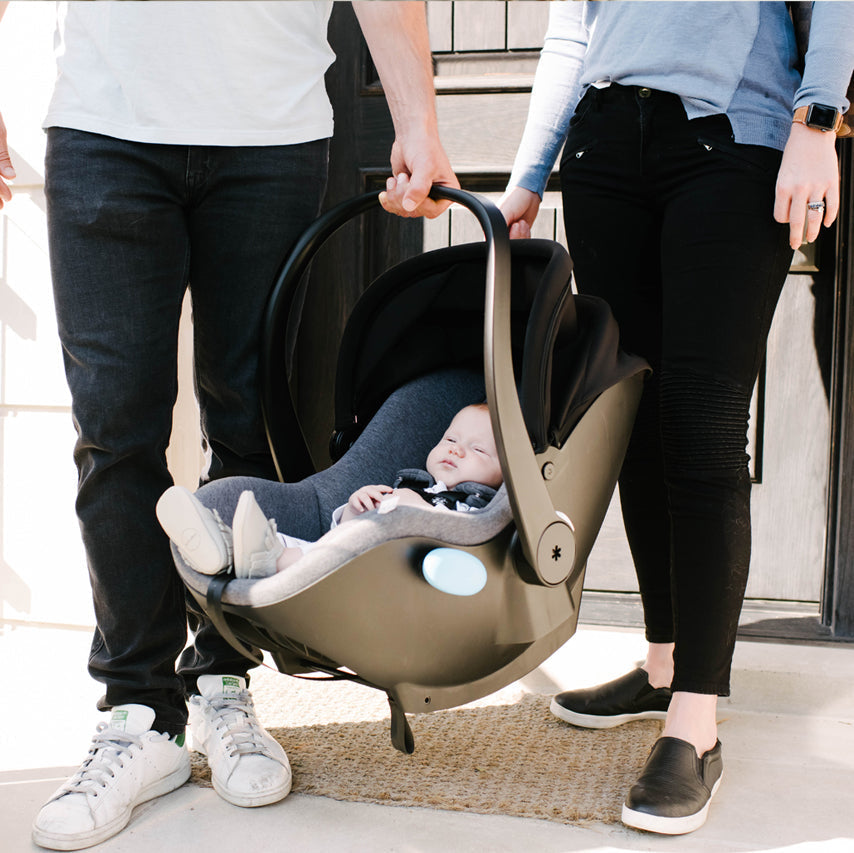
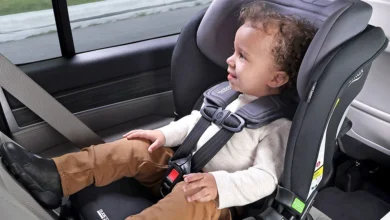
Professional safety organizations mandate that infants be transported in rear-facing car seats, which provide superior protection for the head, neck, and spine in the event of a collision. The "clinical check" performed by nursing staff or lactation consultants prior to discharge often includes a verification that the parents possess an approved car seat. Many hospitals now require parents to demonstrate the ability to secure the infant into the seat before they are permitted to leave the premises. For expectant fathers and partners, this phase serves as a vital exercise in technical proficiency; experts recommend "dry runs" during the final weeks of pregnancy to ensure the base is securely installed in the vehicle according to manufacturer guidelines, which often differ significantly between models.
The Logistics of the Postpartum Discharge Process
The timeline of a discharge is rarely precise, as it depends on the clinical stability of both the parent and the infant. For the infant, clinicians monitor several benchmarks: the ability to maintain body temperature in an open crib, the successful completion of mandatory newborn screenings (including hearing and metabolic tests), and the demonstration of consistent feeding and voiding patterns.
From a management perspective, the "going-home" phase is an exercise in resource gathering. Hospitals typically provide a surplus of supplies, such as disposable diapers, umbilical cord care kits, and specialized wipes, which are intended to bridge the gap between the hospital and the home. The inclusion of these items in the infant’s initial transport bag is a pragmatic step that reduces immediate post-discharge shopping stress.

Curating the Essential Layette: Comfort and Functionality
Beyond safety equipment, the selection of the infant’s first outfit serves a dual purpose: providing thermal regulation and creating a historical memento. Pediatricians advise that newborns, particularly those born in cooler months, require layers to maintain homeostasis. The choice of material is paramount; natural, breathable fibers such as high-grade cotton or bamboo are recommended to protect the infant’s sensitive skin from irritation.
Vintage-inspired layettes, such as those produced by heritage manufacturers like Feltman Brothers, have regained popularity for their use of traditional woven fabrics and functional design. The "coming-home gown," featuring an open-bottom design, remains a staple in pediatric wardrobes due to its utility during frequent diaper changes. Furthermore, the use of soft-knit blankets is encouraged not only for temperature control during the transit from the hospital lobby to the vehicle but also for providing a sense of security for the neonate during the sensory overload of the first journey.
Psychological and Sociological Implications of the Transition
The "homecoming" experience carries profound emotional weight, often cited by psychologists as a period of heightened vulnerability and transition for new families. Sociological research suggests that the stress of the first 24 hours at home is primarily driven by the removal of the professional support network—nurses, pediatricians, and lactation consultants—that provided 24-hour monitoring during the hospital stay.

To mitigate this, health professionals recommend that parents view the first day at home as an extension of the recovery period. This includes limiting external visitors and focusing exclusively on the "triad" of needs: infant nutrition, parent rest, and hygiene. The preparation of a "go-bag" that contains not only infant essentials but also basic items for the birthing parent—such as comfortable clothing and necessary postpartum supplies—is a frequently overlooked but essential component of a successful discharge plan.
The Role of Technology and Documentation
The contemporary trend of "documenting" the homecoming has evolved from simple scrapbooking to high-definition digital preservation. While the desire to capture every moment is natural, experts advise that the focus should remain on the infant’s safety. When taking photographs or video in the hospital or during transit, it is essential to ensure that the infant’s airway remains clear and that they are not overheated by camera lights or heavy swaddles.
Modern smartphones serve as vital tools, not just for photography, but for tracking feedings and sleep cycles. Numerous medical-grade applications allow parents to record the time and frequency of activities, providing valuable data that can be shared with pediatricians during the first follow-up appointment, which typically occurs within 48 to 72 hours of discharge.

Expert Consensus on Long-Term Preparation
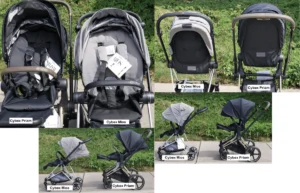
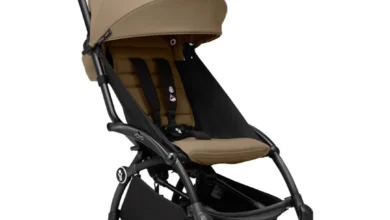
Industry experts, including product designers and safety advocates, emphasize that the gear purchased for the ride home should be viewed as an investment in the infant’s future development. For instance, the transition from an infant car seat to a stroller—often facilitated by "travel system" technology—demonstrates a shift toward modularity in baby equipment. This design philosophy, championed by companies like Nuna, Maxi-Cosi, and Doona, seeks to minimize the disruption to the infant’s sleep during the transfer from vehicle to home, a priority for parents aiming to establish early, consistent routines.
In conclusion, the journey from the hospital to the residence is the first of many logistical milestones in the life of a new family. By prioritizing the structural integrity of safety equipment, ensuring the availability of essential health supplies, and maintaining a focus on the physiological needs of the newborn, parents can navigate this transition with confidence. As the healthcare sector continues to evolve, the emphasis remains on empowering parents with the knowledge and tools required to foster a safe, secure, and nurturing environment from the very first day. The successful "homecoming" is not measured by the extravagance of the occasion, but by the preparedness of the caregivers to meet the evolving demands of their new family member.