The Ultimate Guide to Making Colorful Quinoa Salad with Fresh Garden Veggies

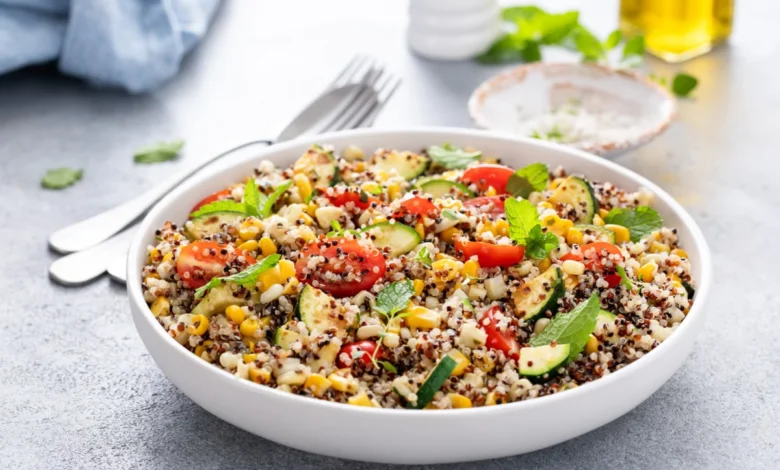
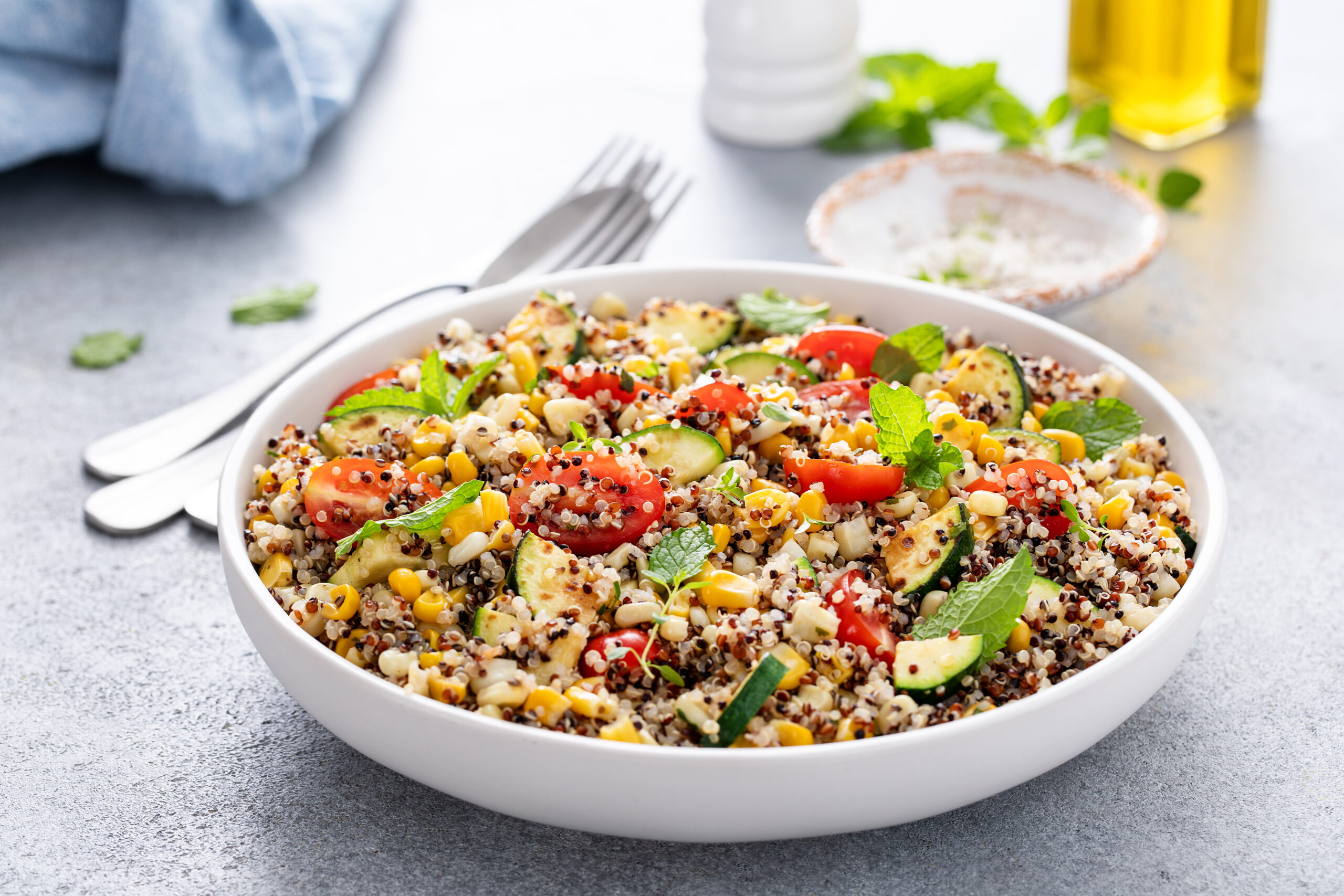
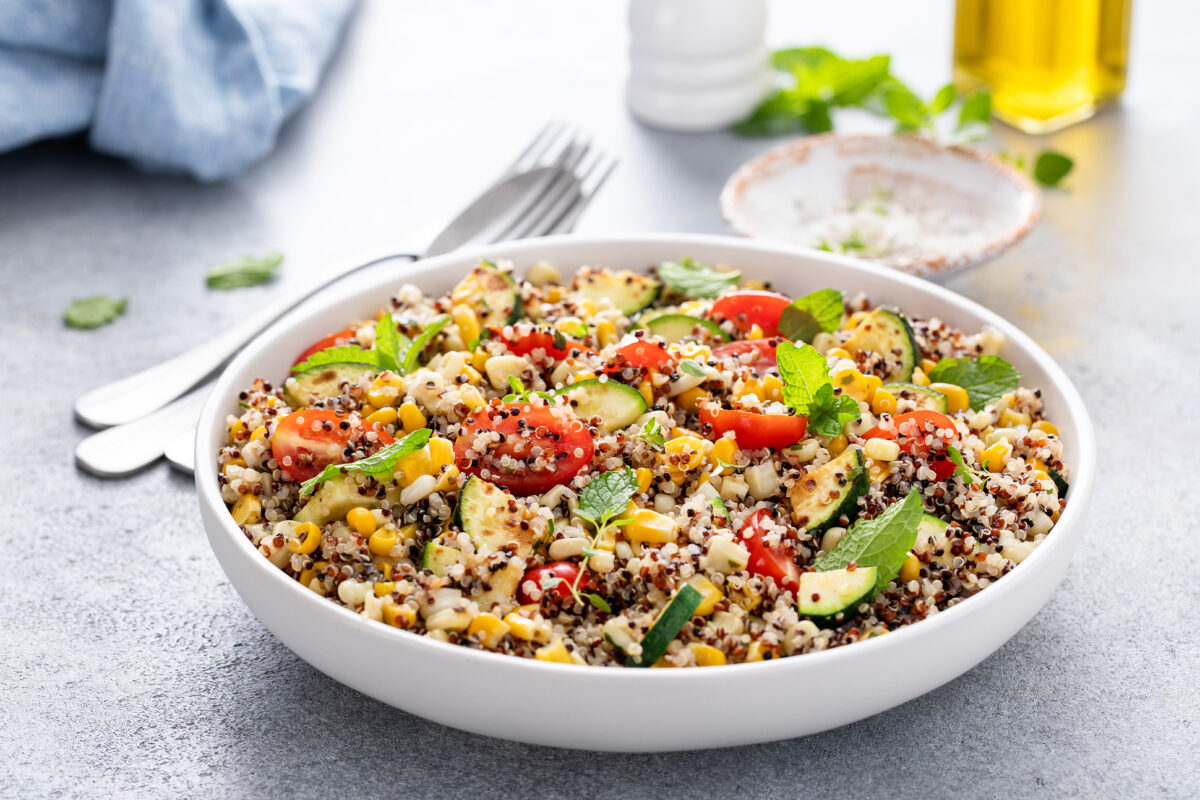
As home gardeners and agricultural markets hit the peak of their summer harvests, culinary experts and nutritionists are emphasizing the importance of incorporating seasonal, nutrient-dense produce into everyday meal planning. Among the myriad options available during the warmer months, a rising star in health-conscious kitchens is the garden vegetable quinoa salad, anchored by a vibrant mix of sweet corn, tender zucchini, juicy cherry tomatoes, and fragrant basil, all tied together with a zesty, simple lemon dressing.
This dish has rapidly evolved from a niche health-food option into a mainstream culinary staple. Culinary historians and agricultural economists note that the surge in popularity of ancient grains like quinoa aligns with broader consumer shifts toward gluten-free eating, plant-based proteins, and sustainable, locally sourced produce. As backyard gardens and farmers markets overflow with summer yields, recipes that offer high versatility and minimal preparation time are gaining widespread traction across households, community potlucks, and meal-prep routines.
Nutritional Profile and the Rise of Quinoa
Quinoa, scientifically classified as Chenopodium quinoa, is technically a pseudocereal—a seed that is cooked and consumed similarly to a whole grain. Originating in the Andean region of South America over 5,000 years ago, it was revered by the Inca civilization as the "chisaya mama," or the "mother of all grains." Today, modern nutritional science has validated the wisdom of ancient agriculturalists.
Unlike traditional refined grains, quinoa is a complete plant-based protein, meaning it contains all nine essential amino acids that the human body cannot synthesize on its own. A single cup of cooked quinoa delivers approximately 8 grams of protein and 5 grams of dietary fiber, alongside substantial amounts of magnesium, B-vitamins, iron, potassium, calcium, phosphorus, and vitamin E. Furthermore, it boasts a low glycemic index, making it an ideal dietary component for individuals managing blood sugar levels.
Dietitians point out that quinoa’s mild, nutty flavor profile and fluffy texture make it an exceptionally adaptable culinary canvas. Available primarily in white, red, and black varieties—or as a tricolor blend—it easily absorbs the flavors of dressings, broths, and fresh herbs without overpowering accompanying ingredients.
Culinary Chronology: From Farm to Bowl
The preparation of a successful garden quinoa salad relies heavily on precise chronology and culinary technique to ensure optimal texture and flavor balance. Food scientists and professional chefs outline a specific timeline for assembling the dish:
- Preparation and Rinsing (10 Minutes): Before cooking, raw quinoa must be thoroughly rinsed in a fine-mesh strainer under cold water. This crucial step removes saponin, a naturally occurring chemical compound on the outer coating of the seed that can impart a bitter, soapy taste.
- Cooking and Simmering (15 Minutes): Standard culinary proportions dictate a two-to-one liquid-to-grain ratio—two cups of liquid (such as water or low-sodium vegetable broth) for every one cup of dry quinoa. Bringing the mixture to a boil, immediately reducing the heat, covering the pot, and allowing it to simmer gently ensures even moisture absorption without scorching.
- Rest and Cooling Phase (15 to 20 Minutes): Once the liquid is absorbed, the quinoa must be removed from the heat and allowed to rest covered for five minutes before being fluffed with a fork. Crucially, chefs advise spreading the cooked quinoa across a baking sheet to accelerate cooling to room temperature. Introducing heat to delicate ingredients like fresh basil, tender zucchini, and ripe tomatoes can cause wilting, structural breakdown, and undesirable moisture release.
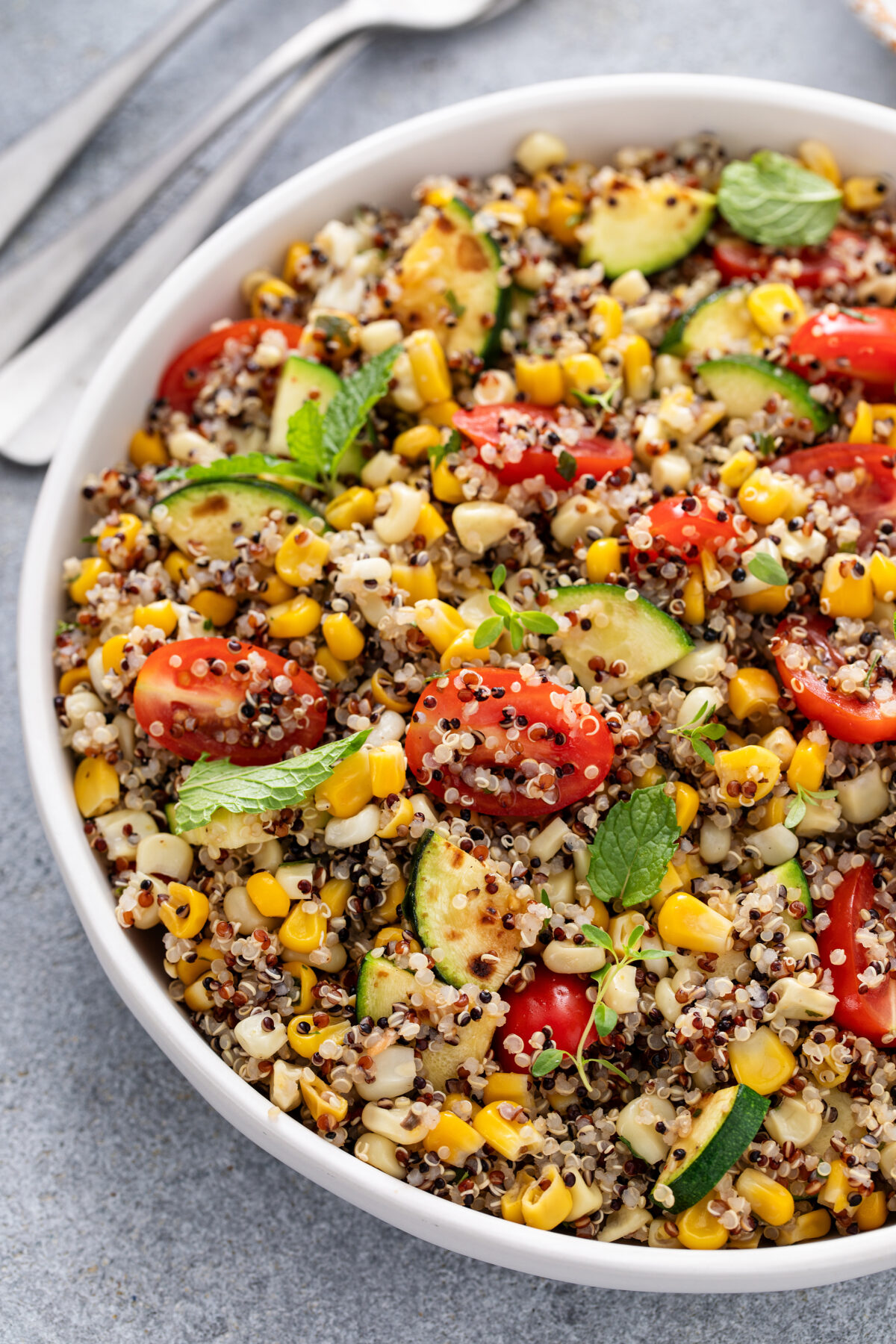
- Assembly and Dressing (10 Minutes): The final stage involves tossing the cooled grain with lightly sautéed or grilled zucchini, sweet corn kernels, halved cherry tomatoes, and fresh herbs. A bright dressing composed of fresh lemon juice, extra virgin olive oil, and a touch of natural sweetener is integrated gradually to prevent the salad from becoming soggy as the grains continue to absorb liquids over time.
Expert Recommendations and Best Practices
Culinary professionals and institutional nutritionists emphasize several key methodologies to elevate grain-based salads from a basic side dish to a gourmet-quality meal:
- Moisture Management: Zucchini and tomatoes possess high water content. Overcooking zucchini renders it mushy and watery, while un-drained tomatoes can dilute dressings. Chefs recommend lightly sautéing the zucchini only until tender-crisp and ensuring tomatoes are cleanly sliced or drained if exceptionally juicy.
- Acid Balance: Utilizing fresh-squeezed lemon juice instead of bottled alternatives provides a vibrant, aromatic acidity that cuts through the earthy notes of the quinoa and complements the natural sweetness of summer corn.
- Broth Infusion: Cooking the quinoa in a flavorful vegetable or chicken broth rather than plain water infuses the base layer with savory depth, reducing the need for excessive sodium later in the recipe.
- Gradual Dressing Application: Because quinoa acts like a sponge, adding three-quarters of the dressing initially and reserving the remainder for just before serving guarantees optimal moisture retention without oversaturation.
Flexibility and Dietary Adaptability
One of the primary drivers behind the widespread adoption of vegetable quinoa salads is their adaptability to various dietary requirements and regional ingredient availability.
For individuals seeking a more robust, calorie-dense meal, culinary experts suggest incorporating various complementary proteins and fats. Crumbled feta or goat cheese introduces a creamy, savory contrast, while mozzarella pearls offer a Caprese-inspired profile. Plant-based options, such as chickpeas, white beans, or black beans, boost the fiber and protein content further. For meat-eaters, the addition of diced grilled chicken, shredded rotisserie poultry, or grilled shrimp transforms the side dish into a complete, balanced entrée.
Furthermore, seasonal adjustments keep the recipe dynamic throughout the year. While summer variations celebrate corn, zucchini, and basil, autumn and winter adaptations can seamlessly substitute roasted root vegetables, butternut squash, dried cranberries, and toasted pecans or walnuts. Alternative grains such as farro, bulgur, couscous, or brown rice can also replace quinoa, though adjustments must be made for those adhering strictly to a gluten-free diet.
Socioeconomic and Public Health Implications
Public health advocates and community nutrition programs increasingly highlight the value of accessible, nutrient-dense recipes in combating diet-related chronic conditions. As the cost of processed foods fluctuates and awareness of preventative health grows, educational campaigns focused on whole grains and fresh produce aim to empower families to prepare cost-effective, wholesome meals at home.
Programs implemented in community centers and school districts often utilize adaptable grain salads to introduce children to new textures and flavors. By combining familiar, sweet elements like corn and cherry tomatoes with nutrient-packed quinoa and herbs, educators report higher rates of culinary engagement among younger demographics.
Broader agricultural trends also reflect this shift in consumer demand. Local farmers markets and community-supported agriculture (CSA) programs report sustained interest in heirloom vegetables, fresh herbs, and specialty grains, signaling a long-term cultural movement toward mindful, plant-forward eating habits.
Conclusion: A Timeless Summer Staple
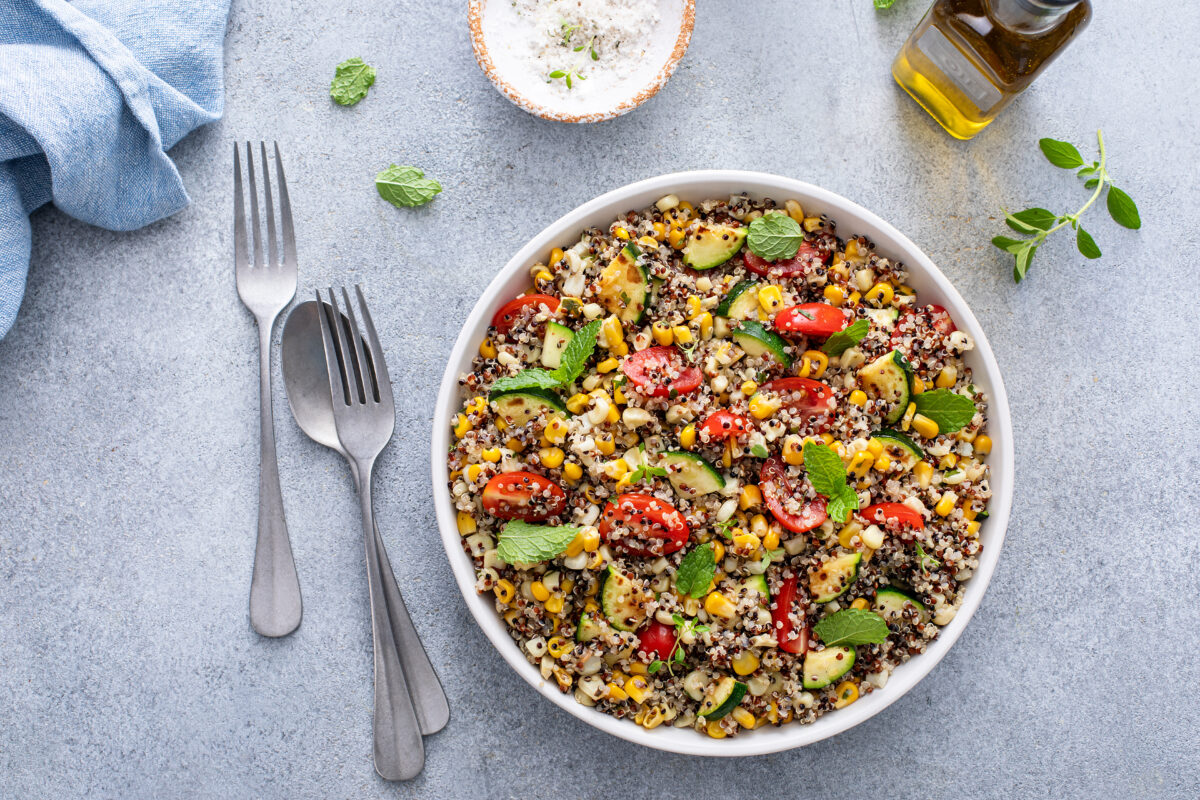
As home cooks continue to seek out recipes that balance nutritional integrity with ease of preparation, colorful quinoa salads featuring fresh garden vegetables remain a resilient favorite. By combining the ancient, protein-rich benefits of quinoa with the vibrant flavors of seasonal produce, this dish exemplifies the intersection of health, sustainability, and culinary versatility. Whether served as a light lunch, a meal-prep staple, or a vibrant side dish at a summer gathering, the garden quinoa salad stands as a testament to the enduring appeal of fresh, wholesome ingredients prepared with care.