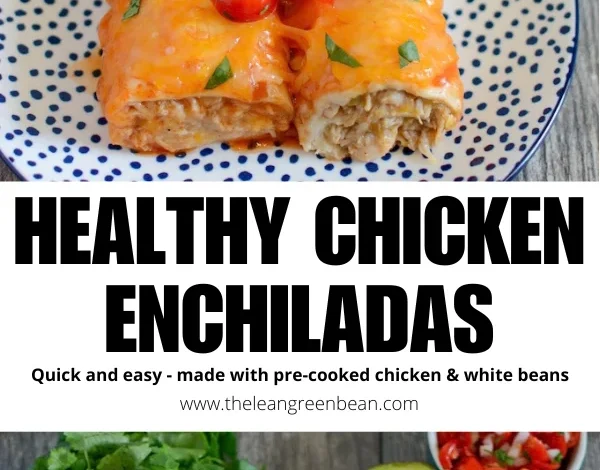
The modern home kitchen is increasingly defined by the intersection of convenience and nutritional optimization. As families seek to balance the demands of busy work weeks with the necessity of nutrient-dense meals, culinary experts are revisiting traditional comfort foods, such as chicken enchiladas, to align them with contemporary dietary guidelines. By replacing high-fat components with protein-rich alternatives and leveraging pantry staples, the standard enchilada has been transformed into a functional, health-conscious staple of the weeknight dinner rotation.
Nutritional Evolution and Ingredient Optimization
The traditional enchilada, a staple of Mexican-American cuisine, typically relies on heavy creams, processed cheeses, and high-sodium sauces, which can lead to excessive caloric intake. Nutritionists have long advocated for modifications that preserve the structural integrity and flavor profile of the dish while enhancing its macronutrient composition.
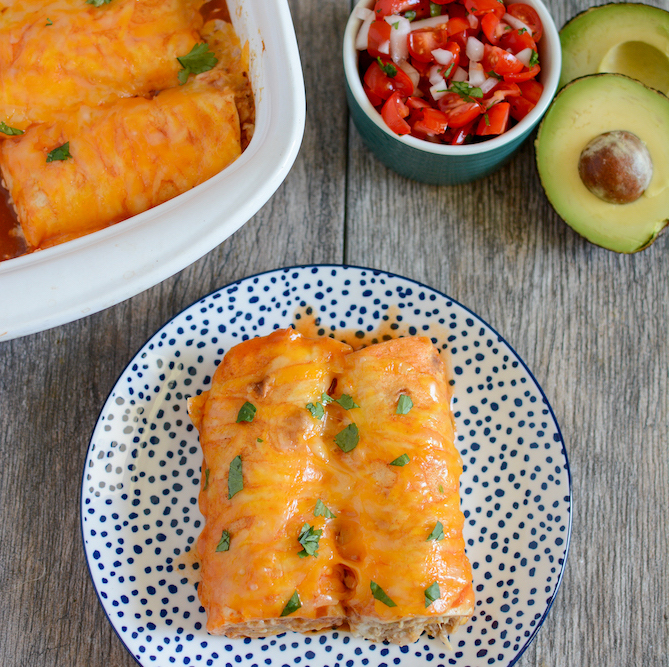
The integration of Greek yogurt as a substitute for traditional sour cream represents a significant shift in this culinary approach. Greek yogurt, which is strained to remove whey, provides a higher concentration of protein and probiotics compared to standard sour cream, which is primarily fat-based. According to nutritional analysis, a standard serving of full-fat Greek yogurt contains approximately 10 grams of protein per 100 grams, whereas sour cream contains roughly 2.5 grams. By making this substitution, home cooks can effectively increase the satiety factor of the meal without sacrificing the creamy texture that is essential to the dish.
Furthermore, the inclusion of white beans (such as Cannellini or Great Northern beans) introduces a significant source of plant-based fiber. Fiber is an essential component for digestive health and blood sugar regulation, yet it is frequently absent in traditional meat-centric Tex-Mex dishes. Combining shredded chicken—a lean protein source—with legumes creates a more balanced amino acid profile, promoting muscle maintenance and sustained energy levels.
The Role of Pantry Staples in Modern Food Security
In recent years, the emphasis on "pantry cooking"—the practice of utilizing long-shelf-life ingredients—has become a priority for households looking to reduce food waste and lower grocery expenditures. The use of canned chicken, pre-cooked proteins, and shelf-stable enchilada sauces allows for a significant reduction in preparation time, a critical factor for the 65% of households who report needing to prepare dinner in under 30 minutes during the work week.
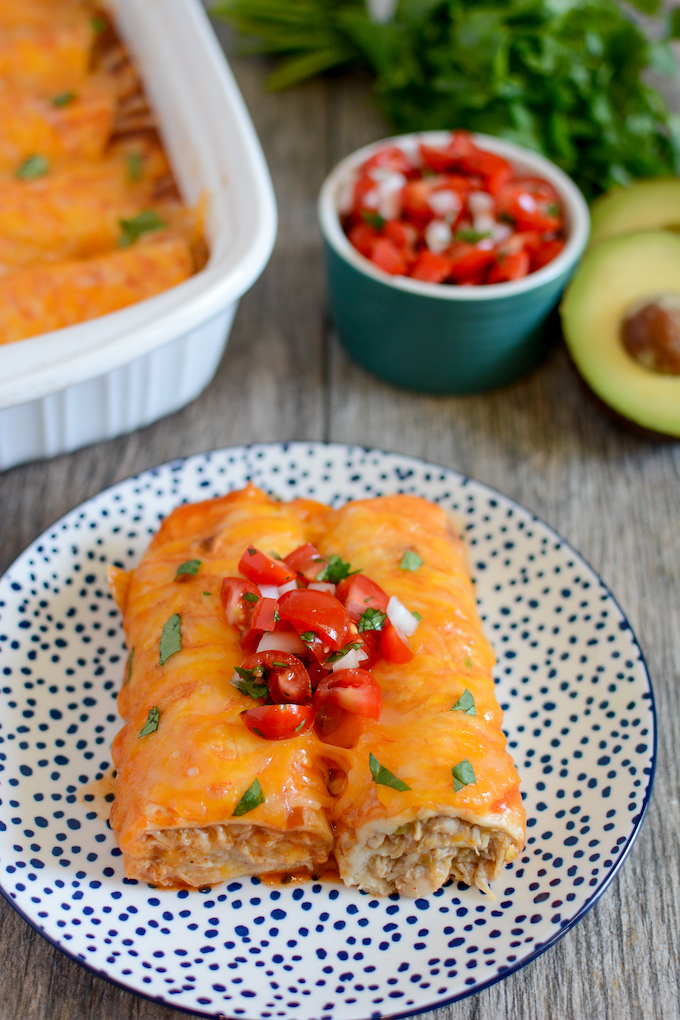
Commercial sauce brands, including those produced by companies such as Siete Foods, Somos, and Frontera, have responded to consumer demand for cleaner labels by offering versions with reduced sodium, no added sugars, and non-GMO ingredients. This shift in the commercial market reflects a broader trend toward transparency in food manufacturing, where consumers are increasingly scrutinizing the ingredient lists of pre-packaged cooking sauces.
Technical Challenges: Managing Texture and Moisture
A frequent point of contention in the preparation of enchiladas is the tendency for tortillas to lose their structural integrity, resulting in a "soggy" final product. This occurs primarily due to the starch in the tortillas absorbing the moisture from the sauce before the baking process is complete.
Culinary technicians suggest a two-pronged approach to mitigate this issue. First, the selection of the tortilla is paramount. While flour tortillas are popular due to their pliability, corn tortillas are often cited as the traditional standard. To prevent the degradation of corn tortillas, a technique known as "flash-frying" is employed. By briefly passing the tortilla through hot oil—approximately 10 seconds per side—a hydrophobic barrier is created, which limits the rate of liquid absorption.
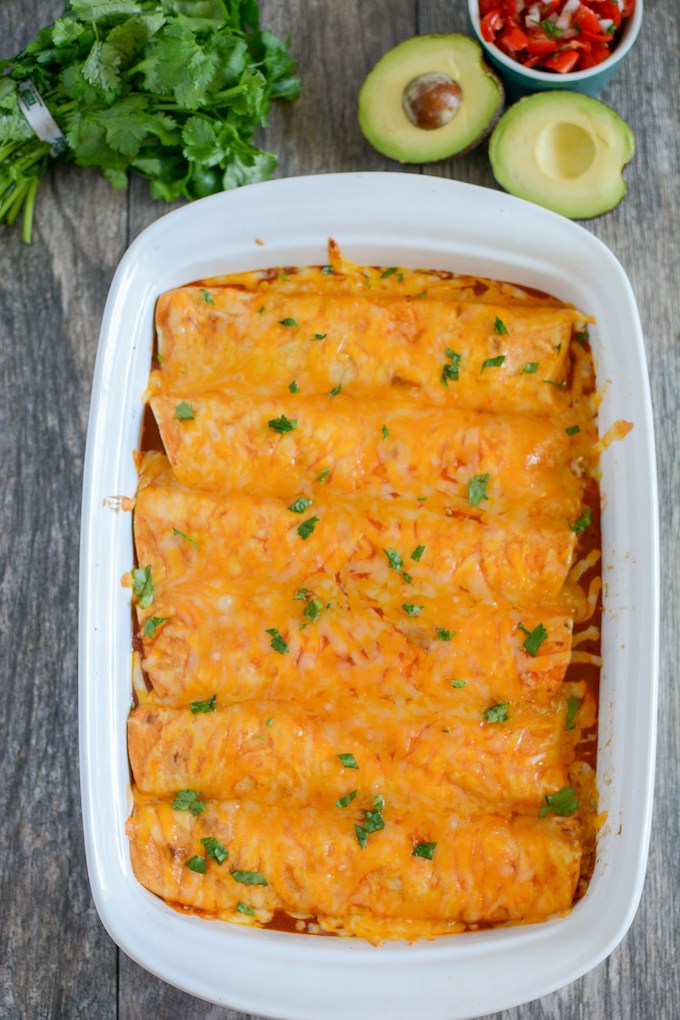
Second, the placement of the sauce is critical. By eliminating a heavy layer of sauce on the base of the baking dish and instead using a light coating of cooking spray, the cook reduces the total surface area exposed to liquid, thereby maintaining the crispness of the tortilla’s underside.
The Rise of the Casserole Format
The "enchilada casserole," or "stacked enchiladas," has emerged as an efficient alternative to the traditional rolled method. By layering the tortillas like a lasagna—sauce, tortilla, protein, cheese—the cook saves considerable time and ensures an even distribution of ingredients. This method is particularly conducive to large-scale meal preparation. Data from meal-kit delivery services indicates that "casserole-style" variations are increasingly popular among families with children, as they simplify the serving process and allow for easier portion control.
Broader Nutritional Implications and Public Health
The broader impact of these modifications suggests a positive trend in home-cooking habits. When households opt for high-protein, fiber-dense meals, they are less likely to rely on ultra-processed, high-sodium convenience foods. The transition from fat-heavy dairy to high-protein alternatives like Greek yogurt is a simple, actionable step that aligns with broader public health initiatives aimed at reducing the prevalence of cardiovascular disease and metabolic syndrome.
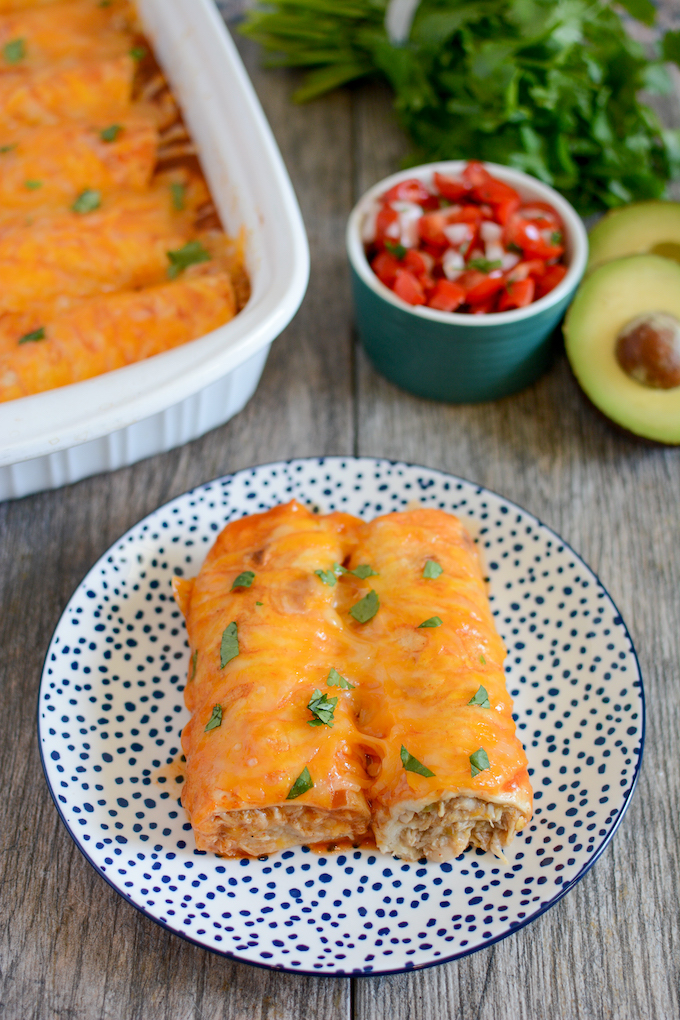
Moreover, the versatility of the chicken enchilada allows for the incorporation of hidden vegetables. Finely chopped spinach, bell peppers, or onions can be added to the chicken-and-bean mixture without altering the flavor profile significantly, further increasing the micronutrient density of the meal. This strategy is frequently recommended by registered dietitians as a means of increasing the daily intake of vitamins A, C, and K, as well as essential minerals like iron and magnesium.
Long-Term Storage and Meal Planning
For the time-constrained consumer, the ability to freeze and reheat meals is a major logistical benefit. Unlike many cream-based pasta dishes, which often suffer from textural breakdown upon reheating, the starch-and-protein structure of a well-made chicken enchilada is highly resilient. When stored properly, these meals can maintain their quality in a freezer for up to three months. To achieve the best results, experts recommend assembling the enchiladas, freezing them prior to the final bake, and then increasing the cooking time by 15–20 minutes when preparing them from a frozen state.
Conclusion
The evolution of the chicken enchilada from a heavy, indulgent comfort food to a protein-packed, nutrient-dense weeknight staple illustrates the capacity for traditional recipes to adapt to the needs of the modern consumer. By prioritizing ingredient quality, utilizing simple structural techniques to improve texture, and embracing the convenience of pantry staples, home cooks can maintain a connection to culinary tradition while adhering to contemporary health standards. As the culinary landscape continues to favor efficiency and nutrition, such dishes serve as a model for sustainable, health-forward meal planning in the domestic environment.
Related posts: