The Rise of the Easy Sprinkle Sugar Cookie: How a Classic Family Recipe Became a Culinary Phenomenon

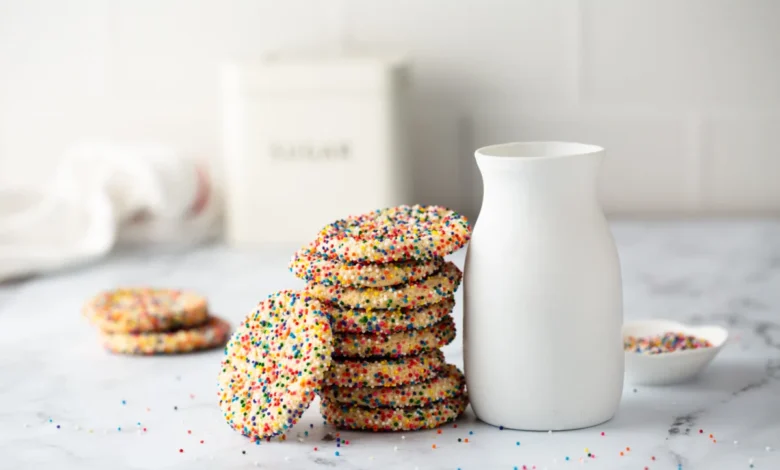
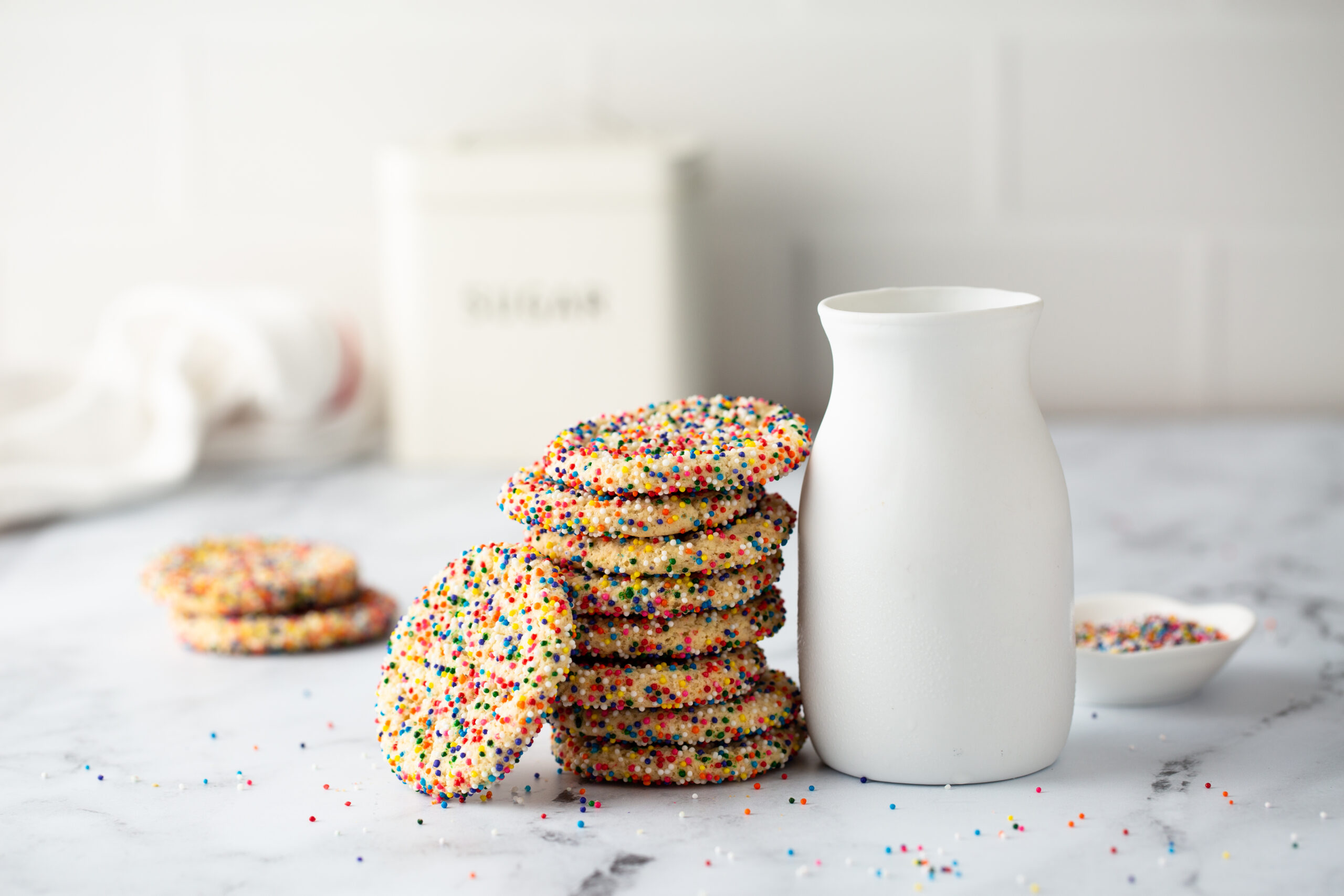
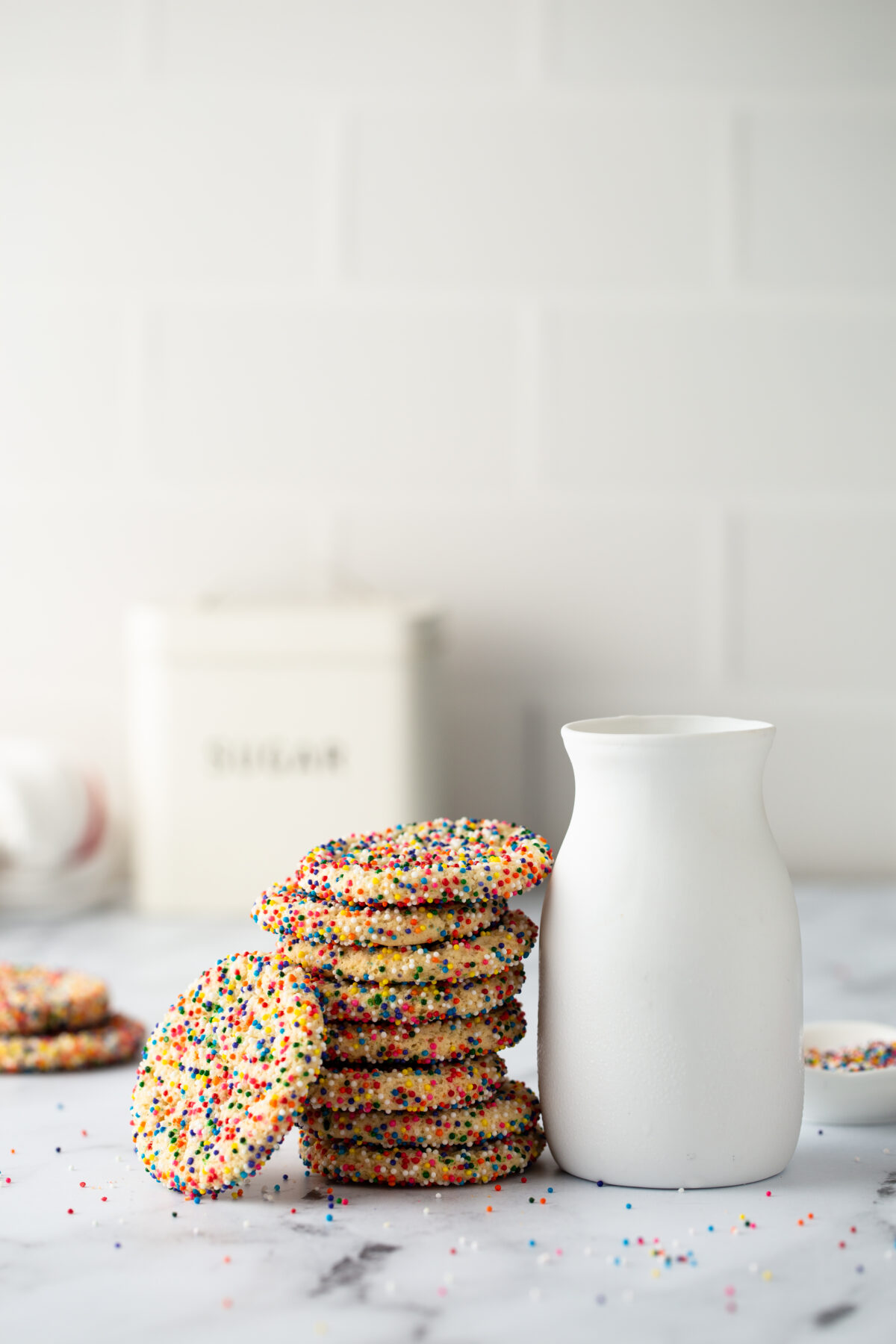
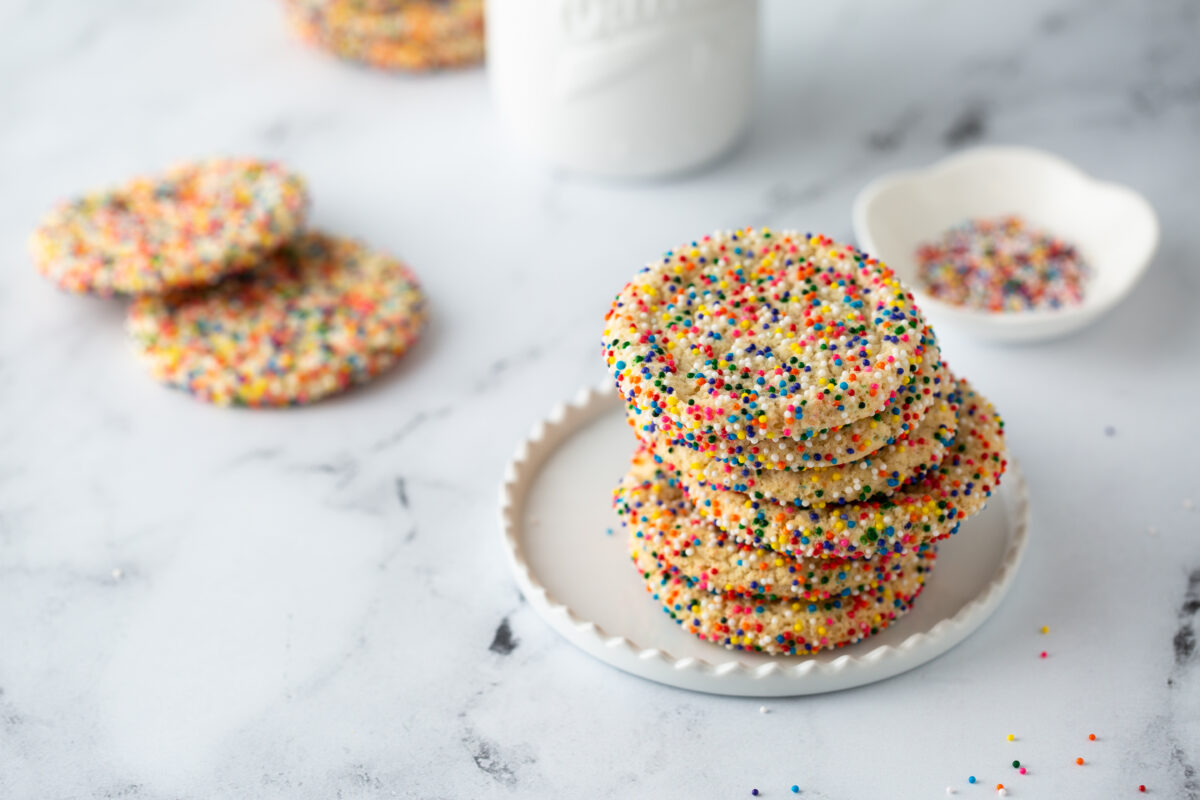
In the modern culinary landscape, the intersection of comfort baking and visual appeal has driven a significant shift in home kitchens across North America. Among the primary beneficiaries of this trend is the humble sprinkle sugar cookie, a staple of family gatherings, school bake sales, and seasonal celebrations. Culinary historians and baking industry analysts point to a renewed consumer interest in simplified, nostalgic comfort foods that require minimal post-baking assembly. Unlike complex royal-icing-decorated sugar cookies that demand specialized piping skills and hours of drying time, the contemporary iteration of the sprinkle sugar cookie bypasses post-bake decorating entirely. By rolling dough balls in vibrantly colored jimmies prior to baking, home bakers can achieve a bakery-quality aesthetic with basic pantry staples in under an hour.
Background Context and Evolution of the Recipe
The evolution of the sugar cookie dates back centuries, tracing roots to European butter biscuits and early American settlers who valued baked goods for their longevity and shelf stability. Over the decades, commercial innovations—specifically the mass production of shelf-stable confectionery toppings like jimmies and nonpareils—transformed the plain sugar cookie into a canvas for celebratory expression.
Historically, decorating holiday or birthday sugar cookies required the separate preparation of royal icing or buttercream, followed by meticulous hand-piping and individual application of sprinkles. This labor-intensive process often discouraged novice bakers and busy parents from undertaking baking projects during high-stress holiday periods or weeknight evenings.
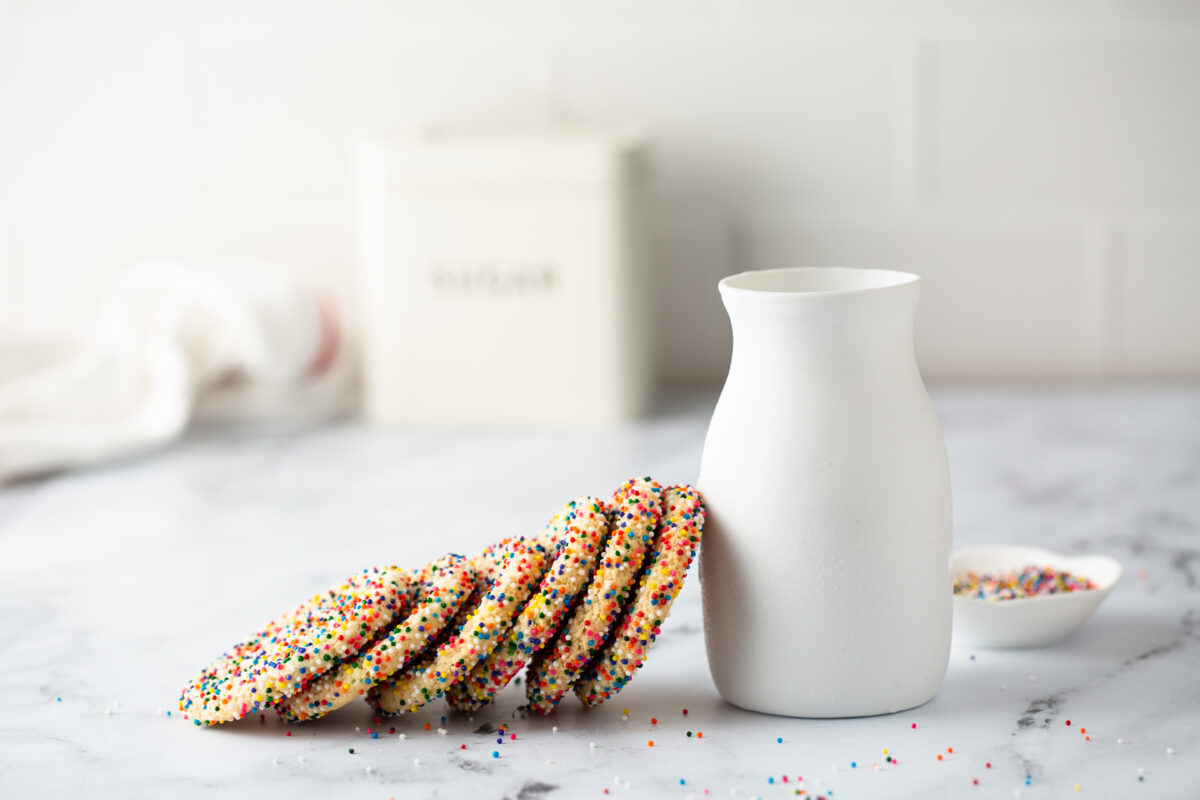
The breakthrough of the pre-roll technique—coating the raw dough ball entirely in sprinkles before thermal exposure—streamlined the process. Culinary experts note that this method allows the sugar and fat in the dough to meld directly with the confectionery coating during the baking process, creating a distinct outer crunch while preserving a tender, buttery interior. This structural shift has democratized home baking, making sophisticated-looking confections accessible to participants of all skill levels, particularly young children.
Chronology of a Family-Friendly Baking Project
The preparation timeline of these confections is specifically calibrated for efficiency, fitting neatly into contemporary schedules. The complete lifecycle from preparation to consumption spans approximately 55 minutes, structured around specific thermodynamic requirements:
- Preparation Phase (15 minutes): The process begins with the creaming of softened, non-melted butter and sugar, followed by the incorporation of basic binding and leavening agents. The flour must be measured precisely using the spoon-and-level method to prevent structural dryness.
- The Chilling Interval (30 minutes): Crucial to the integrity of the cookie, the dough is refrigerated for half an hour. Food scientists explain that this pause allows the dairy fats within the butter to resolidify. Introducing warm dough directly into a preheated oven causes the lipids to melt too rapidly, resulting in excessive flattening and a brittle texture.
- The Coating Stage (Integrated into prep): Dough is portioned into uniform balls and rolled gently in a shallow dish filled with jimmies. The mild warmth of the room-aged dough allows the exterior surface to act as an adhesive for the sprinkles without requiring artificial glues or egg washes.
- Baking Cycle (10 minutes): Placed on parchment-lined baking sheets, the cookies undergo a brief thermal cycle. Optimal extraction occurs when the perimeter is set while the center retains a slight underbaked softness, which hardens to perfection during the resting phase on the hot pan.
Supporting Data and Technical Baking Parameters
Nutritional and culinary researchers emphasize that the chemistry of baking relies heavily on ingredient states and precise execution. When evaluating the success of a batch of sprinkle sugar cookies, professional pastry chefs highlight several empirical guidelines:
- Butter Temperature: The fat must be pliable—yielding to gentle finger pressure—while remaining structurally sound. Fully melted butter compromises the emulsion of the dough, leading to a greasy mouthfeel and improper spread.
- Flour Ratios: Excessive flour remains the leading cause of dry, crumbly sugar cookies. Industrial standards recommend aerating flour before measuring to avoid packing dense quantities into standard cups.
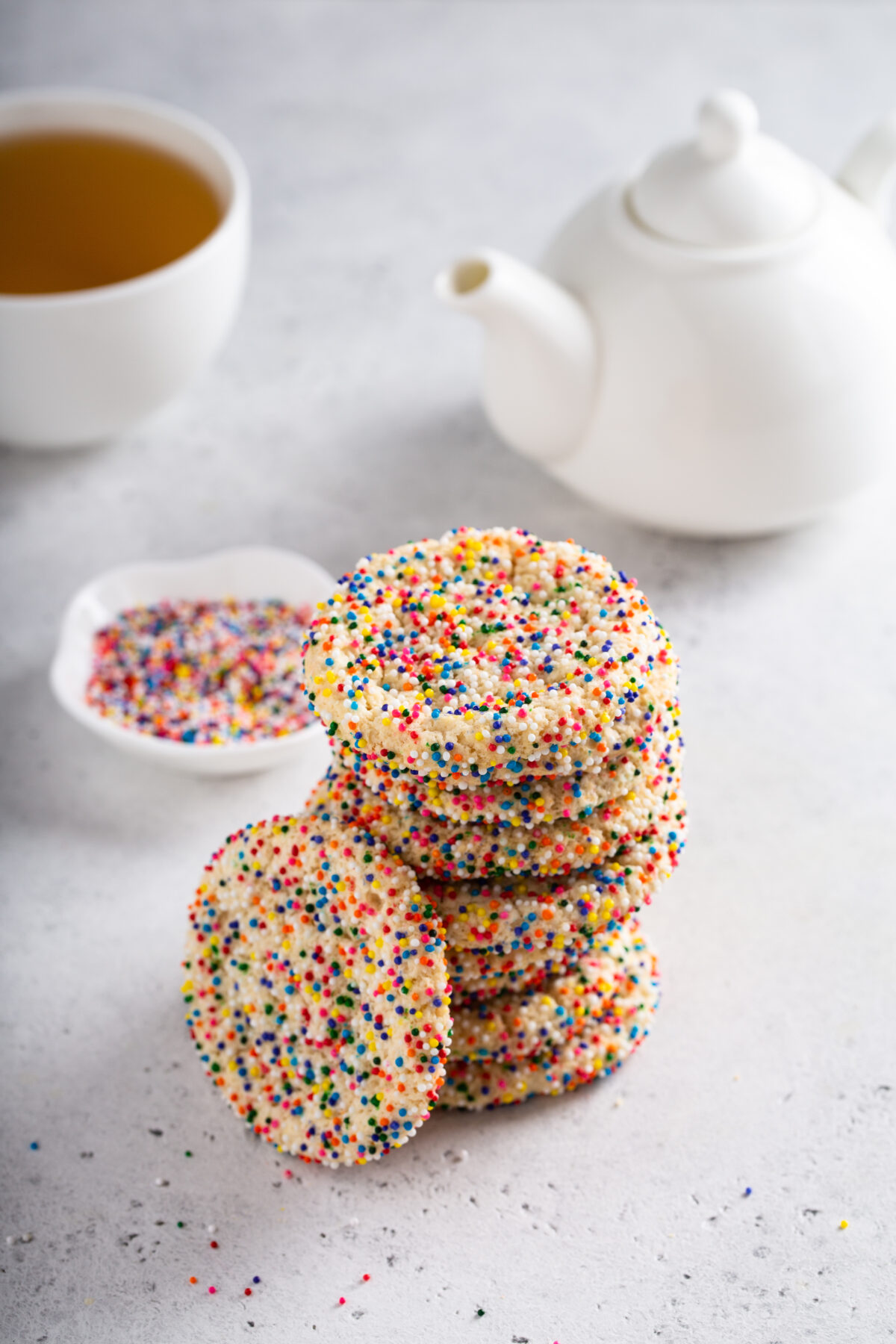
- Sprinkles Selection: Confectionery data indicates that "jimmies"—the elongated, soft sugar cylinders traditionally used on ice cream—perform superiorly under oven heat compared to spherical nonpareils or hard sanding sugars. Jimmies maintain their vibrant synthetic or natural food dyes without excessive bleeding into the surrounding crumb, and they withstand high temperatures without dissolving into unappealing liquid pools.
Industry Statements and Consumer Trends
Retail data from major grocery chains and baking supply manufacturers indicate a steady year-round demand for rainbow and seasonal jimmies, defying the historical notion that decorative sprinkles are strictly seasonal items for winter holidays or summer festivities.
"Consumers today are looking for high-reward, low-friction kitchen projects," notes a consumer insights report published by a prominent culinary trade association. "The modern household values efficiency. When a recipe delivers high visual impact—such as a bright, multi-colored bakery finish—without demanding advanced confectionery skills or extensive cleanup, it naturally gains widespread traction."
Furthermore, child development specialists and family nutrition advocates endorse interactive baking projects as a valuable tool for early childhood education. Measuring ingredients, rolling dough balls, and applying coatings enhance motor skills, spatial awareness, and cooperative play within family environments. The tactile nature of rolling dough in sprinkles offers sensory engagement that screen-based entertainment cannot replicate.
Broader Impact and Economic Implications
The sustained popularity of simple, pantry-staple baking projects reflects broader economic and cultural trends. Amid fluctuating grocery costs and economic caution, consumers frequently pivot toward scratch-made comfort foods as an affordable form of household entertainment and stress relief. Basic ingredients such as flour, sugar, butter, and eggs represent cost-effective inputs compared to pre-packaged bakery goods or specialty dessert outings.
Additionally, the adaptability of the core sugar cookie dough provides economic versatility. By modifying minor components—such as substituting a fraction of the flour for cocoa powder, incorporating citrus zest, or altering the color palette of the jimmies—home bakers can effortlessly transition a single foundational recipe across multiple cultural celebrations, from Halloween and the winter holidays to birthdays and national commemorations.
Storage, Preservation, and Commercial Scalability
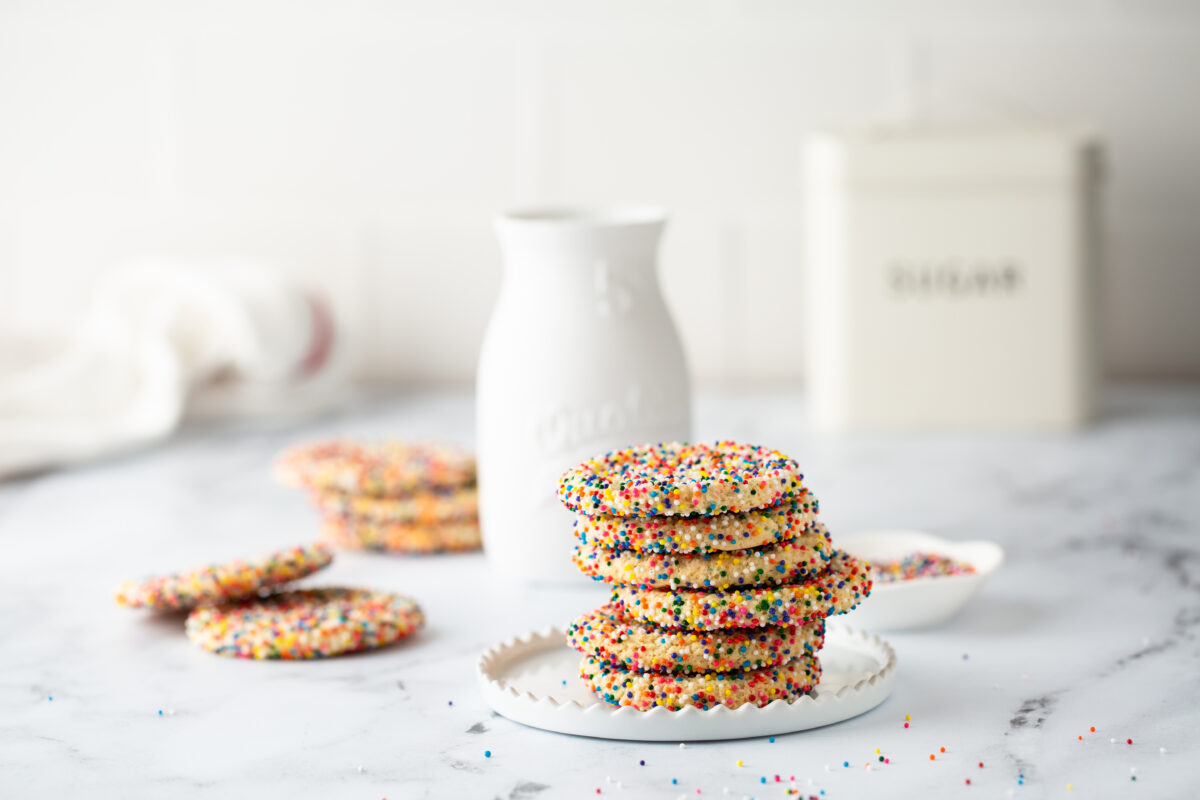
To maintain quality over extended periods, adherence to strict preservation protocols is necessary. Baked cookies stored in airtight containers at ambient room temperature retain optimal moisture for up to five days. For long-term preservation, both baked goods and unbaked dough balls can be frozen for up to three months. Freezing unbaked, sprinkle-coated dough balls allows consumers to bypass the preparation phase entirely, enabling the immediate production of fresh-baked goods on demand.
Ultimately, the enduring appeal of the sprinkle sugar cookie lies in its successful synthesis of sensory pleasure, historical familiarity, and operational simplicity. As home baking continues to evolve alongside modern lifestyle demands, recipes that prioritize efficiency without sacrificing aesthetic or gustatory standards remain foundational to domestic culinary traditions.