The Rise of One-Pan Culinary Solutions in Modern Home Cooking: The Chicken Taco Pasta Phenomenon

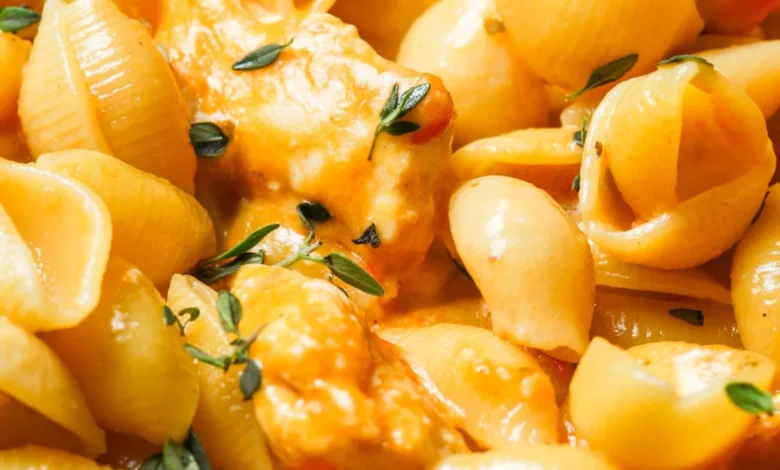
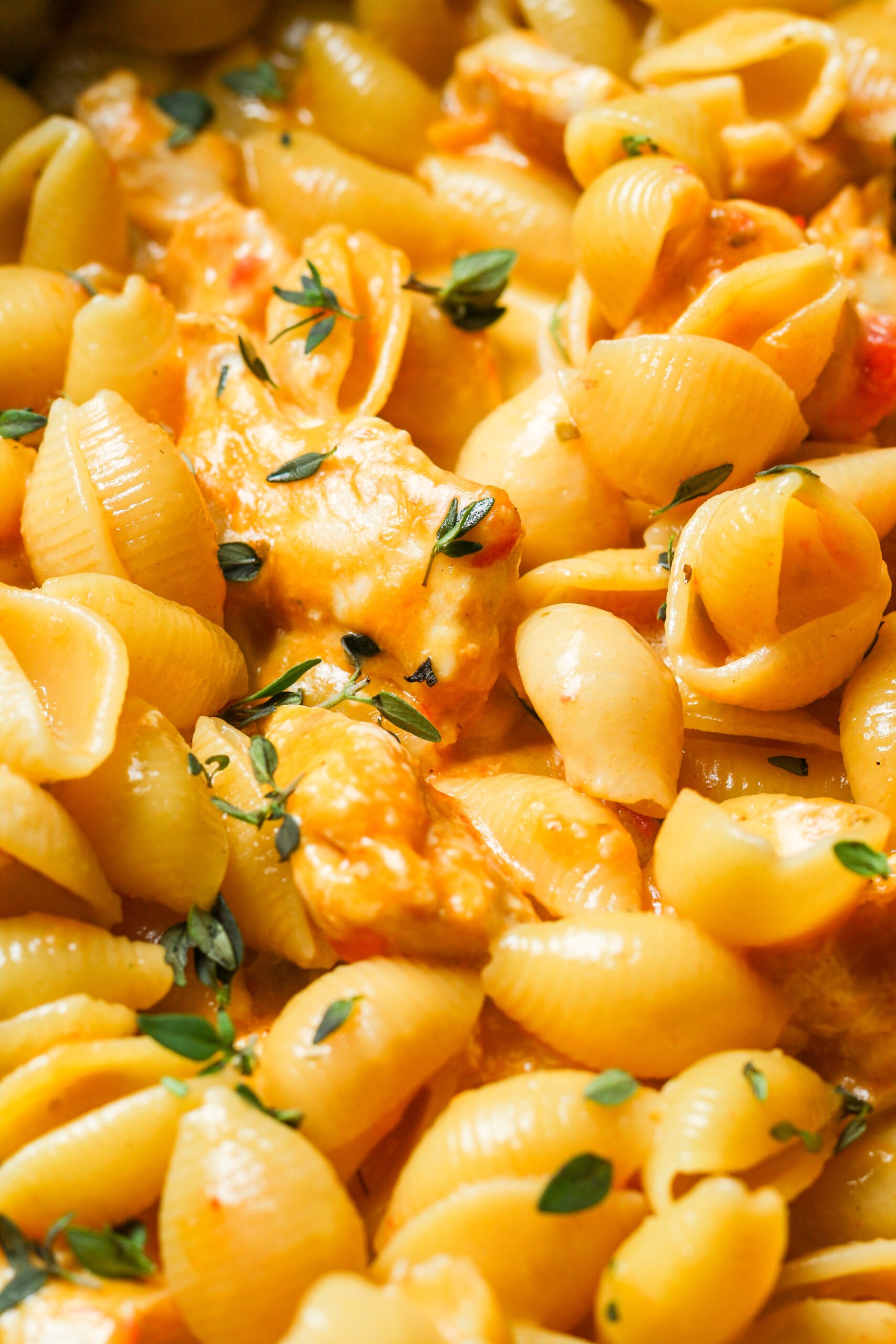
The evolution of contemporary home cooking has been defined by a decisive shift toward efficiency, minimalism, and the integration of diverse flavor profiles. In recent years, the concept of the "one-pan meal" has transitioned from a niche kitchen hack to a dominant trend in domestic culinary practices. Central to this movement is the emergence of fusion dishes that combine comfort food staples with global flavor influences, as exemplified by the increasing popularity of Chicken Taco Pasta. This dish, which synthesizes the zesty, high-acid profile of Mexican-inspired taco seasoning with the heavy, starch-based comfort of Italian pasta, reflects broader socioeconomic trends where time-pressed households prioritize convenience without sacrificing sensory satisfaction.
The Chronology of Convenience Cooking
The trajectory of the one-pan meal can be traced back to the early 2010s, though its acceleration occurred during the global pandemic of 2020. With households sequestered and traditional grocery supply chains disrupted, consumers sought recipes that utilized pantry staples—canned tomatoes, dried pasta, and shelf-stable proteins—in a manner that minimized cleanup and maximized volume.
The Chicken Taco Pasta, specifically, emerged as a logical iteration of the "taco night" staple. Historically, taco nights required multiple vessels: one for the protein, one for the tortillas, and various bowls for toppings. By condensing these elements into a singular skillet, home cooks achieved a significant reduction in preparation and post-meal labor. Industry data from 2023 indicates that "one-pot" and "one-pan" search queries have increased by 42% compared to pre-2020 metrics, signaling a permanent change in consumer behavior toward streamlined cooking.
Anatomy of the Dish: A Technical Breakdown
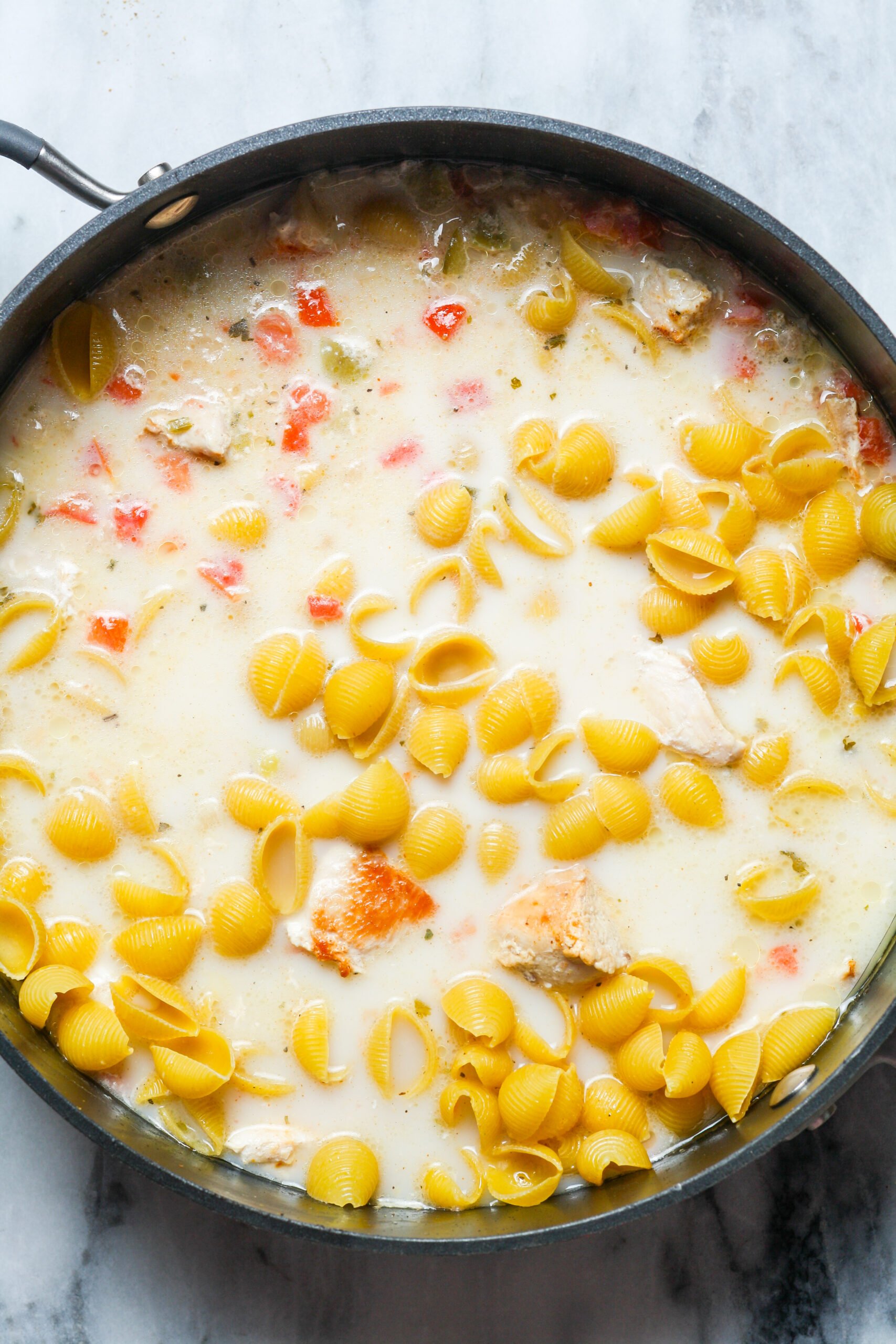
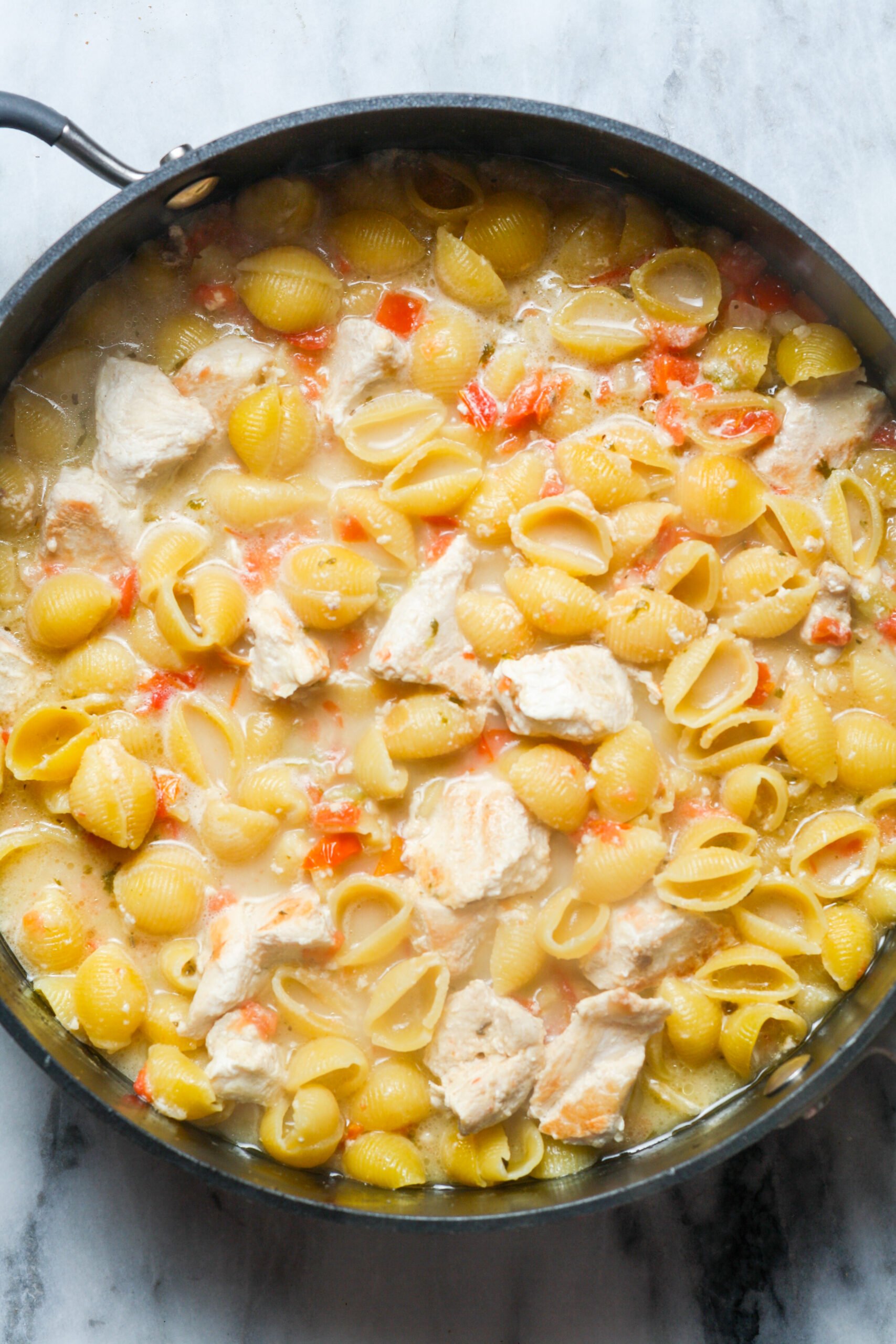
From a culinary engineering perspective, the dish relies on the precise management of liquid-to-starch ratios. Unlike traditional pasta preparation, which necessitates a separate boiling vessel, this method utilizes the "absorption method." In this process, the pasta is cooked directly within the seasoned liquid—typically a mixture of chicken broth and milk or cream.
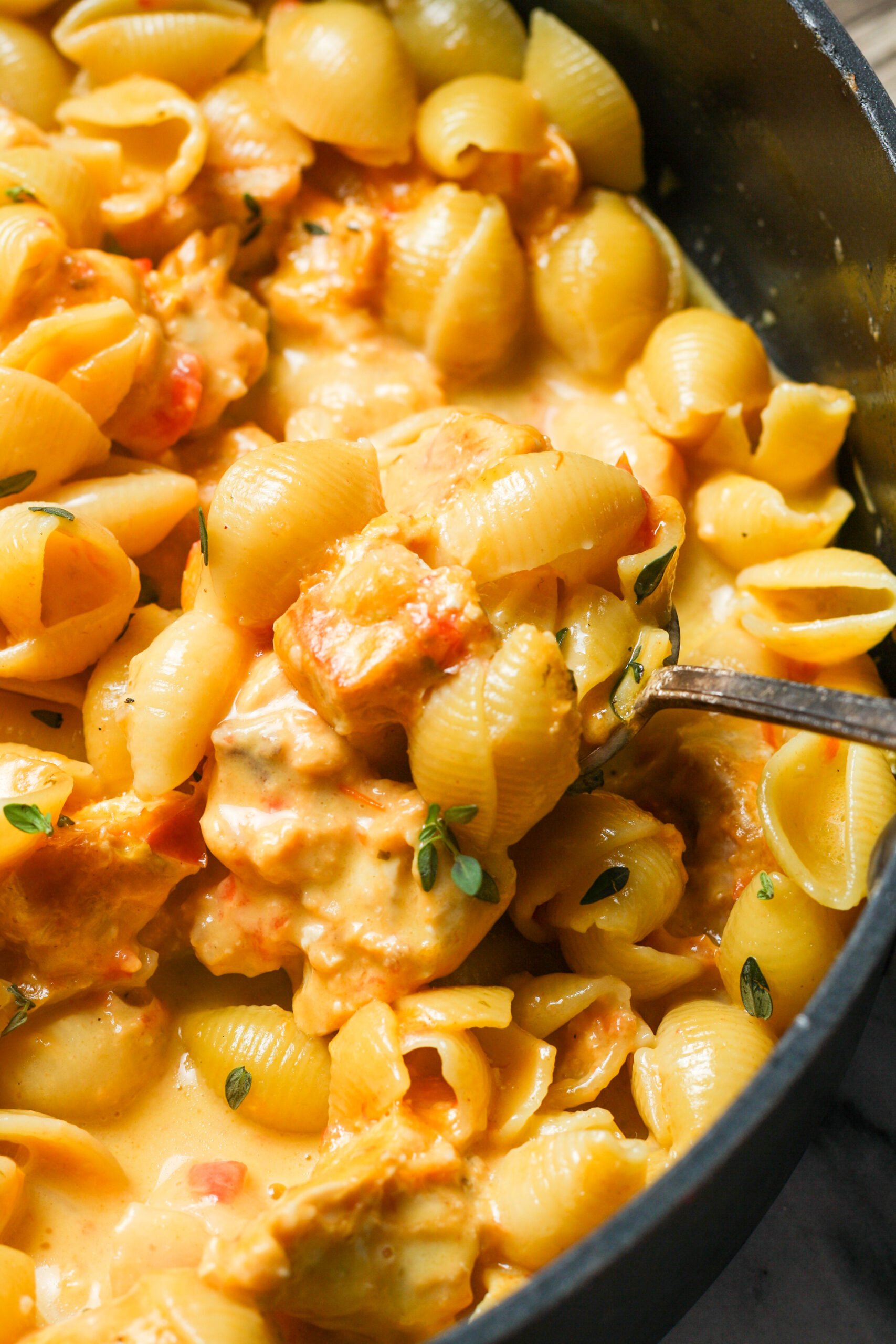
This technique is not merely a shortcut; it is a chemical process that alters the final texture of the dish. As the pasta shells release starch into the broth, the liquid naturally emulsifies, creating a thick, velvety sauce that binds to the protein. The addition of shredded cheese—typically a mild, high-melt variety like Monterey Jack or sharp cheddar—further stabilizes this emulsion.
The primary components are as follows:
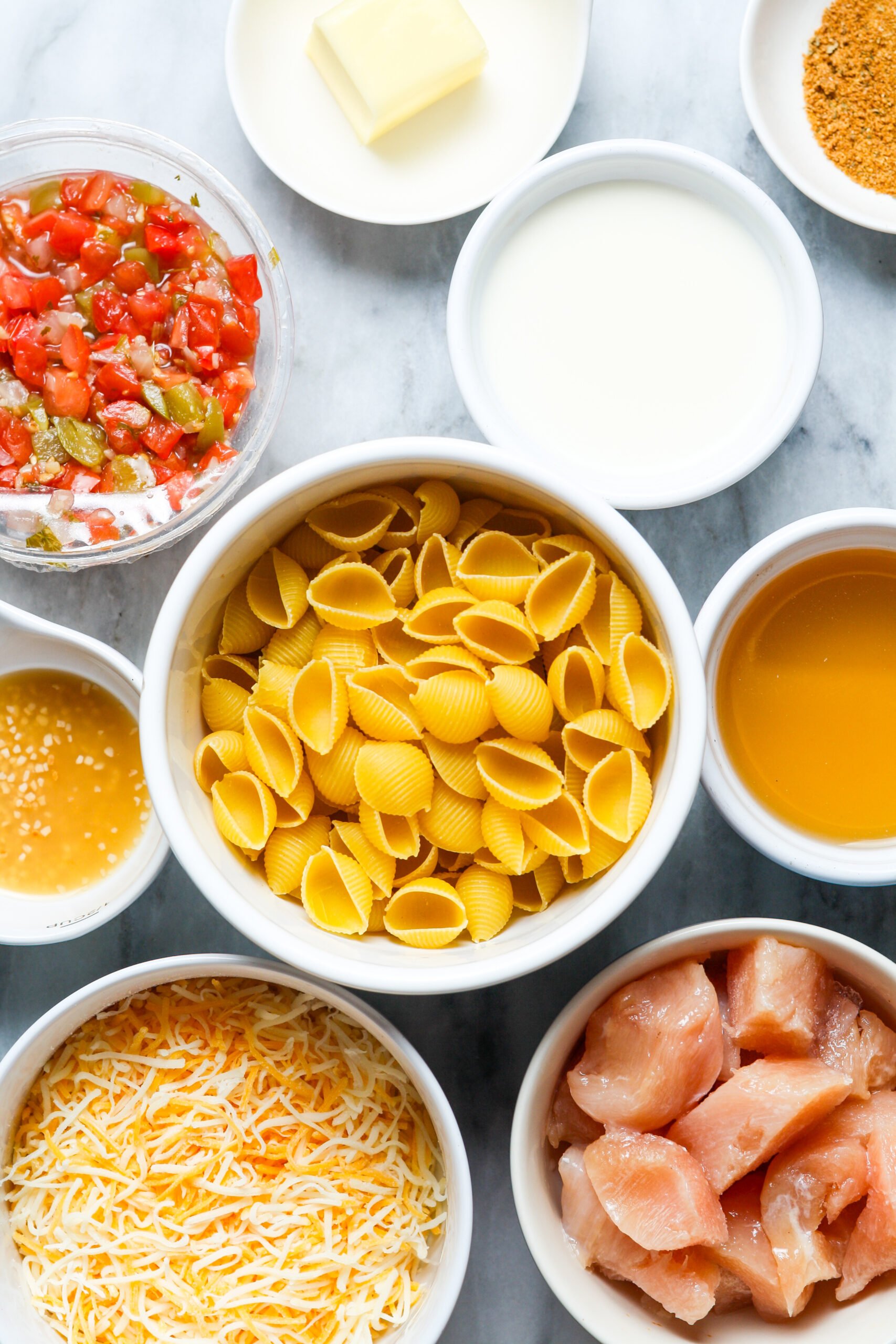
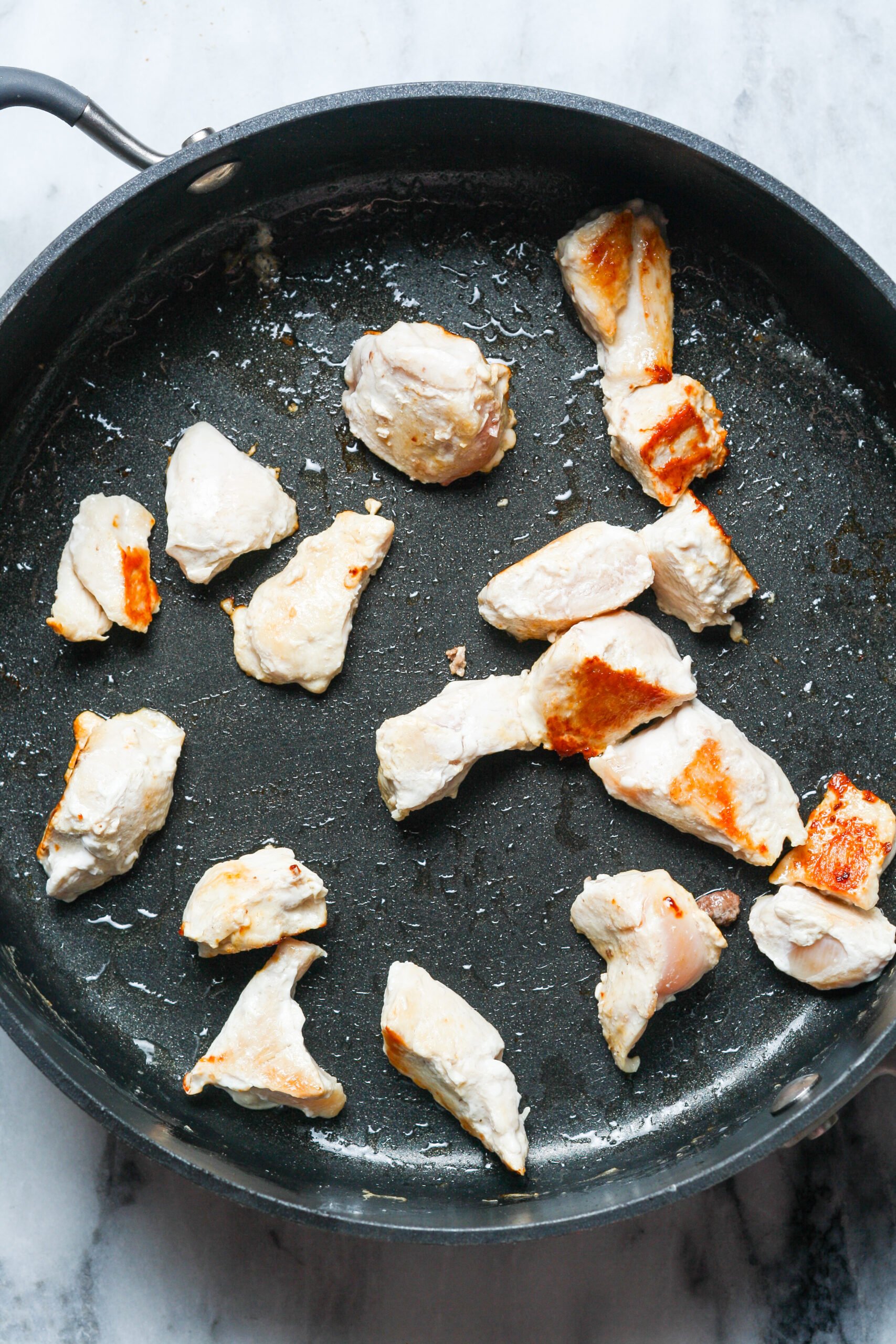
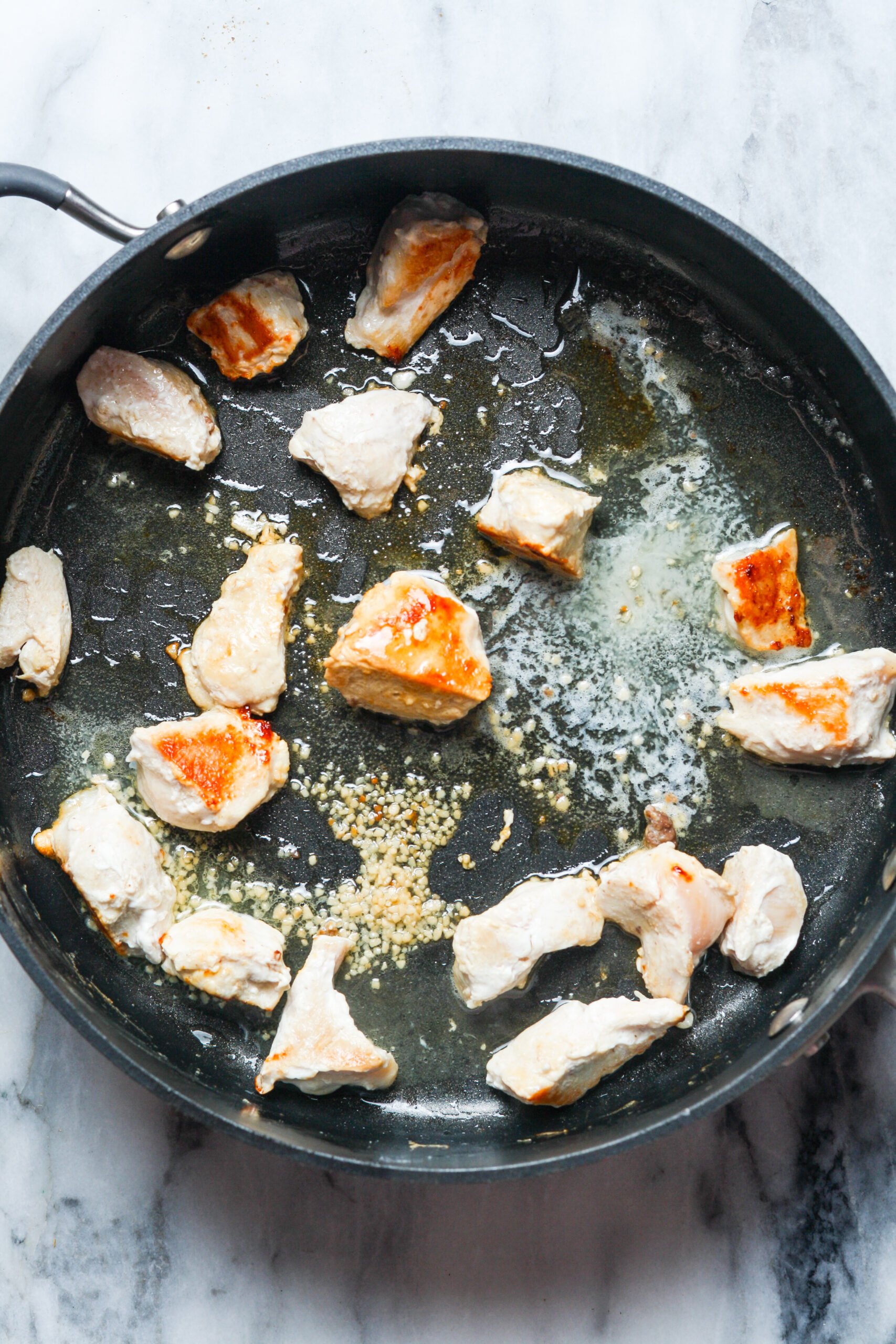
- Protein Base: Boneless, skinless chicken breast or thigh, cubed to uniform 1-inch dimensions to ensure even thermal conductivity.
- The Emulsifier: A combination of whole milk and chicken stock, which provides the necessary hydration to rehydrate the pasta while maintaining a rich mouthfeel.
- The Flavor Profile: A standardized taco seasoning blend consisting of chili powder, cumin, garlic powder, and paprika, supplemented by acidic elements such as canned diced tomatoes or salsa to cut through the fat content.
Supporting Data and Consumer Trends
Market research conducted by the National Restaurant Association and supplemented by home-cooking demographic surveys reveals that the average American household now spends less than 45 minutes on daily meal preparation. The demand for "low-touch" recipes has created a robust market for educational content surrounding these dishes.
Furthermore, the nutritional profile of such meals has become a focal point of public discourse. While traditional pasta-based dishes are often criticized for their glycemic index, the integration of high-protein chicken and the optional inclusion of fiber-rich additions like black beans or corn serves to balance the macronutrient profile. Nutritionists have noted that while the dish is calorie-dense, the ability to control portion sizes and ingredients at home makes it a healthier alternative to pre-packaged or takeout "convenience foods," which are often laden with sodium and preservatives.
Professional Perspectives on Culinary Minimalism
Food historians and industry analysts suggest that the rise of this specific type of recipe is indicative of the "democratization of flavor." Chef Marcus Thorne, a consultant for mid-market culinary startups, notes that the success of these recipes lies in their accessibility. "The home cook is no longer limited by the strict adherence to regional authenticity," Thorne states. "The modern palate is adventurous. By combining the familiar comfort of a cheese-based pasta with the vibrant, bold spices of a taco, we see a fusion that feels both nostalgic and novel. The one-pan format is simply the delivery mechanism for a busy, modern lifestyle."
Sociologists observing this trend point to the "cognitive load" reduction as a primary driver. For working parents and busy professionals, the mental energy required to coordinate multiple cooking times and cleanup phases is a significant barrier to home cooking. By eliminating the complexity, the recipe lowers the entry barrier, effectively discouraging reliance on ultra-processed delivery services.
Broader Economic and Environmental Implications
The environmental impact of such recipes is also being examined. The reduction in water usage—by eliminating the need for a separate pasta-boiling pot—is a marginal but cumulative benefit when applied to millions of households. Additionally, the ability to use "leftover" ingredients (such as half-jars of salsa or open bags of frozen vegetables) helps reduce domestic food waste, which remains a significant challenge in developed nations.
Economic analysis shows that one-pan pasta dishes are consistently among the most cost-effective dinner options. With inflation impacting the price of animal proteins, recipes that stretch a single pound of chicken breast to feed a family of four, while filling the plate with affordable carbohydrates, are gaining favor among budget-conscious consumers. The scalability of the recipe is such that it can be adjusted for varying household sizes without requiring additional equipment, further reinforcing its utility in a fluctuating economy.
Challenges and Future Trajectory
Despite its popularity, the method is not without its critics. Traditionalists argue that the absorption method compromises the "al dente" texture of the pasta, as the timing of the starch hydration can be unpredictable. There is also the concern of "sauce breakage" if the dairy components are introduced at too high a heat. However, instructional media—ranging from detailed blog tutorials to short-form social media videos—have provided extensive troubleshooting guides, ensuring that even novice cooks can achieve consistent results.
The future of the Chicken Taco Pasta suggests a continued refinement of the "one-pan" category. We are already seeing the emergence of "set-and-forget" variations utilizing slow cookers and multi-cooker appliances. As technology in the kitchen advances, the focus will likely shift toward further reducing preparation time, perhaps through the use of pre-diced proteins and pre-mixed, low-sodium seasoning kits.
Conclusion
The Chicken Taco Pasta is more than a fleeting internet trend; it is a manifestation of the modern intersection between culinary creativity and practical necessity. By stripping away the unnecessary complexity of traditional cooking methods and embracing the fusion of diverse, bold flavors, the dish provides a solution to the perennial question of "what’s for dinner." As the landscape of home cooking continues to evolve, the success of this dish serves as a blueprint for future culinary developments: keep it simple, keep it flavorful, and above all, keep it manageable. The transition of this dish from a creative experiment to a standard weeknight staple is a testament to the fact that when efficiency meets high flavor, the home kitchen remains the most vital room in the house.