Raising Adventurous Eaters: A Dietitian-Mom’s Research-Backed Strategies for Early Childhood Nutrition

The journey of nurturing a healthy eater often begins with parental aspirations, sometimes born from observing friends’ struggles with picky toddlers or from personal vows to do things differently with their own children. For expectant and new parents, the first two years of a child’s life represent a critical, yet often overlooked, window of opportunity to cultivate a lifelong positive relationship with food. A registered dietitian and mother of two, has shared a comprehensive set of research-backed strategies, honed through both professional expertise and personal experience, that can significantly influence a child’s taste preferences and eating habits from infancy through adulthood.
The foundational principle emphasized is that while it is never too late to instill healthy eating habits, establishing a positive trajectory from the outset with a baby or toddler offers a distinct advantage. This proactive approach, grounded in scientific understanding of early childhood development and nutrition, can help prevent common feeding challenges and foster confident, even adventurous, eaters. The strategies span from prenatal nutrition to the toddler years, offering actionable advice for parents navigating this crucial developmental period.
The Critical First Two Years: Shaping Lifelong Palates
The period from pregnancy through a child’s second year is scientifically recognized as a sensitive and pivotal phase for shaping food preferences. During this time, infants and toddlers are highly receptive to new tastes and textures, making it an opportune moment to introduce a diverse range of healthy foods. This early exposure can build familiarity and preference, influencing dietary choices for years to come.
A key concept highlighted is the "Flavor Window," a period roughly between four and eighteen months of age. During this window, infants are particularly open to exploring a wide variety of flavors. Introducing diverse foods and tastes during this critical phase has been shown to make children more amenable to new foods as they grow. This period is not merely about filling a nutritional need; it’s about laying the groundwork for a robust and varied palate.

Prenatal Influence: The First Taste of Nutrition
The influence of a mother’s diet begins even before birth. Through amniotic fluid, a fetus is exposed to the flavors of the foods the mother consumes. Research indicates that babies may exhibit a greater acceptance of flavors they have previously encountered in the womb.
A notable study demonstrated this effect by having pregnant mothers consume carrot juice during the last trimester or the first two months of breastfeeding. Their infants, upon introduction to solid foods, showed a greater preference for carrots and fewer negative reactions compared to infants whose mothers consumed water. This suggests that a diverse prenatal diet can prime a baby’s palate for a wider range of flavors upon starting solids.
However, the dietitian-mom acknowledges the realities of pregnancy, particularly severe nausea and vomiting. She emphasizes that this advice is aspirational and not a cause for guilt. In cases of extreme morning sickness, the focus should remain on maternal well-being, with the goal of variety being a secondary consideration when possible.
The Introduction to Solids: Building a Foundation of Familiarity
The adage "food before one is just for fun" is outdated, according to current research. The way babies experience the introduction to solid foods has a tangible impact on their future eating habits. Every new flavor introduced, beyond breast milk or formula, is a novel experience for a baby. This stage is therefore crucial for building familiarity with the tastes of healthy foods. Repetition is key; repeated exposure to a food, both visually and through tasting, can transform novelty into familiarity, and familiarity often leads to preference.
Baby-Led Weaning: Empowering Self-Feeding
Baby-led weaning (BLW) is presented as a method that can foster greater acceptance of diverse foods. In BLW, babies are offered "grasp-able" pieces of whole foods to feed themselves. This approach encourages infants to explore textures and develop fine motor skills associated with eating. Foods suitable for BLW include well-cooked wedges of sweet potato, large sticks of cooked carrot, soft steamed broccoli florets, ripe fruits like kiwi or banana, avocado wedges, and even small pieces of soft-cooked meats or eggs, and toast strips.

A core tenet of BLW is that the parent offers the food, but the baby controls the pace and quantity of consumption. By engaging with a variety of textures and table foods from an early age, babies may become more accepting of different food consistencies and types as they mature. This can lead to a preference for whole foods, particularly fruits and vegetables, over pureed options. Research on BLW suggests potential long-term benefits in promoting adventurous eating habits.
Navigating Early Taste Reactions: The Grimace Factor
The initial reactions of infants to new foods, particularly bitter flavors like those found in some vegetables, can be characterized by grimacing. It is crucial for parents to understand that this facial expression does not necessarily equate to dislike or a permanent aversion. Grimacing is a common physiological response to bitterness, and infants may continue to eat a food despite this reaction.
If a baby genuinely rejects a food, the advice is to simply try again on another day. Persistence, without pressure, is key to developing acceptance.
The Power of Repetition: Introducing Foods Multiple Times
Scientific evidence indicates that babies may need to taste a particular fruit or vegetable eight to nine times before developing a liking for it. Conversely, many parents tend to give up after only three to five attempts if their child shows initial disinterest. This repeated exposure is vital for building familiarity and comfort, which are precursors to preference.
To effectively track exposure, parents are encouraged to keep a log of the foods their baby has tried and the number of times they have been offered. This systematic approach ensures that foods are revisited sufficiently, providing ample opportunity for the child to develop an appetite for them.

Transitioning Textures: Beyond Smooth Purees
Sticking to exclusively smooth purees for extended periods can hinder a child’s transition to varied food textures. Studies have shown that children who were introduced to lumpy solids later in infancy (after nine months) tended to consume a narrower range of foods and experienced more feeding difficulties compared to those who were exposed to lumpier textures earlier.
A gradual progression through textures – from smooth purees to lumpier consistencies and then to soft finger foods – is essential for helping babies become comfortable with the diverse sensory experiences of food in their mouths. This developmental approach can prevent texture-related feeding issues later on.
The Toddler Years: Maintaining Momentum and Respecting Independence
The toddler years, typically from ages one to three, often present new challenges in the realm of eating habits. Following the initial enthusiasm of starting solids, many children begin to consume fewer fruits and vegetables, show a greater inclination towards sweets, and develop strong opinions about what they will and will not eat. Picky eating often peaks around age two, coinciding with a child’s burgeoning sense of independence.
The primary goal during these years is to maintain the healthy habits established in infancy and to persevere with exposure, even when progress seems slow. This requires patience and a consistent approach.
Consistent Exposure: Fruits and Vegetables at Every Opportunity
Serving a fruit or vegetable at most meals and snacks, even if the child does not consume it, is a crucial strategy for continued exposure. This consistent presence builds familiarity, which is a cornerstone of developing acceptance.

A practical tip for parents is to offer vegetables as a snack in the hour preceding dinner. At this time, children are often at their hungriest, making them more receptive to trying new foods. This strategy ensures that they have had some exposure to vegetables, regardless of their consumption at the main meal.
The Paradox of Pressure: "Backing Off" for Better Outcomes
One of the most counterintuitive yet powerfully supported findings in feeding research is that pressuring children to eat is ineffective and can be detrimental. Studies have consistently shown that children who are pressured to eat consume less food and express more negative sentiments about mealtimes. Furthermore, being told to eat something because it is "good for them" can paradoxically lead to a decreased liking for that food and reduced consumption.
Historical data from college students reveals that a significant majority (72%) who were forced to eat certain foods as children still refuse to eat those foods as adults. This highlights the long-term negative consequences of coercive feeding practices.
The alternative to pressure is to serve the food and, if pushback occurs, to use the phrase, "You don’t have to eat it." This simple statement can be remarkably effective by instantly removing the pressure from the mealtime dynamic. While it can be challenging for parents concerned about their child’s nutrition, this approach fosters a more positive and less adversarial relationship with food.
When Picky Eating Becomes a Concern: Seeking Professional Guidance
While a degree of pickiness is a normal developmental phase, certain signs may indicate that a child requires additional support. These include an extremely limited repertoire of accepted foods, weight loss or failure to gain weight appropriately, or significant anxiety surrounding mealtimes. If parents observe these indicators, consulting with a pediatrician is recommended. The pediatrician can provide referrals to specialized professionals, such as feeding therapists or registered dietitians, who can offer targeted interventions and support.
The Comprehensive Guide: Beyond the Initial Strategies
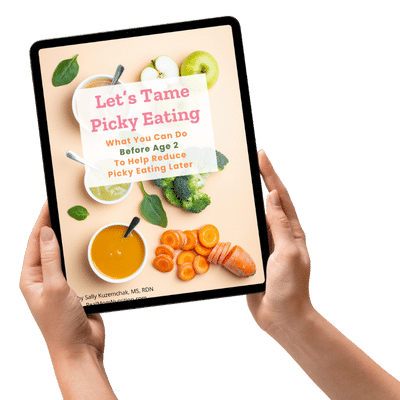
The strategies outlined provide a strong foundation for parents aiming to cultivate healthy eating habits in their children. For those seeking a more in-depth and comprehensive approach, a detailed guide titled "Let’s Tame Picky Eating" offers an expansion on these principles. This resource delves into twenty specific, research-backed strategies organized by developmental stage, from pregnancy through toddlerhood. It aims to provide parents with the knowledge and tools they need, addressing common parental concerns and offering solutions grounded in scientific evidence. The guide also includes a free audio file, catering to different learning preferences and busy parental schedules. This resource is presented as the essential companion for parents navigating the complexities of early childhood nutrition and feeding.