The culinary world often seeks dishes that offer both health benefits and broad appeal, particularly for casual dining occasions. In this pursuit, the Creamy Cucumber Salad emerges as a standout option, promising a delightful combination of textures and tastes. Its inherent simplicity belies its versatility, positioning it as a go-to accompaniment for a range of meals, from elaborate summer feasts to the everyday demands of weeknight cooking. The appeal is further amplified by its reputation as a crowd-pleaser, capable of satisfying palates of all ages.
The Allure of a Light and Creamy Dressing
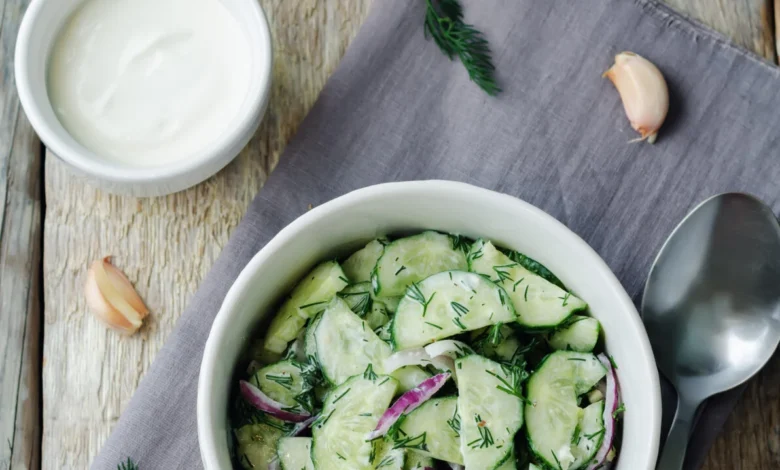
At the heart of this salad’s appeal is its dressing. Unlike traditional mayonnaise-based concoctions that can weigh down a dish, this creamy dressing leverages the natural tang and smooth texture of Greek yogurt. This substitution not only reduces the overall fat content but also introduces a layer of healthy probiotics, contributing to digestive well-being. The yogurt base provides a richness that is both satisfying and surprisingly light, a characteristic that is highly sought after in contemporary dietary trends emphasizing healthier alternatives. This approach aligns with a growing consumer demand for recipes that are both indulgent and health-conscious, offering a guilt-free way to enjoy familiar flavors. The slight zest, often derived from ingredients like lemon juice or vinegar, cuts through the creaminess, creating a dynamic flavor profile that awakens the palate.
A Foundation of Freshness and Simplicity
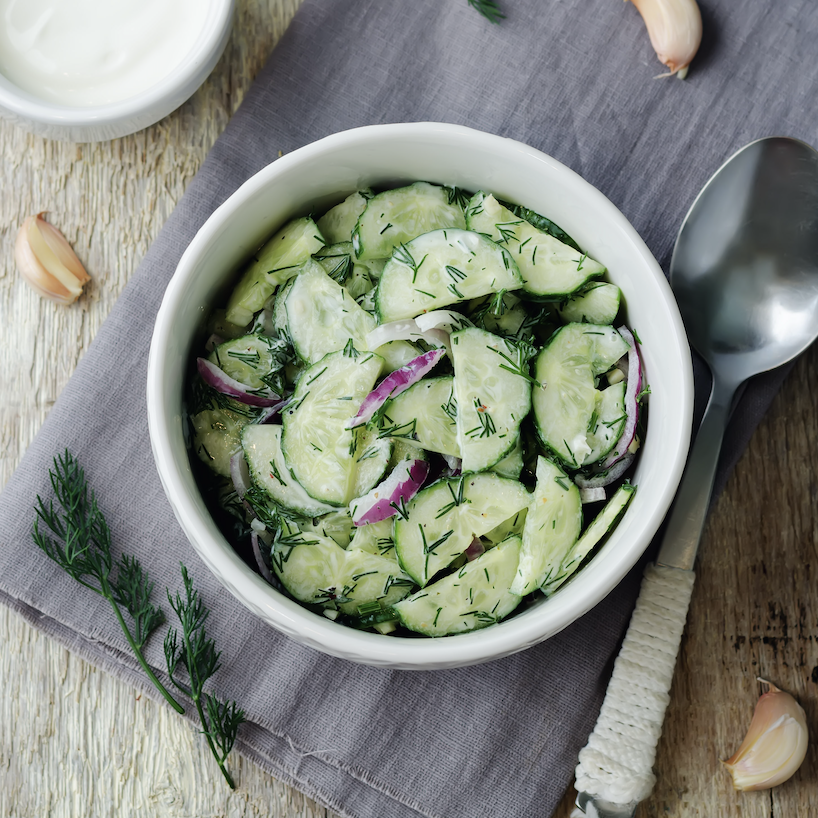
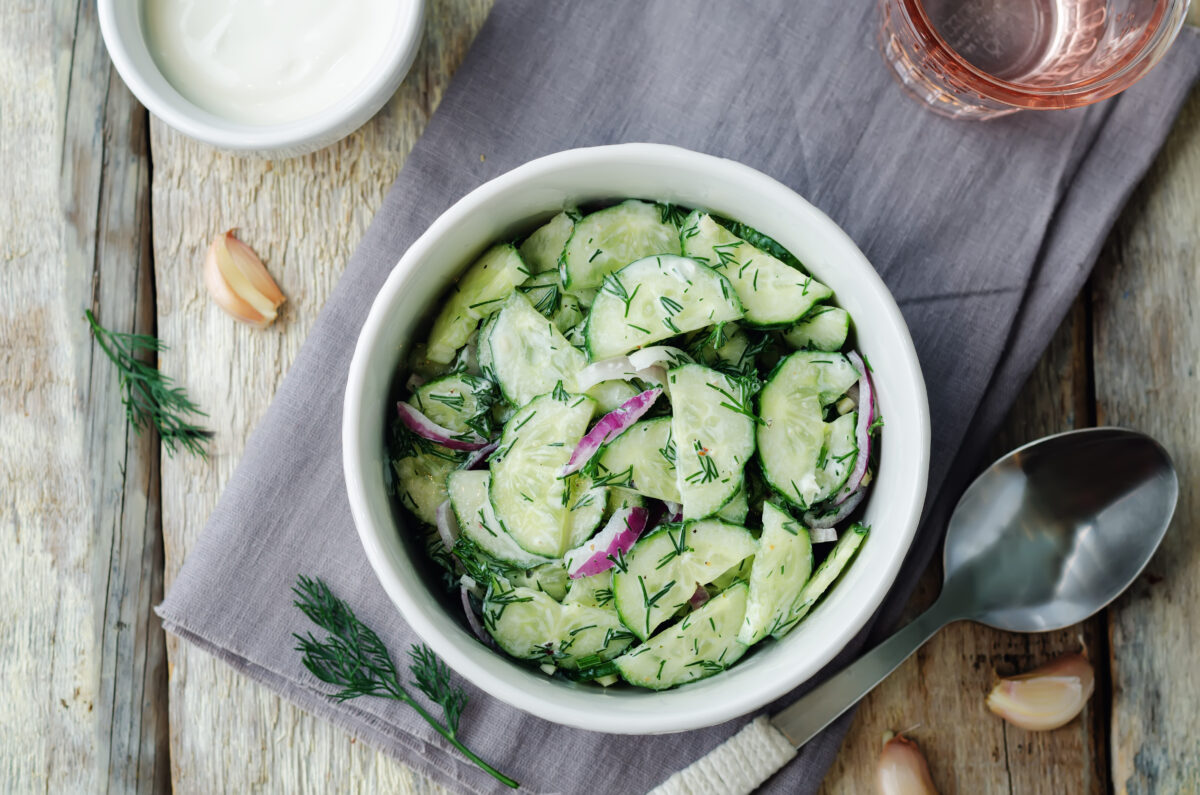
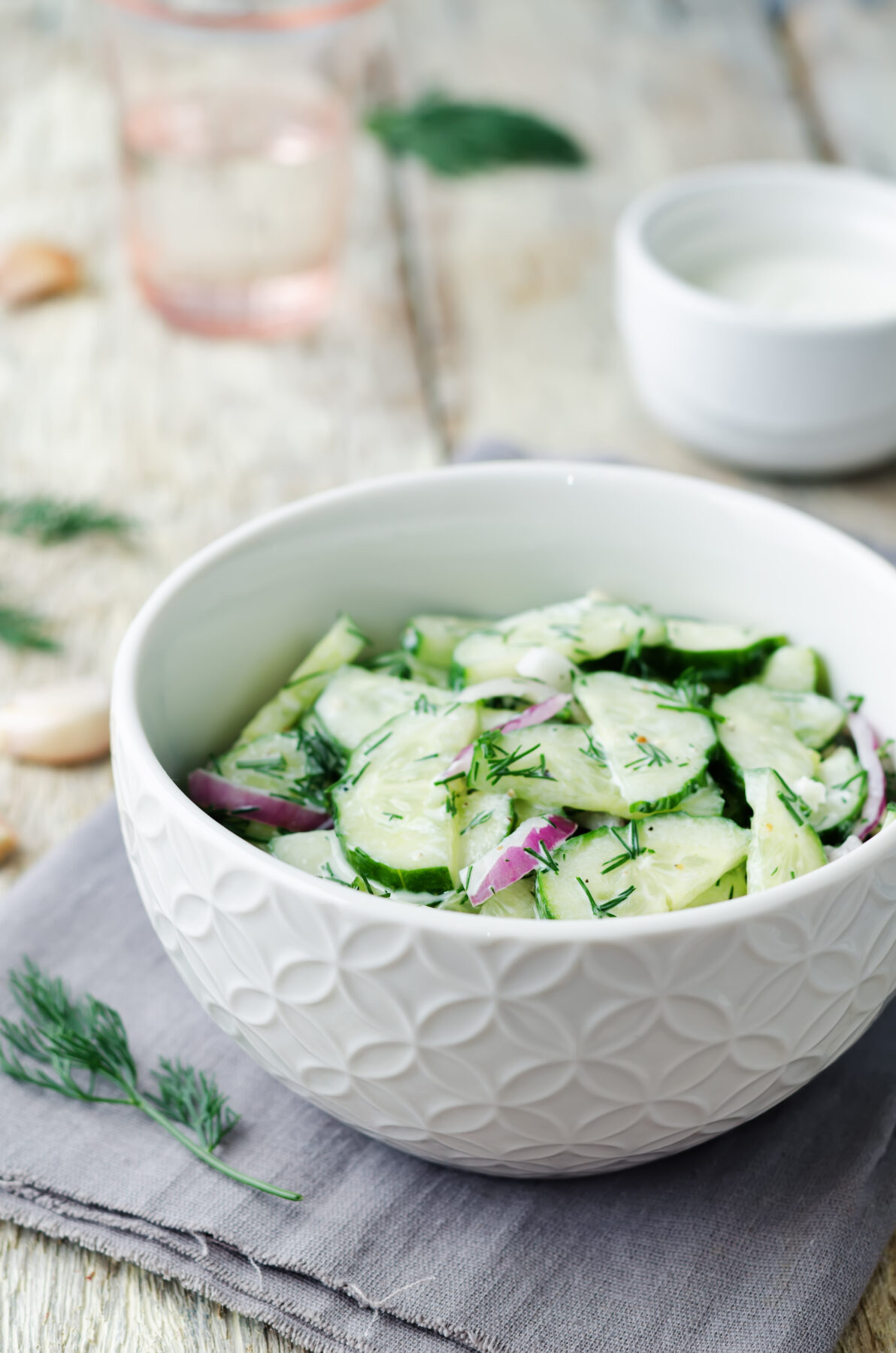
The primary ingredient, cucumber, is celebrated for its high water content and crisp texture, making it an inherently refreshing component of any dish. Its mild flavor serves as a perfect canvas for the more assertive notes of the dressing and any complementary ingredients. The preparation of cucumbers for this salad typically involves slicing them thinly, ensuring that each bite delivers a satisfying crunch. The presence of red onion, finely diced, adds a subtle sharpness and a pop of color, contributing to both the visual appeal and the gustatory complexity of the salad.
Culinary Adaptability and Nutritional Advantages
The Creamy Cucumber Salad is not merely a static recipe; it is a flexible culinary framework that can be adapted to suit various dietary needs and flavor preferences. This adaptability is a key factor in its enduring popularity and its capacity to integrate seamlessly into diverse meal plans.
Nutritional Profile: Cucumbers are rich in hydration, with a water content exceeding 95%, and provide essential vitamins like Vitamin K. Greek yogurt, a primary component of the dressing, is a significant source of protein, calcium, and probiotics, which are beneficial for gut health. The inclusion of ingredients like dill and other herbs not only enhances flavor but also introduces antioxidants and phytonutrients. When prepared with minimal added sugars or excessive salt, this salad can be a nutrient-dense addition to any diet. Data from the USDA’s FoodData Central indicates that 100 grams of cucumber contain approximately 15 calories and 0.1 grams of fat, while plain Greek yogurt (non-fat) offers around 59 calories and 0 grams of fat per 100 grams, along with 10 grams of protein.
Strategic Enhancements for a Transformed Dish
The inherent qualities of the Creamy Cucumber Salad can be further amplified through thoughtful additions and variations, catering to a wider array of culinary explorations and nutritional goals.
-
Incorporating Protein for a Complete Meal: For those seeking to transform this side dish into a more substantial main course, the addition of lean protein sources is a highly effective strategy. Grilled chicken breast, flaked salmon, or even hard-boiled eggs can be cubed and gently folded into the salad. For vegetarian and vegan diners, chickpeas, black beans, or firm tofu, pan-fried or baked until slightly crisp, offer excellent protein alternatives. This approach not only enhances the satiety of the dish but also provides a more balanced nutritional profile, making it suitable for lunch or a light dinner. For instance, adding ½ cup of cooked, diced chicken breast to a serving can increase the protein content by approximately 25 grams.
-
Elevating Flavors with Additional Herbs: While dill is a classic pairing, the salad can benefit from an infusion of other fresh herbs. A finely chopped mix of parsley, chives, or mint can introduce nuanced aromatic qualities. Mint, in particular, complements the coolness of the cucumber, while parsley adds a fresh, peppery note. Experimentation with herbs like cilantro, especially in variations incorporating a hint of lime, can lend an entirely different regional character to the salad. The use of fresh herbs, rather than dried, ensures a vibrant flavor and aroma that elevates the overall dining experience.
-
Accommodating Vegan Dietary Preferences: The conversion of this salad to a vegan-friendly dish is readily achievable by substituting the dairy-based Greek yogurt. A high-quality, unsweetened vegan yogurt, such as coconut, soy, or cashew-based varieties, can serve as an excellent base for the dressing. The key is to select a vegan yogurt that has a similar creamy texture and a neutral or slightly tangy flavor profile. Nutritional yeast can be incorporated to add a subtle cheesy undertone, and a touch of Dijon mustard can provide the necessary zest. This adaptation ensures that individuals adhering to a vegan diet can enjoy the refreshing qualities of this popular salad without compromise.
-
Introducing Textural Contrast for Enhanced Palatability: The inherent crispness of cucumbers and onions can be further complemented by the addition of ingredients that introduce contrasting textures. Toasted sunflower seeds, chopped walnuts, or slivered almonds can provide a satisfying crunch and a nutty depth of flavor. For a more pronounced textural element, lightly toasted croutons or crispy fried shallots can be added just before serving. These additions not only enhance the sensory experience of eating the salad but also contribute additional nutrients, such as healthy fats and fiber, depending on the chosen ingredients. For example, a quarter cup of sunflower seeds can add about 7 grams of protein and 5 grams of fiber.
Expert Insights and Preparation Techniques
Culinary experts often emphasize precise preparation methods to achieve the optimal texture and flavor in this type of salad.
Tips for Optimal Preparation:
- Cucumber Preparation: To prevent the salad from becoming watery, particularly if it’s to be made ahead of time, it’s advisable to salt the sliced cucumbers lightly and let them drain in a colander for about 15-30 minutes. This process draws out excess moisture. Gently pat them dry before proceeding with the recipe.
- Dressing Emulsification: For a smooth and cohesive dressing, ensure all ingredients are well-combined. Whisking the Greek yogurt, lemon juice, garlic, and seasonings thoroughly until fully emulsified will prevent separation and ensure a consistent flavor in every bite.
- Ingredient Proportions: The balance of creamy dressing to crisp vegetables is crucial. Adjust the amount of dressing to coat the vegetables lightly, avoiding an overly heavy or soupy consistency.
- Chilling for Flavor Development: Allowing the salad to chill in the refrigerator for at least 30 minutes before serving enables the flavors to meld and deepen. This resting period is essential for the dressing to fully permeate the cucumber slices.
Storage and Preservation
Proper storage is key to maintaining the freshness and quality of the Creamy Cucumber Salad.
Refrigerator Storage:
When stored in an airtight container in the refrigerator, this salad typically remains fresh for 2 to 3 days. It is important to note that the natural moisture content of cucumbers can lead to slight separation of the dressing over time. Therefore, a gentle stir before serving is recommended to reintegrate the components and ensure a consistent texture and flavor. The crispness of the cucumbers may also diminish slightly with prolonged storage, a factor to consider when planning meal preparation.
Broader Culinary Context and Future Trends
The Creamy Cucumber Salad’s enduring popularity can be attributed to its alignment with several significant food trends. The emphasis on fresh, whole ingredients, the demand for lighter alternatives to traditional comfort foods, and the growing interest in plant-forward and probiotic-rich diets all contribute to its favorable reception. As consumers continue to prioritize health and wellness without sacrificing flavor, dishes like this salad are poised to remain a staple in home kitchens and on restaurant menus. Its adaptability also positions it as a perfect candidate for further innovation, with potential for regional flavor infusions and seasonal ingredient pairings. The ongoing exploration of diverse yogurt alternatives and plant-based ingredients will likely continue to expand the reach and appeal of this versatile salad.