Healthy Corn Chowder: A Nutrient-Dense Seasonal Culinary Approach

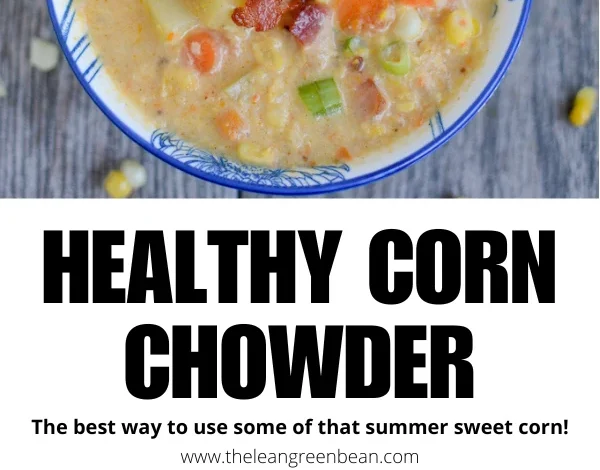
The transition from late summer to early autumn brings a specific agricultural bounty, headlined by the peak harvest of sweet corn. While traditional culinary applications of this vegetable often involve high-fat dairy bases—resulting in caloric densities that can overshadow the nutritional profile of the corn itself—a new wave of "lightened-up" chowder recipes is gaining traction among home cooks and nutrition professionals. This shift focuses on utilizing the natural starch of potatoes and the inherent sweetness of fresh corn to achieve a desired texture without relying on excessive heavy cream.
The Evolution of the Corn Chowder Profile
Historically, corn chowder is rooted in the coastal traditions of the United States, where heavy cream and salt pork were standard ingredients intended to provide sustained energy for laborers. However, as dietary preferences shift toward heart-healthy, vegetable-forward meals, the classic chowder has undergone a significant transformation. Modern iterations, such as those advocated by registered dietitians, prioritize broth-based foundations.
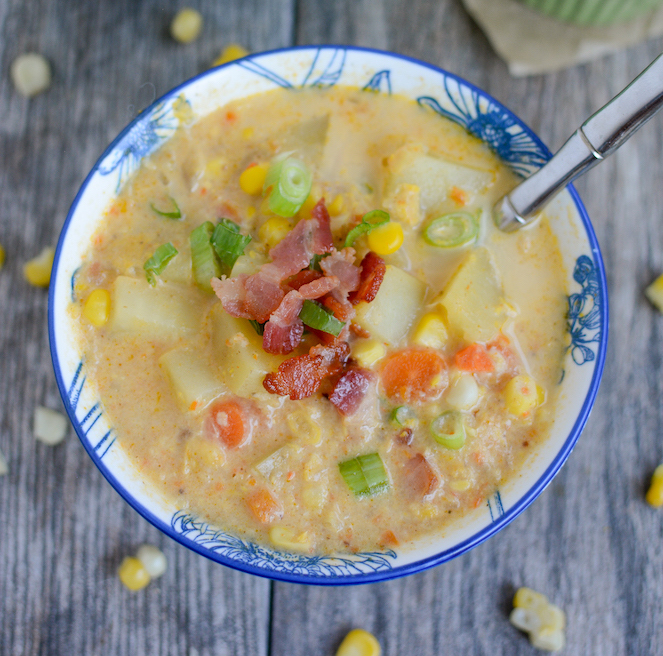
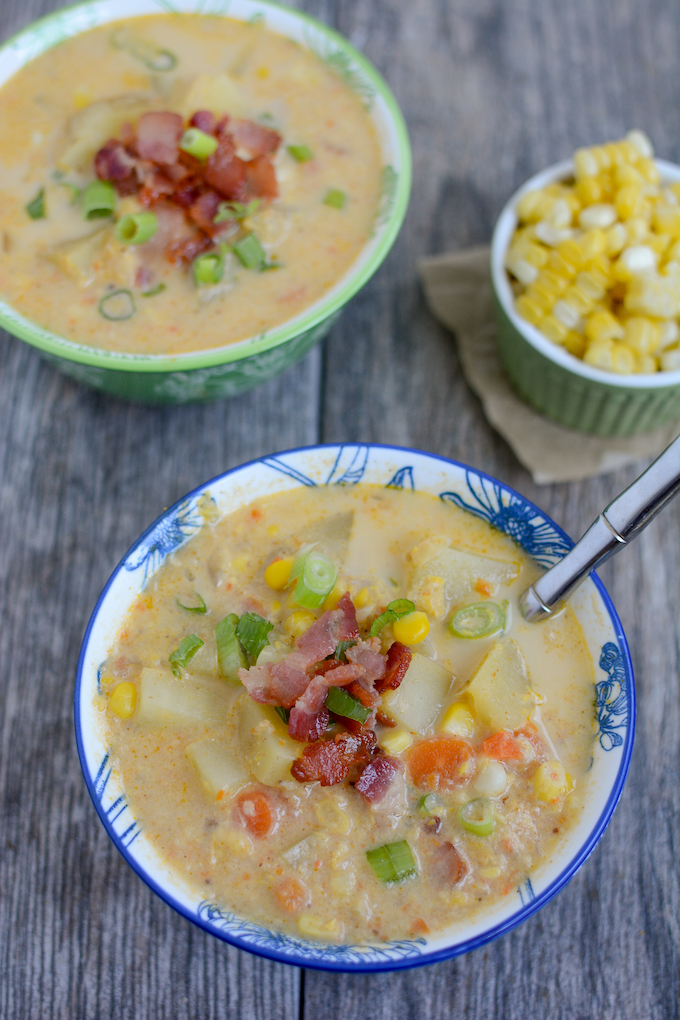
By utilizing vegetable or chicken stock as the primary liquid, chefs can significantly reduce the saturated fat content associated with traditional heavy cream bases. The creaminess is instead derived from a process of selective blending: by pureeing a portion of the soup—which typically contains starch-heavy potatoes and kernels—the cook can achieve a velvety consistency through natural emulsification. This method preserves the fiber and complex carbohydrate profile of the ingredients while providing a lighter, more digestible final product.
Nutritional Implications of Ingredient Modification
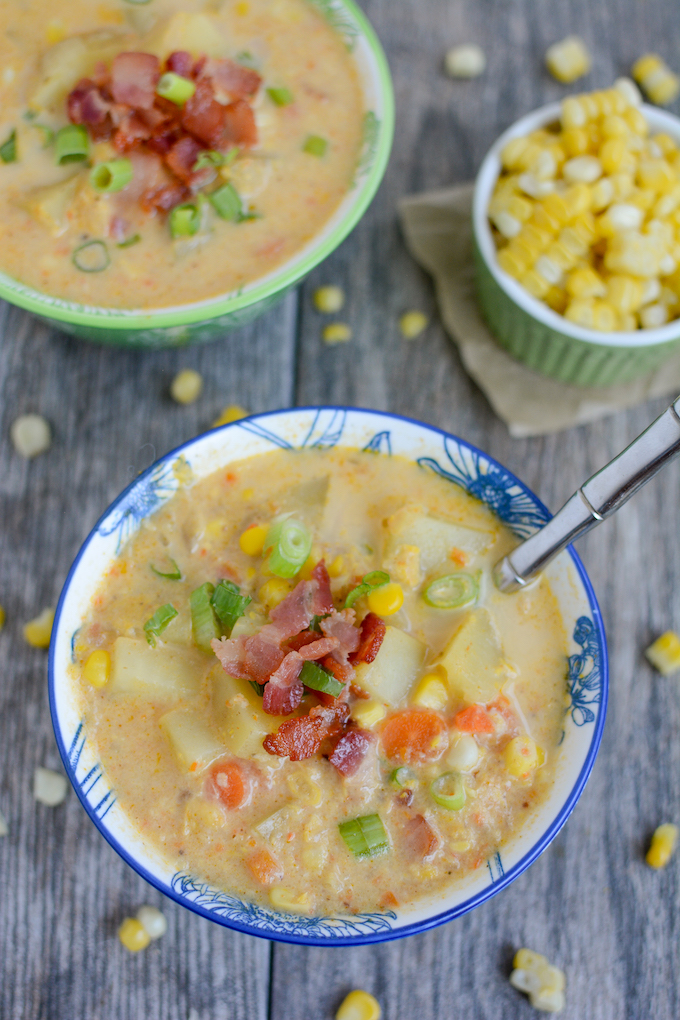
The nutritional impact of replacing heavy cream with a combination of low-fat milk and pureed vegetables is substantial. Heavy cream contains approximately 820 calories per cup, with the vast majority derived from saturated fat. In contrast, low-fat milk or dairy-free alternatives like unsweetened coconut milk offer a significantly lower caloric threshold while still providing essential vitamins and minerals.
Furthermore, the inclusion of fresh sweet corn adds vital nutrients, including lutein and zeaxanthin—carotenoids that are essential for eye health. When the cob is simmered in the broth, it releases additional sugars and minerals, deepening the flavor profile without the need for added sodium or processed sweeteners. This extraction technique is a hallmark of professional culinary practices, ensuring that no part of the seasonal produce goes to waste.
Seasonal Availability and Supply Chain Considerations
The viability of this dish is inextricably linked to the seasonal supply of sweet corn. In the United States, the peak window for sweet corn typically spans from late June through September, depending on the region. The shelf life of harvested corn is remarkably short, as the natural sugars begin to convert into starch immediately after the ear is detached from the stalk. Consequently, the "farm-to-table" approach of preparing corn chowder during this window ensures the highest concentration of flavor and nutrient density.
For consumers outside of this narrow window, the supply chain shifts to frozen or canned alternatives. While frozen corn is often flash-frozen at the peak of ripeness—thereby retaining much of its nutritional value—it lacks the cobs necessary to infuse the broth with the depth of flavor achieved during the peak season. Food scientists note that while the textural difference between fresh and frozen corn in a chowder is negligible once cooked, the complexity of the broth is the primary differentiator in professional-grade recipes.

Culinary Techniques for Texture and Consistency
One of the primary challenges in preparing a lighter corn chowder is managing the viscosity of the broth. Without the stabilizing effects of high-fat dairy, the soup may appear thin or watery to the palate. Chefs address this through several technical interventions:
- Starch Gelatinization: By ensuring the potatoes are cooked until they are soft enough to break down during the blending process, the natural starches release into the liquid, acting as a thickener.
- Legume Integration: The addition of white beans, such as Great Northern or cannellini beans, provides a dual benefit. When blended, they add a creamy texture similar to heavy cream while significantly increasing the protein and fiber content of the meal.
- Cornstarch Slurries: For those requiring a more precise texture, a small amount of cornstarch mixed with cold water can be added to the simmering liquid to achieve the desired thickness without altering the flavor profile.
Storage and Reheating Protocols
The storage of milk-based soups requires careful temperature management to prevent separation and texture degradation. Unlike soups with acidic or vegetable-only bases, dairy-containing soups are prone to curdling if subjected to improper cooling or reheating cycles.
Professional kitchen standards dictate that soups should be cooled rapidly before being stored in airtight containers. When reheating, a gentle, low-heat approach is necessary. If the chowder was prepared without the dairy component—a technique used by commercial caterers to ensure longevity—the milk or cream should be whisked in at the final stage of reheating. This "finishing" technique prevents the proteins in the dairy from denaturing due to prolonged exposure to heat, ensuring a smooth, uniform consistency every time.
Broader Implications for Sustainable Nutrition
The shift toward lighter, vegetable-based chowders reflects a broader trend in American dietary habits: the move away from ultra-processed, high-calorie comfort foods toward more nutrient-dense, whole-food alternatives. By emphasizing seasonal produce and reducing reliance on saturated fats, home cooks are adopting practices that align with long-term cardiovascular health.
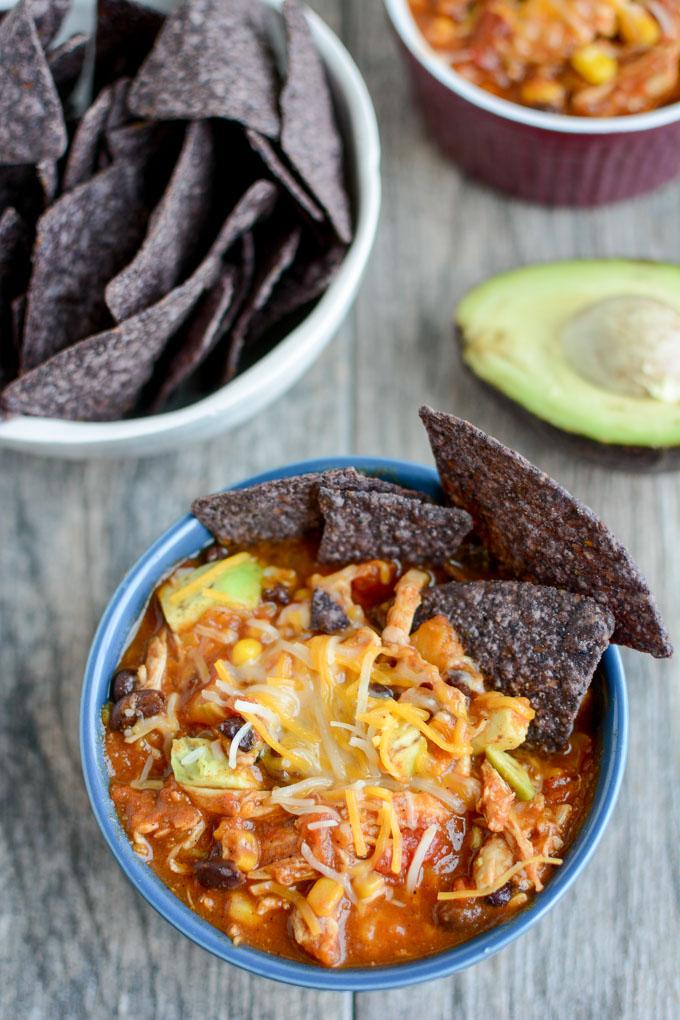
Moreover, the versatility of this base recipe allows for significant customization. The addition of lean proteins—such as grilled chicken, turkey sausage, or even plant-based substitutes—can transform the soup from a side dish into a balanced, protein-rich main course. This adaptability makes the dish an effective tool for meal prepping, allowing individuals to maintain healthy eating habits throughout the busy work week.
Expert Perspectives on Dietary Balance
Registered Dietitians, such as those specializing in family nutrition, often emphasize the importance of "crowding out" less healthy ingredients with more nutrient-dense ones. The healthy corn chowder model serves as a prime example of this philosophy. By "crowding out" the heavy cream with fiber-rich potatoes and corn, the dish becomes more satisfying, potentially reducing overall caloric intake without the psychological sensation of restriction.

As public interest in nutrition continues to grow, recipes that bridge the gap between traditional comfort food and modern health standards remain essential. By focusing on simple, whole ingredients, home cooks can effectively navigate the transition of the seasons while supporting their personal health goals. Whether served as a summer dinner or a comforting autumn starter, the healthy corn chowder remains a testament to the fact that nutritional integrity and culinary enjoyment are not mutually exclusive.