The Ultimate Guide to Mastering Air Fryer Quesadillas for Efficient Home Cooking

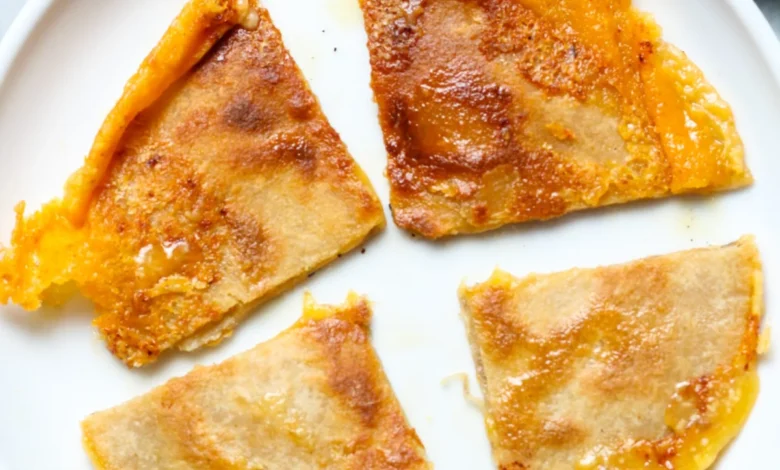
The rise of the air fryer as a staple kitchen appliance has fundamentally altered domestic food preparation, shifting the focus toward rapid, high-heat cooking methods that prioritize texture and efficiency. Among the most popular applications of this technology is the preparation of the quesadilla, a dish traditionally associated with stovetop griddling. By utilizing the convection currents of an air fryer, home cooks can now achieve a uniform, golden-brown crust and a perfectly emulsified cheese center in under ten minutes, addressing the common culinary frustrations of uneven heating and soggy interiors often found in conventional methods.
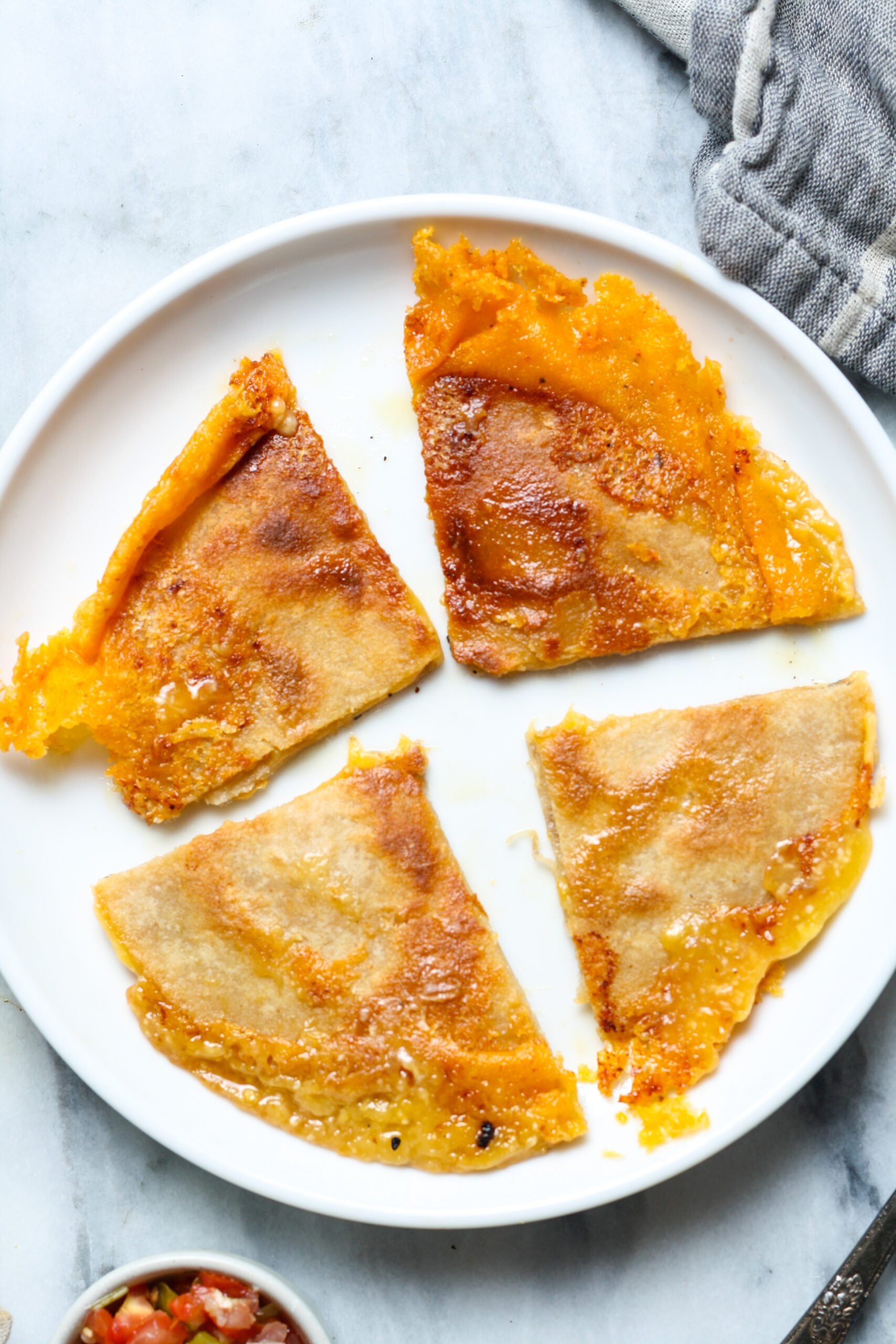
The transition toward air-fried snacks and light meals is supported by broader consumer data trends. Recent market research indicates that air fryer ownership in North American households has surged by over 40% since 2020. This shift is largely attributed to the device’s ability to mimic the Maillard reaction—the chemical process responsible for browning and flavor development—without the necessity of excessive oil or prolonged preheating times required by conventional ovens. The quesadilla, a staple of Mexican-inspired cuisine, serves as an ideal candidate for this medium, as its structural integrity relies on the rapid sealing of the tortilla edges to contain molten fillings.
The Evolution of the Air-Fried Quesadilla
The chronology of this cooking technique is tied to the evolution of domestic kitchen technology. While the concept of hot-air circulation cooking dates back to the 1940s with the introduction of industrial convection ovens, it was not until the widespread commercialization of compact countertop air fryers in the mid-2010s that the method became accessible to the average consumer.

Early adopters of the air fryer primarily focused on frozen goods, such as french fries and chicken nuggets. However, as user proficiency grew, the application expanded into scratch-made meals. The air-fried quesadilla emerged as a "gateway" recipe for home cooks due to its simplicity and the high success rate of the preparation. Unlike stovetop cooking, which requires constant manual monitoring and the use of a spatula to flip the tortilla—risking the loss of internal ingredients—the air fryer provides a controlled environment where hot air envelops the entire surface area simultaneously.
Technical Parameters for Optimal Results
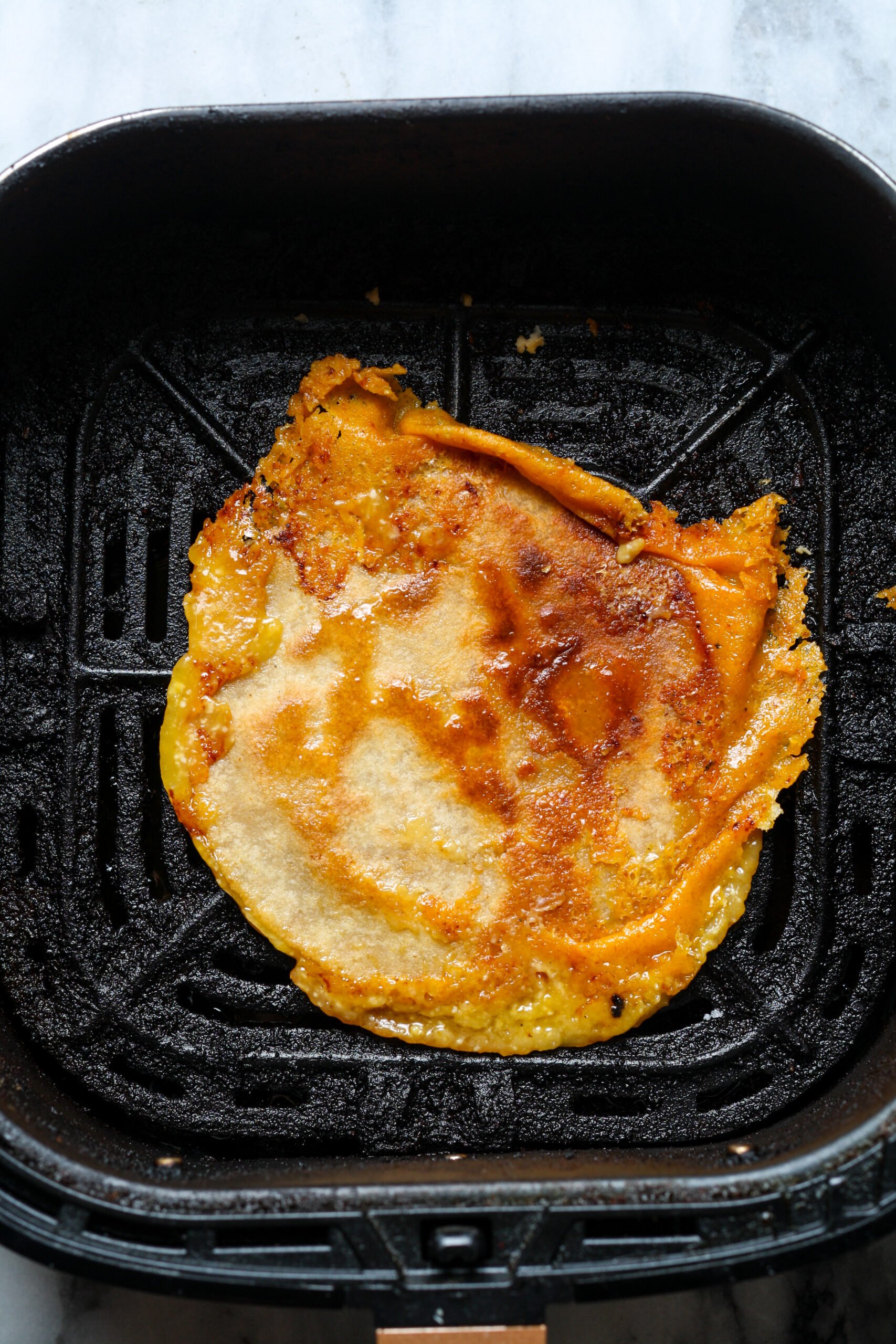
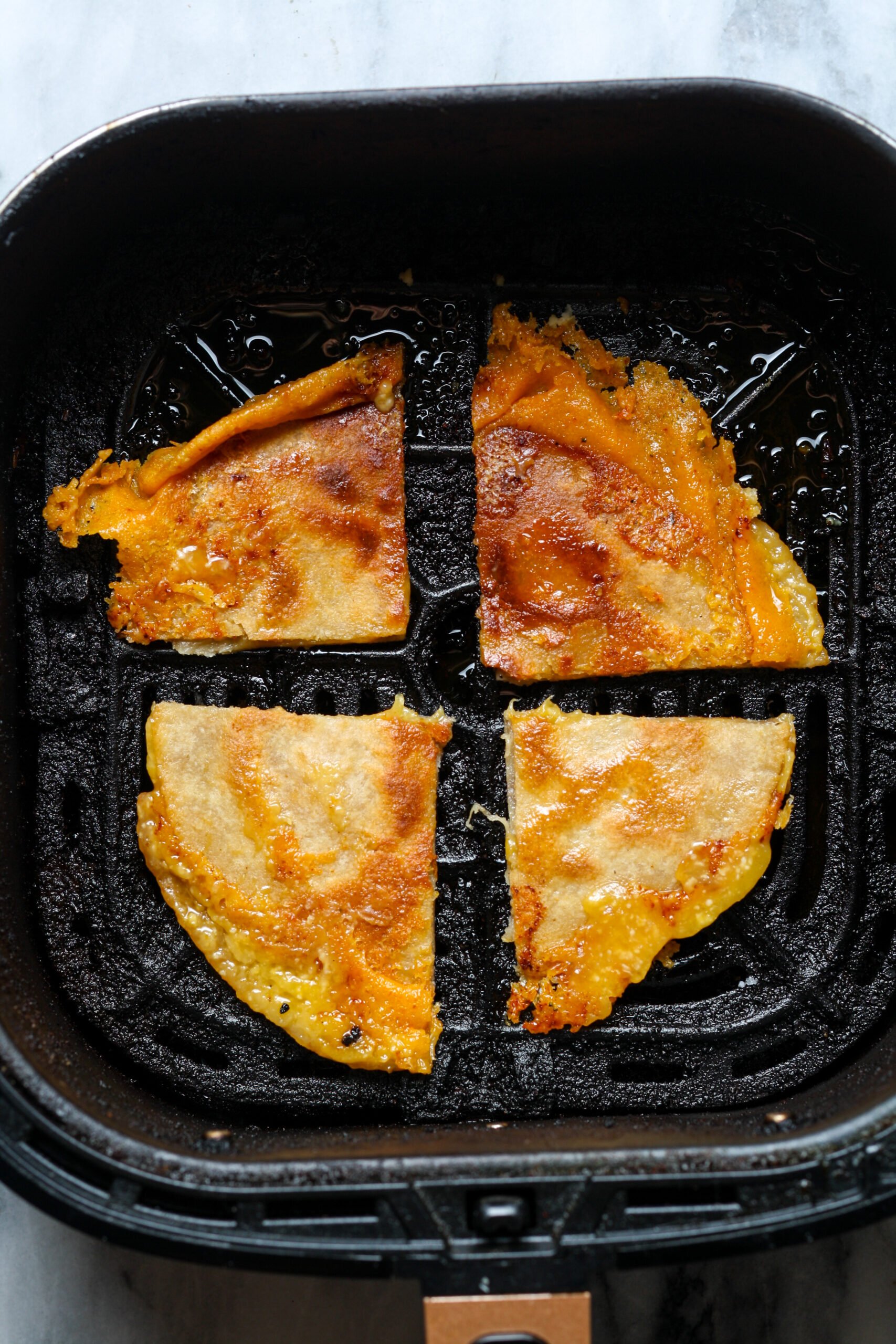
To achieve the "perfect" air-fried quesadilla, culinary experts and nutritionists emphasize the importance of precision in temperature and ingredient selection. The standard protocol involves preheating the unit to 400°F (200°C), a temperature range sufficient to crisp the tortilla exterior before the cheese reaches a state of separation.
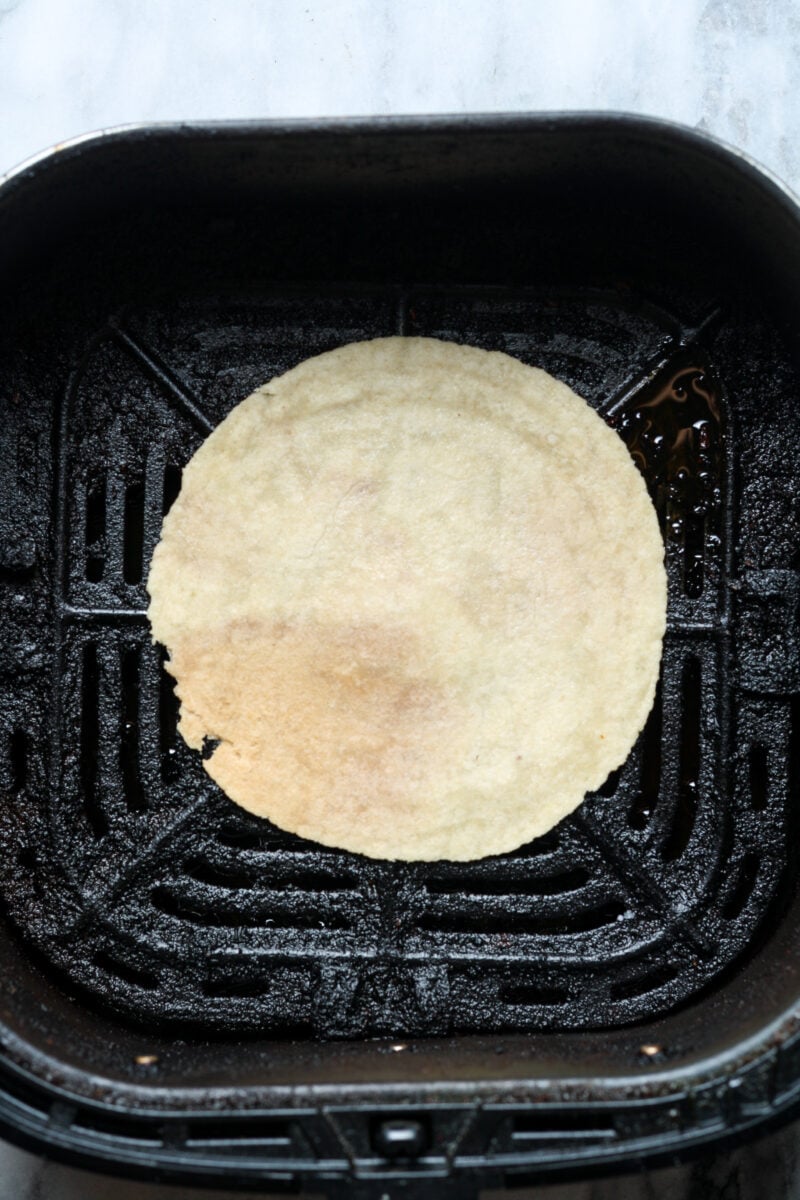
Data from controlled kitchen tests suggest that an optimal cooking duration is between five and six minutes. Extending this time beyond seven minutes often results in the tortilla becoming excessively brittle or the cheese losing its viscosity as the water content evaporates. Furthermore, the use of a fine mist of olive oil spray is technically recommended not only for flavor but to assist in thermal conductivity, ensuring that the entire surface of the tortilla achieves a uniform golden hue rather than localized burning.
Nutritional Context and Ingredient Selection
In the context of modern dietary awareness, the move toward homemade, air-fried versions of traditionally greasy snack foods is significant. A standard restaurant-prepared quesadilla often involves large quantities of butter or lard used in the pan-searing process. By contrast, the air fryer method allows for a "dry" heat finish.
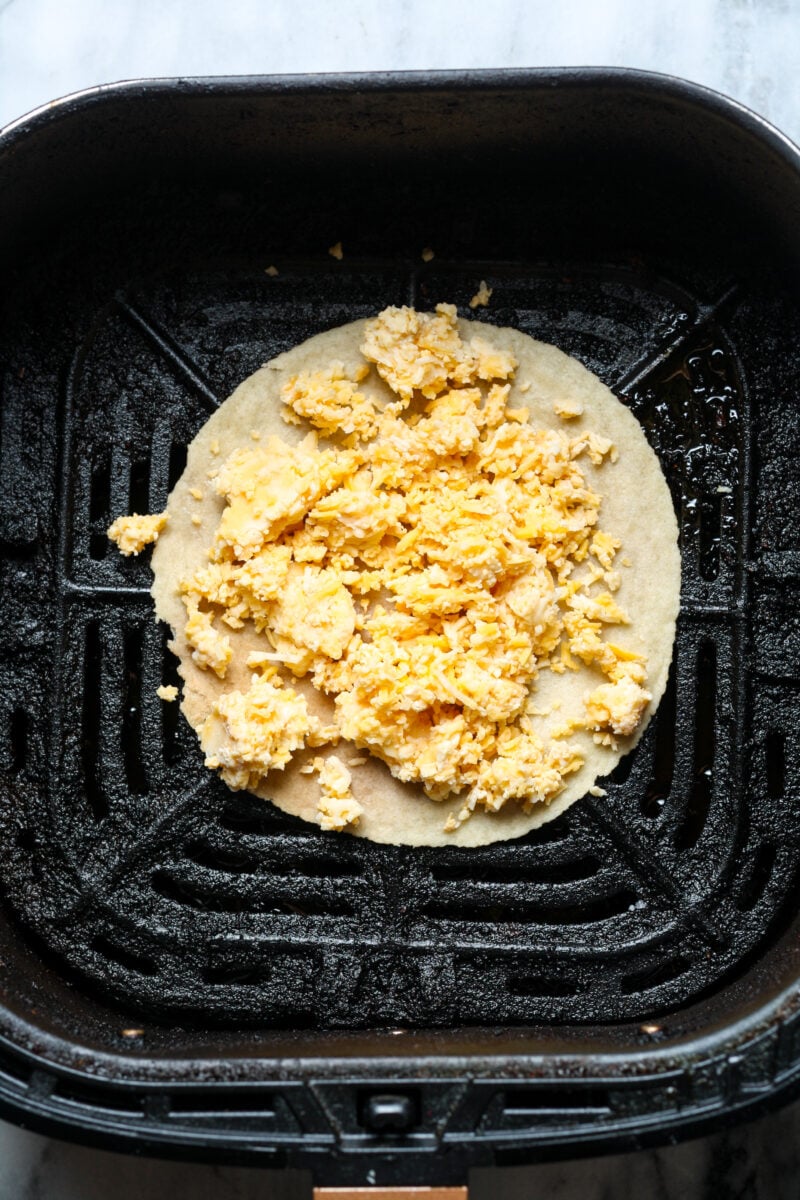
Nutritionists often point to the choice of tortilla as a primary variable in the health profile of the dish. The use of high-fiber, whole-wheat, or corn-based tortillas—as opposed to refined white flour varieties—can significantly increase the satiety and nutritional density of the meal. Furthermore, the selection of cheese is a critical factor in the internal chemistry of the quesadilla. Mexican blends—typically a combination of Monterey Jack, Cheddar, and Asadero—are preferred for their high melting points and consistent stretch, whereas aged cheeses like Parmesan may prove too dry and prone to burning at the high temperatures required for air frying.
Addressing Common Culinary Challenges
Despite the simplicity of the recipe, home cooks frequently encounter challenges that can be categorized as technical failures. The most common is the "lift-off" phenomenon, where the top tortilla becomes dislodged by the air fryer’s powerful fan. This issue occurs when the weight of the cheese is insufficient to hold the top layer in place or when the air circulation is too aggressive for the specific unit model.
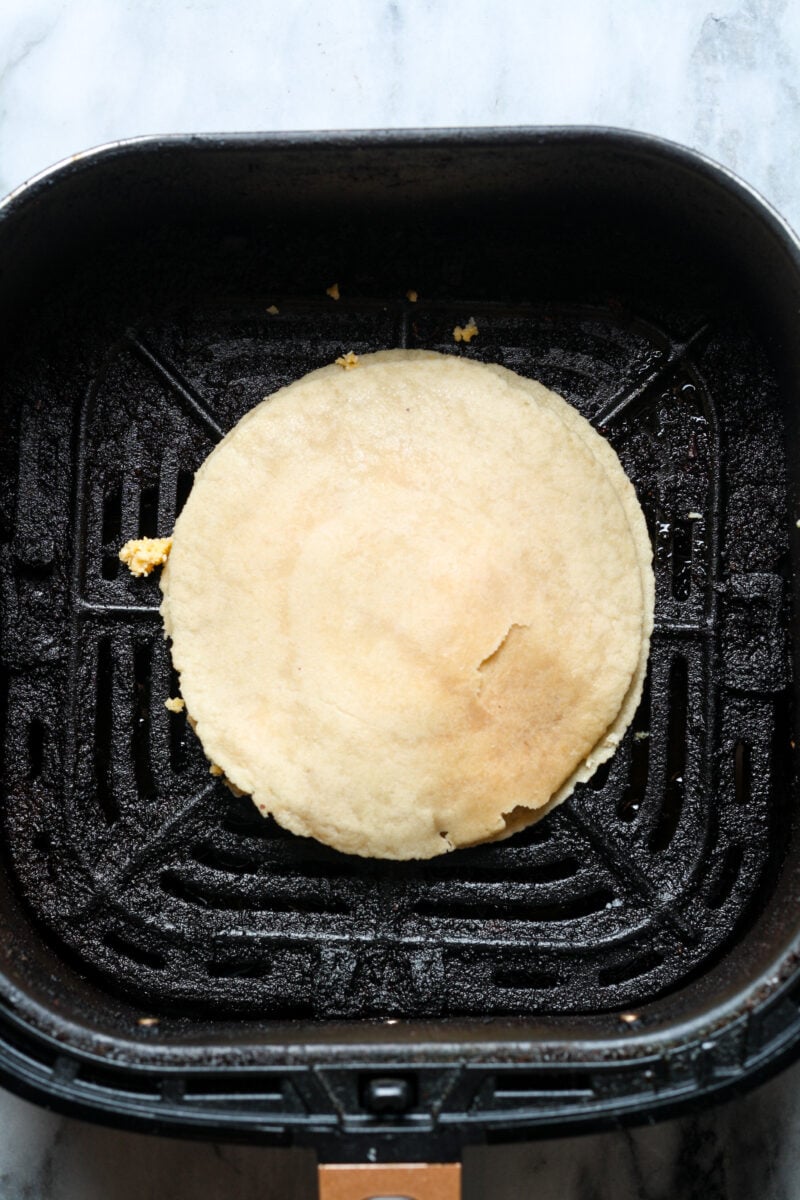
Industry advice for mitigating this includes:
- Strategic Filling: Distributing the cheese evenly to the edges to act as a "glue" between the layers.
- Weight Management: Avoiding overfilling, which prevents the two tortillas from making adequate contact.
- Internal Anchoring: In advanced models with circular baskets, ensuring the tortilla is centered to minimize the impact of the air vortex.
Broader Economic and Lifestyle Implications
The shift toward air-fried meals reflects a broader socioeconomic trend: the optimization of time. For working families and individuals with constrained schedules, the ability to produce a hot, prepared meal in under ten minutes is a measurable improvement in lifestyle quality. The air fryer has, in many households, replaced the microwave as the preferred method for reheating leftovers, as it preserves texture—a critical factor in the consumer experience of food.
From a sustainability perspective, the air fryer is also more energy-efficient than a standard gas or electric oven. Because the interior volume of the device is significantly smaller, the energy required to reach the target temperature is reduced by nearly 30-50%, depending on the model. This makes the air-fried quesadilla not just a convenient choice, but a marginally more sustainable one in the context of daily household energy consumption.
Future Outlook and Culinary Innovation
As the culinary community continues to refine air-frying techniques, the quesadilla is being reimagined as a vehicle for diverse flavor profiles. Beyond the traditional cheese-only model, there is a growing trend toward incorporating lean proteins—such as shredded rotisserie chicken, black beans, or sautéed bell peppers—to create a more complete nutritional profile.
The integration of these ingredients requires careful preparation; for instance, moisture-heavy vegetables like spinach or tomatoes must be patted dry before assembly to prevent the steam from softening the tortilla. As technology evolves, we can expect to see "smart" air fryers with sensors that detect when the cheese has reached the desired melt point, further automating the process and removing the margin for human error.
In summary, the air-fried quesadilla represents the intersection of convenience, technology, and basic culinary science. It serves as a prime example of how modern kitchen appliances can refine traditional cooking methods, offering a consistent and efficient solution to the demands of contemporary, fast-paced living. Through an understanding of temperature, ingredient quality, and the mechanics of convection, the home cook can achieve a standard of quality that was previously exclusive to professional kitchens.