Fermented Foods for Babies: Everything You Need to Know Before Baby’s First Bite


The introduction of solid foods is a pivotal milestone in infant development, typically occurring around six months of age. While conventional weaning guides often prioritize iron-rich purees or single-ingredient vegetables, modern pediatric nutrition is increasingly recognizing the role of fermented foods in shaping a healthy gut microbiome. These traditionally processed foods, which include yogurt, kefir, sauerkraut, miso, and sourdough, offer a unique nutritional profile that can support a developing immune system and introduce infants to complex flavor profiles early in life.

Understanding the Science of Fermentation
Fermentation is a natural metabolic process in which microorganisms—such as bacteria, yeasts, or fungi—convert carbohydrates, such as sugars and starches, into alcohols or organic acids. This process serves a dual purpose: it acts as a traditional method of food preservation by creating an environment hostile to harmful pathogens, and it enhances the bioavailability of nutrients within the food.
For infants, the primary interest lies in the "probiotic" nature of these foods. The human gut microbiome, which is populated by trillions of microorganisms, plays a critical role in immune function, metabolic health, and nutrient absorption. Research indicates that approximately 80% of the immune system is located in the gut. By introducing fermented foods, parents provide a source of live, beneficial bacteria that may help populate the infant’s digestive tract, fostering a more diverse and resilient microbial community.

Chronology and Developmental Readiness
The consensus among pediatric dietitians and nutritionists is that infants can safely consume fermented foods as soon as they meet the standard developmental benchmarks for solid food introduction. These markers include the ability to sit with minimal support, the disappearance of the tongue-thrust reflex, and an active interest in family meals.
While there is no strict chronological "waiting period" for most fermented foods, they should not replace the primary sources of nutrition for infants under one year of age: breast milk or iron-fortified infant formula. Fermented foods should be viewed as complementary, serving to introduce new textures and tastes rather than providing the bulk of an infant’s caloric intake.

A Guide to Safe and Nutritious Options
The diversity of fermented foods is vast, spanning cultural traditions from across the globe. However, not all are equally suitable for the infant digestive system. When selecting products, parents should prioritize pasteurized options to eliminate the risk of foodborne pathogens, such as Listeria or Salmonella, which pose a greater risk to infants than adults due to their immature immune systems.
Yogurt and Kefir: These dairy-based products are excellent sources of calcium, protein, and probiotics. Pediatric experts recommend opting for full-fat, plain, unsweetened varieties. Added sugars are discouraged for children under two years of age to prevent the development of a preference for overly sweet foods.
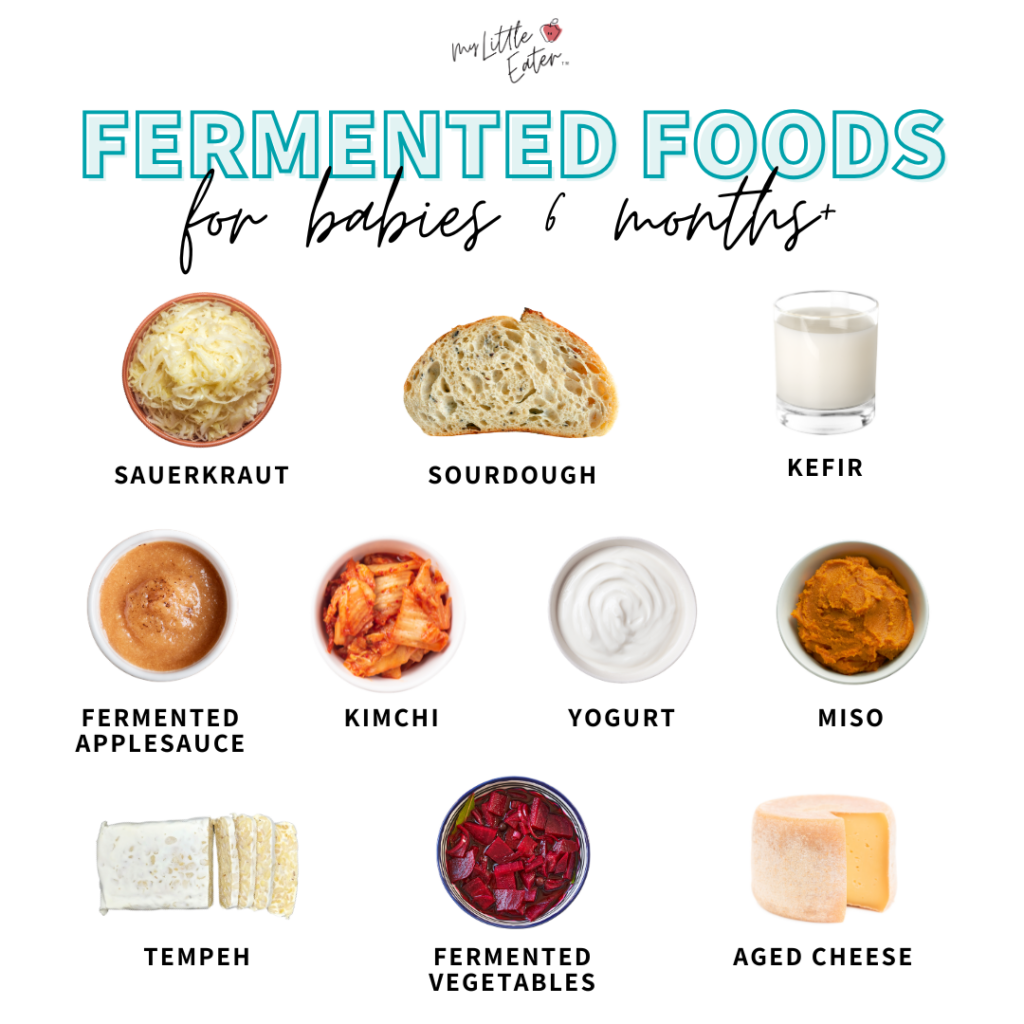
Sourdough Bread: Unlike commercially yeasted breads, true sourdough relies on a wild fermentation process. This fermentation can improve the digestibility of proteins and the absorption of essential minerals, making it a preferable bread choice for infants. When serving, it should be lightly toasted and cut into age-appropriate strips or bite-sized pieces.
Vegetable-based Ferments: Sauerkraut and kimchi are nutrient-dense choices, offering fiber and vitamin K. Because these products are often preserved in high-sodium brines, they should be rinsed thoroughly under cold water before serving. This simple step significantly reduces the sodium content while retaining the beneficial probiotic cultures.

Miso and Tempeh: These soy-based staples are rich in essential nutrients. Miso should be used sparingly as a flavor enhancer in soups or stews due to its salt content, while tempeh, which offers a firm texture, must be cooked thoroughly to ensure it is soft enough for safe consumption.
Critical Safety Protocols and Exclusions
Despite their health benefits, fermented foods require a cautious approach. The most critical restriction involves the presence of honey. Any food item, including fermented products, containing honey is strictly prohibited for infants under 12 months due to the risk of infant botulism, a rare but life-threatening illness caused by Clostridium botulinum spores.

Additionally, parents must be wary of "fermented beverages" like kombucha. While these are popular among adults for their probiotic content, they often contain trace amounts of alcohol resulting from the natural fermentation process. There is no established safe level of alcohol for infants, and as such, these products should be avoided entirely during the first few years of life.
Furthermore, introducing fermented foods should follow standard allergen introduction protocols. Many fermented foods—such as those containing dairy, wheat, or soy—are classified as top allergens. Parents should introduce these items individually to monitor for any adverse reactions, such as rashes, digestive distress, or swelling.

Navigating Digestive Adjustments
When introducing these foods, it is common for infants to experience mild digestive changes, such as increased gas or temporary bloating. This is often a sign that the gut is adjusting to the introduction of new bacterial strains. Experts suggest a "start low, go slow" approach: begin with small, teaspoon-sized portions two to three times per week. As the infant displays tolerance and digestive comfort, these quantities can be gradually increased.
It is a misconception that these foods are only beneficial if consumed raw. While heating fermented foods above body temperature will kill the live probiotic cultures, the food still retains its nutritional value, including fiber, vitamins, and minerals. Therefore, incorporating fermented ingredients into cooked recipes remains a valid and healthy strategy for dietary variety.

Broader Impact on Long-term Health
The long-term implications of early exposure to fermented foods are significant. Beyond the immediate benefits to digestive regularity—often cited as a natural remedy for infant constipation—regular consumption of these foods may have a protective effect on the immune system. By fortifying the intestinal barrier, the beneficial microbes found in these foods help prevent the translocation of harmful pathogens into the bloodstream.
Furthermore, the introduction of "sour" flavor profiles early in life is a strategic tool for combating the modern dietary trend toward high-sugar consumption. By normalizing sourness through fermented vegetables and unsweetened cultured dairy, parents can broaden an infant’s palate, potentially increasing the likelihood of acceptance for a wider variety of vegetables and whole foods as they transition into toddlerhood.

Official Recommendations and Professional Guidance
Registered pediatric dietitians emphasize that while supplements are available, they are not a substitute for a food-first approach. Whole foods offer a complex matrix of nutrients—fiber, proteins, and vitamins—that synthetic probiotic supplements cannot replicate.
Parents who are hesitant about home-preparation—which requires strict sanitation to avoid contamination—are encouraged to rely on high-quality, commercially produced fermented foods. These products are subjected to rigorous food safety standards that ensure they remain both nutritious and safe for vulnerable populations.

As with any significant change to an infant’s diet, especially if the child is on medication or has underlying health conditions, consultation with a pediatrician or a registered dietitian is advised. Medications such as antibiotics can interact with probiotics, and professional guidance ensures that dietary changes are synchronized with the child’s specific medical history.
In conclusion, the integration of fermented foods into an infant’s diet represents a scientifically backed approach to enhancing gut health, immune function, and flavor development. By adhering to safety guidelines—specifically regarding honey, alcohol, and sodium—parents can leverage these traditional foods to build a robust foundation for their child’s long-term nutritional well-being.