Nourishing the Postpartum Body: The Healing Power of Warm Soups and Family Collaboration During the Fourth Trimester


The postpartum period, frequently referred to as the fourth trimester, represents a profound physical and emotional transition for new parents. As families adjust to the sleepless nights and relentless demands of newborn care, nutrition often falls by the wayside despite being a critical component of maternal recovery. Recognizing this vulnerability, parenting and health advocates are increasingly emphasizing the importance of nutrient-dense, easily digestible comfort foods. Among the latest culinary offerings gaining traction in postpartum wellness circles is a golden cauliflower, carrot, and chicken soup endorsed by perinatal psychologist Dr. Shoshana Bennett. This recipe not only provides essential macro and micronutrients for healing tissues and supporting lactation, but it also serves as a focal point for a broader discussion on the mental load of parenting and the equitable division of domestic labor.
The Science of Postpartum Nutrition and Healing
Medical literature consistently underscores the physiological toll that pregnancy, labor, and delivery take on a birthing parent’s body. Blood loss, hormonal shifts, and tissue trauma require targeted nutritional support to facilitate optimal recovery. Traditional postpartum practices across various cultures have long emphasized warm, cooked, and spiced foods over raw or cold meals, a concept supported by modern nutritional science. Warm soups are exceptionally hydrating and allow the digestive system—often sluggish following delivery and the influence of pain medications or anesthesia—to absorb nutrients efficiently without expending excessive metabolic energy.
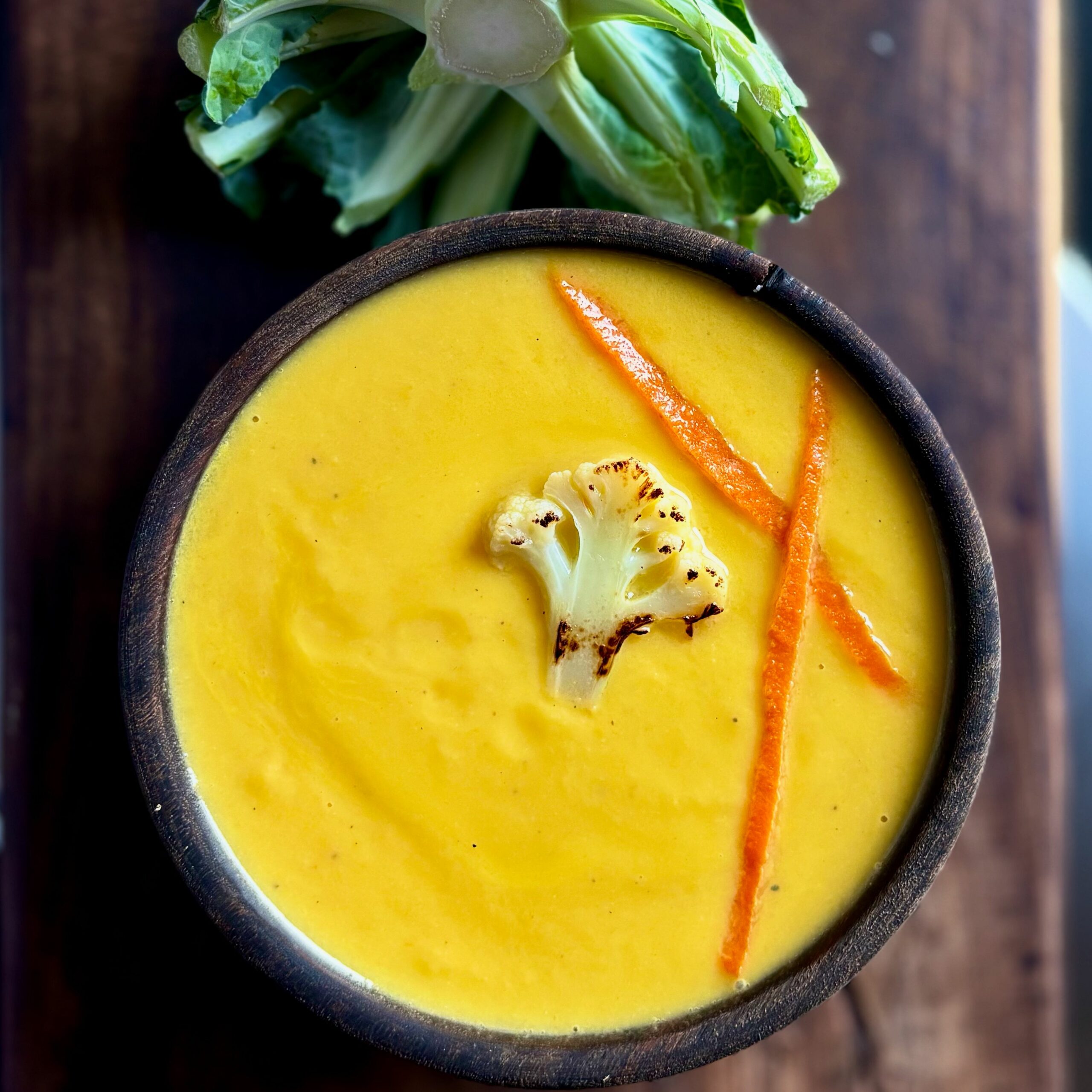
The cauliflower and carrot soup featured in the Fourth Trimester Kitchen collection incorporates specific ingredients chosen for their anti-inflammatory and restorative properties. Turmeric, a prominent component of the recipe, contains curcumin, a bioactive compound renowned for its powerful anti-inflammatory and antioxidant effects. This can be particularly beneficial in mitigating postpartum joint discomfort and reducing systemic inflammation associated with tissue healing. Ginger, another key spice in the dish, has historically been used to alleviate nausea, support digestion, and stimulate circulation. Furthermore, the combination of fibrous carrots, cruciferous cauliflower, and lean protein from cooked chicken delivers a balanced profile of vitamins A, C, and K, alongside complex carbohydrates and essential amino acids necessary for tissue repair and energy stabilization.
Practicality Meets Nutrition: The Culinary Approach
Designed with the exhausted caregiver in mind, the soup recipe bridges the gap between culinary ambition and kitchen reality. Preparing meals with an infant requires minimizing steps and maximizing efficiency. This specific recipe capitalizes on convenience by utilizing pre-cooked chicken, allowing families to repurpose leftovers or rotisserie chicken into a wholesome, scratch-made meal in approximately 31 minutes.
The culinary technique employed—blending only half of the cooked vegetables into the broth—serves a dual purpose. It creates a rich, velvety body that mimics a heavy cream soup without the addition of dairy, while simultaneously retaining visible, textured pieces of vegetables and chicken. This texture provides sensory satisfaction and encourages mindful eating, a rare luxury for individuals managing the unpredictable schedule of a newborn. The flexibility to incorporate fresh or dried aromatics, along with optional fresh herbs like mint, ensures that the dish can be adapted based on pantry inventory and individual dietary preferences.
Addressing the Mental Load in the Fourth Trimester
Beyond the immediate physical benefits of warm nutrition, the integration of cooking, meal planning, and family dynamics touches upon a critical stressor for new parents: the mental load. In many households, the invisible labor of anticipating needs, planning meals, checking pantry inventories, and coordinating daily logistics disproportionately falls on one partner, typically the mother. This disparity can breed resentment and exacerbate postpartum mood disorders during an already high-stress window.
In Episode 169 of the Fourth Trimester Podcast, titled The Mental Load of Parenting: Share Responsibilities Without Resentment, host Sarah Trott and Dr. Shoshana Bennett explore the psychological dimensions of domestic inequality. The conversation highlights how the transition to parenthood often amplifies pre-existing imbalances in household labor. When a new mother is tethered to a nursing infant or recovering from childbirth, her capacity to manage the mental catalog of domestic tasks diminishes significantly. If the other partner fails to proactively assume ownership of these responsibilities, the resulting cognitive fatigue can severely impede maternal mental health and bonding.
The preparation of simple, batch-cooked meals like the cauliflower and chicken soup offers a tangible opportunity for households to practice collaborative functioning. By designating specific responsibilities—such as one partner managing the grocery procurement or executing the quick preparation of a pot of soup—families can establish operational rhythms that mitigate burnout. Experts note that transparent communication regarding expectations and a deliberate sharing of cognitive
labor are just as vital to postpartum recovery as physical rest and nutrition.
Broader Implications for Postpartum Support Systems
The dialogue surrounding postpartum nutrition and mental health reflects a growing cultural shift toward holistic maternal care. Historically, medical systems have focused heavily on the physical health of the newborn while scheduling only a single postpartum checkup for the mother at six weeks post-delivery. This narrow window often fails to address the chronic exhaustion, nutritional deficits, and psychological strain experienced by parents in the intervening weeks.
Public health advocates and maternal wellness organizations are actively working to bridge this gap by promoting community-driven support systems. Providing accessible, easy-to-prepare recipes, fostering open conversations about domestic division of labor, and utilizing digital platforms to disseminate educational resources are all part of a decentralized approach to maternal wellness. When family members, friends, and communities mobilize to provide nourishment—such as dropping off a pot of anti-inflammatory soup—they alleviate immediate logistical burdens and foster a supportive environment essential for healthy child development and parental well-being.
As research continues to validate the deep interconnection between physical nutrition, mental health, and social support during the fourth trimester, resources like the Fourth Trimester Kitchen and related expert discussions provide practical frameworks for families navigating this transformative life stage. By prioritizing both bodily nourishment and equitable partnership, new parents can better insulate themselves against the systemic pressures of early parenthood, laying a healthier foundation for the entire family unit.
Related posts: