Slow Cooker Salsa Verde Pork: A Versatile, Low-Effort Family Meal Shared by Estate Planning Attorney Patricia De Fonte

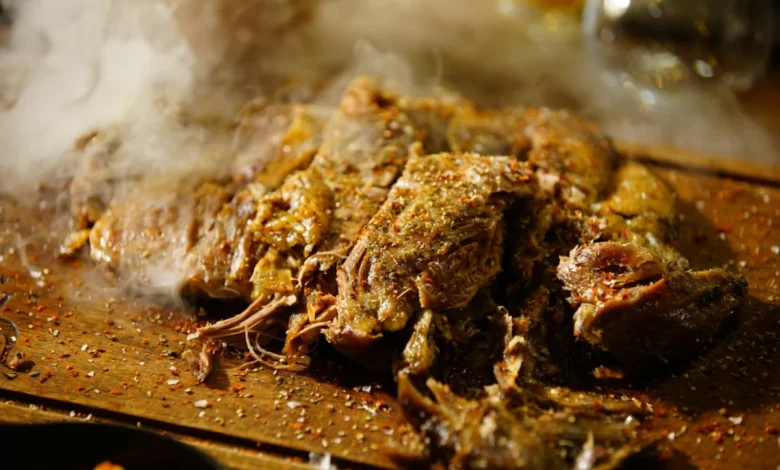
In the realm of modern family meal planning, the intersection of minimal effort and high culinary reward remains the holy grail for busy households. Whether navigating the demanding schedules of working parents, managing the intricate transition periods of the postpartum phase, or simply attempting to feed a crowd with diverse palates, home cooks continually seek out recipes that require little active intervention while delivering robust, complex flavors. Addressing this perennial domestic challenge, estate planning attorney and Fourth Trimester Podcast guest Patricia De Fonte has shared a favorite family recipe that epitomizes convenience: a slow cooker salsa verde pork designed to be universally appealing, exceptionally forgiving, and endlessly adaptable.
The dish relies on a straightforward methodology that strips away culinary complexity. By combining a large cut of pork shoulder with bell peppers, red onion, and a generous amount of fresh salsa verde inside a slow cooker, the recipe transforms basic components into tender, shredded meat over the course of an extended cooking window. According to De Fonte, the secret to elevating the dish from a standard weeknight convenience meal to a memorable centerpiece for gatherings lies in the quality of the salsa verde and the thoughtful application of fresh finishing touches, specifically bright cilantro and freshly squeezed lime juice.
Culinary Context and the Rise of Set-It-And-Forget-It Cooking
The reliance on slow cookers as a primary culinary tool has experienced a steady resurgence over the past decade, driven largely by shifting demographic trends wherein dual-income households and young families face severe time deficits. Culinary historians and food economists note that the adoption of slow-cooked, braised meats aligns with broader consumer demands for comfort food that requires minimal supervision during peak working hours.
Pork shoulder, frequently referred to in culinary circles as Boston butt, is particularly well-suited for this style of prolonged, low-temperature cooking. Unlike lean cuts of meat such as chicken breast or pork loin, which dry out quickly under sustained heat, pork shoulder possesses an intricate internal network of connective tissue and intramuscular fat. As the meat undergoes hours of sustained heat in the presence of acidic and aromatic liquids—in this case, the fresh salsa verde, peppers, and onions—the collagen breaks down entirely, gelatinizing to create a naturally unctuous, succulent texture that easily yields to a fork.
From a nutritional and logistical standpoint, preparing meals in a slow cooker offers distinct advantages for households managing demanding schedules. By front-loading the preparation time—averaging roughly 14 minutes of active chopping and assembly—cooks can initiate the cooking cycle in the morning and return home hours later to a fully prepared protein. This operational efficiency is especially vital for parents with newborns or young children, a core demographic addressed by the Fourth Trimester platform, where traditional cooking hours are frequently disrupted by infant care demands.
Step-by-Step Preparation and Execution
Successfully executing the salsa verde pork requires adherence to specific preparation and timing parameters to ensure both optimal flavor development and strict food safety compliance.
The process begins with selecting a whole pork shoulder or pork butt, ideally thawed completely if previously frozen. Culinary preparation is minimal: the cook seasons the whole cut of meat and places it directly at the bottom of the slow cooker vessel. Surrounding and layering the pork are sliced bell peppers and red onion, which release moisture and natural sugars during the cooking process, balancing the acidity of the salsa verde. Finally, the entire mixture is generously coated with fresh salsa verde.
Unlike recipes that require searing the meat in a separate skillet prior to slow cooking—a step often championed for developing complex Maillard reaction flavors—De Fonte’s method streamlines the process entirely, allowing the ingredients to meld natively within the slow cooker. Once cooking is complete, the meat does not need to be removed for resting or fat skimming; it can be shredded directly within the cooking juices, retaining maximum moisture and flavor.
Timing and Thermal Dynamics
The cooking timeline for the dish is dictated by the thermal settings of the slow cooker appliance and the mass of the protein. Standard culinary guidelines for a standard-sized pork shoulder dictate an operating window of approximately 8 to 10 hours on the low setting, or 5 to 6 hours on the high setting.
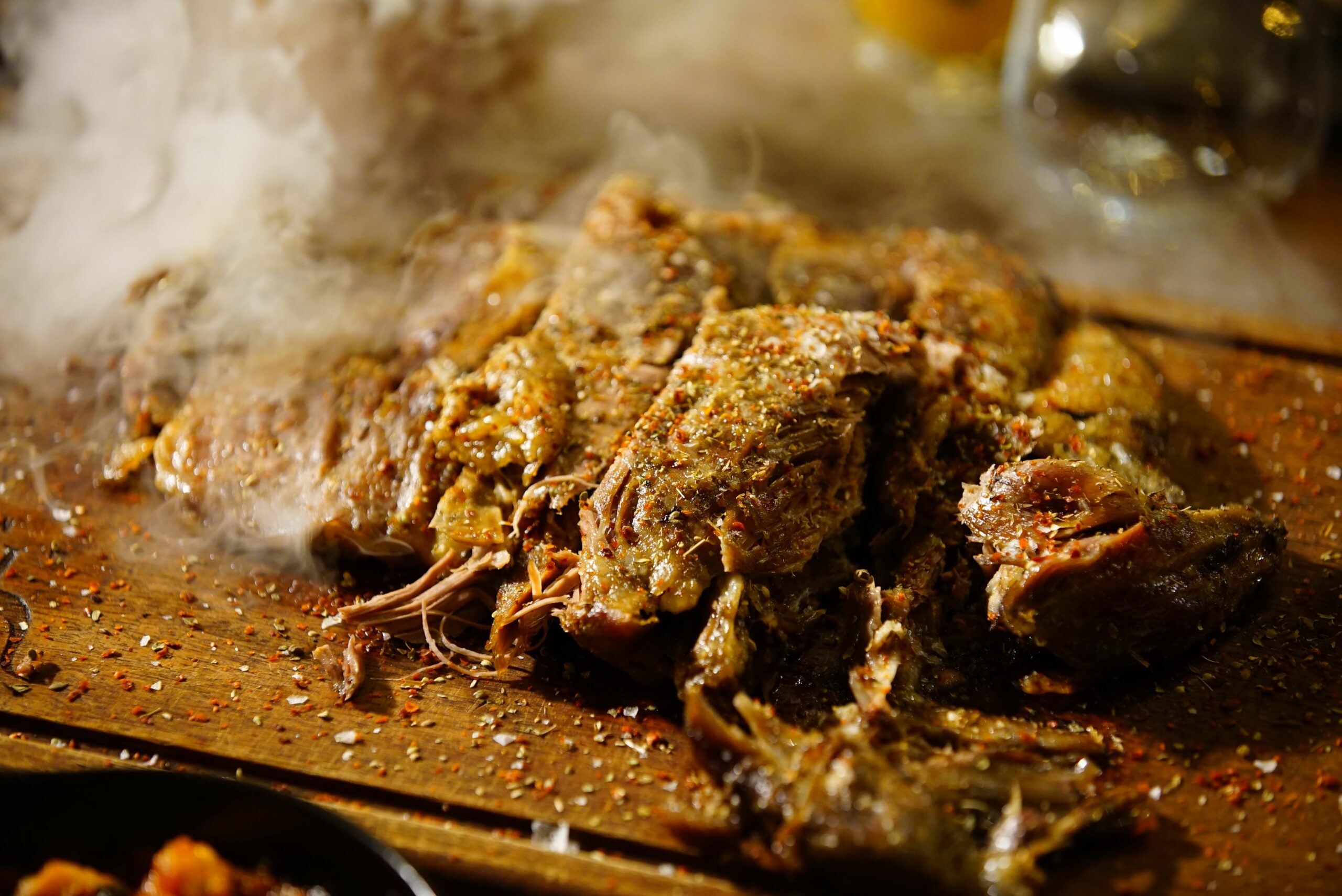
However, culinary technicians emphasize that time alone is an insufficient indicator of doneness. Because slow cooker performance varies widely based on brand, wattage, and volume, the primary metric for success is structural tenderness and internal temperature. Food safety regulations mandate that whole cuts of pork must reach a minimum internal temperature of 145 degrees Fahrenheit (63 degrees Celsius), followed by a mandatory three-minute resting period. For pulled pork preparations, nevertheless, cooking must continue well beyond this baseline minimum until the collagen has completely dissolved and the meat easily separates under pressure.
Adhering to food safety protocols is equally critical when utilizing slow cookers, particularly regarding the danger zone of temperatures between 40°F and 140°F where bacteria multiply rapidly. Home cooks are advised to begin the cooking process immediately after assembling raw ingredients in a cold slow cooker insert, avoiding any preparatory staging at room temperature. Furthermore, perishable leftovers must be cooled and transferred to refrigeration within two hours of the cooking cycle concluding.
Customization and the Communal Table
One of the defining structural strengths of the salsa verde pork recipe is its modular serving architecture. Rather than dictating a single, rigid accompaniment, the dish is intentionally designed to be served alongside a revolving selection of bases, including traditional white or brown rice, protein-rich quinoa, light couscous, or warm corn and flour tortillas.
This build-your-own format addresses a common logistical hurdle in family dining and social gatherings: accommodating diverse dietary preferences, intolerances, and palate restrictions within a single meal. By keeping the starches, vegetables, and proteins separated from individual garnishes, hosts empower diners to customize their plates. The inclusion of fresh cilantro and lime wedges allows each individual to calibrate the acidity and herbal brightness of their portion, cutting through the rich, savory profile of the slow-cooked pork.
Estate Planning, Family Continuity, and the Fourth Trimester Framework
While culinary discussions form the immediate surface of the recipe’s presentation, the broader context surrounding its publication touches on foundational aspects of family welfare and long-term security. Patricia De Fonte’s appearance on the Fourth Trimester Podcast, hosted by Sarah Trott, bridges the gap between daily domestic survival—such as getting dinner on the table—and critical existential planning for parents.
In contemporary legal and parental discourse, estate planning is frequently delayed by young families due to time constraints, emotional avoidance, or the misconception that such legal safeguards are exclusively for the elderly or wealthy. Conversations hosted by platforms like the Fourth Trimester seek to normalize and demystify these processes, framing estate planning as an essential act of parental care. Determining legal guardianship, establishing trusts, and articulating clear family values ensure that children are protected in the event of unforeseen tragedies.
The juxtaposition of a simple, comforting family meal with complex legal planning underscores a core philosophy of modern parenting advocacy: that sustainable family life relies on the dual pillars of immediate, practical nourishment and long-term structural security. Preparing a communal meal like salsa verde pork fosters immediate family connection around the dinner table, while parallel efforts in estate planning secure the future of those same family members.
Implications for Modern Household Management
As cultural norms continue to evolve toward greater flexibility and efficiency in domestic labor, recipes that minimize kitchen friction while maximizing nutritional value and sensory satisfaction will remain in high demand. The salsa verde pork model demonstrates how traditional braising techniques can be adapted to contemporary lifestyles without sacrificing culinary integrity or flavor complexity.
By leaning on reliable appliances, high-quality prepared ingredients like fresh salsa verde, and adaptable serving frameworks, home cooks can successfully navigate the complexities of feeding groups and families. Whether integrated into a postpartum meal train to support new parents or served at a large weekend family gathering, the dish offers a blueprint for stress-free, community-oriented dining. Through the combined insights of culinary contributors and legal professionals, modern families are equipped with both the daily sustenance and the long-term vision necessary to thrive through life’s various transitions.
Related posts: