The Ultimate Postpartum Care Snack: Why Stuffed Medjool Dates Are Becoming the Go-To Gift for New Parents

The arrival of a newborn is one of life’s most profound milestones, bringing an overwhelming wave of joy alongside monumental physical and emotional adjustments for new parents. Amid the flurry of well-meaning visitors, sleepless nights, and the steep learning curve of infant care, the simple act of preparing a meal often falls by the wayside. For friends, family members, and community support networks looking to offer practical assistance, figuring out what to bring a family with a new baby can be a persistent challenge. While traditional casseroles and frozen dinners have long been the staple of postpartum care packages, culinary experts and nutrition advocates are increasingly championing a simpler, more immediate solution: the portable, nutrient-dense snack tray.
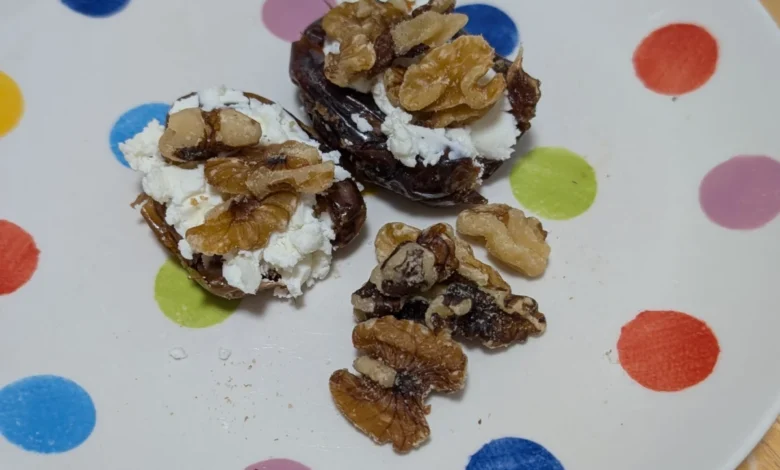
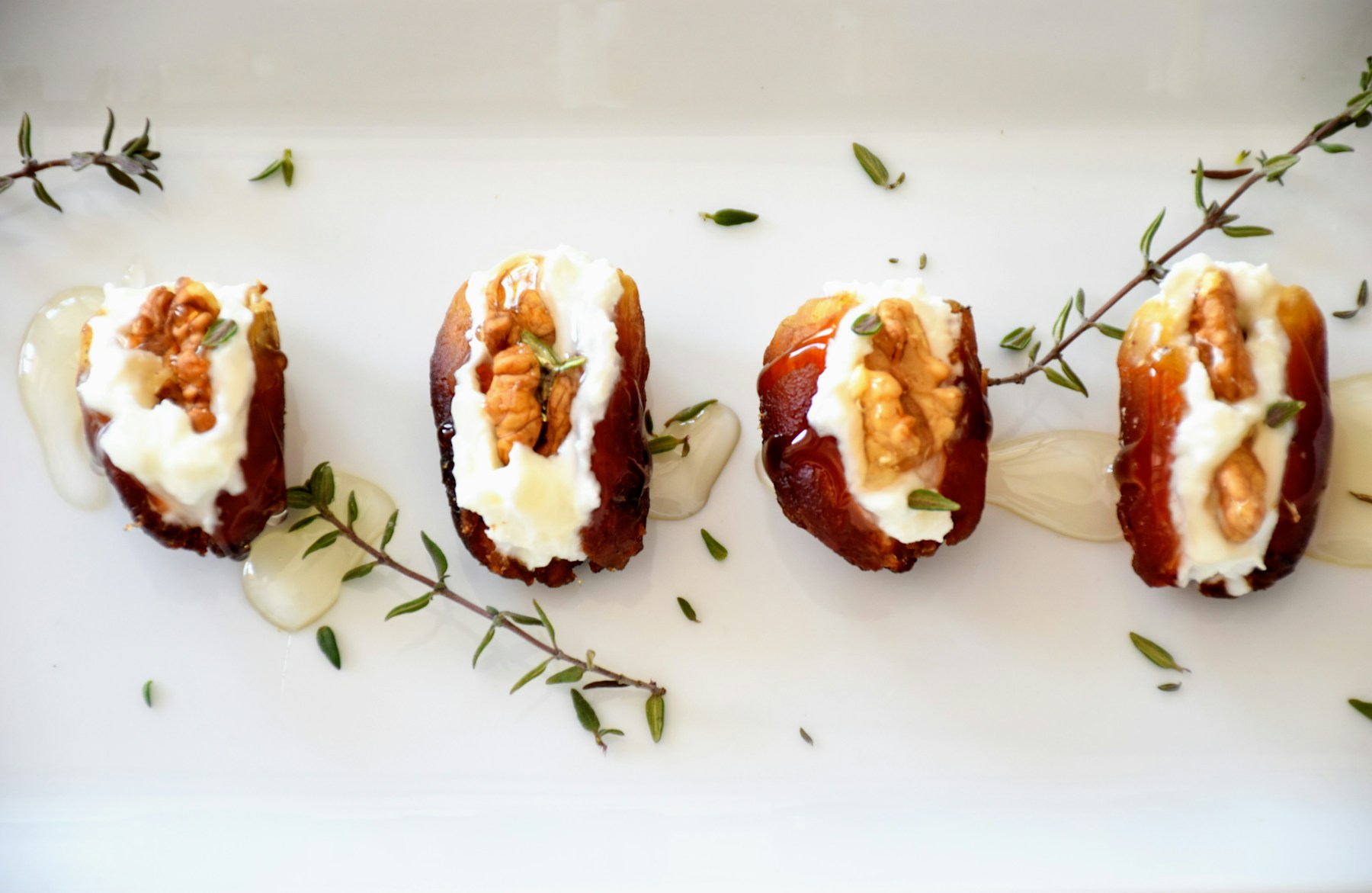
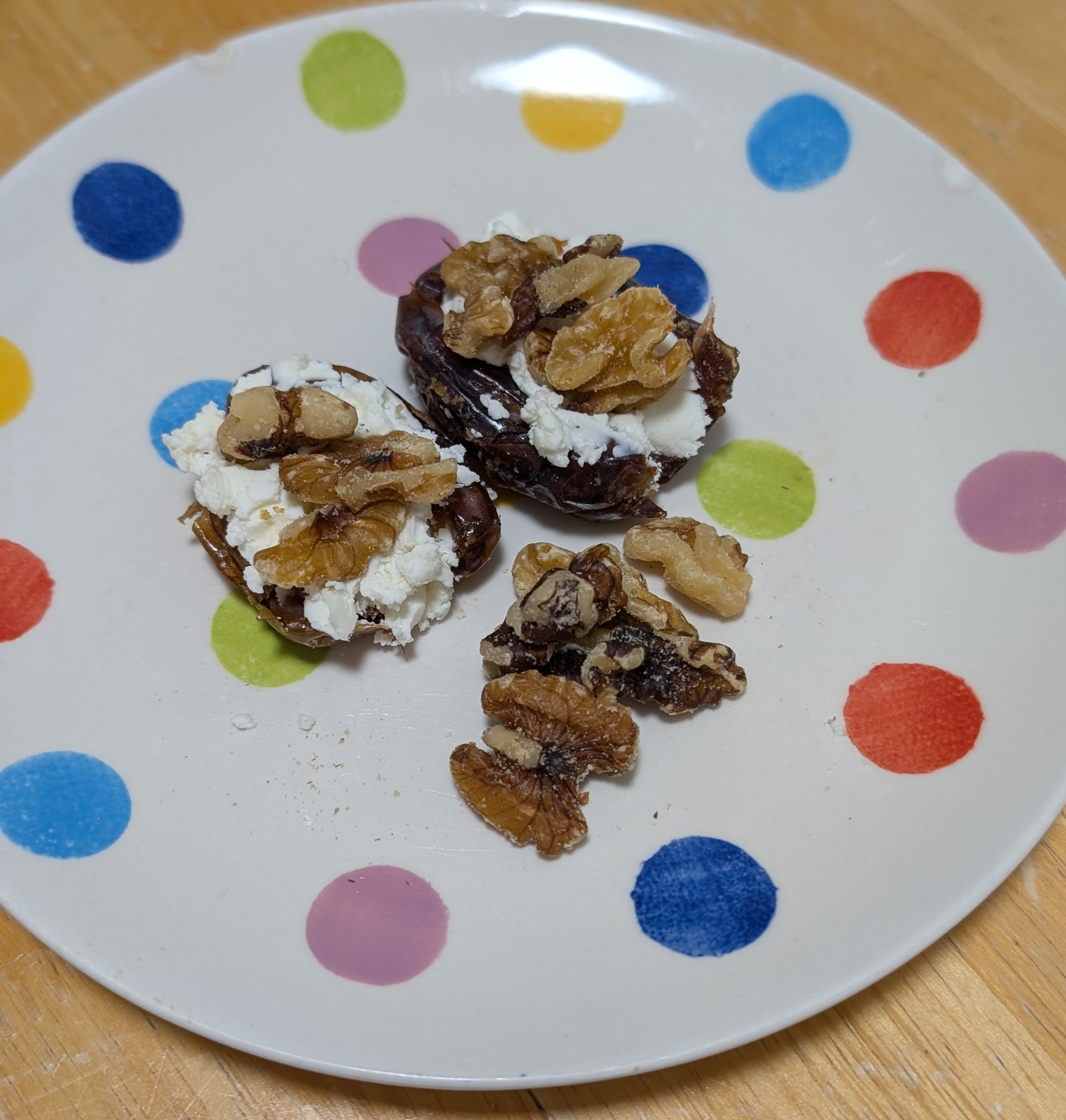
At the forefront of this culinary trend is a deceptively simple yet elegant recipe shared by Melissa Hurt, a returning guest on the Fourth Trimester Podcast and a professional BodyVoice Coach. Hurt’s signature postpartum offering consists of a dozen Medjool dates stuffed with soft goat cheese and crowned with chopped roasted walnuts. Requiring zero cooking time, utilizing readily available ingredients, and engineered to be picked up and consumed with a single hand while holding a sleeping infant, this sweet-and-savory bite has quickly become a gold standard for modern postpartum hospitality.
The Anatomy of the Perfect Postpartum Snack
To understand why a tray of stuffed dates resonates so deeply within the postpartum community, one must examine the unique physiological and logistical demands placed on new mothers during the fourth trimester—the critical first twelve weeks following childbirth. During this period, the body is undergoing extensive tissue repair, hormonal shifts, and, in many cases, the caloric demands of lactation. Maintaining stable blood sugar levels is paramount for managing postpartum mood fluctuations, fatigue, and physical recovery.
Medjool dates serve as an ideal foundation for this nutritional requirement. Naturally sweet, dense, and rich in dietary fiber, potassium, and magnesium, dates provide a rapid and sustained source of energy without causing the sharp insulin spikes associated with processed sugars. When paired with the healthy fats and proteins found in soft goat cheese and roasted walnuts, the snack transforms into a balanced macronutrient profile that promotes satiety and sustained focus.
Furthermore, the logistical constraints of early parenthood cannot be overstated. New parents frequently find themselves trapped beneath a nursing infant or navigating a delicate contact nap, rendering two-handed meals practically impossible. By designing a food item that is bite-sized, non-dripping, and completely finger-friendly, Hurt’s recipe addresses the severe ergonomic limitations experienced during the initial postpartum weeks.
Culinary Versatility and Customization
While the classic iteration relies on Medjool dates, goat cheese, and walnuts, the culinary framework is intentionally flexible to accommodate various dietary preferences, restrictions, and pantry inventories. Culinary specialists emphasize that the recipe can be easily modified without sacrificing its core utility. For individuals with tree nut allergies or those seeking a different textural element, roasted pumpkin seeds—often referred to as pepitas—serve as an exceptional alternative.
The choice to utilize roasted nuts or seeds rather than raw varieties is a deliberate culinary decision rooted in flavor development. Roasting enhances the natural oils within the nuts, producing a deeper, nuttier aroma and a pronounced crunch that contrasts sharply with the creamy texture of the goat cheese and the chewy density of the date. If preparing the seeds or nuts at home, experts advise allowing them to cool completely before assembly to prevent the soft cheese from melting prematurely.
Integration into the Modern Snack Tray Culture
In contemporary nutritional guidance for new families, the concept of the traditional three-square-meal structure is frequently replaced by the "grazing model." Because parents may lack the uninterrupted time required to sit down for a formal meal, continuous access to nutrient-dense finger foods is vital.
The stuffed date recipe is intentionally calibrated to yield one dozen portions, making it an ideal anchor for a comprehensive postpartum snack tray. Nutrition and lifestyle educators recommend pairing these dates alongside fresh seasonal fruits, whole-grain crackers, and sliced raw vegetables such as cucumbers and bell peppers. This creates a diverse sensory landscape of flavors—sweet, savory, creamy, and crunchy—that keeps the palate engaged and ensures that caloric intake remains high during a demanding life phase.
The broader movement toward snack trays reflects a shift in how communities support postpartum recovery. Rather than burdening new parents with the responsibility of hosting visitors or cleaning up after elaborate meals, drop-off snack trays offer immediate, low-friction sustenance that requires zero culinary labor on the part of the recipients.
Addressing the Broader Context of Postpartum Support
The conversation surrounding postpartum nutrition rarely exists in a vacuum; it is invariably tied to the broader psychological and social landscape of early parenthood. Melissa Hurt’s contribution to the Fourth Trimester platform extends far beyond the kitchen. In her recurring appearances and associated media, Hurt frequently addresses the psychological hurdles new parents face, particularly the difficulty of advocating for one’s own needs and setting healthy boundaries with well-meaning visitors.
In Episode 182 of the Fourth Trimester Podcast, Hurt joined hosts Sarah Trott and Esther to discuss the practical application of the human voice in establishing boundaries, asking for concrete help, and fostering a deeper emotional connection with a newborn. The intersection of culinary care and emotional advocacy highlights a holistic philosophy of postpartum support: nourishing the physical body is inextricably linked to nurturing mental well-being and relational health.
When friends or family members drop off a tray of provisions, the gesture communicates a message of care that transcends the physical food. It validates the exhaustion of the recipient and provides tangible relief during a time of immense transition. By equipping support networks with actionable, easy-to-execute recipes like stuffed dates, communities can better show up for new parents in meaningful, practical ways.
Guidance for Assembly and Preparation
For those interested in replicating the recipe, the assembly process requires minimal equipment and time, making it accessible even for time-crunched gift-givers.
- Begin with high-quality, plump Medjool dates, pitting them carefully if they are not already pre-pitted.
- Utilize a soft, high-quality goat cheese, calculating approximately a generous tablespoon of cheese per date. For a batch of 12 dates, starting with roughly three-quarters of a cup of cheese ensures adequate coverage, with a small surplus kept on hand.
- Gently press the goat cheese into the cavity of each open date.
- Top the cheese with approximately one-fourth cup of chopped roasted walnuts or roasted pumpkin seeds, pressing them lightly into the surface to ensure they adhere during transport and consumption.
- Arrange the finished dates on a decorative or disposable tray, ready for immediate delivery or refrigeration.
Implications for Community and Family Wellness
As the dialogue surrounding postpartum maternal health continues to evolve, medical professionals, doulas, and family support advocates increasingly emphasize the importance of community-led care networks. The historic model of isolation—where new mothers were expected to manage household maintenance, infant care, and nutritional preparation entirely on their own—is rapidly giving way to more communal, village-style approaches.
Providing portable, high-nutrient foods like Melissa Hurt’s stuffed dates represents a micro-action with macro-level benefits. By reducing the friction associated with eating well during the newborn phase, such culinary offerings contribute directly to maternal recovery, sustained energy levels, and overall family stability. Whether incorporated into a larger postpartum care package or brought along as a casual offering during a supportive visit, these simple ingredients embody the essence of modern postpartum care: practical, thoughtful, and deeply nourishing.